What Is Genuine Leather in Shoes?
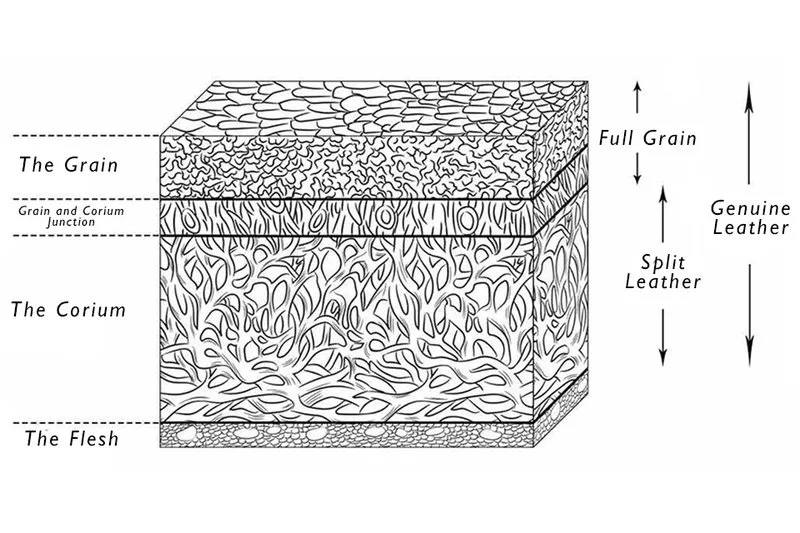
Image source: Bing (Web (fair-use with source credit))
When you're shopping for shoes, seeing the words "genuine leather" can feel like a good sign, suggesting quality and durability. But what does it actually mean, and how does it compare to other leather labels you'll see? Understanding this is key to avoiding disappointment and getting footwear that lasts.
In our research, "genuine leather" often sits lower on the quality spectrum than terms like full-grain or top-grain. For instance, while leather thickness can vary, genuine leather typically uses the split hide, which is less robust than the full hide used in premium options. Let's break down exactly what you're getting.
Quick Answer
Genuine leather in shoes means it's made from real animal hide. However, it's a lower grade, sourced from the split layers of the skin. This makes it less durable and flexible than full-grain or top-grain leather.
It offers some breathability but wears out faster.
Beyond the Label: Understanding Leather Types for Footwear
When you're in the shoe aisle, you'll see a lot of different terms for leather, and they aren't all created equal. The label tells a story about which part of the animal hide was used and how it was treated. This difference impacts everything from how the shoe feels and looks to how long it will last.
Knowing these distinctions helps you pick the right material for your needs.
The quality of leather in shoes is often categorized by its grade, with full-grain being the most premium and bonded leather being the least. Understanding this hierarchy is crucial. For example, full-grain leather retains the natural surface of the hide, including any imperfections, giving it a unique character and superior durability.
Genuine Leather vs. The Rest: A Side-by-Side Look
This is where things get interesting, and frankly, a little confusing for most shoppers. When you see "genuine leather" on a shoe tag, it's important to know that it's not necessarily a mark of high quality. It's a broad term that can encompass several types of leather, some better than others.
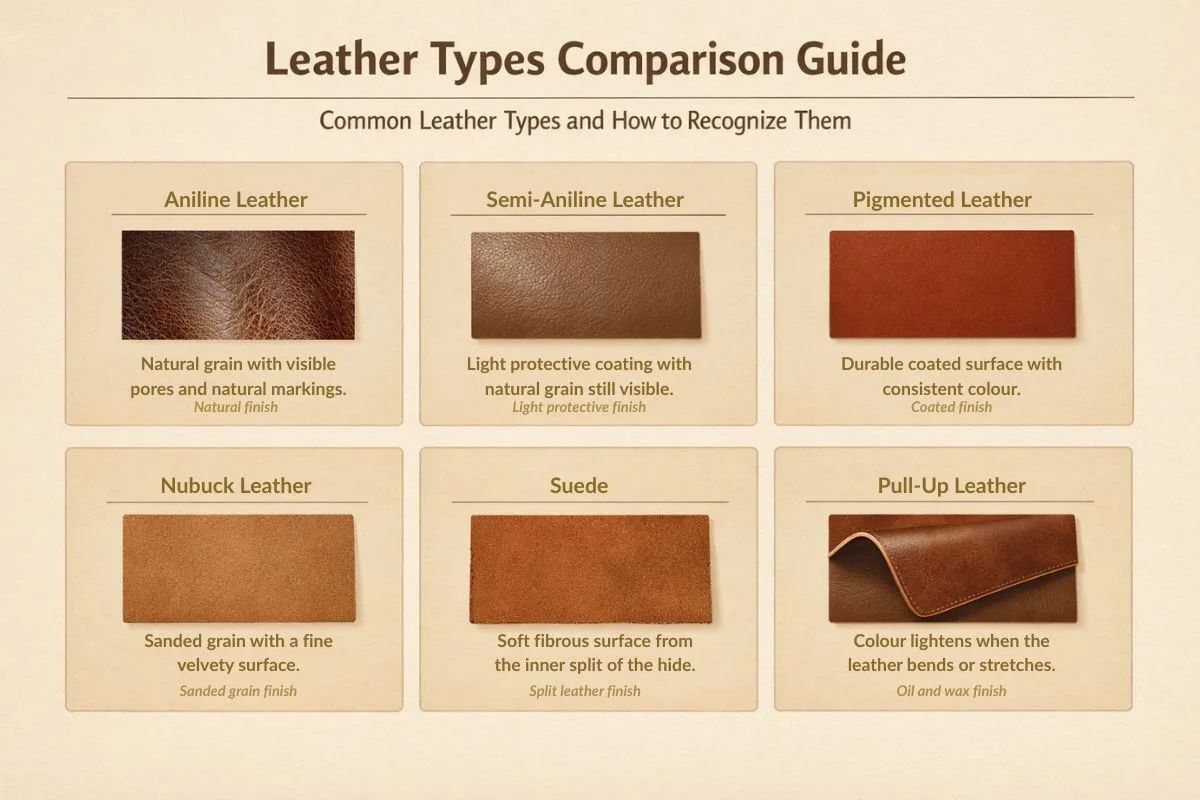
Image source: Bing (Web (fair-use with source credit))
Here’s a quick rundown of common leather types you'll encounter:
- Full-Grain Leather: This is the best quality. It uses the entire grain layer of the hide, including any natural markings. It's very durable and develops a beautiful patina over time. Think of it as the untouched, premium cut of the hide.
- Top-Grain Leather: This is the second-highest quality. The very top layer of the hide is kept, but it's sanded or buffed to remove imperfections. It’s still strong and looks good, but it's not as natural as full-grain. It’s often used for high-end shoes and bags.
- Genuine Leather: This is where the term "genuine" can be misleading. It's made from the lower layers of the hide, often the split layer. It’s real leather, but it's less durable and can sometimes feel stiff. It's essentially the "middle" tier, but often perceived as higher.
- Bonded Leather: This is the lowest quality. It's made from scraps of leather that are shredded, mixed with a binder, and then pressed onto a backing. It looks like leather but wears out very quickly and doesn't have the same feel or durability. You'll often find this in cheaper accessories.
When considering footwear, understanding these differences is like knowing whether you're buying a prime steak or a processed meat product, both are meat, but the quality and experience are vastly different.
The Real Deal: What Genuine Leather Offers
So, what’s the upside to shoes labeled "genuine leather"? It's not all bad news, even if it's not top-tier. Genuine leather does have its own set of advantages that can make it a suitable choice for certain footwear and buyers, especially when the price is right.
The primary advantage is that it is actual leather, meaning it will offer some degree of breathability and a more natural feel than synthetic materials. It’s also generally more affordable than full-grain or top-grain options, making stylish footwear more accessible.
Benefits You'll Actually Feel
Genuine leather shoes can offer a comfortable experience, especially if they are well-constructed. Because it's made from animal hide, it has a natural flexibility that can mold to your foot over time, unlike stiff plastics or synthetic materials. This means that with a bit of break-in, your genuine leather shoes can become your go-to pair for everyday wear.
For example, aggregate user reviews report that genuine leather boots, while not as durable as full-grain, can provide good comfort for casual use and moderate walking. They also tend to be more breathable than many faux leather alternatives, which helps keep your feet cooler and reduces the likelihood of odor. This natural breathability is a key benefit for anyone who spends a lot of time on their feet.
Where Genuine Leather Falls Short
While genuine leather has its place, it’s important to be aware of its limitations, especially when compared to higher grades of leather. The primary drawback is its durability. Because it's made from the split layers of the hide, it’s not as strong or as resistant to wear and tear as full-grain or top-grain leather.
Manufacturer specifications often indicate that genuine leather is more prone to scuffing, tearing, and developing creases prematurely. It also doesn't develop the same rich patina, or aged look, that higher-quality leathers do. Over time, genuine leather can start to look worn and cracked more quickly if not cared for properly.
Who Should Buy Shoes Made With Genuine Leather?
Given its characteristics, genuine leather shoes are best suited for specific situations and individuals. If you're looking for a budget-friendly option for casual wear or a pair of shoes you don't plan on wearing every single day, genuine leather can be a good choice. They offer a step up from purely synthetic materials without the premium price tag.
For example, someone who wants a pair of stylish dress shoes for occasional use, like attending weddings or important meetings a few times a year, might find genuine leather to be a practical compromise. They look good enough for the occasion but don't require the investment of top-tier leather. This type of buyer prioritizes appearance and moderate comfort over extreme longevity.
This category of footwear is also ideal for younger individuals still figuring out their style or for parents buying shoes for children who will quickly outgrow them. It’s a material that offers a decent look and feel for a lower cost, making it a sensible option when maximum durability isn't the top priority.
Common Traps When Buying "Genuine Leather" Shoes
The biggest trap when buying shoes labeled "genuine leather" is assuming it means high quality. Many shoppers see "leather" and immediately think of durability and luxury, overlooking the fact that "genuine" is actually a classification that sits below premium grades like full-grain or top-grain. This can lead to purchasing shoes that wear out faster than expected.
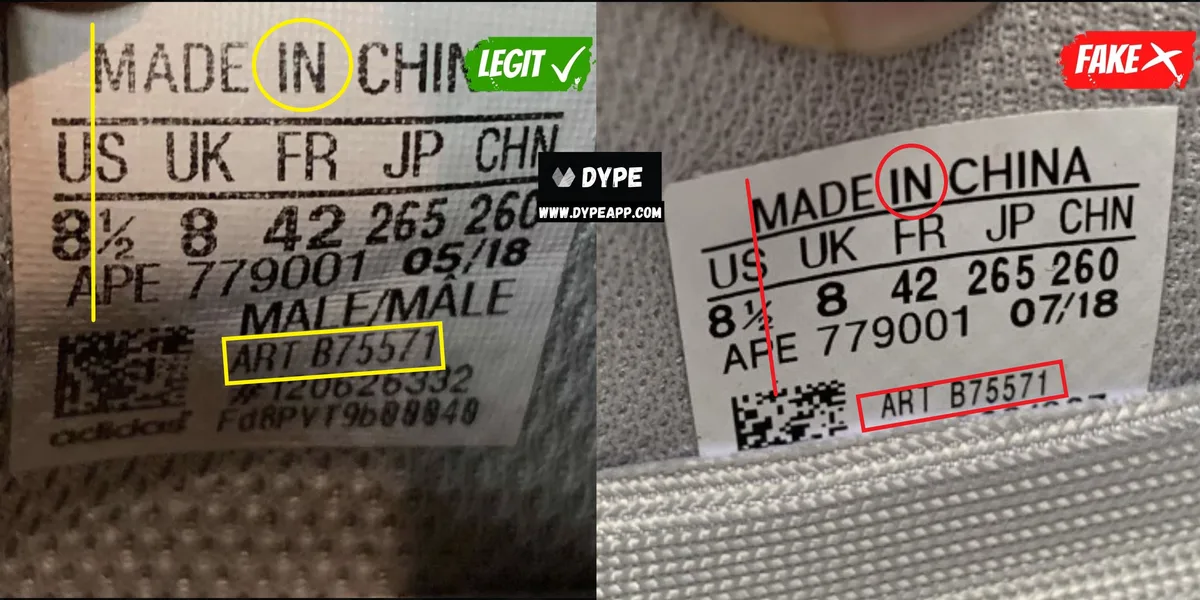
Image source: Bing (Web (fair-use with source credit))
Another common mistake is not understanding how the leather was processed. Genuine leather is often made from split hides, which are then sometimes coated and embossed with a grain pattern to make them look like higher-quality leather. This artificial grain can wear off, revealing a less appealing surface underneath.
It’s essential to remember that terms like "full-grain" and "top-grain" indicate a superior layer of the hide.
What to Look For Instead of Just "Genuine"
When you're in the store or browsing online, don't stop at the word "genuine." Here’s what our research suggests you should do:
- Look for "Full-Grain" or "Top-Grain": If your budget allows, these terms signal a better quality leather that will last longer and age more gracefully.
- Inspect the Grain: Does the grain pattern look too uniform or artificial? This might indicate a corrected grain on a genuine leather split. Natural leather has slight variations.
- Consider the Shoe's Construction: Even genuine leather can be made into a good shoe if the overall construction is solid. Look at the stitching, sole attachment, and the shoe's general feel. A well-made shoe with genuine leather is often better than a poorly made shoe with full-grain leather.
- Check the Price: If a shoe is labeled "genuine leather" and the price is very low, it's a strong indicator that it's likely a lower-quality split leather, perhaps even bonded leather in disguise, or just very thin genuine leather.
- Understand "Leather" vs. "Man-Made Materials": If a shoe is simply listed as "leather" without further qualification, it could be genuine leather, but it's always better to be specific. If it says "man-made materials" or "synthetic leather," then it's not real leather at all.
When you're making a purchase, remember that the word "genuine" is just one piece of the puzzle. It’s about understanding the whole picture of what you're buying.
Keeping Your Genuine Leather Shoes Looking Good
Even though genuine leather isn't the most premium material, it still deserves care to make your shoes last. Proper maintenance can prevent premature cracking and wear, keeping them looking presentable for longer. This means more than just wiping them down; it involves a few key steps.
The goal is to keep the leather conditioned and protected from the elements. Think of it like moisturizing your own skin to keep it supple. Without proper care, the leather can dry out, become brittle, and eventually crack.
Basic Care for Everyday Wear
For daily wear, cleaning your genuine leather shoes after each use is a good habit. Use a soft cloth to wipe away dust and dirt. If they get wet, stuff them with newspaper to absorb moisture and help them keep their shape, then let them air dry away from direct heat.
- Wipe Down: After wearing, use a dry, soft cloth to remove surface dust and grime.
- Address Wetness: If shoes get wet, gently blot them dry and stuff with paper. Avoid heat sources like radiators or hairdryers, which can dry out and crack the leather.
- Conditioning (Occasional): Every few months, or when the leather looks dry, apply a small amount of leather conditioner. Buff it in with a clean cloth. This helps restore moisture and flexibility.
When to Consider Professional Help or Specific Products
For tougher stains or deeper conditioning, specific products designed for leather are essential. Avoid using harsh chemicals or household cleaners, as these can damage the leather's finish and structure. If you're unsure about a stain or how to treat your shoes, it's often best to consult a shoe repair professional.
For instance, if your shoes have a significant scuff mark, a colored leather conditioner or a shoe polish matching the shoe's color might help blend it in. However, always test any product on an inconspicuous area, like the inside of the tongue, before applying it to the entire shoe. This ensures it won't cause discoloration.
Your Genuine Leather Shoe Decision Guide
Deciding whether "genuine leather" shoes are right for you comes down to balancing cost, intended use, and your expectations for durability and longevity. If you're looking for an affordable option for casual wear that offers a step up from synthetics, they can be a smart purchase. Just remember that "genuine" doesn't mean top-tier quality.
If you need shoes for demanding physical activity, long hours on your feet daily, or a pair you expect to last a decade with minimal fuss, you might want to explore full-grain or top-grain leather options instead. For most everyday situations, however, genuine leather shoes can offer good value and a comfortable experience.
How to Make the Final Call
Think about how often you'll wear the shoes and what you'll be doing in them. If it's for light use and occasional outings, genuine leather is likely fine. If they'll be your daily workhorses, investing in higher-grade leather is often more economical in the long run, as they'll resist wear and tear better.
Consider the overall construction of the shoe, too. Well-made genuine leather shoes are often better than poorly made premium leather shoes. As of 2026, the market continues to offer a wide range, so take your time and weigh these factors to make the best choice for your feet.
Frequently Asked Questions
What's the biggest difference between genuine and full-grain leather?
Full-grain leather uses the entire top layer of the hide, making it very durable and attractive. Genuine leather uses lower split layers, which are less durable and can be stiff.
Can genuine leather shoes be comfortable?
Yes, genuine leather can become comfortable over time as it breaks in and molds to your foot. However, it might not feel as supple initially as higher-grade leathers.
How long can I expect genuine leather shoes to last?
With good care, genuine leather shoes can last several years for occasional wear. For daily heavy use, they may show wear and tear sooner than full-grain leather shoes.
Is "real leather" the same as genuine leather?
"Real leather" is a broad term that can include genuine leather, but also higher grades like top-grain and full-grain. Genuine leather is a specific, lower-quality type of real leather.
Should I avoid shoes labeled "genuine leather"?
Not necessarily. If your budget is limited or you need shoes for casual, infrequent use, genuine leather can be a good option. Just manage your expectations regarding longevity and wear compared to premium leathers.