What Are Safety Shoes?
When you're working in environments where hazards are part of the daily grind, protecting your feet isn't just smart; it's essential. But what exactly are safety shoes, and how do you know if they're the right gear for your job? They're specialized footwear designed to shield your feet from serious injuries common in industrial and construction settings.
Our research into protective footwear shows that these aren't your average sneakers. They incorporate specific features and meet rigorous standards, like those outlined by ASTM International, to offer a defined level of protection. Understanding these features and standards is the first step to ensuring your safety on the job.
Quick Answer
Safety shoes are specialized work boots designed to protect your feet from workplace hazards. They feature reinforced toes, puncture-resistant soles, and often other protective elements like metatarsal guards. They comply with safety standards such as ASTM F2413 to prevent injuries from impacts, compression, and sharp objects.
Why Understanding Safety Shoes Matters for Your Well-being
Your feet are the foundation for everything you do, especially at work. In many professions, the ground beneath you can be a source of significant danger, from falling objects to sharp debris. Without the right protection, a minor incident could lead to a severe injury, resulting in lost work time, medical bills, and long-term pain.
This is where safety shoes come in, acting as a critical line of defense.
They’re not just boots; they're engineered safety equipment. Their design and construction go far beyond what you'd find in everyday footwear. Understanding their purpose and the protection they offer is paramount for anyone working in environments where foot injuries are a real possibility.
Our focus here is to break down what makes them unique and why they are a non-negotiable part of workplace safety as of 2026.
What Exactly Are Safety Shoes?
Safety shoes are a type of protective footwear specifically engineered to safeguard the wearer's feet against a variety of hazards encountered in industrial, construction, and other demanding work environments. They go beyond the basic support and comfort of regular shoes, incorporating specialized features designed to prevent injuries from impacts, compression, punctures, and sometimes even electrical hazards.
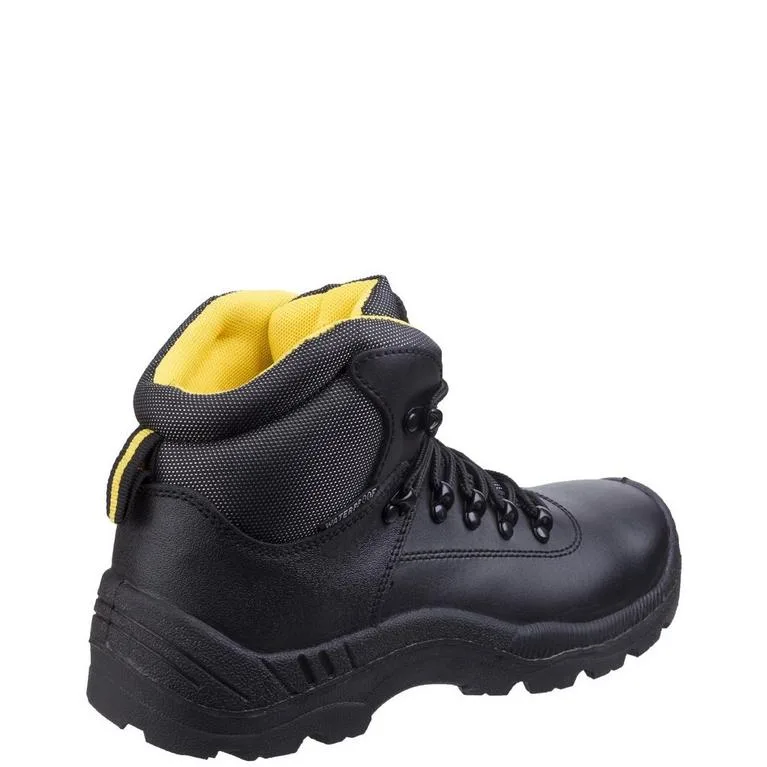
Image source: Bing (Web (fair-use with source credit))
Defining Protective Footwear
At their core, safety shoes are personal protective equipment (PPE) intended to mitigate risks to the feet. They are typically built with durable materials and reinforced construction to withstand conditions that would easily damage or render standard footwear useless. The primary goal is to keep your feet safe and functional, allowing you to do your job without the added worry of a foot injury.
Key Protective Components
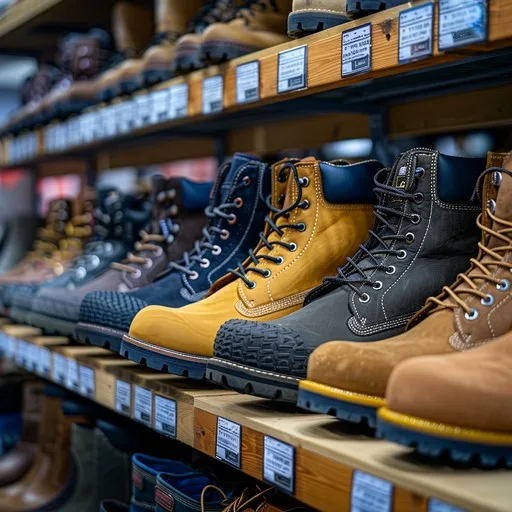
These aren't your average boots. Their protective capabilities come from specific, reinforced components. Think of them as armor for your feet, with each part serving a distinct purpose in preventing different types of harm.
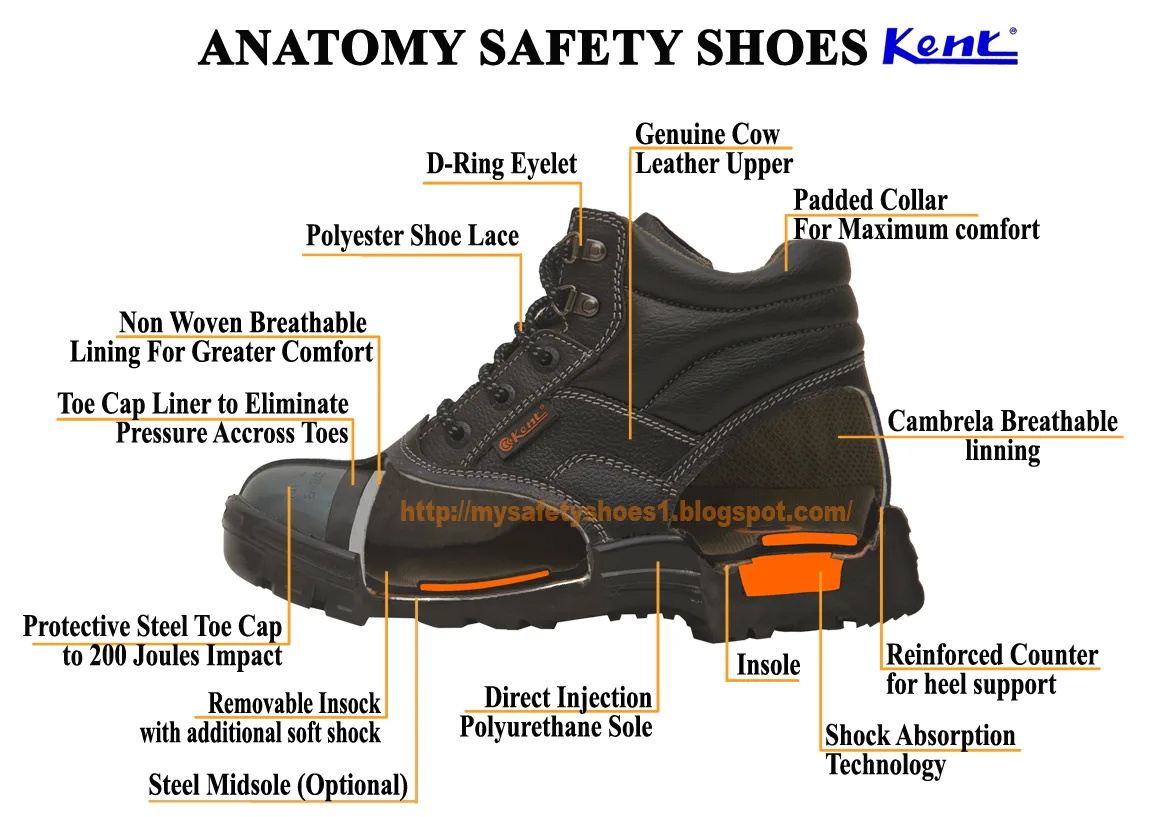
Image source: Bing (Web (fair-use with source credit))
- Reinforced Toes: This is perhaps the most well-known feature, offering protection against falling objects or crushing forces.
- Puncture-Resistant Midsoles: A sturdy layer, often made of metal or composite materials, prevents sharp objects from penetrating the sole and injuring the foot.
- Slip-Resistant Outsoles: Designed with specific tread patterns and rubber compounds, these help maintain traction on various surfaces, reducing the risk of slips and falls.
- Ankle Support: Many safety boots extend higher up the ankle, providing stability and helping to prevent sprains and twists.
- Electrical Hazard (EH) Protection: Some models are designed to insulate against electrical currents, a crucial feature in electrical work.
Identifying the Risks: What Hazards Do Safety Shoes Guard Against?
The need for safety shoes stems directly from the common dangers present in many workplaces. These aren't just theoretical risks; they are everyday occurrences that can have severe consequences if proper protective measures aren't in place. Understanding these hazards helps clarify why specific features are built into safety footwear.
Impact and Compression Risks
One of the most frequent dangers is the risk of impact from falling objects. Tools, materials, or equipment can easily slip and fall onto a worker's feet, especially in construction sites, warehouses, or manufacturing plants. Similarly, heavy machinery or stacked materials can shift, leading to compression injuries if feet are caught underneath.
Safety shoes with reinforced toe caps are specifically designed to absorb and deflect these forces, preventing crushing injuries to the toes and forefoot.
Puncture and Puncture Risks
Sharp objects are a constant threat in many work environments. Nails, screws, glass shards, metal fragments, or other debris can lie hidden on the floor, posing a serious risk of foot penetration. A puncture wound can be painful, lead to infection, and require significant medical attention.
Safety shoes equipped with puncture-resistant midsoles provide a critical barrier against these dangers, stopping sharp items from piercing the sole of the boot and reaching the foot.
Electrical and Static Risks
For individuals working with electrical equipment or in environments where static electricity can build up, there's an added layer of risk. Electrical hazards can cause severe burns or electrocution. Static dissipative footwear is designed to reduce the buildup of static electricity in the body, which can be important in electronics manufacturing or areas where flammable materials are present.
Electrical hazard-rated shoes offer insulation against live electrical circuits.
Slip and Traction Risks
Slippery surfaces are a common cause of workplace accidents. Spills of oil, water, grease, or other liquids, combined with uneven terrain or poor flooring, can lead to dangerous slips and falls. These falls can result in secondary injuries, from broken bones to head trauma.
Safety shoes feature specialized outsole designs and rubber compounds engineered to maximize grip and provide reliable traction, helping workers maintain their footing even in challenging conditions.
Safety Shoe Features That Protect You
The effectiveness of safety shoes comes down to their specialized construction and the materials used. These aren't just minor additions; they are fundamental elements designed to address specific workplace threats. Understanding these features helps you appreciate why certain shoes are deemed "safe" and how they provide tangible protection.
Toe Protection: Steel, Composite, and Beyond
The most prominent feature of safety shoes is the reinforced toe cap. This is the primary defense against falling objects and compression.
- Steel Toe Caps: These have been the industry standard for decades. They offer excellent protection against impacts and compression, meeting stringent safety requirements. However, they can be heavier and may conduct electricity and cold.
- Composite Toe Caps: Made from non-metallic materials like Kevlar, carbon fiber, or strong plastics, composite toes are lighter than steel. They don’t conduct electricity or heat/cold as readily, making them a good option for environments with electrical hazards or extreme temperatures. They meet the same safety standards as steel toes.
- Aluminum Toe Caps: Offering a lighter alternative to steel, aluminum toes provide robust protection. They are less common than steel or composite but offer a good balance of strength and weight.
Puncture Resistance: Guarding Against Sharp Objects
Beyond the toe, the sole of a safety shoe is often reinforced to prevent punctures. This is crucial in environments where nails, screws, metal shards, or other debris might be present on the ground.
- Steel Plates: A thin but strong steel plate is often integrated into the midsole. This provides a formidable barrier against piercing objects.
- Composite Plates: Similar to composite toes, puncture-resistant midsoles can also be made from advanced composite materials. These are typically lighter than steel plates and don't conduct electricity.
- Sole Thickness and Density: Even without a specific plate, a thicker, denser sole material can offer a degree of puncture resistance, though it might not meet the highest safety ratings.
Electrical Hazard and Static Dissipative Properties
For certain professions, protection against electrical risks is vital. Safety shoes are designed to offer different levels of electrical protection.
- Electrical Hazard (EH) Rating: Shoes with an EH rating are manufactured to provide a secondary source of protection against live electrical circuits. They are designed to withstand a significant electrical shock, though they are not a substitute for proper insulated tools or electrical safety procedures. Per OSHA regulations, appropriate footwear is crucial in hazardous electrical environments.
- Static Dissipative (SD) Rating: These shoes are designed to safely discharge static electricity that builds up in the body. This is important in industries like electronics manufacturing or where flammable materials are handled, as a static discharge could ignite vapors or damage sensitive equipment.
Slip Resistance and Traction Enhancements
Traction is fundamental to preventing slips and falls. The outsoles of safety shoes are engineered with specific patterns and materials to provide superior grip.
- Tread Patterns: Deep, aggressive tread patterns with wide grooves help channel away liquids and debris, preventing the sole from hydroplaning or getting clogged.
- Rubber Compounds: Specialized rubber blends are used to offer excellent grip on both wet and dry surfaces. Ratings for slip resistance are often determined through testing protocols like ASTM F3447.
- Oil and Grease Resistance: Many safety shoe outsoles are formulated to resist degradation from oils and greases, maintaining their grip even when exposed to these common workplace lubricants.
Who Needs Safety Shoes and Where?
The simple answer is anyone working in an environment where their feet could be exposed to significant hazards. This isn't limited to just one or two industries; it spans a wide range of professions and operational settings where the risk of foot injury is a daily reality. Choosing the right footwear depends heavily on the specific risks you're likely to encounter.
Industries and Job Roles
Safety shoes are a staple in many sectors:
- Construction: From framing to concrete work, falling materials, sharp rebar, and heavy equipment are constant risks.
- Manufacturing and Factories: Assembly lines, machinery, and the movement of heavy goods expose workers to impacts, punctures, and crushing hazards.
- Warehousing and Logistics: Forklifts, heavy pallets, and the general movement of goods create a high risk for foot injuries.
- Trades: Electricians, plumbers, mechanics, and welders often face unique hazards like electrical currents, hot materials, or sharp tools.
- Mining and Oil & Gas: These industries involve extreme terrain, heavy machinery, and the potential for falling objects or punctures from sharp rocks.
- Agriculture: Working with heavy machinery, livestock, and uneven terrain can pose risks.
If your job involves operating heavy machinery, handling materials that could fall, walking on uneven or debris-strewn surfaces, or working near potential electrical hazards, then safety shoes are likely a requirement.
Specific Workplace Hazards
The exact type of safety shoe needed often hinges on the primary risks in your specific role:
- Falling Objects: If there's a risk of things dropping from above, toe protection is paramount.
- Puncturing Objects: If you work on sites with nails, sharp metal, or glass, a puncture-resistant sole is essential.
- Electrical Exposure: Working near live electrical circuits or in areas prone to static discharge requires EH-rated or SD-rated footwear, respectively.
- Slippery Surfaces: Environments with frequent spills or wet conditions demand shoes with excellent slip resistance.
- Chemical Exposure: Some jobs involve corrosive chemicals, requiring footwear made from specific resistant materials.
Understanding these specific hazards will guide you towards the most appropriate type of safety shoe. It's about matching the protection to the threat.
Safety Standards and Compliance: What You Need to Know
To ensure that safety shoes actually provide the protection they claim, they must meet rigorous testing and certification standards. These standards are established by recognized organizations and are often mandated by regulatory bodies. Ignoring these standards is like assuming your helmet will protect you in a motorcycle crash without knowing if it's certified.
ASTM F2413 and Other Key Standards
The primary standard for protective footwear in the United States is ASTM F2413, "Standard Specification for Performance Requirements for Foot Protection." This standard sets out the performance requirements for safety shoes, including impact resistance, compression resistance, puncture resistance, and electrical hazard protection. When a shoe meets ASTM F2413, it will typically be marked with identifying codes indicating the specific protection it offers, such as "I/75" for impact resistance (75 foot-pounds of force) or "C/75" for compression resistance (7500 pounds of compression).
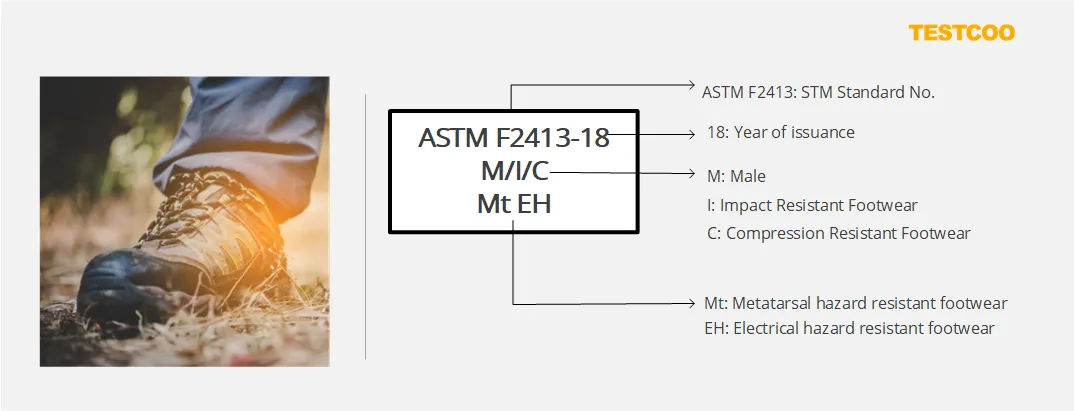
Image source: Bing (Web (fair-use with source credit))
Other relevant standards might apply depending on the industry or region:
- ANSI (American National Standards Institute): While ASTM F2413 is the primary standard, ANSI Z41.1 was an older standard that is now largely superseded by ASTM F2413.
- CSA (Canadian Standards Association): In Canada, safety footwear must meet CSA standards, such as CSA Z195.
- CE Marking: In Europe, footwear must meet EN ISO 20345 standards to be considered safety footwear.
OSHA Guidelines and Workplace Requirements
The Occupational Safety and Health Administration (OSHA) is the U.S. government agency responsible for ensuring safe and healthy working conditions. While OSHA doesn't typically specify exact footwear models, it mandates that employers provide and employees use appropriate personal protective equipment (PPE) to protect against hazards. According to OSHA 1910.136, "Foot protection is required when there is a hazard of falling, rolling, or piercing objects." Therefore, if your workplace has identified such hazards, compliant safety shoes are a necessity.
Employers are responsible for assessing workplace hazards and determining the appropriate PPE, which often includes safety footwear that meets recognized standards like ASTM F2413. This ensures that the footwear you use is not just a suggestion but a legally recognized safety requirement.
Common Mistakes When Choosing and Using Safety Shoes
Even with the best intentions, selecting and wearing safety shoes can lead to problems if not done carefully. Many common errors can undermine the protection offered, leading to discomfort or, worse, injury. Being aware of these pitfalls is crucial for maximizing the benefit of your protective footwear.
The Wrong Fit
One of the most frequent mistakes is prioritizing the wrong factors when it comes to fit. Safety shoes should feel snug but not tight, allowing for a full range of motion and circulation. Wearing shoes that are too big can lead to foot fatigue, blisters, and increased risk of slips within the shoe itself.
Conversely, shoes that are too small can cause bunions, nerve compression, and general discomfort that can impact your focus and safety. It's always wise to measure your feet for shoes and understand how much room should be in a shoe, which generally means about a thumb's width of space between your longest toe and the end of the shoe.
Ignoring Specific Job Hazards
Another significant error is choosing safety shoes based solely on appearance or general "work boot" categorization, without considering the specific hazards of your job. For example, using a basic steel-toe boot on a site with significant electrical risks would be a mistake; you'd need EH-rated footwear. Similarly, if your job involves constant exposure to sharp debris, a boot without puncture resistance is inadequate.
Always consult your workplace safety officer or refer to your job hazard assessment to determine the precise protective features you need, whether it’s toe protection, puncture resistance, or electrical insulation.
Neglecting Maintenance
Safety shoes are built to last, but they aren't indestructible. Neglecting their maintenance can compromise their protective features. Forgetting to clean out debris from the treads can reduce slip resistance.
Ignoring damage, such as tears in the upper material or cracks in the sole, means the protection is no longer guaranteed. Even the integrity of the toe cap or puncture-resistant sole can be weakened over time with significant wear and tear. Proper care and regular inspection are vital to ensure they continue to perform as intended.
Frequently Asked Questions About Safety Shoes
What is the minimum safety standard for work boots?
The minimum standard generally recognized in the United States is ASTM F2413, which specifies performance requirements for protective footwear. Within this standard, there are different classes for impact and compression resistance, often denoted by numbers like I/75 or C/75. If your workplace requires protective footwear, it will usually specify compliance with ASTM F2413 or an equivalent standard.
How often should safety shoes be replaced?
There's no single fixed lifespan for safety shoes, as it depends heavily on usage, the environment, and maintenance. However, a good rule of thumb is to inspect them regularly, perhaps weekly, for signs of wear and tear. If you notice significant damage to the sole, upper, or protective toe, or if the cushioning is completely flattened, it's time for a replacement.
Many safety professionals recommend replacing them at least annually, even if they appear to be in good condition, as protective features can degrade over time.
Can I wear running shoes for work if they have a reinforced toe?
Generally, no. While some work-specific shoes might incorporate features found in athletic footwear, standard running shoes are not designed to meet safety footwear standards. They lack critical elements like puncture-resistant midsoles, specialized slip-resistant outsoles for oily or wet surfaces, and often don't have the robust structural integrity or impact/compression ratings required for industrial environments.
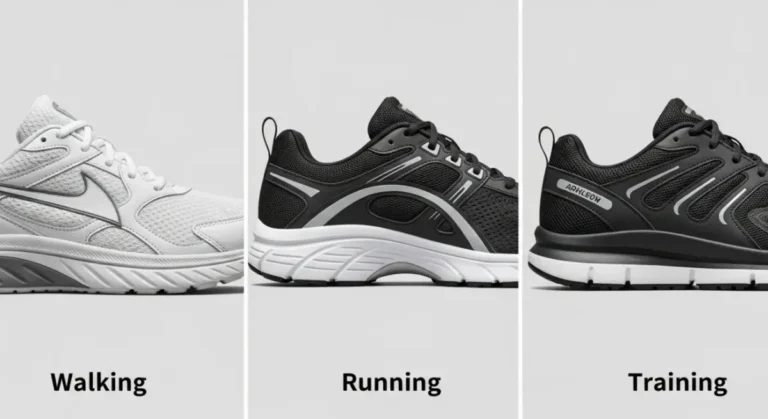
Relying on modified athletic shoes can create a false sense of security. You can explore what running shoes are to understand their intended purpose, and why they differ significantly from safety boots.
Are steel toe or composite toe shoes better?
Neither is definitively "better"; it depends on your specific needs. Steel toes offer robust protection and are often more affordable but can be heavier and conduct heat, cold, and electricity. Composite toes are lighter, don't conduct electricity or temperature extremes as readily, and are beneficial in environments with metal detectors.
Both meet ASTM F2413 safety requirements for toe protection. Your workplace's hazard assessment should guide this choice.
How do I clean and maintain my safety shoes?
Start by removing loose dirt and mud with a brush. For most materials, a damp cloth with mild soap and water is effective for cleaning the upper and soles. Allow them to air dry naturally, away from direct heat sources, which can damage the materials.
For leather, use a leather conditioner periodically to keep it supple. Check laces and eyelets for wear, and ensure the soles remain free of embedded debris to maintain traction. Proper cleaning and maintenance can significantly extend the life and protective capabilities of your safety footwear.
Making the Right Choice: Your Safety Footwear Decision Guide
Choosing the correct safety shoes is a crucial decision that directly impacts your health and safety on the job. It’s not a one-size-fits-all situation, and taking the time to understand your needs is far more effective than guessing. By focusing on the specific risks you face and the protective features that address them, you can confidently select footwear that offers reliable defense.
Start by identifying the primary hazards in your work environment. Are you most concerned about falling objects, sharp debris underfoot, electrical currents, or slippery surfaces? This assessment will guide you towards the necessary protective features, whether it's a steel or composite toe cap, a puncture-resistant sole, or EH or SD ratings.
Always ensure any footwear you consider meets recognized safety standards like ASTM F2413, as indicated by clear markings on the shoe or its packaging.
Remember that comfort and fit are also paramount. A shoe that fits poorly, no matter how protective it is, can lead to discomfort, fatigue, and secondary injuries like blisters or sprains. It can also affect your gait and balance.
So, while prioritizing protection, also pay attention to how the shoes feel on your feet during normal movement. Proper fit, combined with the right protective features and adherence to maintenance guidelines, ensures your safety shoes are an effective part of your personal protective equipment strategy.