What Are Running Shoes?
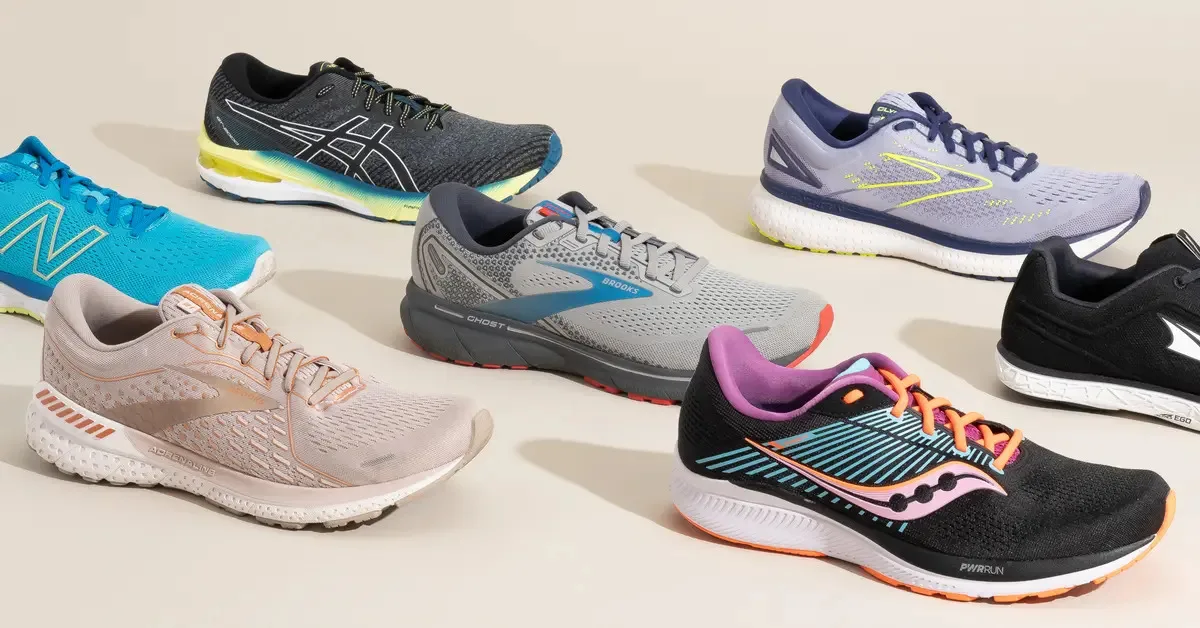
Image source: Bing (Web (fair-use with source credit))
Ever wondered why runners are so particular about their shoes? It's not just a fashion choice; running shoes are specialized footwear designed to support your body through the repetitive impact of running. They're engineered with specific cushioning, support, and flexibility features to enhance comfort and help prevent injuries.
Understanding what makes a running shoe different is key to choosing the right pair for your needs. Different designs cater to various running surfaces and individual biomechanics. For instance, manufacturer specifications often detail midsole densities, which can range from soft EVA foam to more responsive TPU compounds, impacting how a shoe feels and performs over miles.
Quick Answer
Running shoes are specialized athletic footwear designed to provide cushioning, support, and stability for the repetitive impact of running. They feature specialized midsoles for shock absorption, uppers for breathability, and outsoles for traction, unlike casual sneakers. Their construction aims to enhance comfort, improve performance, and help prevent common running-related injuries.
The Core Difference: Why They Aren't Just Sneakers
Running shoes stand apart from everyday sneakers due to their fundamental design purpose. Casual shoes prioritize style and general comfort for walking or standing. Running shoes, however, are built to withstand the significantly higher forces and repetitive stress that running places on your feet and legs.
This means they incorporate technologies and materials specifically chosen to manage impact and promote a more efficient gait.
Cushioning: Your Foot's Shock Absorber
The primary role of cushioning in running shoes is to absorb the shock generated when your foot strikes the ground. This impact can be many times your body weight with each stride. The midsole, the thick layer between the outsole and the upper part of the shoe, is where most of this cushioning resides.
Materials like ethylene-vinyl acetate (EVA) and polyurethane (PU) are common, offering varying degrees of softness, responsiveness, and durability.
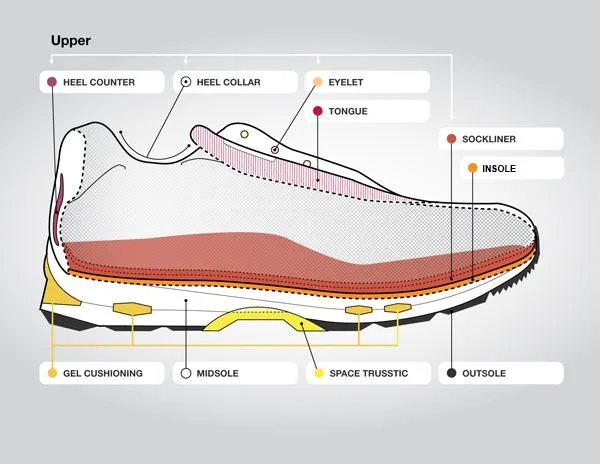
Image source: Bing (Web (fair-use with source credit))
For example, research indicates that EVA foams typically provide a lighter feel and softer cushioning, while PU foams tend to be more durable and responsive but heavier. The amount and type of cushioning directly influence the shoe's feel and its effectiveness in reducing fatigue and stress on your joints over longer distances.
Support: Guiding Your Stride
Support features in running shoes are designed to control the foot's motion, particularly during the pronation phase of your stride. Pronation is the natural inward rolling of your foot as it lands. While some pronation is normal, excessive pronation (overpronation) can lead to issues.
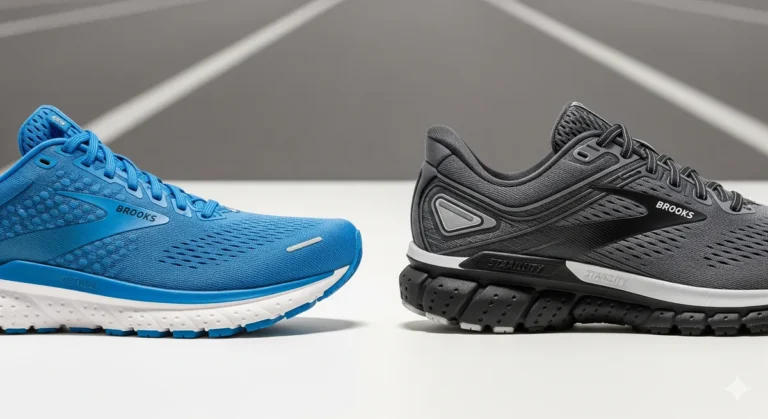
Stability running shoes incorporate elements like firmer foam on the medial (inner) side of the midsole, sometimes called a medial post, to gently guide the foot and reduce excessive inward rolling.
Neutral running shoes, on the other hand, are for runners with a neutral gait or supination (outward rolling foot). They offer cushioning and flexibility without specific pronation control mechanisms. Manufacturer specifications often detail the shoe's "support type" as neutral, stability, or motion control, helping runners identify what best suits their biomechanics.
Flexibility: For a Better Feel
While providing support and cushioning, running shoes also need to be flexible enough to move naturally with your foot. This flexibility is crucial for an efficient toe-off, the final phase of your stride where you push off the ground. The degree of flexibility often varies between road and trail shoes; road shoes tend to be more flexible overall, accommodating consistent surfaces.
Flex grooves, molded into the outsole and midsole, allow the shoe to bend more easily in key areas. The placement and depth of these grooves are carefully considered by designers to match the natural flexion points of the human foot. This ensures the shoe doesn't feel stiff or restrictive, allowing for a smoother, more comfortable running experience.
Breathability: Keeping Your Feet Cool and Dry
Your feet generate a significant amount of heat and moisture during a run. Running shoes are constructed with uppers made from highly breathable materials, most commonly engineered mesh. This mesh allows air to circulate freely around your foot, helping to dissipate heat and wick away sweat.
The specific weave and material of the mesh can impact the level of breathability and durability. Some shoes might feature larger perforations for maximum airflow, while others might use a tighter weave for enhanced durability and protection against debris, especially in trail running shoes. Keeping your feet cool and dry is essential for preventing blisters and maintaining comfort on longer runs.
Key Types of Running Shoes: Finding Your Match
The world of running shoes isn't one-size-fits-all. Different types of running, surfaces, and individual foot mechanics call for specific shoe designs. Understanding these categories is your first step to finding a shoe that truly complements your running.
Think of it as selecting the right tool for the job; the wrong shoe can hinder your progress and even lead to discomfort.
Road Running Shoes: Pavement Pounders
Road running shoes are your go-to for running on hard, relatively smooth surfaces like asphalt roads, sidewalks, and treadmills. They are typically designed to be lightweight and flexible, with ample cushioning to absorb the constant impact from these unforgiving surfaces. Manufacturer specifications will typically label these clearly, often highlighting their suitability for "road" or "pavement."
These shoes generally have flatter, smoother outsoles designed for consistent traction on pavement. They prioritize shock absorption and a responsive feel to make miles on concrete or asphalt more comfortable. As of 2026, many road shoes feature advanced midsole foams like Pebax or nitrogen-infused compounds, offering a blend of energy return and plush cushioning.
Trail Running Shoes: For Off-Road Adventures
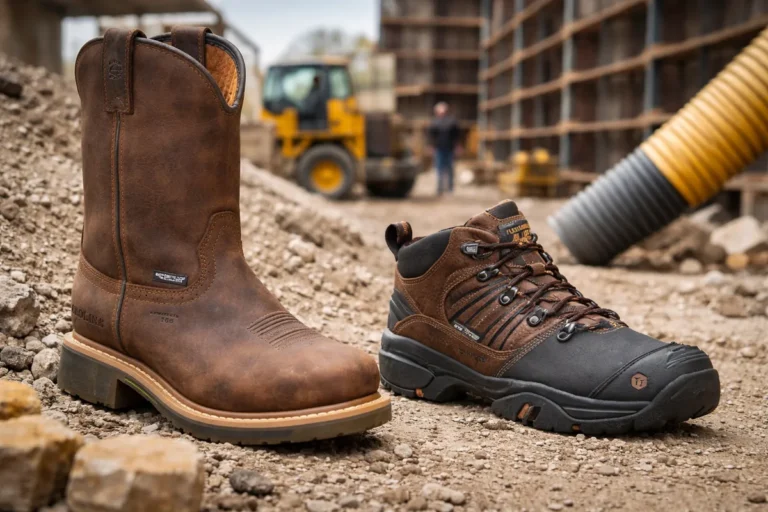
If your running routes take you off the beaten path, onto dirt trails, gravel paths, or rocky terrain, trail running shoes are a must. They are built with durability and protection as primary concerns. This means tougher uppers, often reinforced to guard against scuffs and abrasions from roots and rocks.
Their outsoles feature aggressive lug patterns (deep, protruding treads) to provide superior grip on loose or uneven surfaces. Many trail shoes also incorporate a rock plate, a rigid layer embedded in the midsole, to protect your feet from sharp objects underfoot. While they still offer cushioning, it might be firmer to provide better ground feel and stability on challenging terrain.
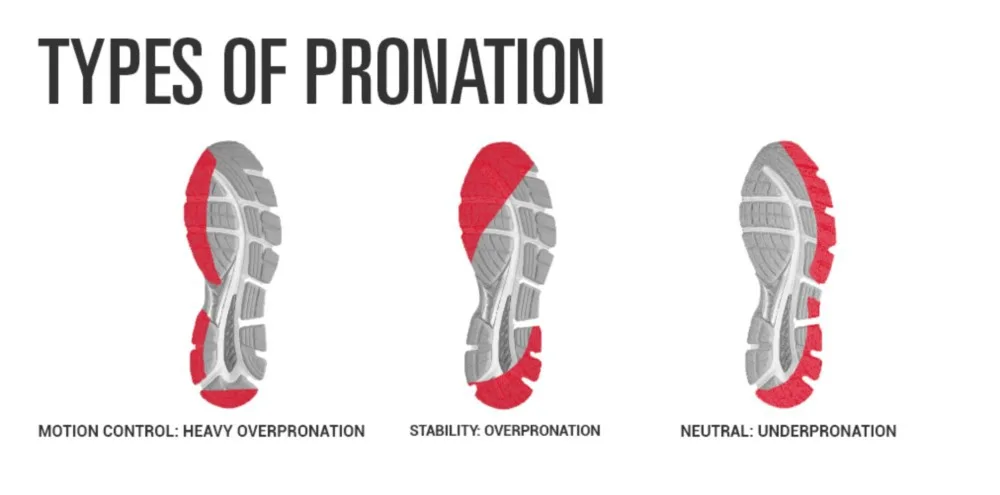
Image source: Bing (Web (fair-use with source credit))
Stability vs. Neutral Shoes: Understanding Your Gait
The distinction between stability and neutral running shoes is crucial for many runners. It directly relates to how your foot moves when you run. A neutral shoe is designed for runners with a fairly normal foot strike and no significant overpronation or supination.
They offer cushioning and support but don't actively try to correct your foot's natural motion.
Stability shoes, conversely, are engineered for runners who tend to overpronate, meaning their foot rolls inward excessively after landing. These shoes incorporate supportive elements, such as denser foam on the inside edge of the midsole, to help guide the foot into a more neutral position. Understanding your gait, often through a professional analysis, is key to choosing between these two categories.
A neutral gait typically shows even wear on the outsole, often centered on the heel and ball of the foot. Overpronators might see more wear on the inner edge of the heel and under the big toe. Supinators, who tend to roll outward, often show excessive wear on the outer edge of the shoe.
The choice between stability and neutral footwear directly impacts comfort and can help mitigate potential injuries related to gait mechanics.
Who Needs What? Use Cases and Who They're For
The decision on which running shoe is "right" for you really boils down to how, where, and why you run. It’s not about picking the most expensive or the flashiest; it’s about matching the shoe’s design to your specific needs and activities. Think of it like selecting a tool: a hammer is great for nails, but you wouldn’t use it to saw wood.
Similarly, a trail shoe won't perform optimally on a road, and vice versa.
Runners & Their Unique Needs
At its core, running puts a unique kind of stress on your body. Your feet and legs absorb repeated impact, requiring footwear that can handle this efficiently. This is why the design features we've discussed, cushioning, support, flexibility, and breathability, are so critical.
For someone running their first 5K on pavement, a well-cushioned road shoe is likely ideal.
However, if you're an ultramarathoner tackling rugged mountain trails, you'll need a shoe with aggressive traction, rock protection, and a more durable build. Even within the same distance, like a marathon, a runner who overpronates will benefit from a stability shoe, while a neutral runner will thrive in a neutral model. Recognizing these individual needs is paramount.
Matching Shoes to Your Running Style
Consider the surface you'll be running on most often. If you stick to city streets and paved paths, road running shoes are your best bet. Their lighter weight and focus on shock absorption make them perfect for hard, consistent surfaces.
Manufacturer specifications will typically label these clearly, often highlighting their suitability for "road" or "pavement."
If your runs take you into the woods or over uneven terrain, trail running shoes are non-negotiable. Their specialized outsoles grip dirt and rocks, and reinforced uppers protect your feet. For example, a trail shoe might feature lugs that are 3-5mm deep for enhanced traction on mud or loose gravel, whereas a road shoe's outsole pattern is designed for smooth contact and wear resistance on asphalt.
Common Running Shoe Mistakes to Avoid
Even with the best intentions, runners sometimes make missteps when it comes to their footwear. These mistakes can range from simply choosing the wrong shoe for the job to neglecting basic maintenance, all of which can impact comfort, performance, and even lead to injury. Being aware of these common pitfalls can help you avoid them.
Wearing the Wrong Type for Your Run
One of the most frequent errors is using a shoe designed for one type of running on a completely different surface. For example, taking your well-cushioned road shoes onto a technical trail can lead to a lack of grip, potential slips, and inadequate protection from rocks and roots. Conversely, running in stiff, heavily lugged trail shoes on a treadmill offers no added benefit and can feel clunky and inefficient.
Aggregate reviews from running communities often highlight this. Many runners report discomfort or reduced performance when they don't match their footwear to their primary running environment. Always consider if you're primarily a road runner, a trail runner, or if you split your time, and select shoes accordingly.
Ignoring Shoe Wear and Tear
Running shoes have a finite lifespan, and continuing to run in a pair that's past its prime is a recipe for trouble. The cushioning and support materials degrade over time, even if the shoe looks okay on the outside. Manufacturer guidelines and aggregate user feedback suggest that most running shoes should be replaced after 300 to 500 miles of use.
Ignoring this can lead to a loss of shock absorption, increasing the stress on your joints and muscles. You might start noticing aches and pains that weren't there before. Check for signs of wear like flattened cushioning, worn-down tread patterns, or creasing in the midsole.
As of 2026, some brands are exploring more sustainable materials, but the fundamental wear-and-tear principles remain the same.
Benefits: Why Invest in the Right Pair
Choosing the right running shoes isn't just about comfort; it's a proactive step toward a healthier and more enjoyable running experience. The specific design elements of running shoes translate into tangible advantages that can make a significant difference in your long-term running journey. They are an essential piece of gear, not an optional accessory.
Injury Prevention: Protecting Your Body
This is arguably the most significant benefit. Running inherently involves repetitive impact. Without adequate cushioning and support, this impact can transfer up your legs, potentially leading to common running injuries such as shin splints, runner's knee, plantar fasciitis, and stress fractures.
Proper running shoes are designed to absorb a substantial portion of this shock.
Stability features, as discussed, help to correct or mitigate overpronation, a biomechanical issue linked to many overuse injuries. By providing a stable platform and guiding your foot through a more efficient motion, the right shoes reduce undue stress on your muscles, tendons, and ligaments. Per biomechanical research studies, appropriate footwear can significantly alter the forces acting on the lower extremities during gait.
Enhancing Comfort and Performance
When your feet are comfortable and well-supported, your entire running experience improves. Good cushioning reduces fatigue, allowing you to run for longer or at a more consistent pace. The breathability keeps your feet cooler and drier, preventing blisters and discomfort.
A shoe that feels good on your feet naturally encourages you to run more.
Beyond comfort, the right shoes can subtly enhance your performance. A shoe with good energy return, for example, can feel more responsive, giving you a slight spring in your step. Flexibility allows for a natural and efficient toe-off, meaning less wasted energy with each stride.
When your shoes work with your body, rather than against it, you're more likely to achieve your running goals, whether that's finishing a race or simply enjoying your daily miles.
Running Shoe FAQs
### What's the main difference between running shoes and trainers?
Running shoes are specifically designed for the forward, high-impact motion of running, focusing on shock absorption, support, and a smooth stride. "Trainers" (or cross-trainers) are typically more versatile, built for lateral stability and a wider range of movements common in gym workouts, but often lack the specialized cushioning and support needed for dedicated running.
### How often should I replace my running shoes?
Most manufacturers and running experts recommend replacing running shoes every 300 to 500 miles. This range can vary based on your weight, running surface, gait, and the specific shoe's construction. It's essential to monitor for signs of wear like flattened cushioning and worn-out tread, regardless of mileage.
### Can I wear my running shoes for other sports?
While you can, it’s generally not recommended for optimal performance and injury prevention. Running shoes are built for forward motion and impact absorption. Other sports like tennis or basketball require lateral stability and different types of support, for which specialized shoes are better suited.
Using running shoes for these activities can stress them in ways they weren't designed for.
### How do I know if I overpronate?
Overpronation means your foot rolls inward excessively after landing. Signs include more wear on the inner edge of your shoe's sole, especially near the big toe, and sometimes a feeling of instability or pain in your ankles, shins, or knees. A gait analysis at a specialty running store can accurately determine if you overpronate.
### Do I need different shoes for running on pavement versus trails?
Yes, it's highly recommended. Road running shoes are designed for smooth, hard surfaces with ample cushioning for shock absorption. Trail running shoes have aggressive outsoles for traction on uneven terrain, reinforced uppers for protection, and often a rock plate to prevent sharp objects from causing injury.
Using the wrong shoe can lead to reduced grip, discomfort, or even injury.



One Comment