Why Do Running Shoes Have Thick Soles?
You've probably noticed that many running shoes boast seriously thick soles, sometimes looking more like platforms than footwear. That substantial sole isn't just a fashion statement; it's a carefully engineered component designed to improve your running experience. Understanding its purpose can help you choose the right shoe for your needs.
These thick soles are packed with advanced cushioning materials to absorb impact and provide comfort. Manufacturer specifications often detail the types of foam used, like ethylene vinyl acetate (EVA) or polyurethane (PU), which are selected for their specific shock-absorbing and energy-returning properties. As of 2026, running shoe technology continues to evolve, prioritizing runner comfort and performance through sole design.
Quick Answer
Why do running shoes have thick soles? They primarily provide cushioning and shock absorption to protect your joints from impact. This thickness also aids in energy return, improving running efficiency and comfort over distance.
Why Those Thick Running Soles Are a Big Deal
The substantial thickness you see in the soles of many running shoes is a deliberate design choice, driven by the physical demands of the sport. When your foot strikes the ground, your body weight is amplified, creating forces that can stress your joints. The sole's thickness is the primary mechanism to mitigate these forces.
It acts as a buffer, reducing the jarring impact that travels up your legs with every stride. This protective function is paramount for runner well-being and performance.
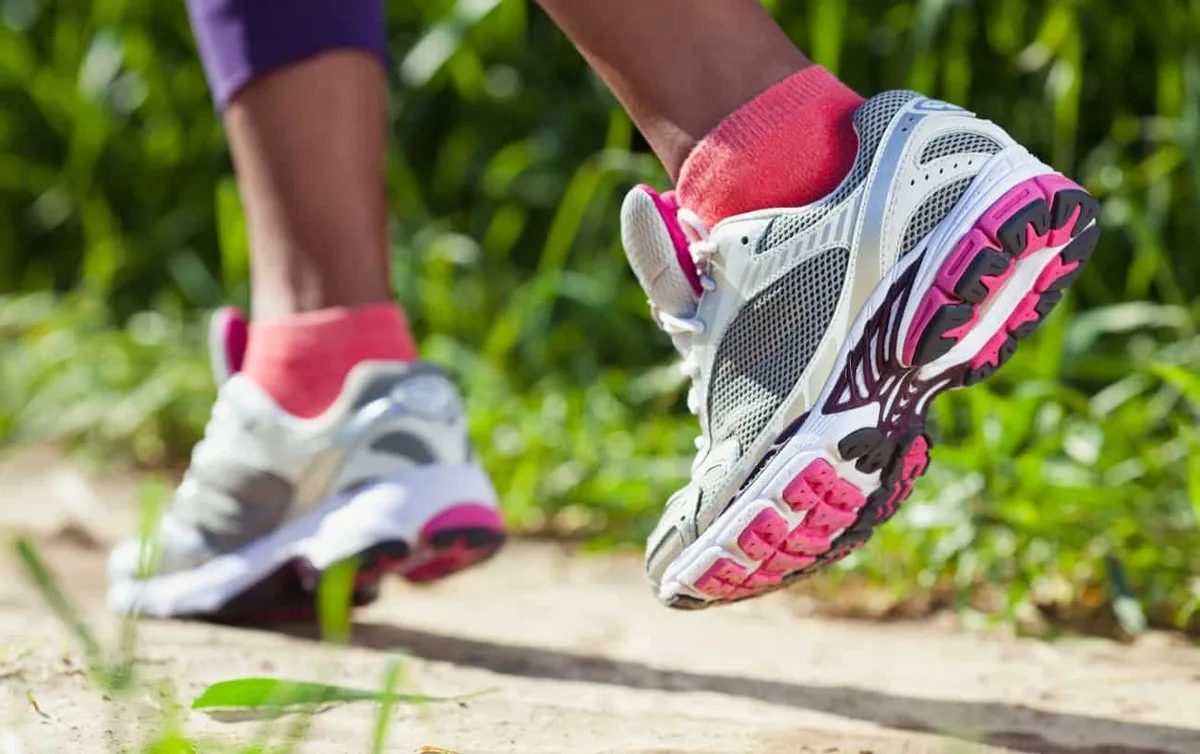
Image source: Bing (Web (fair-use with source credit))
Cushioning, Support, and Shock Absorption Explained
At its core, a thick sole's main job is to be a high-performance shock absorber. Think of it like the suspension system in a car, but designed for your feet. This is crucial because running, especially on hard surfaces like pavement, generates significant impact forces.
- Impact Absorption: The primary role of thick soles is to soak up this landing impact. This helps protect your joints, your ankles, knees, and even your hips, from excessive stress. By lessening the jarring effect, it can help prevent those common running injuries and discomforts.
- Comfort: Beyond just protection, that ample cushioning simply makes the act of running more comfortable. It creates a softer landing experience, making longer runs feel more manageable and enjoyable.
- Energy Return: Many modern thick soles go beyond just absorbing shock; they're designed to give a bit of energy back to you with each step. This characteristic, often called "responsiveness," means the foam compresses and then springs back, providing a subtle forward propulsion. This can help improve running efficiency, especially over longer distances.
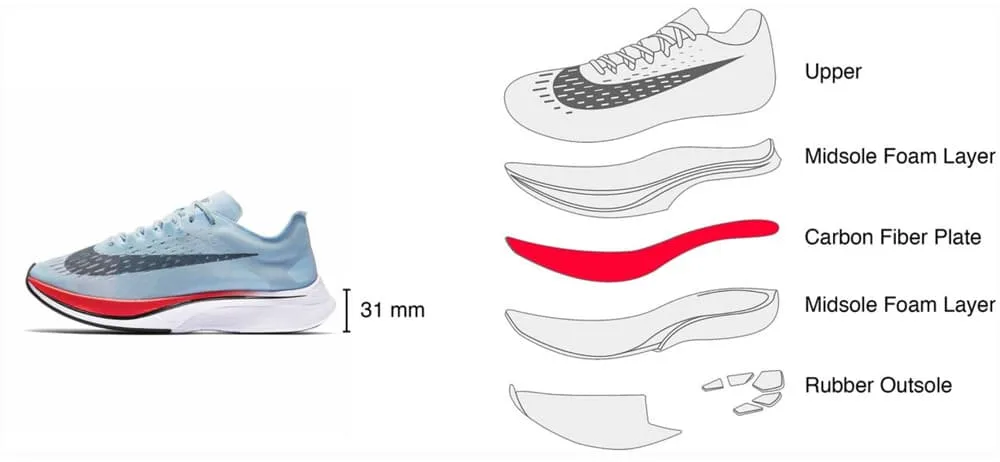
Image source: Bing (Web (fair-use with source credit))
What Makes Up a Thick Running Shoe Sole?
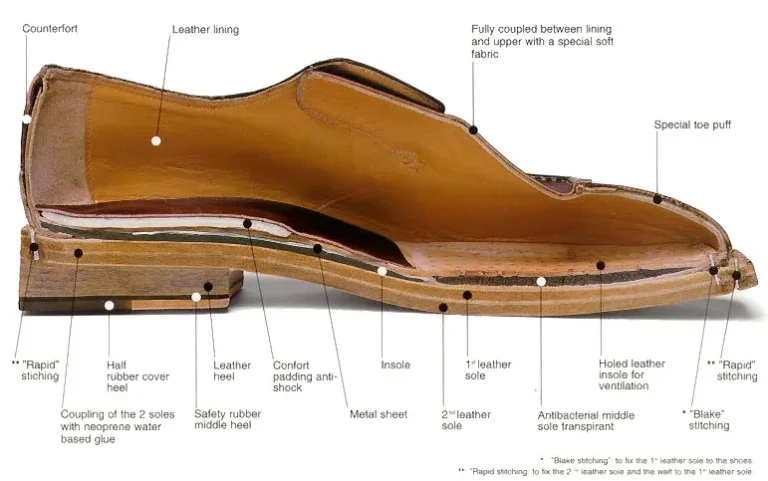
The impressive thickness of running shoe soles isn't usually from a single block of material. Instead, it’s typically a carefully constructed composite of different materials and designs working together. The goal is to balance cushioning, durability, weight, and responsiveness.
- Foam is Fundamental: The bulk of the sole's thickness comes from various types of foam. Common ones include EVA (ethylene vinyl acetate) for its lightweight cushioning, and PU (polyurethane) for greater durability and firmness. Many brands also develop proprietary foam blends, boasting specific characteristics like superior energy return or exceptional softness. The specific formulation and density of these foams are key to their performance.
- Layered Construction: Often, different foam densities and types are layered. A softer foam might be placed directly under your foot for immediate comfort, while a firmer foam might be nearer the ground for stability and durability.
- Geometric Design: The shape and contours of the sole also matter. Deep grooves, sculpted heel counters, and specific curvatures are engineered to control how the sole flexes and compresses, influencing gait and ground feel.
The Upside: What Thick Soles Do Great
The benefits of thick, well-designed soles are pretty significant for many runners, directly addressing common issues and enhancing the overall running experience.
- Reduced Joint Stress: This is the big one. By effectively absorbing impact, thick soles significantly lower the load on your ankles, knees, and hips. This is particularly beneficial for runners who log high mileage, run on hard surfaces, or have a history of joint issues. Less stress means less wear and tear.
- Enhanced Comfort Over Distance: The superior cushioning provided by thicker soles makes long runs much more forgiving. It reduces fatigue by making each stride feel less taxing, allowing runners to maintain their pace and form for longer periods.
- Improved Stability: While not their primary function, some thicker soles are engineered with wider bases and stabilizing elements. This can offer a more secure and stable platform, especially for runners whose feet tend to roll inward (overpronation).
- Potential for Increased Speed: Counter-intuitively, some thicker, more responsive soles can aid speed. The energy return mentioned earlier means less of your effort is lost on impact, translating to a more efficient stride. This is why many modern racing shoes, despite being relatively thick, are built for speed.
The Downside: When Thickness Isn't Always Best
While thick soles offer many advantages, they aren't the perfect solution for every runner or every situation. There are definite trade-offs to consider.
- Increased Weight: More material typically means more weight. A shoe with a very thick sole can feel heavier and potentially more cumbersome, which might not be ideal for runners focused on pure speed or those who prefer a lighter feel. This extra weight can contribute to fatigue over very long distances for some.
- Reduced Ground Feel: With thick layers of foam between your foot and the ground, you can lose some of that tactile feedback. This "disconnected" feeling can make it harder for some runners to feel their foot strike, adjust their gait naturally, or react quickly to uneven terrain.
- Potential for Less Flexibility: In some cases, extremely thick soles can be less flexible than thinner ones. This can sometimes interfere with the natural rolling motion of the foot during a stride, potentially altering biomechanics in a way that might be uncomfortable for certain individuals.
- Less Suitable for Minimalist Advocates: Runners who prefer a more natural, minimalist running style, focusing on form and a closer connection to the ground, may find thick-soled shoes to be restrictive or counterproductive to their training goals.
Who Benefits Most from Thicker Soles?
The advantages of thick soles point towards specific types of runners and running scenarios where they truly shine. Understanding who benefits most can help you decide if this shoe characteristic aligns with your needs.
- Road Runners: Pavement is hard. The repeated impact on concrete or asphalt can be tough on joints. Thick, cushioned soles act as a vital buffer, absorbing much of that harshness. This makes them ideal for daily training runs on unforgiving surfaces.
- High-Mileage Runners: If you rack up a lot of miles each week, the cumulative impact on your body adds up. The extra cushioning in thicker-soled shoes helps to reduce the long-term stress on your musculoskeletal system, aiding in recovery and injury prevention over time.
- Heavier Runners: Runners who carry more body weight experience greater impact forces with each stride. Thicker, more substantial soles can provide the necessary support and shock absorption to handle these higher loads more effectively and comfortably.
- Runners Recovering from or Preventing Injuries: For those with a history of joint pain, shin splints, or other impact-related injuries, the enhanced shock absorption of thick-soled shoes can be a game-changer. They provide a protective layer that might allow you to run pain-free.
- Beginner Runners: New runners are often still developing their running form and their bodies may not yet be accustomed to the impact. Thicker soles offer a more forgiving experience, making it easier to get started and build consistency without immediate discomfort.
Running Shoe Sole Myths to Ditch
There are a few common misunderstandings about thick running shoe soles that can lead people astray. Let's clear up some of these myths so you can make a more informed choice.
- Myth: Thicker Soles Automatically Mean More Comfort. While thickness often correlates with cushioning, it’s not always true. The type of foam, its density, and how it's engineered are just as important, if not more so. A thick sole made of very dense, stiff material might not feel comfortable at all. Conversely, some thinner shoes use advanced foams that provide surprisingly good cushioning.
- Myth: Thick Soles Are Only for Slow Joggers. This is a big misconception. As mentioned, many high-performance racing shoes now incorporate thicker, highly responsive foams designed to maximize energy return. The key is not just thickness, but the specific technology within that thickness.
- Myth: You Can't Get Injured in Thick-Soled Shoes. No shoe is a magic bullet for injury prevention. While they can significantly reduce impact, proper running form, adequate training progression, and listening to your body are still the most critical factors in staying injury-free. Over-reliance on cushioning can sometimes lead to neglecting form.
- Myth: All Thick Soles Feel the Same. Just like cars have different suspension settings, so do running shoes. Some thick soles offer a plush, marshmallow-like feel, while others provide a firmer, more responsive sensation. The perceived "feel" is highly subjective and depends on the specific materials and design.
Running Shoe Sole FAQs
How thick is a "thick" running shoe sole?
"Thick" is relative, but generally, running shoe soles with a heel stack height (the measurement from the bottom of the sole to the top where your foot sits) of 30mm or more are considered thick, with many modern shoes exceeding 40mm.
Can thick soles improve my running speed?
Yes, some thicker soles, particularly those using advanced, responsive foams, are designed for energy return. This can help propel you forward more efficiently, potentially improving your speed, especially over longer distances.
Do thick soles make shoes heavier?
Typically, yes. More material generally means more weight. However, advancements in foam technology are creating lighter, yet still thick, soles.
The trade-off between cushioning and weight is a key consideration in shoe design.
Are thick soles good for trail running?
Often, trail running shoes have thicker, more aggressive outsoles for grip and protection against rocks and roots. However, the midsole cushioning might be less extreme than road shoes, balancing protection with ground feel on varied terrain.
How often should I replace shoes with thick soles?
Most manufacturers recommend replacing running shoes every 300-500 miles (480-800 km). For shoes with thick soles, the cushioning foam can compress and lose its effectiveness over time, even if the outsole looks fine.
Can thick soles cause foot problems?
While they are designed to prevent problems, a shoe that is too thick or too soft for your biomechanics could potentially alter your gait or reduce proprioception (your sense of body position), which might contribute to issues if not the right fit.


One Comment