What Is Cushioning in Running Shoes?
Hey there! Ever wondered why some running shoes feel like clouds and others feel like you're running on pavement? It all comes down to the cushioning.
Understanding what cushioning in running shoes actually is can make a big difference in your comfort and performance on every run.
The midsole of a running shoe is packed with materials designed to absorb impact, offering protection and a responsive feel. For instance, many EVA foams are engineered to meet specific shock-absorption standards, typically tested per ASTM F1614-19 for footwear impact. Let’s break down what makes those midsoles tick.
Quick Answer
Cushioning in running shoes is the material in the midsole that absorbs shock. It protects your joints from impact, adds comfort, and can offer a responsive feel. Different foams like EVA and TPU provide varying levels of softness and bounce.
Why Cushioning Matters on Your Run
Every time your foot hits the ground, there's an impact force. Without adequate cushioning, this force travels up your legs, potentially straining your joints and muscles. The cushioning in a running shoe acts like a shock absorber, reducing this impact and making your run more comfortable, especially over longer distances or on hard surfaces like asphalt.
Beyond just comfort, research indicates that varying levels of cushioning can influence running biomechanics and reduce the perceived exertion on your body. The goal is to strike a balance between protection and a responsive feel that doesn't feel mushy or slow you down. It’s a critical component that directly affects how your body feels during and after a run.
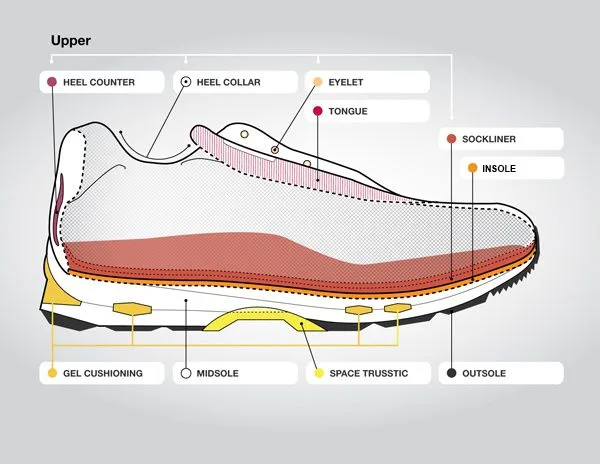
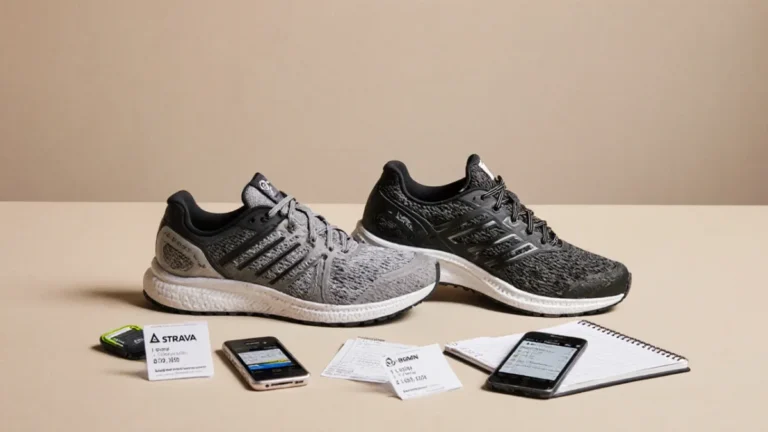
Image source: Bing (Web (fair-use with source credit))
The Materials Behind the Cushioning
The magic of cushioning happens in the midsole, the thick layer between the shoe's upper and its outsole. This is where manufacturers use various foam compounds, each with its own characteristics. These materials are engineered to compress and rebound, managing the forces generated with each stride.
As of 2026, innovation in foam technology continues to offer runners more options for feel and performance.
EVA: The Everyday Workhorse
EVA (Ethylene-vinyl acetate) is probably the most common cushioning material you'll find. It's a closed-cell foam known for being lightweight and having good shock-absorbing properties. EVA can be formulated in many ways, leading to variations in firmness and responsiveness.
It's a reliable and often cost-effective material that forms the basis of many popular running shoes.
Think of EVA as the dependable, go-to option. It offers a generally soft feel that most runners find comfortable for daily training. While it's generally durable, some formulations can compress over time, losing some of their protective qualities with high mileage.
TPU: The Responsive Runner
TPU (Thermoplastic polyurethane) is a more advanced material that many brands are now using, often in combination with or as an alternative to EVA. TPU is known for its durability and its ability to provide a more energetic, responsive ride. It tends to be less prone to compression than standard EVA, meaning it can maintain its cushioning and responsiveness for a longer period and a higher number of miles.
Shoes with significant TPU cushioning often feel a bit firmer underfoot than those with soft EVA, but they offer a distinct "pop" or bounce. This makes them a popular choice for runners looking for a shoe that feels fast and propels them forward, whether for racing or faster training runs.
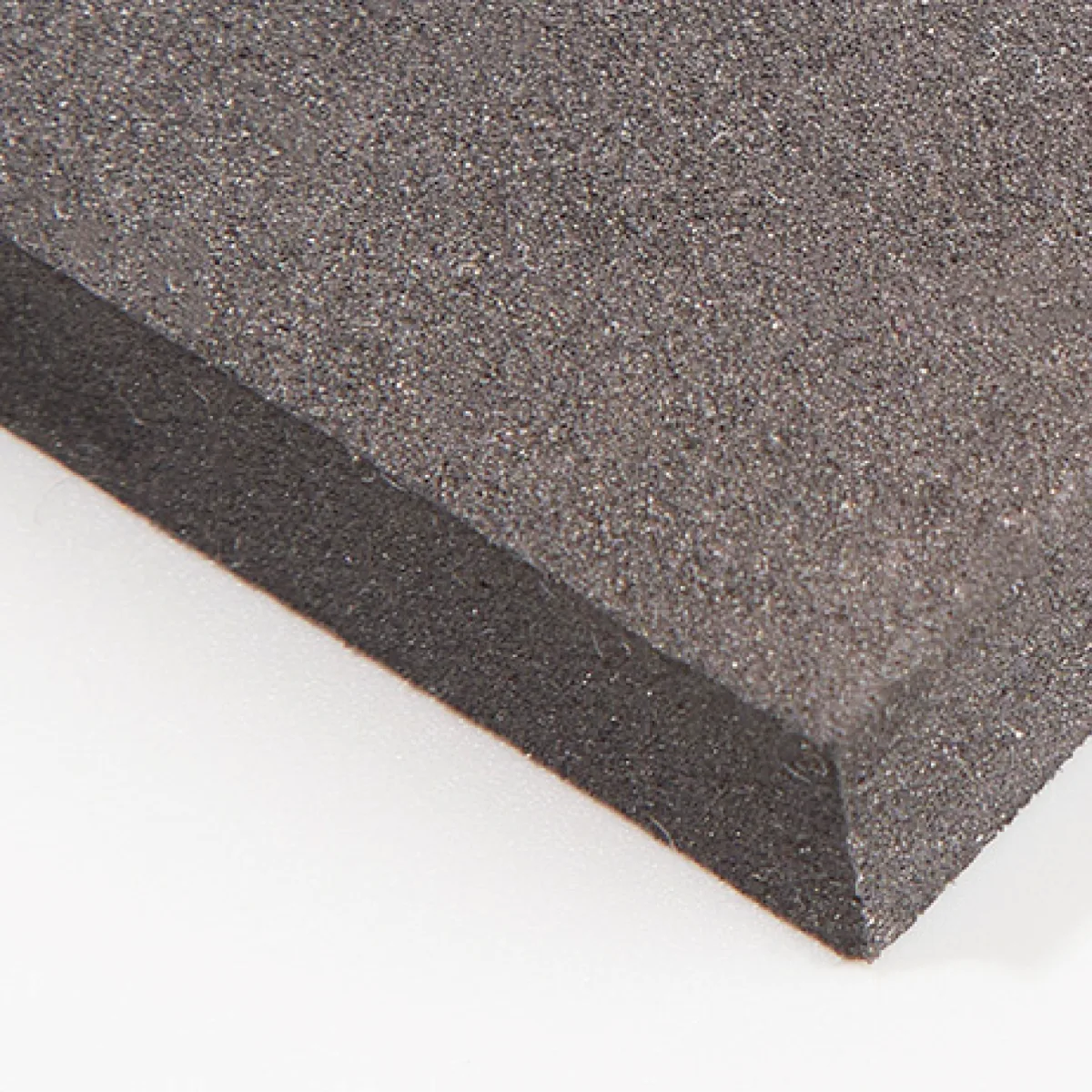
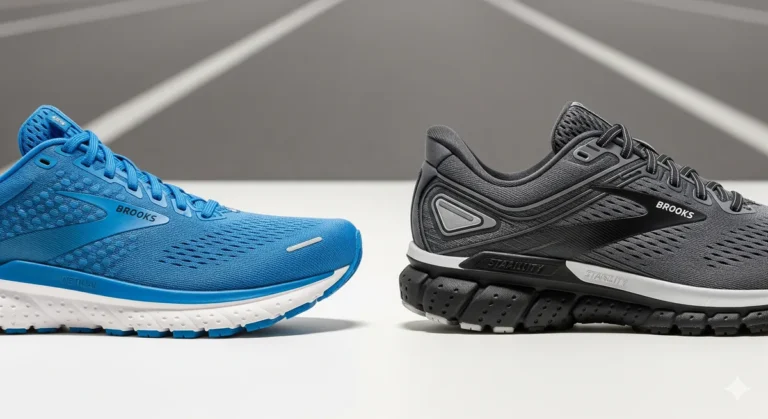
Image source: Bing (Web (fair-use with source credit))
Proprietary Foams: The Brand Innovations
Beyond standard EVA and TPU, many running shoe companies have developed their own unique foam compounds. These are often marketed with distinctive brand names and are designed to offer a specific blend of softness, energy return, and durability that differentiates their products. They can range from incredibly soft and plush to firm and highly responsive, often representing the pinnacle of a brand's cushioning technology.
These proprietary foams are where a lot of the innovation happens. Brands invest heavily in research and development to create foams that offer a superior feel, better performance metrics, or unique properties like being exceptionally lightweight yet highly protective. They are usually found in higher-end models.
Finding Your Perfect Cushioning Level
Choosing the right amount of cushioning is a highly personal decision that depends on several factors about you and how you run. It's not about picking the "most" or the "least" cushioning; it's about finding what works best for your body, your goals, and your running experience. The goal is to find a sweet spot that supports your stride without hindering it.
The level of cushioning you need can also change based on the type of running you do. For instance, longer, slower runs might benefit from more plush cushioning for comfort, while speedier workouts might call for a firmer, more responsive feel to facilitate quicker transitions. Understanding these nuances is key to making an informed choice.
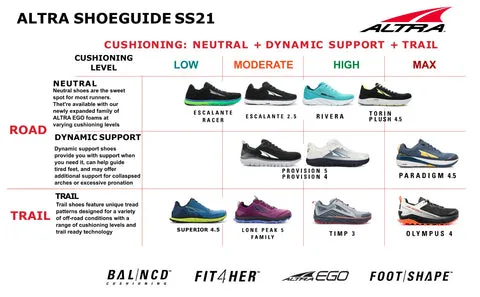
Image source: Bing (Web (fair-use with source credit))
How Much Cushioning Do You Need?
The amount of cushioning that’s right for you really boils down to a few key things: your body weight, your typical running surfaces, and your personal preference. Heavier runners often benefit from more substantial cushioning to manage impact forces effectively. If you primarily run on hard surfaces like concrete or asphalt, more cushioning can be beneficial for shock absorption.
However, many runners also prefer a more connected feel to the ground, which often means less cushioning. This is where personal preference truly takes over. Some runners find that too much cushioning makes a shoe feel unstable or less responsive, so it’s a delicate balance.
Cushioning for Different Running Styles and Needs
Your running style and the types of runs you do significantly influence the ideal cushioning. For example, someone who is a forefoot striker might experience less impact force than a heavy heel striker, potentially needing less cushioning. However, this isn't a hard-and-fast rule, as many forefoot strikers still value the comfort and protection that good cushioning provides.
- Recovery Runs: These slower, easier runs often benefit from maximum cushioning. The goal is comfort and minimizing stress on the body, making plush, soft midsoles ideal.
- Daily Trainers: This is where most runners spend the bulk of their mileage. A moderate amount of cushioning offers a good balance of comfort and responsiveness for everyday efforts.
- Speed Work/Tempo Runs: For faster paces, runners often prefer shoes with less cushioning and a firmer, more responsive feel. This allows for quicker ground contact and a more efficient energy return.
- Long Races (Marathons, Ultras): Here, a combination of ample cushioning for comfort over many miles and enough responsiveness to maintain pace is crucial.
Trying on Shoes: Your Best Guide to Cushioning
While all this talk about materials and levels is helpful, the absolute best way to understand cushioning is to try shoes on. What feels good to one runner might feel completely wrong to another. Your body is unique, and so are your biomechanics.
Pay attention to how the shoe feels underfoot during a few steps, a short jog in place, or if the store allows, a brief run on a treadmill.
During your try-on, focus on a few key sensations. Does the shoe feel overly firm, causing any immediate pressure points? Or is it so soft that you feel like you’re sinking into it, potentially leading to instability?
Look for that sweet spot where the cushioning feels protective without feeling mushy, and where you feel a slight energy return rather than a dead stop with each step.
Common Cushioning Misconceptions to Avoid
A common myth is that more cushioning always equals better shock absorption and protection. While cushioning is crucial for this, excessively soft shoes can sometimes lead to instability, especially for runners who tend to overpronate or have weaker stabilizing muscles. Too much softness can cause your foot to sink, requiring more effort from your muscles to keep your stride steady.
Another misconception is that cushioning wear is solely based on time. In reality, it's mileage that degrades cushioning the most. A shoe might look perfectly fine on the outside, but the internal midsole foams can lose their spring and shock-absorbing properties after roughly 300-500 miles, regardless of how old they are.
How to Evaluate Cushioning Feel
When you're evaluating cushioning, think about how the shoe responds to your foot. Is it a gentle absorption, or does it feel like a harsh impact? Does the cushioning return energy efficiently, or does it feel like it’s absorbing all your momentum?
Here’s what to consider:
- Softness: This is about initial plushness. A soft shoe feels comfortable right away, molding to your foot. However, very soft shoes can sometimes lack responsiveness.
- Firmness: This refers to how rigid the shoe feels underfoot. Firmer shoes often provide more stability and a quicker feel, but might lack comfort on longer runs.
- Responsiveness (or "Bounce"): This is the feeling that the shoe is giving some energy back to you with each step. It’s a springy sensation that can make your stride feel more efficient and energetic.
- Ground Feel: This is how connected you feel to the surface you're running on. Minimalist shoes offer high ground feel, while max-cushioned shoes offer very little.
What Happens When Cushioning Wears Out?
When the cushioning in your running shoes starts to wear out, you'll typically notice a few things. The most common sign is that the shoes just don't feel as comfortable or protective as they used to. You might start feeling more impact shock, leading to tired legs or even aches and pains in your feet, ankles, knees, or hips.
You might also notice that the shoe loses its "spring." That responsive, energetic feeling is gone, and the shoes can feel a bit flat or dead underfoot. Visually, you might see creasing or compression lines in the midsole foam, but this isn't always a reliable indicator on its own. If your shoes are past their prime, it’s time to consider a new pair to keep yourself running comfortably and safely.
Frequently Asked Questions About Running Shoe Cushioning
How do I know if a shoe has enough cushioning for me?
You'll know if a shoe has enough cushioning if it feels comfortable for your planned run distance and doesn't cause any immediate discomfort or joint pain. It should feel protective but not overly soft or unstable.
Does cushioning affect shoe weight?
Yes, generally, more cushioning in a running shoe adds to its overall weight. This is because the midsole materials, especially denser foams, contribute significantly to the shoe's mass.
Can too much cushioning be bad?
For some runners, too much cushioning can lead to a loss of ground feel, reduced stability, and a less efficient stride. It can also sometimes mask underlying biomechanical issues.
How often should I replace my cushioned running shoes?
As a general guideline, running shoes should be replaced every 300-500 miles, as the cushioning and support materials begin to break down and lose their effectiveness over time.


4 Comments