Why Do Basketball Shoes Have High Tops?
You’ve seen them on the court: those iconic basketball shoes that climb up past your ankle. Ever wondered why some players swear by them while others stick to lower cuts? It turns out that high-top basketball shoes are designed with specific purposes in mind, focusing on player movement and protection.
The higher collar isn't just for looks; it serves a functional role in the demanding sport of basketball, where quick pivots and high impacts are the norm. Manufacturer specifications often highlight increased ankle support as a key attribute, a feature supported by aggregate player feedback and sports science research.
Quick Answer
High-top basketball shoes feature an extended ankle collar primarily to enhance ankle support and stability, helping to prevent common injuries like sprains. They aim to provide a secure fit that limits excessive foot and ankle rolling during aggressive on-court movements, such as sharp cuts and hard landings. While not universally required, this design offers a confidence boost for players seeking maximum protection.
Why Basketball Shoes Have High Tops: A Visual Breakdown
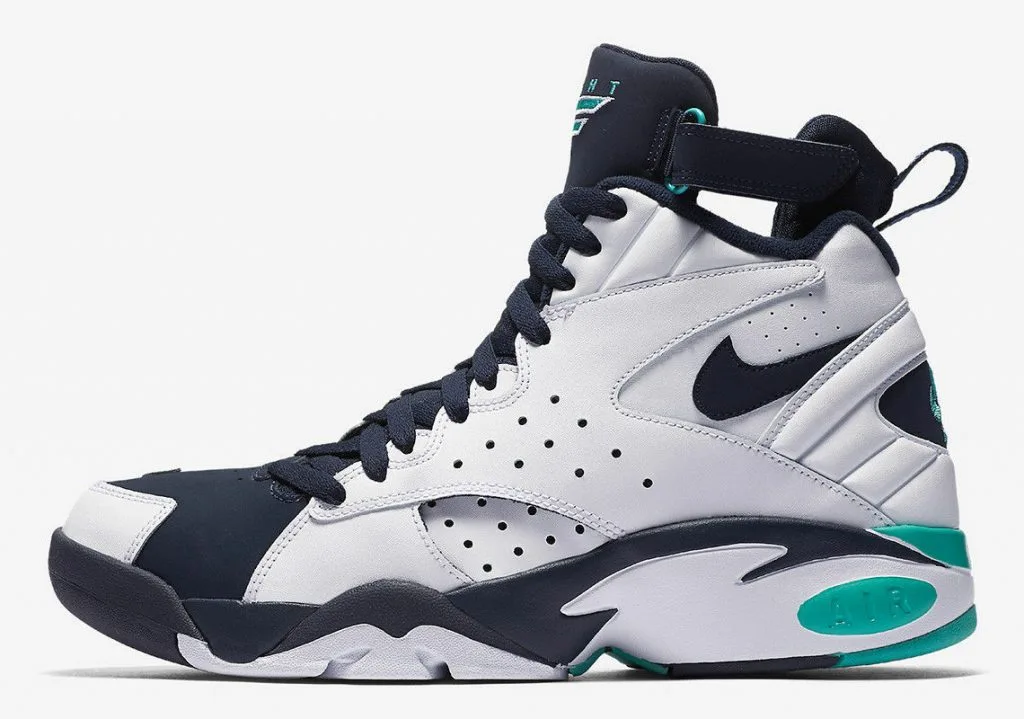
Image source: Bing (Web (fair-use with source credit))
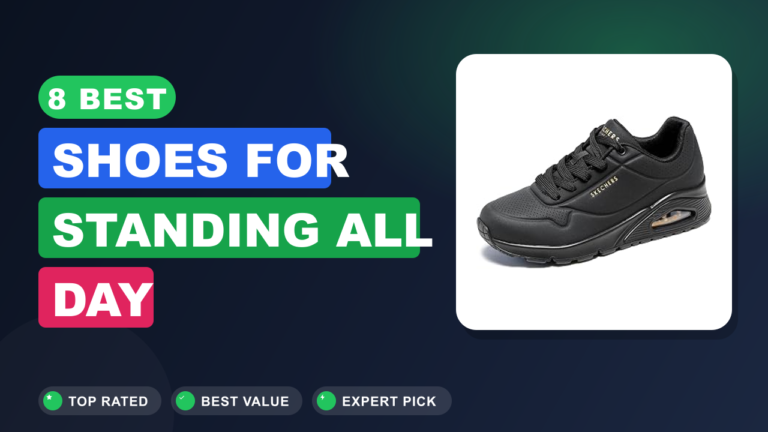
The most immediate visual difference in a high-top basketball shoe is, of course, its height. This extra material extending up the ankle isn't just a design choice; it’s a functional element aimed at enhancing performance and, more importantly, player safety. Understanding these visual cues helps you appreciate the engineering behind the footwear.
Visual analysis of these shoes shows how the collar is often padded and shaped to conform to the ankle. This design aims to create a snug fit around the malleolus (the ankle bone), providing a physical boundary that can influence how the ankle moves. It's a direct response to the dynamic, stop-and-go nature of basketball.
High Tops: What They Actually Do For Your Ankles
The core reason behind the high-top design in basketball shoes is to give your ankles a little extra security. When you're on the court, you're constantly cutting, jumping, and landing. This puts a lot of stress on your ankles, making them vulnerable to twists and rolls.
The Mechanics of Ankle Support
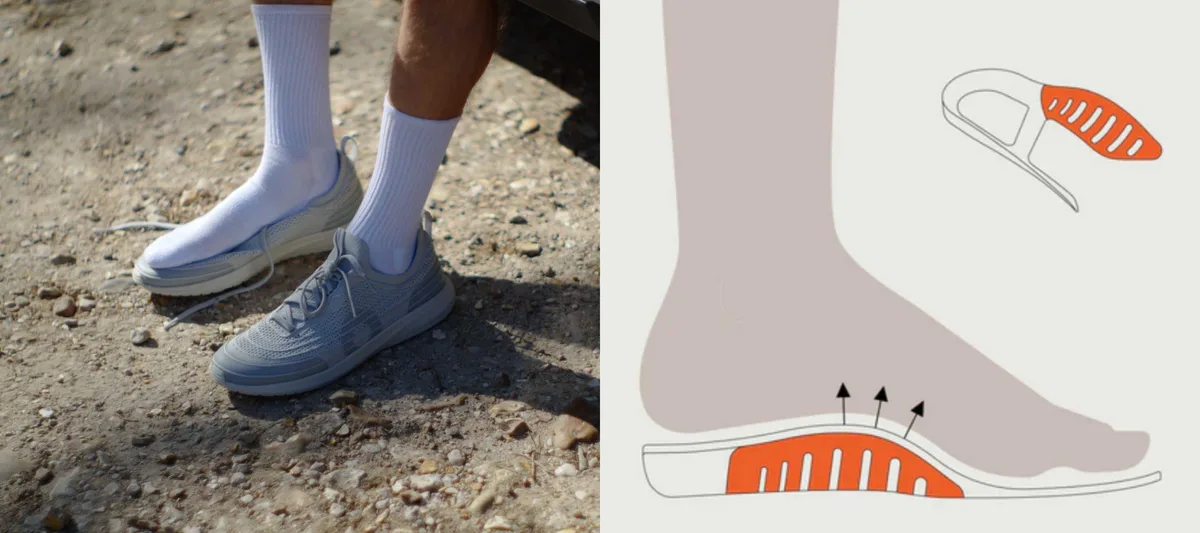
Image source: Bing (Web (fair-use with source credit))
High-top basketball shoes are engineered to offer enhanced ankle stability. The extended collar wraps around the ankle joint, providing a physical barrier that restricts excessive inversion (rolling outward) and eversion (rolling inward) of the foot. This helps to keep the ankle in a more neutral position during quick changes of direction and high-impact landings.
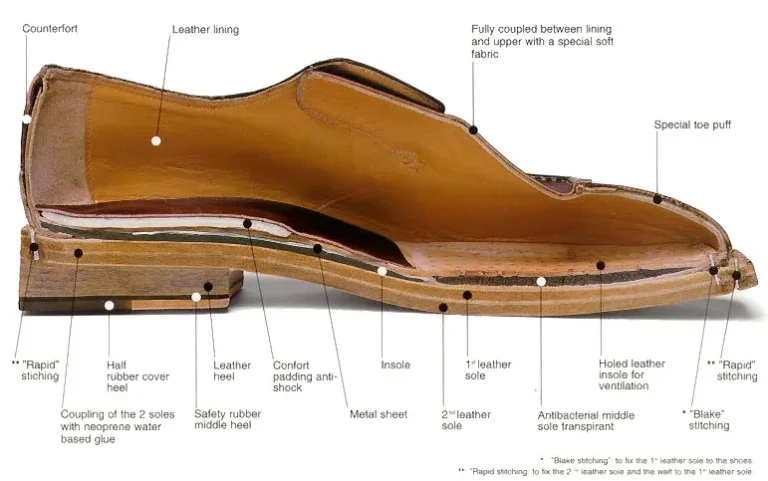
Manufacturer specifications often detail the materials and construction methods used to achieve this support. For instance, many high-tops incorporate stiffer materials or reinforced panels in the ankle collar, creating a more rigid structure compared to mid or low-top designs. This structural integrity is key to managing the forces exerted on the ankle during play.
While specialized running shoes might focus on different support mechanisms, such as those found in stability running shoes, the high-top basketball shoe’s primary support comes from its height and structure.
How High Tops Reduce Injury Risk
By limiting extreme ankle movements, high-top basketball shoes can significantly reduce the risk of ankle sprains. These are among the most common injuries in basketball, often occurring when the foot rolls unnaturally. The extra support from a high-top aims to prevent these injurious rolls by providing an external brace.
Research in sports biomechanics suggests that footwear can play a role in injury prevention by influencing the body's interaction with the playing surface. The increased proprioception, your body's awareness of its position in space, can also be indirectly aided by the feeling of security a high-top provides. This psychological boost can translate to more confident play.
Visualizing Key Features of High-Top Basketball Shoes
When you look at a high-top basketball shoe, several visual cues immediately tell you about its intended function. It’s not just the height; it’s how that height is achieved and what other design elements work in tandem. Understanding these visual aspects helps you differentiate between various models and assess their potential benefits for your game.
The Ankle Collar and Its Role
The most prominent feature, the ankle collar, extends higher than on standard athletic shoes. This extension is carefully sculpted, often with padding, to cup the ankle bone. Its design aims to provide a secure, locked-in feel without being overly restrictive, a delicate balance manufacturers work to achieve.
This secure fit is crucial for preventing the foot from sliding within the shoe during lateral movements.
Other Visual Support Elements
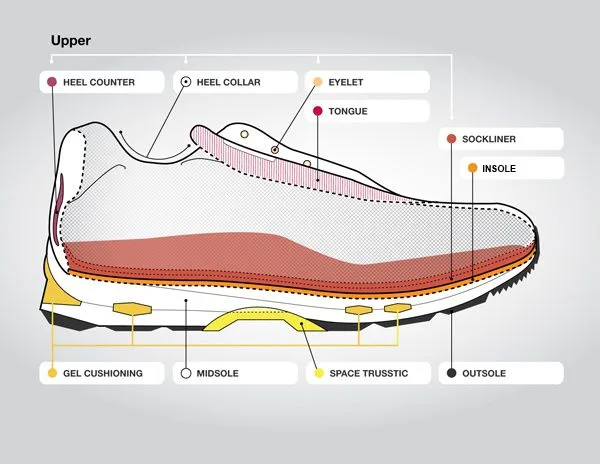
Beyond the collar height, visual cues often point to additional support features. You might see reinforced lacing systems that allow for a more customized, snug fit around the midfoot and ankle. Lacing systems on these shoes often extend higher up the ankle than on other types of footwear, enabling players to tighten the shoe around their ankle bone.
Sometimes, external heel counters are visible, providing rearfoot stability. The materials themselves also offer clues; stiffer synthetics or leather in the upper construction suggest more inherent structure than soft mesh.
Who Benefits Most from High-Top Basketball Shoes?
While high-tops are a common sight on the basketball court, they aren’t necessarily the best choice for every player. The decision often comes down to individual needs, playing style, and even personal preference. Our research indicates that certain players find these shoes particularly advantageous.
Players and Playing Styles
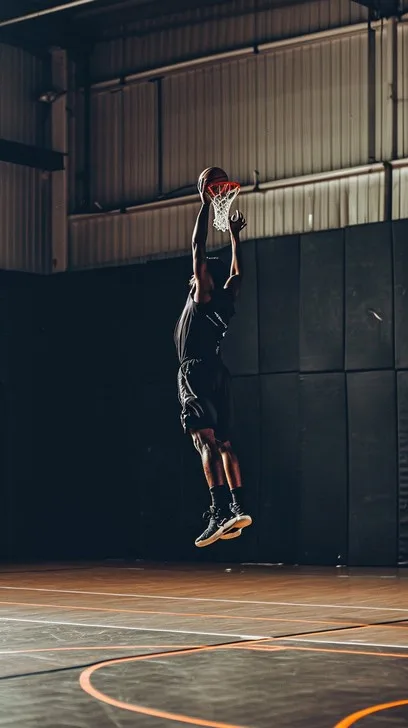
Image source: Bing (Web (fair-use with source credit))
Players who frequently engage in high-impact activities, such as those who play in the paint, rebound aggressively, or drive to the basket often, tend to benefit most from the added ankle support of high-tops. Those with a history of ankle issues or who desire extra security during quick stops and explosive jumps often find high-tops preferable. This type of shoe can also provide a confidence boost, allowing players to push their limits knowing they have an added layer of protection.
It's similar to how specific footwear is designed for different sports, like how road vs. trail running shoes cater to distinct terrains and movements.
When Lower Tops Might Be Better
Conversely, players who rely heavily on agility, speed, and quick lateral movements without as much direct physical contact might find mid-top or low-top basketball shoes more suitable. These lower-cut designs offer greater freedom of movement and can feel lighter, potentially enhancing a player's ability to change direction rapidly. Some players also simply prefer the sensation of less restriction around their ankle.
The choice between different cuts of basketball shoes can be as personal as deciding between neutral and stability running shoes based on your foot mechanics.
Common Mistakes When Choosing High-Top Basketball Shoes
It’s easy to think that just grabbing the highest-cut basketball shoe will solve all your ankle woes. However, there are common pitfalls that can lead to discomfort, poor performance, or even injuries, despite the shoe's design. Understanding these mistakes can help you make a more informed decision when selecting your next pair.
Misjudging Fit and Feel
One of the most frequent errors is not properly assessing the fit. A high-top shoe needs to be snug around the ankle without cutting off circulation or causing chafing. If it’s too loose, you'll experience slippage inside the shoe, which can lead to blisters and reduced support.
Conversely, a shoe that’s too tight can impede blood flow and cause discomfort during long games. As detailed in guides on how shoes should fit, proper fit is paramount for any athletic footwear.
Over-Reliance on Height Alone
Another common mistake is assuming the height of the shoe is the sole determinant of ankle protection. While height contributes significantly, the overall construction, materials, lacing system, and the shoe’s sole unit all play critical roles in ankle stability and injury prevention. A poorly constructed high-top might offer less genuine support than a well-designed mid-top with advanced stability features.
Our research suggests that the combination of fit, cushioning quality, a factor also critical in what cushioning in running shoes does, and overall structural integrity is more important than height alone.
Expert Insights on High-Top Basketball Shoe Performance
Our research indicates that high-top basketball shoes are a carefully engineered piece of athletic equipment. Manufacturers invest heavily in materials science and biomechanical testing to optimize their designs. For instance, aggregate reviews often highlight the responsive cushioning systems, which are critical for absorbing impact during jumps and landings.
These shoes are built to perform under pressure, and their design reflects this. The materials used are typically chosen for durability and support, balancing flexibility with rigidity where needed. Understanding the underlying principles of sports footwear design, like those discussed in articles on what shoes are made of, can offer further appreciation for these specialized shoes.
As of 2026, advancements continue to refine how these shoes interact with the athlete's foot and the court.
Frequently Asked Questions About High-Top Basketball Shoes
Can anyone wear high-top basketball shoes?
Generally, yes, but players should consider their specific needs. While high-tops offer excellent ankle support, they might feel restrictive to some, particularly if they have exceptionally strong ankles or prefer maximum agility. It's crucial to try them on and assess the fit and feel for your own comfort and game.
Do high-tops guarantee injury prevention?
No shoe can guarantee complete injury prevention, but high-tops are designed to reduce the risk of ankle sprains by providing extra stability. They are a proactive measure, not a foolproof solution. Proper training, conditioning, and playing within one's physical limits are also vital for injury avoidance.
How do I know if I need high-tops?
Consider your playing style and any history of ankle issues. If you frequently land hard, make sharp cuts, or have experienced ankle rolls before, high-tops might be beneficial. If you prioritize freedom of movement and have no ankle concerns, mid-tops or low-tops could be perfectly adequate.
How do I clean high-top basketball shoes?
Cleaning high-tops is similar to other athletic shoes. We’ve covered detailed steps on how to clean running shoes that apply here, usually involving a gentle brush, mild soap, and water, with air-drying. Avoid harsh chemicals or machine washing, which can damage the materials and structural integrity.
Are high-tops heavier than low-tops?
Typically, yes, high-top basketball shoes tend to be slightly heavier due to the additional material used for the extended ankle collar and associated reinforcement. However, advancements in materials science mean that the weight difference might be less significant than in older designs.
Your Guide to Choosing the Right Basketball Shoes
Selecting the right basketball shoe is a personal journey, and understanding the role of features like high-tops is just the first step. It's about finding footwear that complements your play style, supports your body, and feels right on your feet. The goal is to enhance your performance and minimize risks.
When you're trying on shoes, pay close attention to how they feel. Do they support your arch? Is there enough room in the toe box?
Remember the advice on how much room should be in a shoe, as this applies across all footwear types. Ultimately, the best basketball shoe for you is the one that makes you feel confident and capable on the court, whether it's a high-top or a different cut.