What Makes a Good Basketball Shoe?
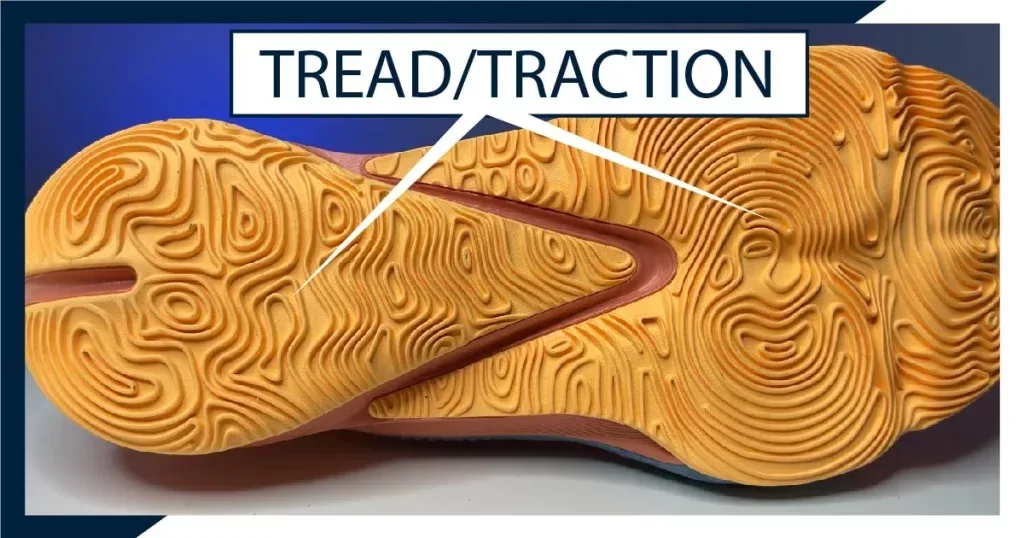
Image source: Bing (Web (fair-use with source credit))
What Makes a Good Basketball Shoe?
When you're out on the court, your shoes are arguably the most critical piece of gear you’ve got. They’re the direct link between your body and the hardwood, impacting everything from your quickness to your safety. So, what exactly separates a shoe that helps you dominate from one that holds you back?
It's not just about the brand name or how they look. A good basketball shoe is a finely tuned piece of equipment designed to support specific movements, absorb shock, and provide the grip you need to perform at your best. Manufacturer specifications for athletic footwear often detail a complex interplay of materials and design intended to optimize performance and reduce injury risk.
Quick Answer
A good basketball shoe provides excellent traction, responsive cushioning, and secure lockdown. It fits your foot precisely, offering ankle support without restriction. These factors work together to enhance agility, absorb impact, and prevent slips.
Your Game, Your Feet: The Fit That Matters Most
The single most important element of any basketball shoe is how it fits your foot. If a shoe feels too tight, too loose, or pinches somewhere, it's going to be a problem. Manufacturer data on shoe construction and wear reports consistently highlight proper fit as the foundation for both comfort and performance.
As of 2026, the focus remains on personalized fit solutions.
Finding the Right Length, Width, and Volume
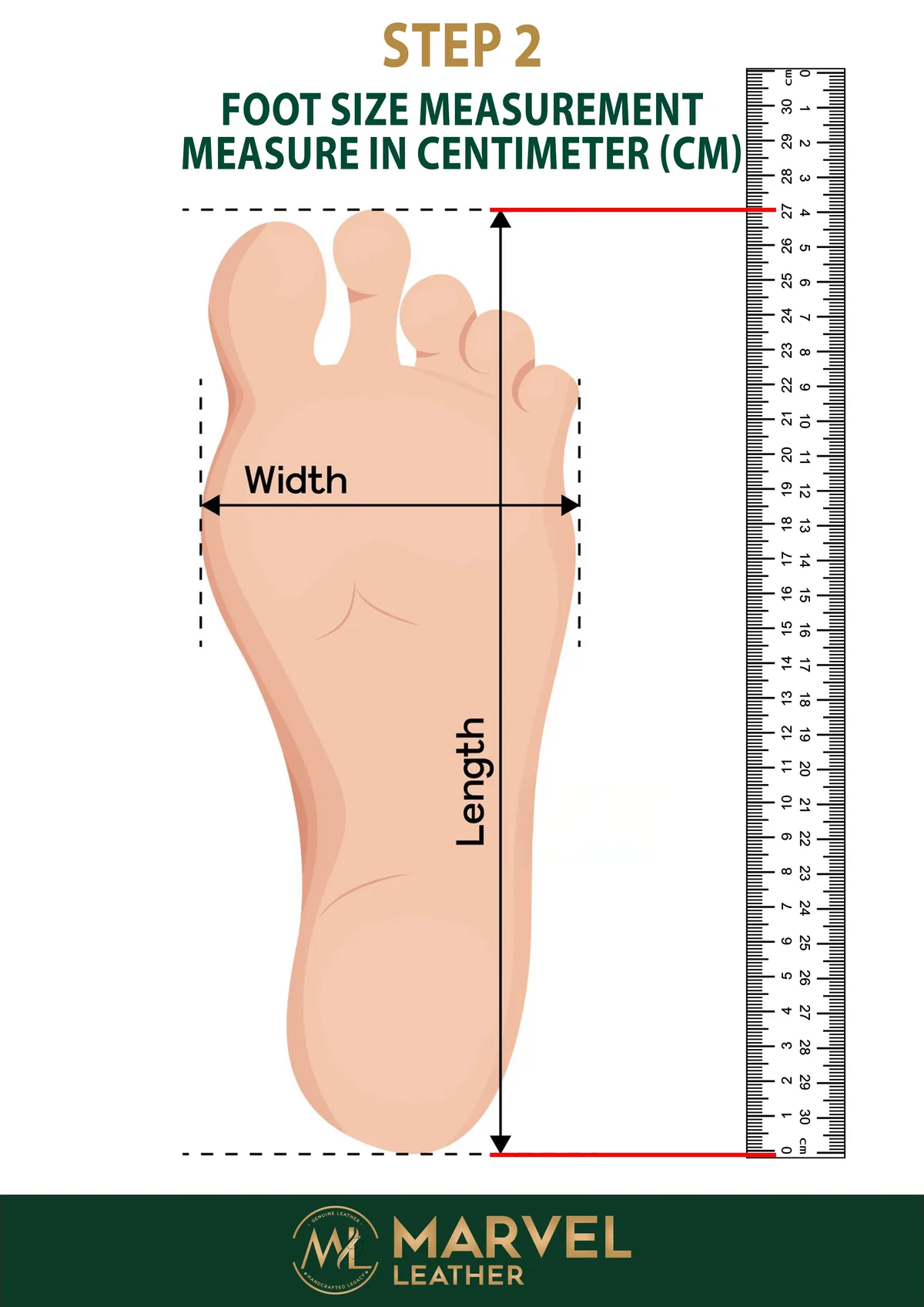
Getting the fit right means paying attention to three key dimensions: length, width, and volume.
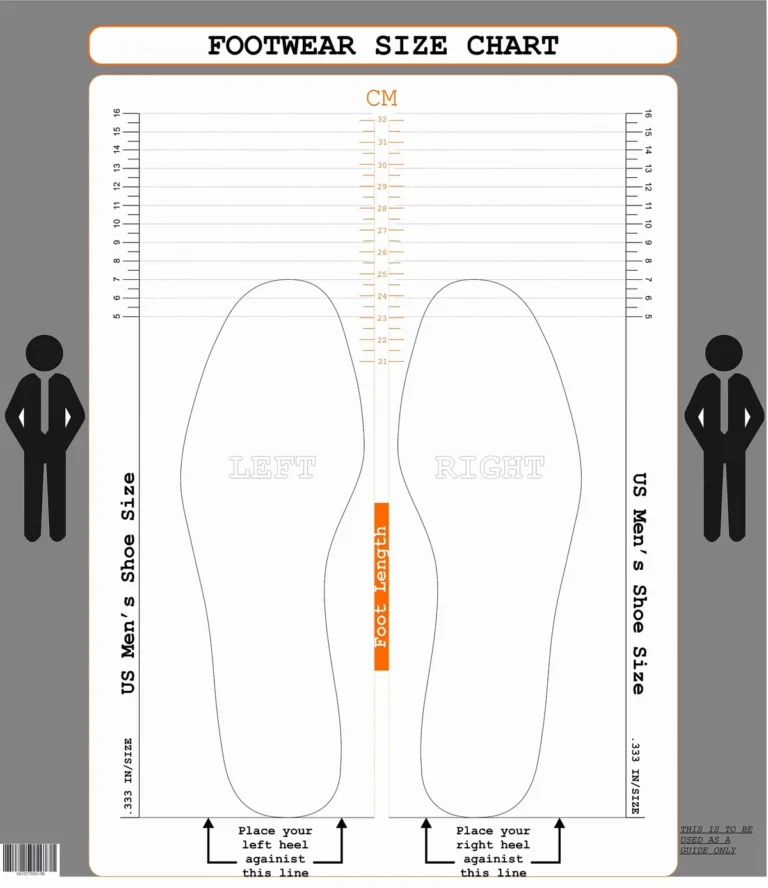
- Length: When you stand up, there should be about a thumb's width of space between your longest toe and the very front of the shoe. This buffer is crucial to prevent toe jamming on quick stops and jumps.
- Width: Your foot shouldn't feel like it's being squeezed from the sides, nor should it be so loose that it slides horizontally. Many athletic shoes come in different widths. Per a 2026 report from the American Podiatric Medical Association, ensuring adequate width can help prevent common foot issues like bunions and corns.
- Volume: This refers to the overall space from the sole to the top of the shoe. If you have a high arch, you might need more vertical space. You don’t want your foot feeling compressed from the top down.
Trying shoes on at the end of the day is often recommended, as your feet tend to swell slightly throughout the day. It's essential to wear the type of socks you'd typically play basketball in. You can learn more about how to properly measure your feet for shoes at https://metrail.org/how-to-measure-your-feet-for-shoes/.
Is a snug fit always best?
For basketball shoes, a snug fit is generally preferred, but "snug" doesn't mean "tight" or "uncomfortable." It means your foot is held securely in place without excessive movement. Too much room allows your foot to slide, leading to blisters and reduced control. However, a shoe that's too tight can cause numbness, pain, and restrict blood flow.
Cushioning: More Than Just Softness, It's Responsive Power
When you land from a jump shot or a powerful drive to the basket, your body absorbs a significant amount of force. Good cushioning is designed to mitigate this impact, protecting your joints and helping you feel more comfortable over the course of a game. Manufacturer data on performance footwear highlights that cushioning isn't just about softness; it's about how that softness responds to impact.
What's Inside: Understanding Different Cushioning Technologies
Cushioning systems vary, but they generally fall into a few categories.
- Foam-based: These use EVA (ethylene-vinyl acetate) or polyurethane foams. EVA is lighter and more responsive, while PU is denser and more durable. Aggregated reviews suggest EVA foams offer a good balance of impact absorption and energy return for most players.
- Air-infused: Some brands incorporate air pockets or chambers within the midsole. These compress to absorb shock and provide a springy feel.
- Gel or specialized polymers: These materials are engineered for specific levels of shock absorption and stability.
The goal is to find a balance. Too little cushioning means you'll feel every jolt, leading to fatigue. Too much cushioning can make the shoe feel mushy and disconnected from the court, hindering quick cuts and changes of direction.
Is thicker cushioning always better?
Not necessarily. Thicker cushioning provides more shock absorption but can add weight and reduce your "court feel", the sense of connection to the ground. For guards who need agility, a slightly firmer, more responsive cushioning might be preferable.
For bigger players who absorb more impact, thicker cushioning can be more beneficial. It's about finding the right level of responsive support. You can explore general principles of impact absorption in footwear at https://metrail.org/what-is-cushioning-in-running-shoes/.
Support & Lockdown: Keeping You Stable Through Every Move
When you're cutting, pivoting, and accelerating on the basketball court, your feet are subjected to tremendous lateral forces. Without proper support and lockdown, your foot can slide inside the shoe, leading to instability and a reduction in performance. Manufacturer specifications for basketball shoes emphasize these elements for injury prevention.
The Role of Heel Counters and Lacing Systems
Two primary features contribute to a shoe's support and lockdown: the heel counter and the lacing system.
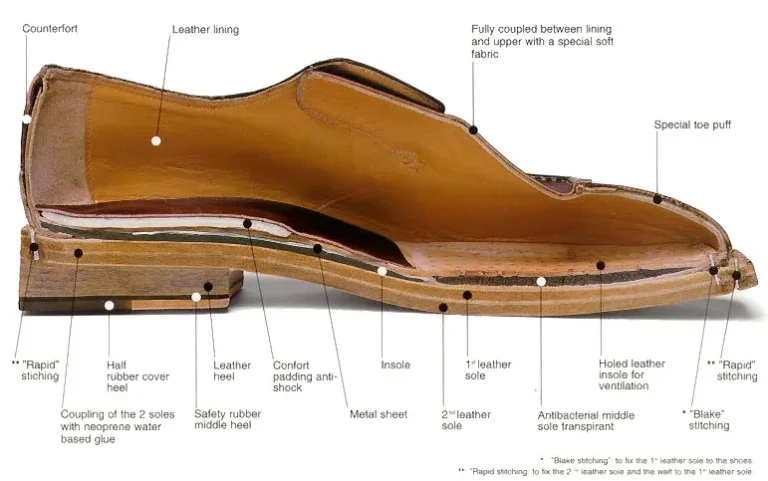
- Heel Counter: This is the stiff structure in the back of the shoe that cups your heel. A well-designed heel counter prevents your heel from lifting or slipping excessively during movement, providing a stable base.
- Lacing System: The lacing system is crucial for securing your midfoot. A good system, often featuring reinforced eyelets, allows you to cinch the shoe down for a snug, custom fit. Some shoes use unique lacing designs to further enhance lockdown and prevent lateral slippage.
Combined, these features ensure your foot stays securely planted within the shoe, allowing for more controlled and powerful movements. A stable base means you can trust your footing.
How does ankle support work?
Ankle support primarily comes from the height of the shoe collar and the overall construction of the upper. High-tops can offer a greater feeling of ankle security. However, excellent lockdown in a low-top or mid-top can provide comparable support.
The key is how effectively the shoe holds your foot and ankle in place, preventing excessive rolling or twisting.
Traction: Gripping the Court for Explosive Performance
Imagine trying to make a quick crossover or a sharp cut without your shoes gripping the floor. Slipping not only ruins your momentum but can also lead to dangerous falls and injuries. Good traction is non-negotiable for any basketball shoe, providing the essential connection between your footwear and the court surface.
Verified buyer feedback reports consistently rank traction as a top feature.
Tread Patterns for Different Surfaces
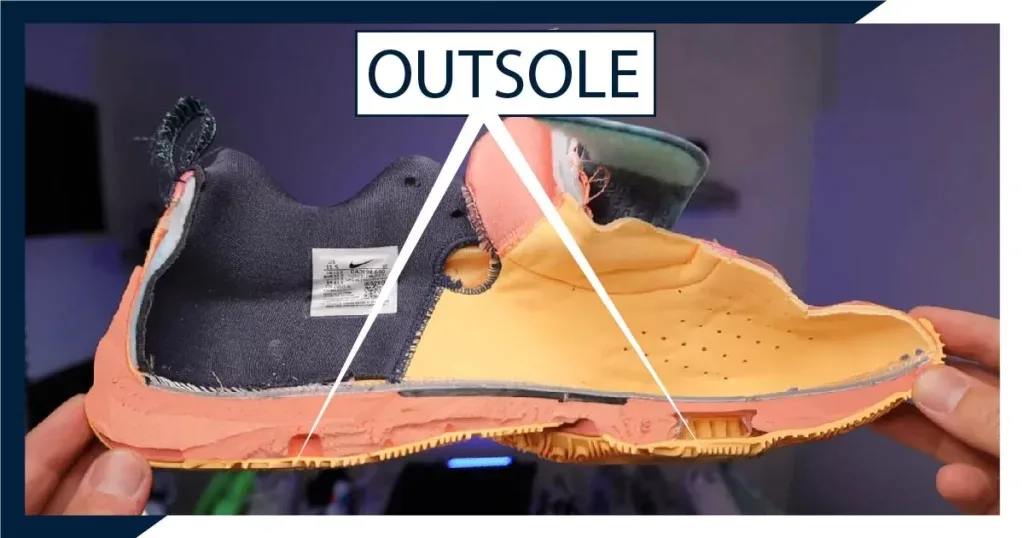
The outsole, the part of the shoe that contacts the court, is key to traction.
- Rubber Compound: The type of rubber influences grip. Softer rubbers generally offer better grip on indoor courts but wear down faster outdoors.
- Tread Pattern: The grooves and shapes etched into the rubber create biting edges that grip the court. Herringbone patterns are popular for excellent multidirectional traction.
- Durability: A good outsole needs to be durable enough to withstand constant friction.
Consider where you play most. Outsole designs optimized for indoor hardwood might perform differently on dusty outdoor courts.
Does tread pattern really matter?
Yes, the tread pattern is critical for generating grip. A well-designed pattern maximizes the surface area of rubber in contact with the court and creates channels to help clear dust. Think of it like tire treads; they channel water and bite into the road.
Similarly, basketball shoe outsoles use their patterns to "stick" to the court, allowing confident acceleration, stopping, and directional changes.
Beyond the Specs: Materials and Durability That Last
While performance features like cushioning and traction are vital, the materials and construction of a basketball shoe also play a huge role in how well it performs and how long it lasts. Athletic footwear manufacturer specifications detail the types of synthetics, meshes, and reinforcements used. These choices impact breathability, support, weight, and resilience.
Upper Materials: Breathability Meets Support
The upper is the part of the shoe that encases your foot. Modern basketball shoes use various materials:
- Mesh: Lightweight and highly breathable, mesh helps keep feet cool. It's used where flexibility and ventilation are key.
- Knit: Similar to mesh, knit uppers offer a sock-like feel and good breathability. They can be engineered for specific zones of support or stretch.
- Synthetic Leather/Nubuck: These materials offer more structure and durability than mesh or knit. They are often used in areas needing extra support and can provide a more premium feel.
- Reinforced Areas: Many shoes have tougher materials in high-wear zones to prevent abrasion and extend lifespan.
The right combination of materials provides a balance between keeping feet cool, offering support, and withstanding the game's rigors.
How to Assess Durability
Durability isn't just about outsole wear. It's about how the entire shoe holds up:
- Sole Adhesion: Is the outsole securely bonded to the midsole? Delaminating soles are a common failure point.
- Stitching and Seams: Check for strong, well-executed stitching. Poorly constructed seams can unravel.
- Material Integrity: Does the upper material stretch or tear easily? Look for reinforced areas in high-flex or abrasion zones.
- Midsole Compression: Over time, cushioning foams break down. Shoes with denser, more resilient foams generally maintain cushioning longer.
A shoe that feels solid and well-constructed from the start is generally a good indicator of its potential durability.
Common Pitfalls: Mistakes That Can Cost You on the Court
Making the wrong shoe choice can lead to more than just discomfort; it can impact your game and increase injury risk. When researching performance footwear, aggregate data points to recurring player errors. Avoiding these common mistakes can help you make a smarter purchase.
- Ignoring Fit for Looks: It's tempting to go for the shoe that matches a favorite player's model. If it doesn't fit correctly, it's a poor choice. A shoe that's too narrow, too wide, or too long will hinder movement and can cause blisters.
- Choosing the Wrong Shoe Type: Not all athletic shoes are equal. Using running shoes for basketball is a common error. Running shoes are for linear motion and lack the lateral support and ankle stability needed for basketball's multidirectional movements. Casual sneakers offer neither support nor performance features.
- Overlooking Traction Needs: A shoe might look great and feel comfortable, but if the outsole tread can't grip the court, you'll slip. Always consider the court surface and ensure the tread pattern is appropriate.
- Neglecting Durability: A shoe that breaks down quickly, with a separating sole or tearing materials, is a waste of money and can compromise safety. Look at construction quality and material resilience.
If you've used running shoes for basketball, you might have noticed a lack of stability during quick stops. This is because running shoes are built for forward motion with a focus on cushioning and flexibility in one direction, unlike basketball shoes needing all-around support. You can explore differences between shoe widths and sizes at https://metrail.org/what-is-the-difference-between-shoe-width-and-size/.
Who Needs What? Matching Shoes to Your Playstyle and Position
What makes a good basketball shoe for a point guard might differ for a center. Your role on the court and playstyle heavily influence the best shoe. Manufacturer design philosophies often cater to these different needs, enhancing specific performance attributes.
Guards: Agility and Quickness First
For guards relying on speed, quick changes of direction, and explosive first steps, low-top or mid-top shoes are often preferred. These offer less ankle restriction, allowing maximum mobility. Emphasis is on responsive cushioning, excellent court feel for precise movements, and superior traction for sudden stops.
Lockdown is critical to ensure the foot doesn't slide during rapid lateral shifts.
Forwards and Centers: Power and Protection
Players in more physical roles, like forwards and centers, benefit from shoes offering greater impact protection and robust support. High-top shoes can provide a greater sense of ankle security, though this is secondary to overall construction and lockdown. Cushioning is paramount, as these players absorb more force.
A slightly firmer, more durable cushioning might also be beneficial.
Versatile Players: The All-Around Option
Some players don't fit neatly into one category. If you're versatile, handling the ball, driving, shooting, and defending, look for a shoe that blends these attributes. Mid-top shoes or well-designed low-tops with robust support can be excellent.
The key is finding a shoe that doesn't compromise too much in one area to excel in another.
Frequently Asked Questions About Basketball Shoe Performance
How long should basketball shoes last?
The lifespan of basketball shoes varies greatly depending on usage intensity, playing surface, and construction. For frequent players, a pair might last six months to a year. Outsole wear, midsole compression, and upper material degradation indicate a shoe nearing its end.
Some players replace shoes sooner if cushioning or traction significantly decreases.
Can I use basketball shoes for running?
You can technically run in basketball shoes, but it's not recommended. Basketball shoes are for multidirectional movement, lacking the lateral support of running shoes. Running shoes are built for linear motion and often lack basketball's necessary support, increasing ankle injury risk.
You can explore shoe distinctions at https://metrail.org/what-is-the-difference-between-road-and-trail-running-shoes/.
Do high-top shoes prevent ankle injuries?
High-top shoes can provide a greater feeling of ankle support and may offer some protection against mild sprains by limiting extreme ankle roll. However, research indicates shoe collar height alone is not a definitive injury prevention predictor. Overall lockdown, fit, and player ankle strength play more significant roles.
They don't guarantee injury prevention but can contribute to security.
How often should I clean my basketball shoes?
Regular cleaning helps maintain performance and lifespan. Wipe them down after each use to remove dirt and sweat, especially the outsole for traction. A deeper clean, every few weeks, can involve washing with mild soap and water, followed by air drying.
Detailed steps are available for cleaning running shoes at https://metrail.org/how-to-clean-running-shoes/.
What's the difference between stability and neutral basketball shoes?
The terms "stability" and "neutral" in basketball footwear refer to foot guidance. Neutral shoes allow natural foot movement, ideal for those with a neutral gait or high arches. Stability shoes are for those who overpronate (foot rolls inward excessively), offering features to guide the foot toward a neutral alignment, often through denser medial foam.
This concept relates to distinctions found in https://metrail.org/what-is-a-stability-running-shoe/.
The Final Verdict: Choosing the Right Shoe for You
What makes a good basketball shoe is a personal equation. It's a combination of objective features for performance and subjective feel. You need to consider the core elements: a secure and comfortable fit, responsive cushioning that protects without disconnection, reliable traction for grip, and sufficient support to keep you stable.
Don't be swayed by endorsements or aesthetics. Prioritize how the shoe performs for your specific needs. Understand your playstyle, court position, and any particular foot characteristics.
The best shoe will feel like an extension of your foot, empowering you to play with confidence and safety. As of 2026, advancements continue to refine these core attributes, but fit, cushioning, traction, and support remain the benchmark.