What Are Basketball Shoes?
Ever wondered what makes a pair of basketball shoes different from your everyday sneakers or your trusty running shoes? It's more than just a cool design; these kicks are built with some serious thought behind them, all to help you play your best game. Think of them as specialized tools for the court, engineered for quick bursts of speed, powerful jumps, and sharp stops.
At their heart, basketball shoes are footwear designed specifically for the demands of playing basketball. This means dealing with quick stops, explosive jumps, lateral movements, and the constant pounding on a hard court. They’re engineered to give you the support, cushioning, and grip you need to excel and, just as importantly, stay safe.
According to industry standards, a properly constructed basketball shoe should offer a minimum of 1000 Newtons of force absorption in the heel area to protect against impact.
Quick Answer
Basketball shoes are athletic footwear built for the specific demands of playing basketball, featuring enhanced ankle support, superior traction, and specialized cushioning. They provide the stability needed for quick lateral movements, jumps, and stops, unlike running shoes or casual sneakers which prioritize different types of motion. Their construction aims to prevent injuries and maximize on-court performance.
Why Your Regular Sneakers Won't Cut It on the Court
You might think any old sneaker will do for a pickup game, but that’s where things can go wrong. Running shoes, for instance, are fantastic for forward motion and shock absorption. However, they often lack the crucial lateral support needed for basketball's side-to-side action.
This can lead to ankle rolls when you're cutting hard or changing direction rapidly. Casual sneakers? They’re usually built for style and comfort, not the high-impact, multi-directional forces of basketball.
The Need for Specialized Footwear
The game of basketball involves unique movements that place specific stresses on your feet and ankles. You're constantly stopping, starting, jumping, and pivoting. If your footwear isn't designed to handle these forces, you’re not only at a disadvantage performance-wise, but you’re also significantly increasing your risk of injury.
This is where specialized basketball shoes come in, acting as your first line of defense.
Key Features That Define Basketball Shoes
What makes a basketball shoe different? It’s a combination of carefully considered design elements. These shoes aren't just about looking good; every component serves a purpose on the court.
From the materials used to the way the shoe is constructed, it’s all about optimizing your game and keeping you protected.
Ankle Support: High-Tops, Mid-Tops, and Low-Tops Explained
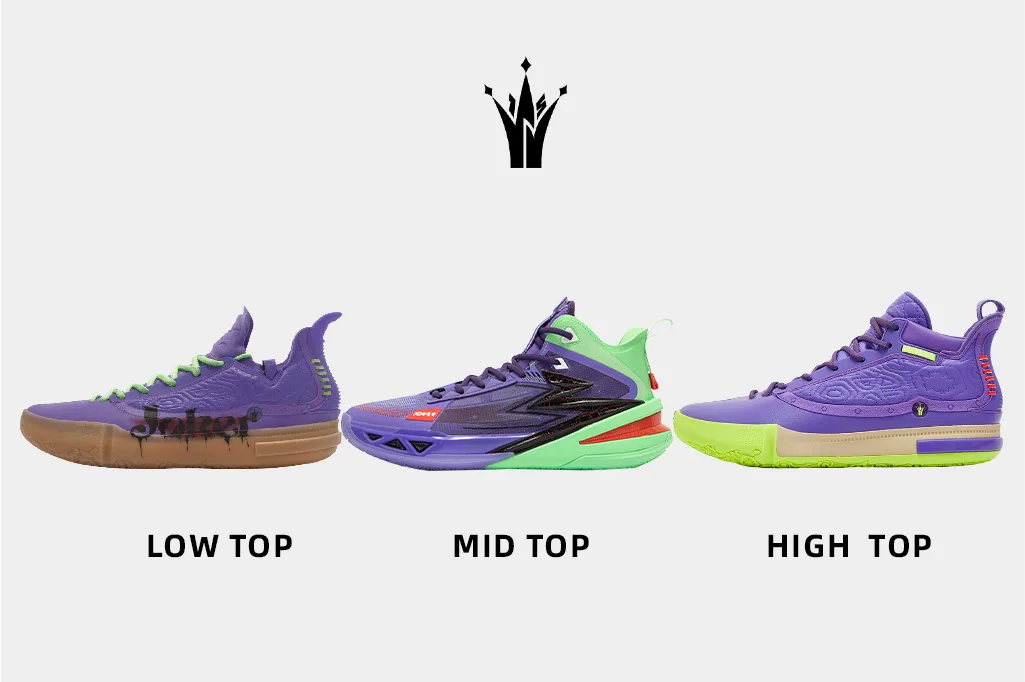
Ankle support is a hallmark of basketball shoes. You'll typically see them offered in three main cuts: high-tops, mid-tops, and low-tops. High-tops extend above the ankle bone, offering the most substantial support and helping to limit excessive ankle roll.
Mid-tops provide a balance, wrapping around the ankle for good stability without feeling overly restrictive. Low-tops, while offering the greatest range of motion, still feature more structured collars than casual shoes to enhance lockdown. The goal is always to secure the ankle without sacrificing necessary agility.
Cushioning and Traction: The Grip and Comfort Essentials
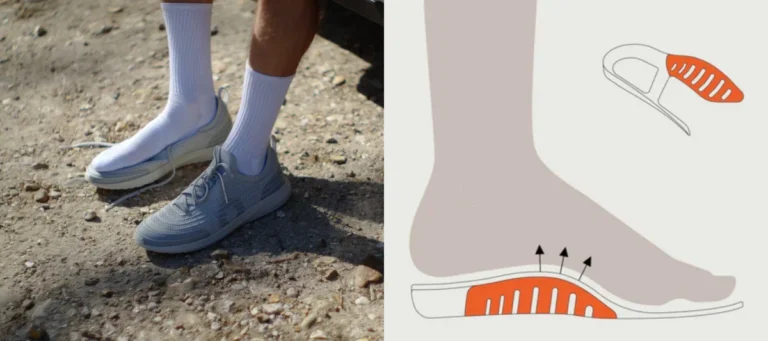
Basketball players repeatedly jump and land, so effective cushioning is vital. Basketball shoes utilize advanced midsole technologies, like specialized foam compounds or encapsulated air units, to absorb impact forces. This protects your joints and reduces fatigue.
Equally important is traction. The rubber outsole features specific tread patterns engineered to grip the court surface, preventing slips during quick cuts, defensive slides, and sudden stops. This grip ensures your energy transfer is efficient, propelling you forward rather than being lost to slippage.
Comparing Basketball Shoes to Running Shoes and Casual Sneakers
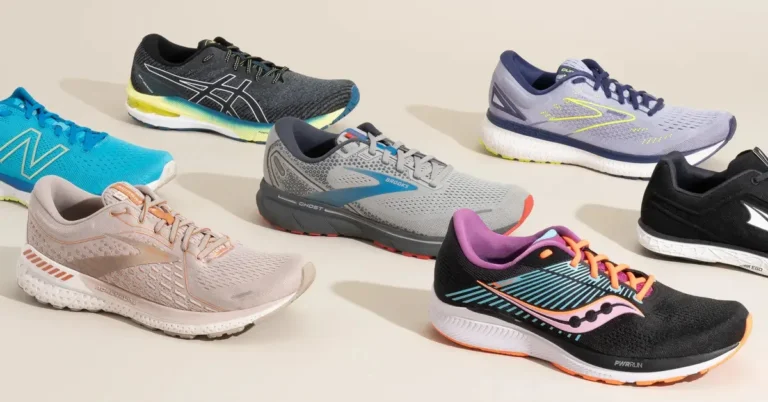
When you look at a basketball shoe, a running shoe, and a casual sneaker side-by-side, the differences in their design purpose become clear. Each is built for a distinct type of activity, and understanding these distinctions is key to choosing the right footwear for your needs. Using the wrong shoe can lead to discomfort, reduced performance, and even injury.
Why Your Running Shoes Aren't Ideal for Basketball
Running shoes are engineered for forward propulsion and shock absorption over long distances. They often have a softer midsole and a flexible upper to accommodate the foot’s natural motion during a stride. However, this flexibility and emphasis on forward cushioning means they typically lack the robust lateral support needed for basketball’s quick side-to-side movements and sharp stops.
If you've ever felt your ankle wobble during a crossover in running shoes, that's the lack of lateral stability at play. The primary difference lies in the directionality of forces they're designed to manage.
How Casual Sneakers Fall Short
Casual sneakers prioritize style and everyday comfort. They generally have less sophisticated cushioning systems and minimal structured support. Their outsoles are often designed for general wear on pavement or indoor surfaces, lacking the aggressive tread patterns needed for court grip.
While great for walking or hanging out, they offer virtually no protection against the dynamic stresses of basketball, making them a poor choice for play.
Basketball Shoes: The Court Specialist
Basketball shoes are the specialists. Their designs focus on providing a secure fit, excellent ankle stability (especially in high- and mid-top versions), responsive cushioning to absorb hard landings, and aggressive traction patterns for supreme grip. They are built to withstand the constant stopping, starting, and lateral cuts inherent to the game, a stark contrast to the linear motion focus of running shoes.
If you’re serious about playing basketball, investing in proper basketball shoes is non-negotiable for both performance and safety.
Who Needs Basketball Shoes and When?
The short answer is anyone playing the sport of basketball, but the "when" is just as important. These shoes are specifically designed to handle the unique stresses and movements involved in the game. While they can be worn for other court sports with similar demands, their primary purpose is on the hardwood.
Players Who Benefit Most
Basketball players, from casual weekend warriors to professional athletes, benefit immensely from wearing basketball shoes. Players who rely on quick changes of direction, explosive drives to the basket, or those who are more prone to ankle issues will find the support and stability features particularly crucial. Guards who need agility and quickness might prefer lighter, low-top models, while forwards and centers who battle in the paint and deal with more physical contact might opt for higher-cut shoes offering maximum protection.
Specific Court Situations and Movements
You absolutely need basketball shoes when engaging in any activity that mimics the game's demands. This includes:
- Dribbling and Driving: Making sharp cuts and accelerating requires optimal traction and stability.
- Jumping and Landing: Whether for a layup, a rebound, or a shot, the cushioning system absorbs impact.
- Defensive Slides and Pivots: Quick lateral movements and changes in direction need strong ankle support and a grippy outsole.
- Pick-up Games and Practices: Any organized or informal play on a basketball court warrants the use of proper footwear.
While you could technically wear them for other activities, their specialized design means they might not be the best choice for everything. For instance, their stiff soles might not be ideal for long-distance running, and their ankle support could feel restrictive for activities requiring extreme flexibility.
Common Mistakes When Choosing or Using Basketball Shoes
Many players make the same few mistakes when it comes to their basketball footwear. These slip-ups can not only hinder performance but, more critically, increase the risk of injuries. Understanding these pitfalls is as important as knowing the features of a good basketball shoe.
Overlooking Ankle Support Needs
A common error is choosing a shoe based solely on aesthetics or brand name, completely disregarding the level of ankle support needed. For example, a player who frequently experiences ankle rolls might opt for a low-top design for the sake of agility, but this often compromises the necessary stability, setting them up for a sprain. It's crucial to consider your personal injury history and playing style when deciding between high-top, mid-top, or low-top basketball shoes.
Neglecting Traction for the Court Surface
Another frequent mistake is not considering the outsole's traction pattern and its suitability for the specific court surface. A shoe with a smooth or less aggressive tread might perform adequately on a clean indoor court but will offer very poor grip on a dusty outdoor court or a slightly worn gym floor. This lack of grip can lead to frustrating slips, reduced ability to make quick cuts, and an increased chance of falling awkwardly.
Always check reviews or product descriptions that mention specific traction capabilities for different court types.
Wearing Outdated or Worn-Out Shoes
Shoes don't last forever, and their performance degrades over time. Many players continue to use basketball shoes long after their cushioning has compressed, their traction has worn thin, or their structural support has weakened. As of 2026, manufacturers generally recommend replacing basketball shoes every 6 to 12 months for players who use them regularly.
This timeframe can vary based on the frequency and intensity of play, as well as the shoe's construction and your playing style. If you notice significant wear on the outsole, compressed cushioning, or a loss of ankle support, it's time for a new pair to prevent injuries.
Expert Tips for Picking Your Perfect Pair
Choosing the right basketball shoes can feel overwhelming with so many options, but a few expert tips can streamline the process. It's less about finding the most expensive pair and more about identifying what truly fits your game and your feet. Think of it as selecting the right tool for a specific job.
- Consider Your Playing Style: Are you a quick guard who needs agility and speed, or a big man who battles in the paint and needs robust support? Guards often gravitate towards lower-cut shoes for freedom of movement, while forwards and centers might prefer higher cuts for extra ankle security.
- Understand Your Foot Type: Do you have a wide foot, a narrow foot, or a high arch? Some brands offer different widths, and the shoe’s internal structure should complement your foot’s natural shape. Trying shoes on, ideally at the end of the day when your feet are slightly swollen, is the best way to gauge fit. You can learn more about how different shoe widths and sizes impact fit by consulting sizing guides.
- Prioritize Traction and Cushioning: These are non-negotiable. Look for shoes with durable rubber outsoles that have aggressive tread patterns. For cushioning, consider the type of impact protection you need; thicker, more responsive midsoles are generally better for players who jump a lot.
- Check the Materials: Breathable uppers help keep your feet cool and dry, which reduces the chance of blisters. Durable materials in the toe box and along the sides will ensure your shoes last longer through intense play.
Frequently Asked Questions About Basketball Shoes
### Are basketball shoes good for other sports?
While basketball shoes offer excellent support and traction for basketball, they can be beneficial for other court sports that involve similar movements, like volleyball or intense training drills. However, they are generally not ideal for sports with different demands, such as running, hiking, or weightlifting, as their specialized design might not provide the correct type of support or cushioning for those activities.
### How often should I replace my basketball shoes?
As of 2026, the general guideline from sports podiatrists and manufacturers suggests replacing basketball shoes every 6 to 12 months for players who use them regularly. This timeframe can vary based on the frequency and intensity of play, as well as the shoe's construction and your playing style. If you notice significant wear on the outsole, compressed cushioning, or a loss of ankle support, it's time for a new pair to prevent injuries.
### Can I wear basketball shoes casually?
Yes, many people wear basketball shoes casually because of their comfort and distinctive style. They often provide more cushioning and support than typical casual sneakers. However, wearing them daily for non-athletic activities can wear down their specialized performance features faster, meaning they might not perform optimally when you hit the court later.