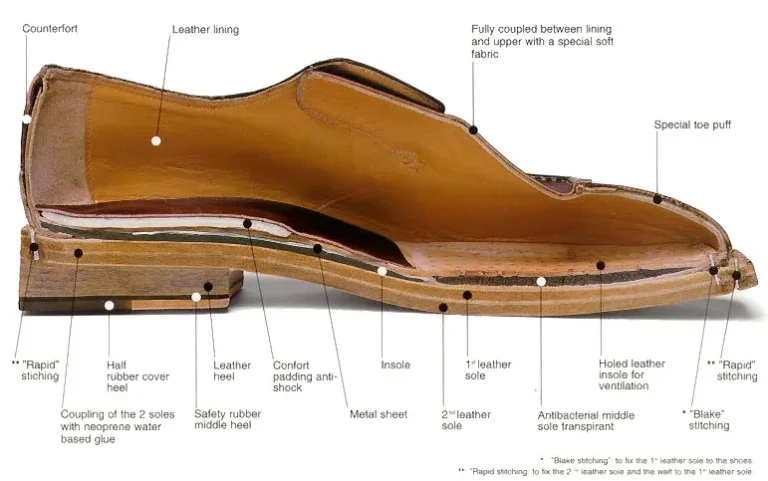
What Are Soccer Cleats?
So, you're wondering about soccer cleats, huh? Maybe you're picking up the sport, helping a kid get kitted out, or just curious about what makes those specialized shoes so different from regular sneakers. Think of soccer cleats as your direct connection to the pitch.
They're not just shoes; they're designed specifically to give you grip, control, and comfort on the field, helping you move the way you need to.
Ever tried running full tilt on wet grass in trainers? It's not pretty. That's where cleats come in.
They have those studs (or blades, or nubs) on the bottom, and those are the real magic makers. Manufacturer specifications indicate that the stud patterns are engineered for optimal traction on various playing surfaces.
Quick Answer
Soccer cleats are specialized athletic shoes designed with studs on the outsole. These studs provide crucial traction for quick movements on grass or turf fields. They allow players to accelerate, stop, and change direction without slipping.
Why Cleats Matter: Your Connection to the Field
It all comes down to performance and safety. Regular shoes are built for flat surfaces. Soccer is played on grass (natural and artificial), and sometimes even dirt or turf.
You need something that bites into that surface, letting you:
- Cut and Turn: Make quick directional changes without slipping.
- Accelerate: Push off the ground powerfully to get up to speed.
- Stop: Brake effectively and maintain balance.
- Shoot: Strike the ball with stability and power.
Without the right cleats, you're basically fighting your own footwear, which is the last thing you want when you're trying to outmaneuver an opponent. Proper footwear can also help prevent injuries. For instance, the appropriate shoe for a specific sport can affect how your foot interacts with the ground, influencing factors like how should running shoes fit?.
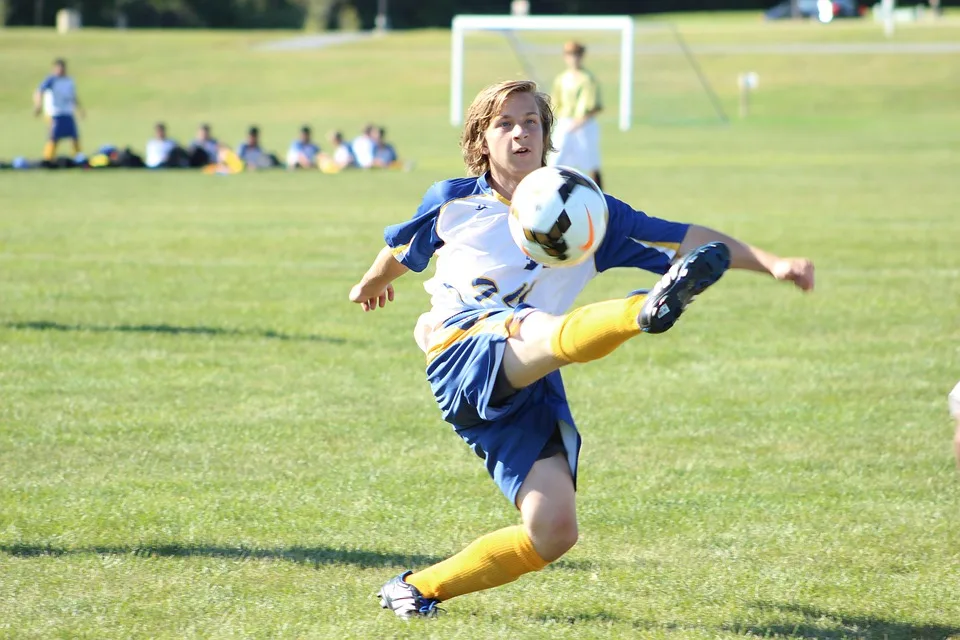
Image source: Web (Bing) / pixabay.com (Web image (fair-use with source credit))
The Big Difference: Cleat Types for Every Surface
The most significant differentiator between soccer cleats is the type of outsole and stud configuration, which directly relates to the playing surface. Choosing the wrong type for the ground conditions can lead to reduced performance or even injury. Think of it like using the wrong tool for a job; it just doesn't work as well and can cause problems.
Firm Ground (FG): The All-Arounder
Firm Ground (FG) cleats are the most common type and are designed for use on natural grass fields that are in good condition, not too wet, not too dry, and not overly compacted. They typically feature a combination of conical and bladed studs strategically placed across the outsole. This design offers a balance of traction, stability, and comfort for general play.
Manufacturer specifications often list around 11-13 studs for FG models, providing a good distribution for pivots and sprints.
Aggregate reviews report that FG cleats are a solid choice for most recreational players and many professional athletes who play on well-maintained pitches. However, if the grass gets particularly wet and muddy, or if the field is very hard, other cleat types might be more suitable. Using FG cleats on very soft ground could lead to you sinking in too much, while using them on extremely hard artificial turf might cause discomfort or excessive wear.
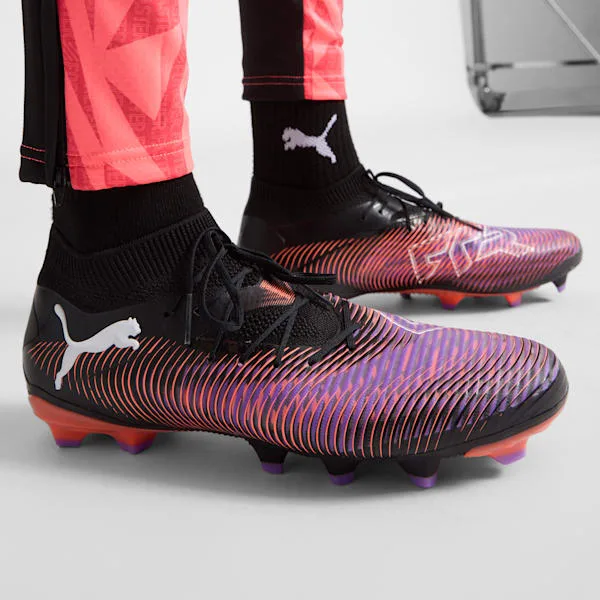
Image source: Bing (Web (fair-use with source credit))
Soft Ground (SG): For Mud and Mire
Soft Ground (SG) cleats are built for conditions where the playing surface is wet, muddy, and uneven. They feature fewer, but longer, studs, which are often metal or a very hard plastic. These longer studs are designed to penetrate the soft turf and dig into the underlying soil, providing superior grip and preventing players from slipping in slick conditions.
The stud configuration is typically more aggressive, with some models allowing for interchangeable studs to customize length and depth based on the exact ground conditions.
For example, some SG cleats allow for stud lengths of up to 18mm, per FIFA's equipment regulations, which is significantly longer than FG studs. This deeper penetration is essential for maintaining stability when the ground offers little resistance. Players who regularly compete in autumn or spring leagues, or in climates with frequent rainfall, will find SG cleats invaluable.
However, it's crucial to remove SG cleats if playing on firm or artificial ground, as the longer, harder studs can cause damage to the pitch and increase the risk of injury to the player.
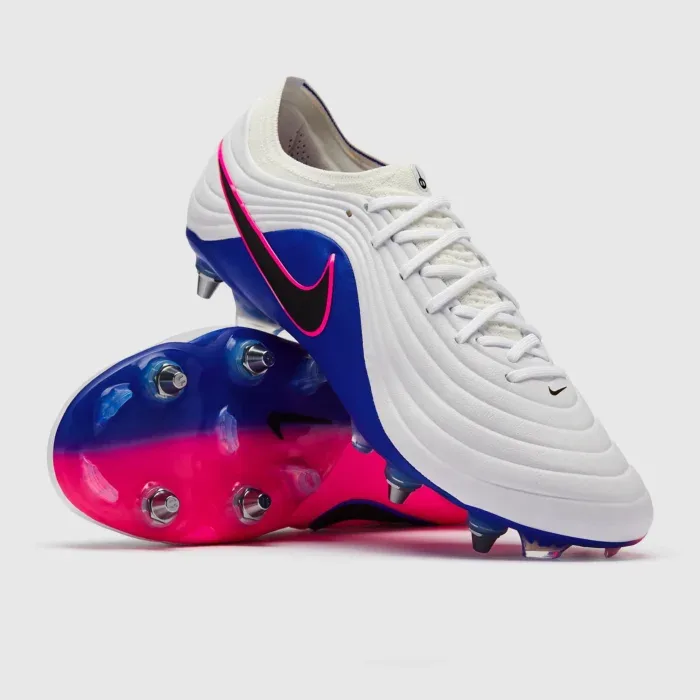
Image source: Bing (Web (fair-use with source credit))
Artificial Grass/Turf (AG/TF): Grip on Synthetic
Artificial Grass (AG) and Turf (TF) cleats are specifically designed for synthetic playing surfaces. Unlike FG or SG cleats, which are meant to dig into natural soil, AG/TF cleats have numerous shorter, rubberized nubs or blades. These small studs provide excellent traction on the artificial fibers without digging too deep, which could otherwise lead to ankle strain or turf entanglement.
The sheer number of studs distributes pressure more evenly, reducing the risk of blisters and improving comfort on harder synthetic surfaces.
Manufacturer specifications for AG cleats often show over 40 smaller studs, a stark contrast to the 11-13 found on FG models. This design is critical for preventing the "sticking" sensation that can occur when using regular cleats on turf. TF cleats, in particular, are often recommended for the most common types of artificial turf found in parks and training facilities.
While AG cleats can sometimes be used on firmer natural grass, they are primarily engineered for the unique demands of synthetic pitches.
Indoor Soccer (IC): Smooth Surface Specialists
Indoor soccer (IC) shoes, also known as futsal shoes, are distinct from outdoor cleats. They feature a flat, non-marking rubber outsole designed to provide maximum grip on smooth, hard indoor court surfaces like wood or linoleum. Because there's no need to dig into a soft surface, IC shoes prioritize agility and ball control through a sticky sole.
They lack any studs and are generally more flexible than their outdoor counterparts.
A key characteristic is their durability and the ability to perform quick, sharp movements without the risk of over-penetration that could occur with outdoor cleats. The non-marking nature of the sole is also crucial for preserving the condition of indoor courts. While often mistaken for casual sneakers, their specialized rubber compound and tread pattern offer superior performance and stability for indoor soccer compared to any other shoe type.
For those playing exclusively indoors, these are the only sensible choice.
Key Cleat Features: What to Look For
When you're eyeing up a pair of soccer cleats, it's easy to get lost in all the jargon. But a few key features really make the difference in how they perform on the pitch. Understanding these will help you pick the right pair for your game.
It’s not just about brand names; it's about what the shoe is actually built to do.
Studs and Patterns: The Heart of the Grip
The studs are arguably the most critical element of a soccer cleat. They're the points of contact with the ground, and their shape, number, and placement are meticulously designed for specific playing conditions. We’ve touched on the different types for FG, SG, and AG/TF surfaces, but the details within those categories matter.
For instance, bladed studs offer more lateral grip for quick cuts, while conical studs allow for easier rotation and pivots. Some cleats even feature hybrid patterns, blending different stud types to offer a versatile grip. Per FIFA's equipment regulations, stud dimensions and types are often subject to standardization to ensure fair play and player safety across different leagues.
Materials: Leather vs. Synthetic
The material your cleats are made from significantly impacts their feel, performance, and longevity. Traditionally, soccer cleats were made of leather, primarily kangaroo leather, which is prized for its suppleness, durability, and ability to mold to the wearer's foot over time, creating a truly personalized fit. However, modern synthetic materials have become incredibly popular.
- Leather: Offers a soft, natural feel and excellent ball touch. It can stretch and conform to your foot, leading to supreme comfort and a custom fit. Downside: it can absorb water, becoming heavier, and may require more care.
- Synthetics: These materials vary widely, from polyurethane to woven fabrics. They are often lighter, more water-resistant, and can be engineered for specific performance characteristics like enhanced ball control or a more responsive feel. Some synthetics are designed to mimic leather's touch but with added durability and lower maintenance.
Choosing between them often comes down to personal preference regarding feel, budget, and how the shoe holds up over time. Our research indicates that as of 2026, advancements in synthetic materials are increasingly closing the gap in terms of touch and feel compared to traditional leather.
Fit and Comfort: Making Them Yours
This is non-negotiable. A cleat that doesn’t fit well isn't just uncomfortable; it can actively hinder your performance and even lead to injuries. You want a cleat that feels snug, like an extension of your foot, but without any painful pressure points.
Your toes should have a little bit of room, about a thumb's width is a good benchmark, similar to general shoe fitting guidelines where you need how much room should be in a shoe?. Your heel should also feel secure and not slip up and down as you move.
Trying on cleats is essential. Many players find that certain brands or models fit their foot shape better than others. Factors like foot width and arch height play a big role, so understanding what is the difference between shoe width and size? can be helpful when you're shopping.
It’s also worth remembering that different materials will stretch and mold differently; for instance, breaking in new leather shoes often requires a bit of effort, as detailed in guides on how to break in new shoes.
Who Needs Which Cleat? Matching Your Playstyle and Field
The simple answer is: it depends entirely on where you play and how you play. There's no single "best" cleat for everyone; the ideal choice is the one that suits your specific environment and needs. If you primarily play on well-maintained natural grass pitches, a pair of Firm Ground (FG) cleats will likely serve you best.
Their balanced stud configuration offers good traction without being too aggressive for firmer surfaces.
However, if your team practices or plays games on fields that are frequently wet and muddy, you’ll need the superior grip of Soft Ground (SG) cleats. These allow you to dig into the turf, providing stability where FG cleats would just spin. On the flip side, if your local fields are exclusively artificial turf, investing in Artificial Grass (AG) or Turf (TF) cleats is a must.
These provide the necessary grip on synthetic surfaces and help prevent the types of strain that can occur with improper footwear. For those who play only indoors on hard courts, Indoor Soccer (IC) shoes with their flat, grippy rubber soles are the only appropriate choice. The choice directly impacts your ability to perform critical moves like dribbling, passing, and shooting effectively.
Common Cleat Pitfalls: What to Avoid
Even with the right type of cleat, there are common mistakes people make that can lead to discomfort, reduced performance, or even injury. One of the biggest is playing on the wrong surface for your cleats. For example, using SG cleats on hard ground can be detrimental; the long metal studs can cause undue pressure on your feet and ankles, and they can damage the playing surface.
Similarly, using FG cleats on very soft, muddy ground might result in you sliding around, unable to get proper traction.
Another common issue is prioritizing style or brand over fit. A cleat might look great and be worn by a favorite player, but if it doesn't fit your foot shape well, it’s a poor choice. Blisters, heel slippage, and general foot pain are often signs of ill-fitting footwear.
Remember, a cleat should feel like a second skin, not a punishment. Over-tightening the laces can also restrict circulation, leading to numbness and discomfort. While it's tempting to get the perfect fit right out of the box, many cleats, especially leather ones, require a break-in period.
Ignoring this can lead to blisters and discomfort, as discussed in guides on how to break in new shoes.
How to Break in New Cleats
Getting new soccer cleats can feel amazing, but they often need a little work before they feel like an extension of your foot. Trying to play a full match in brand-new, stiff cleats is a recipe for blisters and discomfort. The goal is to soften them up and help them conform to your foot's unique shape without damaging them.
The quickest way to start this process is by wearing them around the house for short periods. Just walking, jogging lightly, and doing some simple footwork can help stretch the material. You can also gently flex the shoe with your hands to loosen up the soleplate and upper.
Some players even recommend wearing them with a thicker pair of soccer socks than you typically use to simulate game conditions and encourage a bit more stretch. This initial break-in helps prevent the more painful issues that can arise from immediately playing a full match.
What's the Deal with Cleat Maintenance?
Just like any specialized gear, soccer cleats benefit from a little care to keep them performing well and lasting longer. Neglecting them can lead to premature wear, odor issues, and reduced effectiveness. Think of it as routine upkeep that pays off on the field.
- Cleaning: After every use, especially on muddy fields, it's essential to clean your cleats. Use a brush to remove excess dirt from the studs and upper. A damp cloth can wipe down the exterior. Avoid submerging them in water or using harsh cleaning chemicals, as this can damage the materials.
- Drying: Never store cleats while they're still damp. Stuffing them with newspaper or using a shoe dryer can help absorb moisture and speed up the drying process. Ensure they dry naturally at room temperature, away from direct heat sources like radiators or direct sunlight, which can cause materials to crack or warp. Proper drying also helps combat foot odor, a common problem for athletic footwear, as detailed in discussions on why do shoes smell?.
- Storage: When not in use, store your cleats in a well-ventilated bag or on an open shelf. This allows air to circulate, preventing moisture buildup and odor. Avoid storing them in airtight plastic bags, especially when still slightly damp, as this creates an ideal environment for bacteria to grow.
Real Scenarios: When Cleat Choice Really Matters
Imagine you're a defender in a crucial late-season match, and the field has turned into a muddy mess after heavy rain. You're trying to mark a quick striker, but every time you pivot or try to change direction, your FG cleats are just spinning, unable to find purchase. Your opponent, however, is wearing SG cleats and seems to be moving with relative ease, cutting and turning sharply.
In this scenario, the cleat choice directly impacts defensive capability and could easily lead to a goal conceded.
Conversely, consider a midfielder playing on a pristine, dry artificial turf field. If they show up in SG cleats, the long studs will dig too deeply into the artificial fibers, potentially causing ankle discomfort and making quick changes of direction sluggish. The consistent, even grip of AG/TF cleats would allow them to perform their passes and runs much more effectively.
These real-world examples highlight how matching your footwear to the playing surface isn't just about comfort; it's a tactical advantage.
Costs and Specifications: What to Expect
The price of soccer cleats can vary wildly, from budget-friendly options to high-end professional models. Generally, you can expect to spend anywhere from $30 for basic youth or entry-level adult cleats to $250 or more for top-tier models featuring advanced materials and technologies.
Here’s a quick look at what you might encounter:
| Cleat Type | Typical Price Range | Key Specifications | Best For |
|---|---|---|---|
| Firm Ground (FG) | $40 – $250+ | 11-13 studs, mix of conical and bladed; lightweight synthetics or leather. | Natural grass, general play. |
| Soft Ground (SG) | $60 – $280+ | 6-8 long metal/plastic studs, often interchangeable. | Wet, muddy, soft natural grass. |
| AG/TF | $50 – $230+ | Numerous short rubber nubs/blades (40+); durable synthetics. | Artificial turf, hard ground. |
| Indoor Soccer (IC) | $30 – $150+ | Flat, non-marking rubber outsole; flexible. | Hard indoor courts. |
When evaluating specifications, pay attention to the stud material (plastic, metal, or rubber) and the upper material (leather vs. synthetic). For instance, a pair of cleats might boast a "K-leather upper for superior touch" or a "TPU soleplate for enhanced responsiveness." As of 2026, many manufacturers also incorporate advanced cushioning systems, similar to those found in high-performance running shoes, to absorb impact and improve comfort during play.