Why Do Shoes Smell?

Image source: Web (Bing) / blog.mekar.id (Web image (fair-use with source credit))
Ever taken off your shoes after a long day and thought, "Wow, what is that smell?" Yeah, we've all been there. It's not exactly glamorous, but it's super common. The good news is, it's usually not a sign of doom and gloom, and more importantly, it's fixable.
But why does it happen in the first place? It's actually a pretty neat, albeit smelly, biological process.
Quick Answer
Shoes smell primarily due to bacteria and fungi feeding on sweat and dead skin cells. These microorganisms release waste products, which are the source of the odor. Factors like poor ventilation, certain shoe materials, and infrequent shoe rotation create ideal conditions for this microbial activity.
Addressing the moisture and microbial balance is key to eliminating shoe odor.
The Real Culprits: Bacteria's Party in Your Shoes
When you think about why shoes smell, your mind might jump straight to sweat. And while sweat is a major player, it's not the whole story. The actual smell comes from what happens after your feet sweat.
We're talking about tiny, invisible organisms that are pretty happy to make your shoes their home.

What Feeds the Funk? Sweat and Skin Cells
Our feet have a ton of sweat glands, more than most other parts of our body. When these glands release sweat, it creates a moist environment inside your shoes. But here's the kicker: bacteria and fungi love that moisture.
They also love dead skin cells, which our feet shed constantly. These microbes feast on the sweat and skin, and as a byproduct of their meal, they release gases. Those gases are what we perceive as that unpleasant shoe odor.
It's a natural process, but one we'd rather not smell.
How Shoe Materials Make It Worse
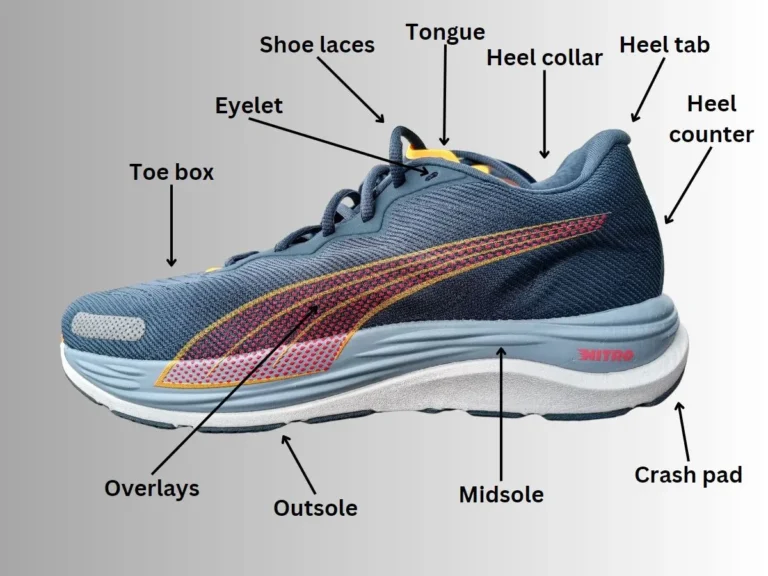
The materials your shoes are made from play a huge role in how much they stink. Synthetic materials, like some plastics and non-breathable faux leathers, tend to trap moisture inside the shoe. This lack of airflow means the sweat doesn't evaporate quickly, giving those odor-causing bacteria and fungi a perfect, damp playground.
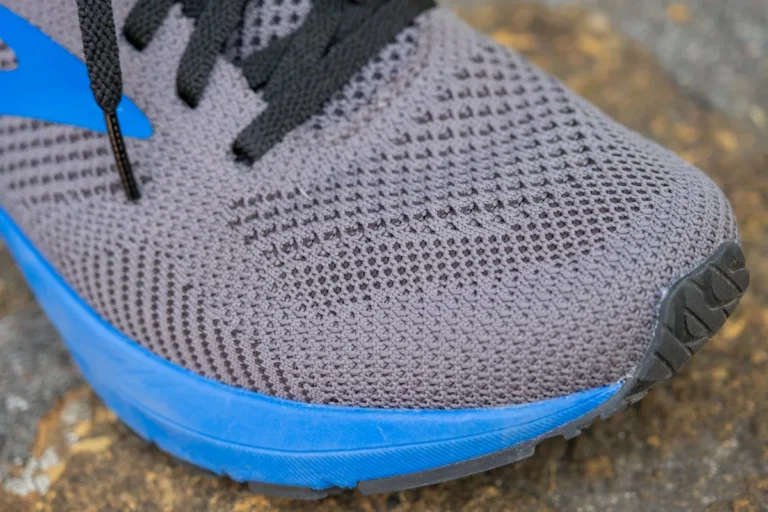
Natural materials like leather and canvas are generally more breathable, allowing air to circulate and moisture to escape more easily. For example, many athletic shoes are designed with mesh uppers, aiming for maximum breathability, a specification supported by athletic footwear standards developed by organizations like the International Organization for Standardization (ISO).
Your Shoe Smells: Let's Play Detective
Since there isn't just one reason shoes smell, we can figure out why your shoes are stinky by looking at a few things. Think of this like being a detective for your feet. We'll walk through some common scenarios to help you pinpoint the exact cause of the odor.
Step 1: Is It Your Activity Level?
Your daily routine and how much your feet sweat are primary factors. If you're someone who naturally sweats a lot, or if you engage in strenuous physical activity, your shoes are going to face more moisture. This creates a more hospitable environment for odor-causing microbes.
- High Activity/Heavy Sweating: If your feet feel damp even after a short walk, or drenched after exercise, moisture management is your biggest challenge. This leads to a constant supply of food for bacteria.
- Sedentary Lifestyle: Even if you don't sweat excessively, feet can still get clammy, especially in warmer weather or if you wear closed shoes for long periods. This can still contribute to odor over time.
Step 2: What Are Your Shoes Made Of?
The materials in your footwear directly impact how well they can manage moisture and airflow. Some materials are designed for breathability, while others act like little sealed chambers.
- Breathable Materials: Leather, canvas, and certain performance synthetics allow air to circulate, helping sweat evaporate. This reduces the dampness that bacteria need to thrive.
- Non-Breathable Materials: Plastics, vinyl, and some dense synthetic leathers trap heat and moisture. This creates a humid environment where odor-causing microbes can multiply rapidly.
Step 3: How Often Do You Wear Them?
Rotating your footwear is a simple yet incredibly effective way to combat shoe odor. If you wear the same pair of shoes every single day without giving them a chance to fully dry out, you're setting yourself up for a smelly situation.
- Daily Wear: Wearing the same pair consecutively means residual moisture from the previous day is still present. This keeps the interior damp and warm, perfect for bacterial growth.
- Shoe Rotation: Alternating between at least two pairs of shoes allows each pair to dry out completely between wears. This significantly reduces the moisture available for microbes.
Step 4: What About Your Socks (or Lack Thereof)?
Socks are your first line of defense against sweaty shoes. They absorb a significant amount of moisture before it even reaches the shoe lining.
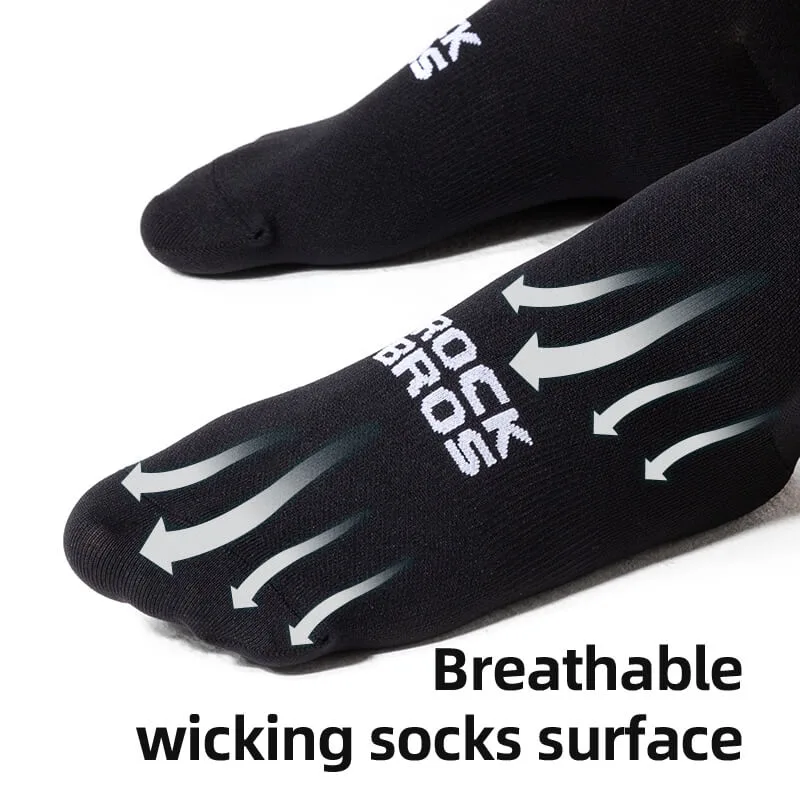
- Wearing Socks: Opt for socks made from moisture-wicking materials. These are typically blends that include wool or synthetic fibers designed to pull sweat away from your skin. Cotton socks, while comfortable, tend to hold moisture.
- Going Sockless: While it might seem more comfortable in some situations, going sockless in closed-toe shoes dramatically increases the amount of sweat that directly contacts the shoe's interior. This is a major contributor to shoe odor.
Step 5: Are Your Feet Healthy?
Sometimes, persistent foot odor isn't just about sweat and shoes; it can be an indicator of an underlying foot health issue.
- Normal Foot Conditions: Even healthy feet can produce enough sweat to cause odor in the right shoe environment.
- Fungal Infections: Conditions like athlete's foot can produce their own distinct, often unpleasant, odor in addition to causing itching and discomfort. If you suspect a fungal infection, it's best to seek advice from a healthcare professional or pharmacist.
Tackling the Stink: Quick Fixes and Prevention
Now that we've identified why shoes smell, let's talk solutions. Getting rid of that funk and keeping it from coming back is all about managing moisture and reducing the microbial party. Luckily, you don't need a chemistry degree to keep your shoes smelling fresh.
Your Go-To Deodorizing Arsenal
These are the tools and tricks you can use to zap existing odors and prevent new ones from forming.
- Baking Soda: This kitchen staple is a fantastic natural deodorizer. Sprinkle a generous amount inside your shoes overnight. Baking soda absorbs moisture and neutralizes odors. Just shake out the excess before wearing.
- Activated Charcoal Inserts: These small pouches are powerhouse odor absorbers. They work by trapping odor molecules and pulling moisture out of the shoe. You can place them inside your shoes when not in use.
- Antimicrobial Sprays: Many companies make sprays specifically designed for footwear. These sprays help kill odor-causing bacteria and fungi. Look for one that is safe for your shoe materials.
- Deodorizing Balls/Sticks: You can pop these into your shoes when you're not wearing them. They often contain a desiccant to absorb moisture and a freshening agent to combat smells.
- Cedar Shoe Trees: Beyond helping your shoes maintain their shape, cedarwood naturally absorbs moisture and has a pleasant, woody scent that can help mask or prevent odors.
- Sunlight: While not a quick fix, airing shoes out in direct sunlight can help kill some odor-causing bacteria due to UV exposure. Just be mindful of materials that might fade or degrade in intense sun.
Daily Habits for Fresher Feet and Shoes
Prevention is always easier than a cure. Integrating these simple habits into your routine can make a huge difference.
- Wash and Dry Your Feet Daily: Always wash your feet with soap and water. Crucially, dry them thoroughly, especially between your toes, before putting on socks or shoes.
- Wear Moisture-Wicking Socks: As mentioned, socks are your first defense. Choose materials designed to pull sweat away from your skin.
- Rotate Your Shoes: Don't wear the same pair two days in a row. Give each pair at least 24 hours to air out and dry completely. This is one of the most effective strategies.
- Open Air After Wearing: Whenever possible, take your shoes off in a well-ventilated area. Don't just shove them in a dark closet or gym bag immediately.
When to Consider a Deeper Clean or Replacement
Sometimes, simple deodorizing isn't enough. Your shoes might need a more thorough treatment, or it might be time to let them go.
- Washable Shoes: Check the manufacturer's label. Many athletic shoes or casual sneakers can be washed in a washing machine. Use a gentle cycle with mild detergent and air dry them completely afterward.
- Deep Cleaning: For shoes that can't go in the wash, you can try a more intensive cleaning with appropriate shoe cleaners. Always test on an inconspicuous area first.
- Signs It's Time to Replace: If shoes are very old, especially athletic ones that have lost their structural integrity or cushioning, they might be beyond saving. Persistent, deeply ingrained odors that even thorough cleaning can't remove are also a sign they've served their purpose.
Frequently Asked Questions About Shoe Odor
### Why do my athletic shoes smell so bad?
Athletic shoes are often designed for performance, meaning they're enclosed and can trap a lot of sweat during intense activity. This high moisture environment combined with heat creates an ideal breeding ground for odor-causing bacteria, making them prone to strong smells if not aired out properly after each use.
### Can I wash shoes that smell bad?
Yes, many shoes can be machine washed, but always check the care label first. Use a gentle cycle with cold water and mild detergent. It's crucial to air dry them completely afterward; never put them in a hot dryer, as this can damage the materials and adhesive.
### How long should shoes dry after washing or getting wet?
Ideally, shoes should dry for at least 24 to 48 hours in a well-ventilated area before being worn again. For faster drying, you can stuff them with newspaper or use a shoe dryer. Ensuring they are completely dry minimizes moisture for bacterial growth.
### Is it normal for feet to smell after wearing shoes all day?
It's very common for feet to sweat and develop some odor after being enclosed in shoes all day. Our feet have a high concentration of sweat glands. However, excessive or very strong odor might indicate that moisture isn't being managed effectively or that there's an underlying issue.
### What's the best way to prevent shoe odor in the first place?
The best prevention is managing moisture. This includes wearing moisture-wicking socks, rotating your shoes daily to allow them to dry completely, and ensuring your feet are clean and dry before putting on shoes. Regular cleaning and deodorizing also help significantly.

One Comment