How Should Running Shoes Fit?
Getting running shoes that fit right is more important than ever for comfort and injury prevention. If you've ever wondered, "How should running shoes fit?", you're in the right place. A shoe that feels just a bit off can turn a great run into a painful ordeal, affecting everything from your stride to your recovery.
Manufacturer specifications often indicate that a proper fit allows for foot expansion during activity, typically recommending about 1/4 to 1/2 inch (approximately 6-12 mm) of space at the front. This guide will walk you through the essential checks to ensure your running shoes are a perfect match for your feet.
Quick Answer
Running shoes should feel secure but not tight, with ample toe room. Your heel should stay put, and the midfoot should feel comfortably snug. There should be about a thumb's width of space between your longest toe and the shoe's end.
Prioritize comfort and avoid any pinching or rubbing during an in-store walk or jog.
The "Thumb Rule" and Why It's Just the Start
You've probably heard the classic advice: make sure there's about a thumb's width of space between your longest toe and the end of the shoe. This is a solid starting point, and for good reason. Your feet naturally swell and splay as you run, especially on longer distances or in warmer weather.
That space is crucial to accommodate this expansion, preventing your toes from jamming into the front of the shoe.
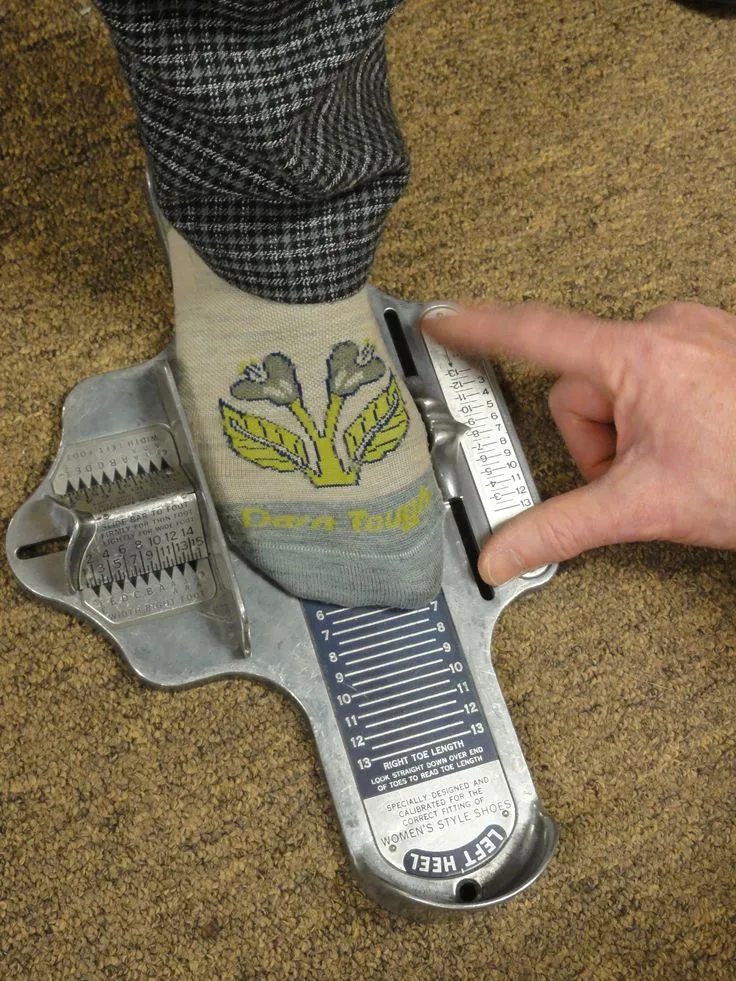
However, relying solely on the thumb rule can sometimes be misleading. Not everyone's longest toe is their big toe, and the internal construction of a shoe can affect how that space feels. It's a good initial check, but it needs to be combined with how the shoe feels overall around your foot.
We'll get into the more nuanced checks shortly, but keep this rule of thumb in mind as a fundamental guideline for your initial try-on.
How Should Your Shoes Feel Around Your Foot?
Beyond just the length, how the shoe hugs your foot is critical for comfort and support. This involves checking three main areas: the heel, the midfoot, and the forefoot. Each needs to feel right for the shoe to truly work with your stride.
Heel Security: Your heel should feel locked in. When you walk or jog, it shouldn't be slipping up and down. A little bit of gentle pressure is good, as it keeps your heel stable and prevents blisters caused by friction. If your heel feels like it's lifting significantly, it's a sign the shoe might be too big or the wrong shape for your foot.
Midfoot Hug: The middle part of the shoe should feel snug but not constricting. Think of it as a firm, supportive handshake around the arch and top of your foot. It should feel like the shoe is working with your foot's structure, providing stability without digging in or creating pressure points.
Forefoot Freedom: This is where your toes live, and they need space. While the midfoot is snug, the forefoot should feel relaxed. Your toes should have room to wiggle slightly side to side and extend a bit. They shouldn't feel crammed together or pressed against the sides of the shoe.
Common Pitfalls: What to Watch Out For When Trying On Shoes
Even with the best intentions, many runners make a few common mistakes when trying to find their perfect fit. Being aware of these pitfalls can save you a lot of discomfort and potential injury down the road. It's easy to get swayed by looks or a salesperson's quick recommendation, but your feet are the ultimate judges.
The "They'll Stretch" Myth: This is one of the most persistent myths in shoe fitting. Running shoes, especially modern ones made with engineered materials, are designed to maintain their shape and support. While there might be a minuscule amount of give in some upper materials over time, a shoe that feels too tight or too short when you try it on will almost certainly remain that way. Don't buy shoes hoping they'll magically conform to your feet.
Ignoring Hot Spots or Pinching: If you feel any sharp points, pinching, or even subtle rubbing when you first put the shoes on and walk around, that's a major red flag. These "hot spots" are often magnified over miles of running. What feels like a minor annoyance in the store can become a painful blister or severe discomfort during a run.
Buying Based on Looks Alone: It's tempting to go for the shoe that matches your gear or has the coolest design. However, aesthetics should always come second to fit and function. A shoe that looks great but fits poorly will compromise your running experience and could lead to injury. Prioritize how the shoe feels and supports your foot.
Your Step-by-Step Shoe Fitting Workflow
Finding the right fit isn't just about trying on a shoe and walking away. It's a process that involves several checks to ensure the shoe will work for you on the run. Follow these steps to get a comprehensive feel for how a running shoe should fit.
Checking Toe Box Freedom
This step directly addresses that crucial space at the front of the shoe. After slipping on the shoe and standing up, gently press down on the very front of the shoe with your finger while it's on your foot. You should be able to feel a distinct gap between your longest toe and the end of the shoe.
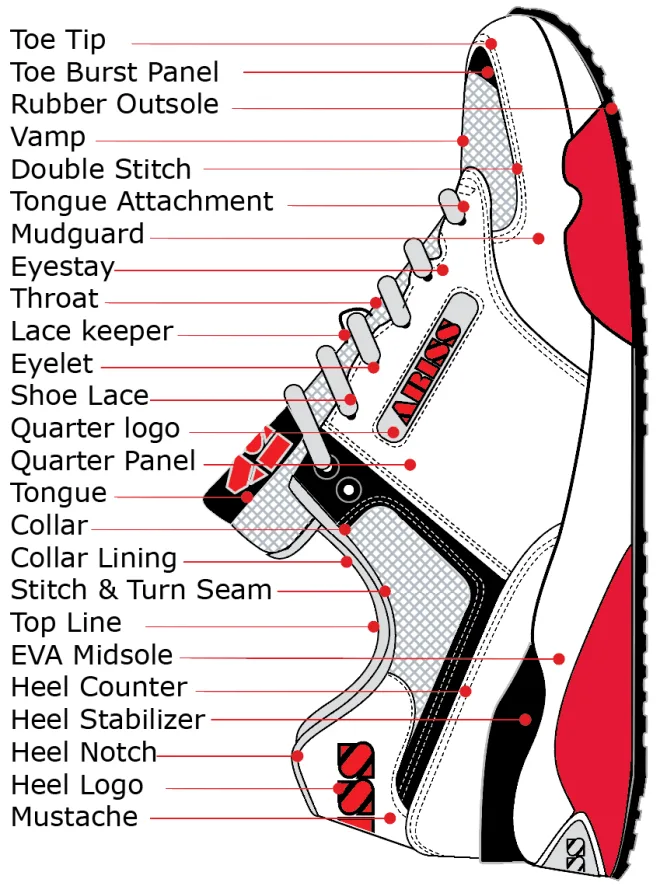
Manufacturer specifications, like those found on sites such as ASICS or Brooks, often recommend about a 1/4 to 1/2 inch (approximately 6-12 mm) of clearance. This is roughly equivalent to the width of your index finger at its thickest part. This space is vital to prevent toe bang, especially on downhill runs, and allows your toes to splay naturally with each step.
If you can’t comfortably slide your finger in, or if your toes feel jammed, the toe box is likely too small.
Assessing Heel Security
A secure heel is non-negotiable for preventing blisters and ensuring stability. With the shoe on and tied (use the lacing system to get a proper midfoot snugness first), gently rock your foot back and forth. Your heel should stay firmly in place within the heel cup.
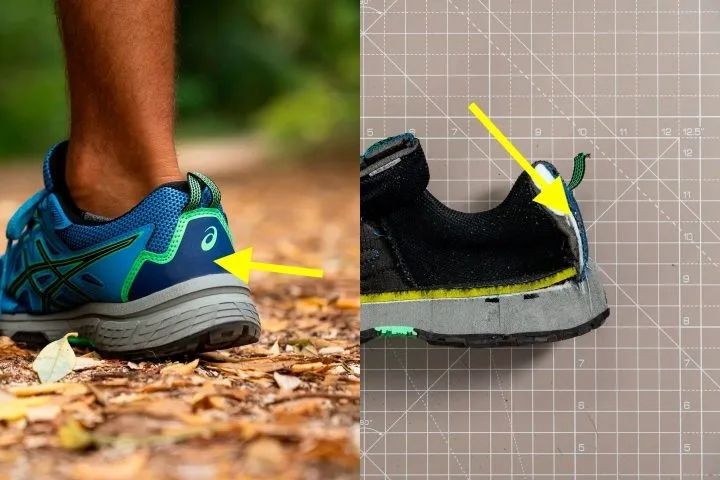
You shouldn't feel excessive slippage or lift. While some shoes have a bit more padding around the collar, which can feel snug, the actual heel bone should feel stable. If your heel lifts out of the shoe with each step or you feel it rubbing significantly, that shoe is likely not the right fit for your foot's anatomy.
This applies to all brands, from Nike to New Balance.
Evaluating Midfoot Hug
The midfoot is where the shoe wraps around the top of your foot and arch. It should feel supportive and comfortably snug, almost like a gentle hug. There shouldn't be any areas that feel like they're digging into your arch or the top of your foot.
Manufacturer sizing guides often emphasize this snugness for stability. You want the shoe to feel connected to your foot, providing a stable platform for your stride. If there's a lot of looseness in the midfoot, or if the laces feel like they're straining to achieve a secure fit, the shoe might be too wide or simply the wrong shape for your arch.
When to Seek Expert Fitting Advice
Sometimes, even after following these steps, you might still feel unsure. That's perfectly okay! The complexity of foot shapes and running mechanics means that personalized advice can be incredibly valuable.
Specialty running stores offer a service that goes beyond just trying on shoes off a shelf.
Staff at these stores are often trained to observe your gait, how your foot moves when you walk or run. They might have you run on a treadmill or even outdoors for a short distance to see your foot strike, pronation (how your foot rolls inward), and overall stride pattern. This assessment helps them recommend shoes that not only fit well in terms of length and width but also provide the appropriate level of support and cushioning for your specific biomechanics.
They can also identify subtle fit issues you might overlook.
FAQs About Running Shoe Fit
How long should I try on running shoes before buying?
You should try them on for at least 5-10 minutes, walking and doing a light jog in the store. Pay attention to any discomfort or hot spots that develop during this time, as they will only worsen during a run. This initial period allows your feet to settle into the shoe and reveal potential fit issues.
Can I buy running shoes online if I know my size?
Yes, you can buy running shoes online if you already know a specific model and size that fits you perfectly. However, it's riskier if you're trying a new brand or model. Foot shapes and sizing can vary significantly between manufacturers, so trying them on first is always recommended if possible.
What's the difference between width and length fit?
Length fit refers to the overall size of the shoe from heel to toe, ensuring there's enough room for your toes to move. Width fit addresses how snug the shoe is around the ball of your foot and the sides. Both are critical; a shoe can be the correct length but too narrow or too wide, causing discomfort and affecting stability.
Should my running shoes feel tight at first?
Your running shoes should feel snug and supportive, but not tight. They shouldn't pinch or restrict circulation. A good fit means your foot feels held securely by the shoe's structure, especially in the midfoot and heel, with ample room for your toes to move freely.
How often should I replace my running shoes?
Most manufacturers, like Saucony or Hoka, recommend replacing running shoes every 300-500 miles, or about every 6 months for regular runners. This is because the cushioning and support materials degrade over time, even if the shoe looks outwardly fine, reducing their effectiveness and increasing injury risk.

One Comment