How Should Walking Shoes Fit?
When you're looking for new walking shoes, getting the fit just right is more than just comfort; it’s about preventing pain and potential injury. You might think it’s as simple as grabbing your usual size, but our research indicates a more nuanced approach is key. Understanding how walking shoes should fit can save you a lot of trouble down the road.
This guide focuses on the practical, visual cues and key measurements you need. We'll break down what to look for in the toe box, midfoot, and heel. According to manufacturer specifications as of 2026, proper toe box space should typically be about a thumb's width, ensuring your toes have room to move without hitting the front of the shoe.
Let's dive into the specifics.
Quick Answer
Walking shoes should fit with about a thumb's width of space at the toe. Your heel should feel secure, not slipping. The midfoot should be snug but not tight.
You need to wiggle your toes freely. Width should accommodate your foot without pinching.
The Crucial Space: Understanding Toe Box Fit
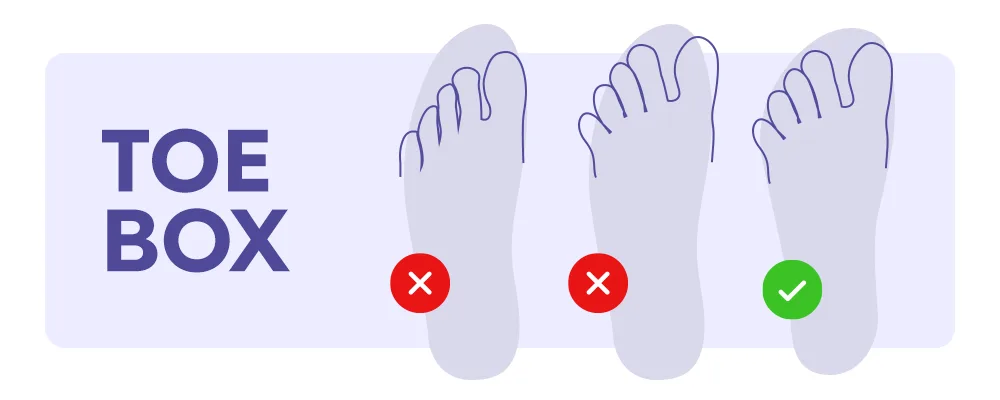
The toe box is arguably the most critical part of a walking shoe’s fit. If it's too small or too shallow, your toes can get crammed, leading to discomfort, blisters, or even long-term issues like bunions. So, how much room is actually enough?
Aggregate user reviews and manufacturer guidance consistently point to a specific measurement: about a thumb's width of space between your longest toe and the front of the shoe.
This isn't just about length; it's also about depth. Your toes should have enough vertical space so the shoe's upper doesn't press down on them. When you're standing, you should be able to comfortably wiggle your toes, and they shouldn't feel confined.
This space is crucial for natural foot movement, especially during inclines and declines.
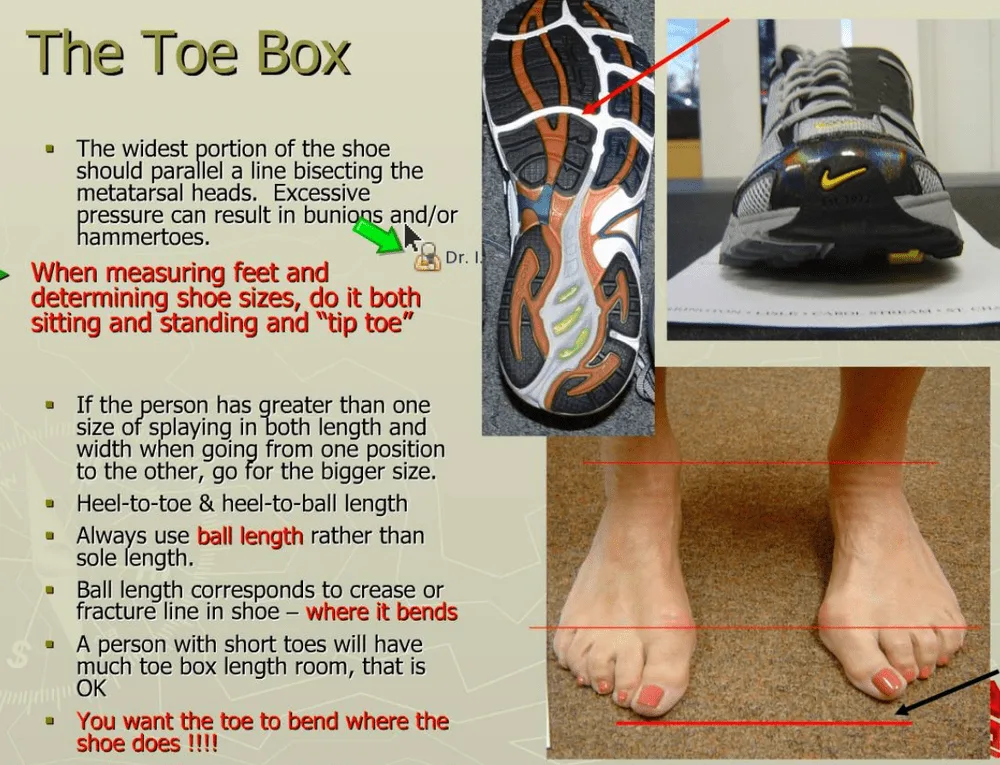
- Visual Check: Press down on the top of the shoe over your longest toe. You should easily feel that thumb’s width of space.
- Wiggle Test: Can you freely move your toes up, down, and side-to-side without resistance? If not, the toe box is likely too narrow or shallow.
- Flex Test: When you walk, the shoe should bend naturally at the ball of your foot. Your toes shouldn't be pushed forward into the end of the shoe during this flex.
Missing this toe box fit can lead to issues that affect your entire stride. If your toes are constantly hitting the front, you risk bruised toenails and pain with every step. We've seen feedback noting that even a slightly too-small toe box can make a short walk feel agonizing.
The Hug: Evaluating Midfoot and Arch Support
Once you’ve got the toe box sorted, the next crucial area is the midfoot. This is where the shoe should feel like a supportive, gentle hug around the arch and the top of your foot. It’s about feeling secure without any pinching or undue pressure.
This snugness helps stabilize your foot as you walk, preventing excessive rolling and providing a comfortable base.
The ideal fit here means the shoe conforms to the natural contours of your arch. You shouldn't feel a gap between your arch and the shoe’s insole, nor should you feel a sharp point digging into you. For those with higher or lower arches, this feeling of "conformance" is particularly important, as it indicates the shoe is working with your foot's structure.
- Snug, Not Tight: You want the shoe to feel close to your foot, but you shouldn't feel any discomfort or restriction when you flex your foot.
- No Pinching: Pay attention to the sides of your foot, near the arch. If you feel any pressure points or squeezing, the shoe might be too narrow for your foot shape.
- Arch Contact: Does the shoe's interior feel like it's supporting your arch? Or is there a noticeable gap, suggesting the shoe is too flat for your foot?
This midfoot support is vital for efficient walking. It helps maintain proper foot alignment and can reduce fatigue over longer distances. If the midfoot feels sloppy or overly tight, it can throw off your entire gait.
The Secure Hold: Getting Your Heel Fit Right
A secure heel is non-negotiable for comfortable walking. If your heel slips up and down inside the shoe with every step, you're setting yourself up for blisters, discomfort, and potentially instability. The goal is a snug, locked-in feeling without the sensation of being choked or restricted.
When you're trying on shoes, walk around for a bit. Does your heel lift significantly? A little bit of slight lift is sometimes acceptable as the shoe breaks in, but any substantial movement is a red flag.
The heel counter, the stiff part at the back of the shoe, should cup your heel firmly.
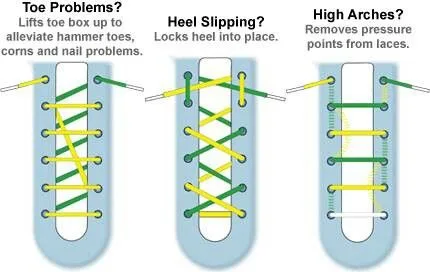
- The Slip Test: While standing, gently try to lift your heel out of the shoe. It should resist coming out.
- Walk It Out: Take several steps. If you feel your heel noticeably rising or "slopping" with each stride, the fit isn't right.
- No Chafing: Ensure the top edge of the heel counter isn't digging into your Achilles tendon.
Proper heel fit is especially important if you're walking on uneven terrain or inclines. A secure heel prevents your foot from sliding forward in the shoe on downhills, which could jam your toes, and it provides a stable base for pushing off with each step. This secure hold is key for confident movement, and our research shows that brands often use specific heel cup designs to achieve this.
For those interested in how different types of athletic footwear handle this, understanding what is a stability running shoe? can offer context on how support structures work.
Width Matters: Beyond Just Length
We often focus on shoe length, but shoe width is just as critical for a comfortable and injury-free walking experience. A shoe that's too narrow will pinch your foot, especially across the ball, leading to discomfort and potentially affecting circulation. Conversely, a shoe that's too wide can cause your foot to slide around inside, leading to friction, blisters, and a lack of support.
Most walking shoes come in standard widths, but many brands now offer options for wider or narrower feet. It's essential to know your foot's width. You can often get this measured professionally at a shoe store.
When trying on shoes, pay attention to how the widest part of your foot feels.
- No Foot Bulge: Your foot should sit comfortably within the shoe's sole. If you see or feel your foot spilling over the sides, the shoe is too narrow.
- No Gaps: If there's a large gap between your foot and the shoe's sides, or if the laces can't be snugged down without significant slack, the shoe might be too wide.
- Accommodating Laces: Can you lace the shoes to feel secure without the eyelets being pulled too close together (too narrow) or having excessive overlap (too wide)?
Understanding your foot's width is a key part of the fitting process, just as important as finding the correct size. For a deeper dive into this aspect of fit, exploring what is the difference between shoe width and size? can be very illuminating. It highlights how these two measurements work together to ensure a proper fit.
The Feel Test: Your Best Indicator
Ultimately, the best way to know how walking shoes should fit is to trust your own feet. While measurements and guidelines are helpful starting points, the real test happens when you put the shoes on and walk around. This "feel test" allows you to assess how all the different fit points come together during actual movement.
It's advisable to try on shoes later in the day, as your feet tend to swell slightly throughout the day. This ensures the fit you experience in the store is representative of how they'll feel during a typical walk. Also, always wear the type of socks you plan to walk in.
Thicker walking socks will change how a shoe fits compared to thin everyday socks.
- Wear the Right Socks: Always try shoes on with your intended walking socks.
- Test Later in the Day: Your feet swell, so afternoon fittings are more accurate.
- Walk, Don't Just Stand: Take several laps around the store, noting any pressure points or slippage.
- Flex and Bend: Pay attention to how the shoe bends with your foot.
This hands-on evaluation is where you can catch subtle issues. Sometimes, a shoe might seem okay based on space alone, but the actual feel of the materials, the arch support, or the way it flexes can reveal it's not the right fit for your unique foot. If you're considering running shoes for walking, remember that their design might differ significantly; exploring can you use running shoes for walking? can provide helpful context on this common query.
Common Fit Mistakes to Sidestep
Even with all the advice, it's easy to make mistakes when buying walking shoes. One of the biggest culprits is relying too heavily on the size number printed on the box. Shoe sizing can vary significantly between brands, and even between different models from the same brand.
What's a size 9 in one shoe might fit like an 8.5 or a 9.5 in another.
Another pitfall is ignoring how the shoe feels when you first put it on. We often hear people say they'll "break them in," but as we touched on, this is usually a sign of a poor initial fit. The shoe should feel comfortable and supportive right out of the box.
If you have to endure significant discomfort to make them wearable, they are likely not the right pair for you.
- Over-Reliance on Size Numbers: Always try shoes on, don't just order your usual size without confirming the fit. Manufacturer specifications indicate that precise fit is paramount.
- Ignoring Discomfort: Any pinching, rubbing, or pressure points are red flags. Don't assume they'll go away.
- Not Trying Both Shoes: Your feet might be slightly different sizes. Always try on both shoes and fit to the larger foot.
- Wrong Socks: Wearing thin socks when you plan to walk in thicker ones can lead to a shoe that feels too loose once you're actually out and about.
Being aware of these common errors can save you from purchasing shoes that will cause pain and potentially lead to foot issues. Understanding how to measure your feet for shoes can provide a more accurate starting point than just relying on the number.
When to Trust Your Gut (and Your Feet)
After considering all the technical aspects, the toe box space, heel security, and width, there's still a crucial, often overlooked, element: your intuition. Your feet are incredibly sensitive, and they'll tell you if something isn't right. If a shoe feels off, even if it technically meets all the fit criteria on paper, it's probably not the right shoe for you.
This is where the "feel test" becomes paramount. As we’ve discussed, walking around in the shoes, noticing how they flex, and paying attention to any subtle pressure points or areas of friction is essential. This goes beyond just checking for obvious discomfort.
It’s about a general sense of ease and support.
- Subtle Discomfort: Listen for any faint rubbing or areas where the shoe feels stiff or unyielding against your foot.
- General Ease: Does the shoe feel natural on your foot? Or does it feel like you're forcing your foot into a shape it doesn't want to be in?
- Confidence in Movement: Do you feel stable and confident walking in them, or are you unconsciously adjusting your stride to compensate for an odd fit?
Aggregate reviews from shoe wearers often highlight that even expensive, technically advanced shoes can be uncomfortable if the fit isn't right for an individual's foot shape. This is why taking the time to properly assess the fit, and trusting your feet's feedback, is so vital.
Frequently Asked Questions About Walking Shoe Fit
How much room should be in a walking shoe toe box?
There should be about a thumb's width of space between your longest toe and the end of the shoe. Your toes should also have enough vertical room to wiggle freely.
Should my heel slip at all in walking shoes?
Your heel should feel secure and not lift significantly when you walk. Some very minor lift might be acceptable as a shoe breaks in, but substantial slipping indicates a poor fit.
Can I wear running shoes for walking?
While you can, running shoes and walking shoes are designed differently. Running shoes often have more cushioning and a specific flex point for forward propulsion, whereas walking shoes prioritize stability and a more consistent flex. For dedicated walking, purpose-built walking shoes often provide a better fit and support.
What if one foot is larger than the other?
Always fit your shoes to your larger foot. You can often adjust the fit of the smaller shoe with an insole or by tying it slightly tighter, but you can't make a shoe larger.
How often should I replace my walking shoes?
This varies by usage, but typically, walking shoes should be replaced every 300 to 500 miles of walking, or when you notice significant wear on the outsole or a loss of cushioning and support. As of 2026, this mileage guideline remains a standard benchmark.