How Long Do Basketball Shoes Last?
Figuring out how long do basketball shoes last isn't a simple numbers game; it’s about understanding wear and tear based on how you play. A pair that sees daily court action will give up the ghost much sooner than one used for casual pick-up games. We’ve dug into what actually makes those performance shoes break down and what you can realistically expect.
Manufacturer specifications often list a general lifespan based on ideal conditions, but real-world use tells a different story. For instance, the structural integrity of the midsole foam, a key component for cushioning and support, typically starts to degrade after a certain number of hours or miles of impact. As of 2026, understanding these degradation factors is crucial for players looking to optimize performance and avoid injury.
Quick Answer
Basketball shoes typically last 6 to 12 months for regular players. This estimate depends heavily on play frequency, intensity, court surface, and player weight. Expect them to lose significant cushioning and traction within 400-600 hours of court time.
How Your Play Style Wears Down Shoes
Your personal approach to the game is the biggest factor dictating how quickly your basketball shoes give up the ghost. It’s not just about how often you hit the court, but how you move on it. Aggressive players tend to put more stress on their footwear than those who play a more controlled game.
Court Time & Frequency
Hitting the court once a week for a casual game is vastly different from daily training sessions. The more time your shoes spend under stress, the faster the materials will break down. A pair used for 5-on-5 games twice a week will naturally last less time than a pair worn for a single hour of shooting drills on a Saturday.
Intensity of Play
Are you constantly exploding for dunks, making sharp cuts, and jumping for rebounds? Or are you playing a slower-paced game focused on fundamentals? Aggressive movements create higher impact forces and more friction on the sole and upper materials.
This means a player who constantly drives to the basket will wear down their shoes faster than someone who focuses on outside shooting.
Player Build & Movement
Weight and height play a role. Heavier players exert more force on their shoes with every step and jump, leading to quicker compression of the midsole cushioning. Similarly, a player with a very agile, quick-footed style that involves a lot of lateral movement and sudden stops will also accelerate wear and tear.

Image source: Web (Bing) / youtube.com (Web image (fair-use with source credit))
Tracking Shoe Wear: Signs It's Time for a New Pair
Knowing when to retire your trusty basketball shoes is key to maintaining performance and preventing injuries. It’s not just about how they look; it’s about how they feel and perform. Once certain features degrade, they stop offering the support and protection you need on the court.
Sole & Traction Breakdown
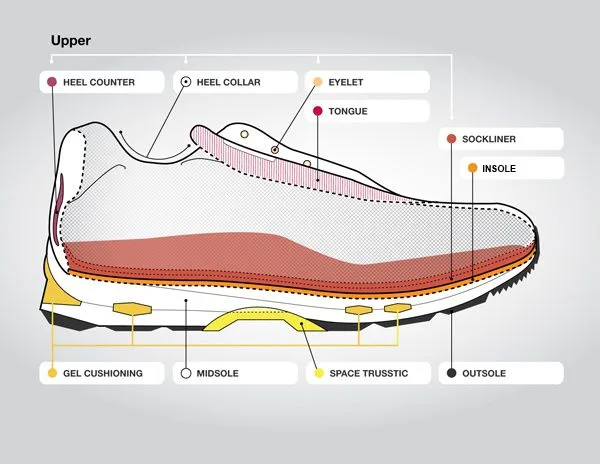
The outsole, the part of the shoe that grips the court, is usually the first to show significant wear. Look for patterns that have become smooth or significantly flattened, especially in high-wear areas like the forefoot and heel. This loss of tread directly impacts your ability to stop, start, and change direction quickly.
If you find yourself slipping more often, that’s a clear indicator your traction is gone.
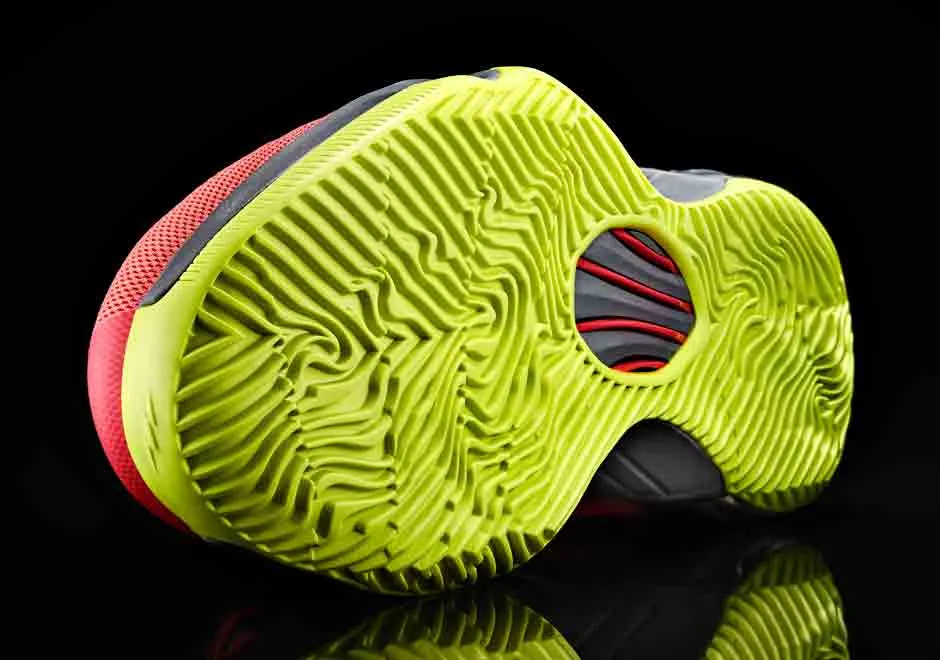
Image source: Bing (Web (fair-use with source credit))
Midsole Cushioning Collapse
The midsole provides the shock absorption and support needed to handle the constant pounding of basketball. Over time, the foam materials, often EVA or polyurethane, compress and lose their ability to bounce back. You'll notice this as a general "flatness" in the shoe, where the responsive feel disappears.
Instead of absorbing impact, worn-out midsoles offer little protection, which can lead to foot fatigue and even stress fractures.
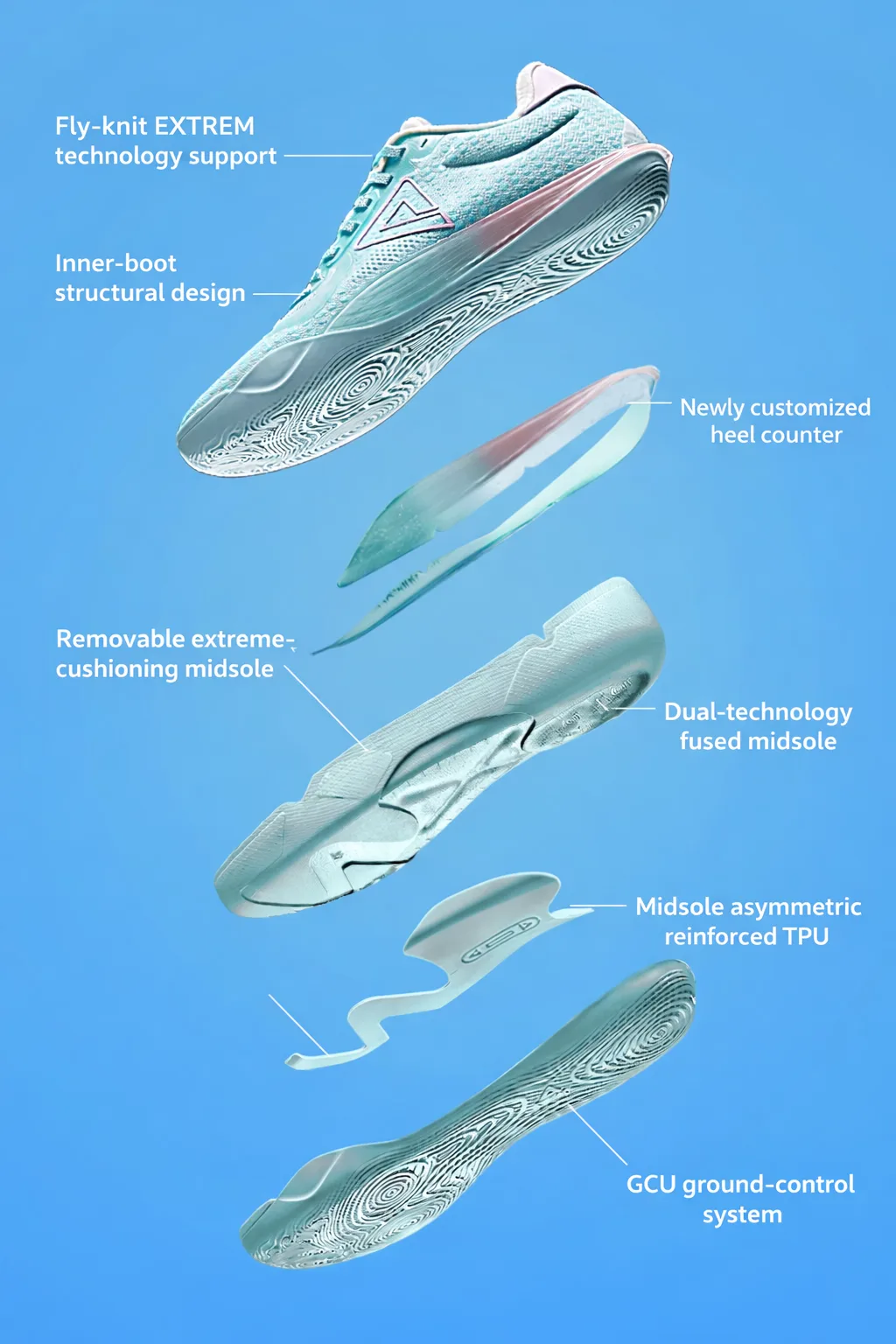
Image source: Bing (Web (fair-use with source credit))
Upper Material Tears & Damage
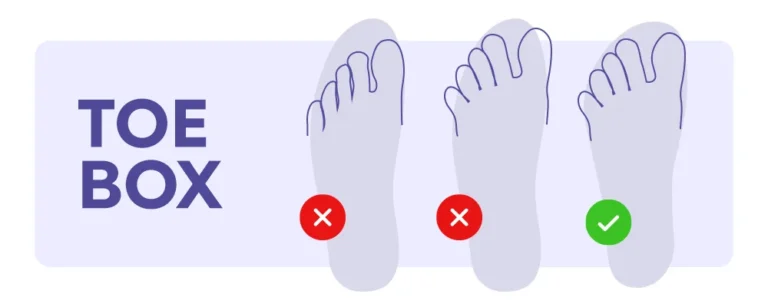
While less common than sole or midsole wear, the upper materials can also fail. Look for rips in the mesh, particularly around the toe box or where the upper meets the sole. If the synthetic overlays are peeling away or the internal ankle collar padding is frayed, the shoe’s structural integrity is compromised.
This can affect fit, support, and overall durability.
Real-World Timelines: How Long Do Shoes Actually Last?
So, what can you realistically expect in terms of lifespan? It’s a spectrum, and your personal usage will determine where you fall. We're talking about actual playing hours, not just how long they sit in your closet.
The Recreational Player's Pair
For someone who plays basketball for fun, maybe once or twice a week for an hour or two, a good pair of basketball shoes can last a solid year. This usually translates to roughly 100-150 hours of actual court time. The materials won't be pushed to their absolute limit, allowing for a more gradual breakdown.
You might see some minor outsole wear and a slight reduction in cushioning, but they'll still offer decent support and traction.
The Serious Player's Rotation
If you’re playing multiple times a week, in organized leagues, or training consistently, your shoe lifespan shrinks considerably. A serious player might log 400-600 hours on the court before their shoes are truly spent. This means a pair could only last 6 to 9 months.
The constant stress from hard cuts, aggressive defense, and frequent jumping will wear down the cushioning and traction much faster. Many serious players even adopt a shoe rotation strategy, using two or more pairs to distribute the wear and extend the life of each.
Outdoor vs. Indoor Court Impacts
Playing on outdoor courts, especially rough concrete or asphalt, significantly accelerates shoe wear. The abrasive surfaces chew through outsole rubber much faster than indoor hardwood. Manufacturer specifications for outsoles often account for typical indoor use; outdoor play can cut the lifespan of the outsole by half or more.
If you primarily play outdoors, look for shoes designed with more durable rubber compounds, but still expect them to wear down quicker than indoor-only shoes.
Maximizing Shoe Life: Tips from the Court
While you can't stop time or wear completely, there are smart strategies to help your basketball shoes go the distance. These aren't magic fixes, but they do make a tangible difference in how long your footwear stays court-ready.
Proper Cleaning & Care
After a game or practice, take a moment to wipe down your shoes. Remove excess dirt and debris from the outsole and upper. If they get really sweaty, stuff them with newspaper or use a shoe dryer to help wick away moisture.
Damp shoes can break down faster and start to smell. For deeper cleaning, consult guides on how to clean running shoes, as many principles apply.
Shoe Rotation Strategy
This is one of the most effective ways to extend the life of your basketball shoes. Instead of using the same pair for every single session, alternate between two or more pairs. This allows the midsole cushioning material to decompress and regain its shape between uses.
It also gives the upper materials a chance to dry out completely, preventing premature breakdown from constant moisture.
When to Call It Quits
The clearest sign is when you start to feel pain or instability during play. If the cushioning feels dead, the traction is gone, or you’re rolling your ankles more often, it's time. A good rule of thumb is to assess them after about 300-400 hours of play or if you notice critical wear like smooth outsoles or completely compressed midsoles.
Ignoring these signs can lead to performance drops and increase your risk of injury.
Common Mistakes That Shorten Shoe Life
Many players unintentionally shorten the lifespan of their basketball shoes through simple oversights. These aren't complex technical errors, but rather common habits that put unnecessary stress on the footwear, leading to faster degradation. Avoiding these pitfalls can add significant playing time to your favorite pairs.
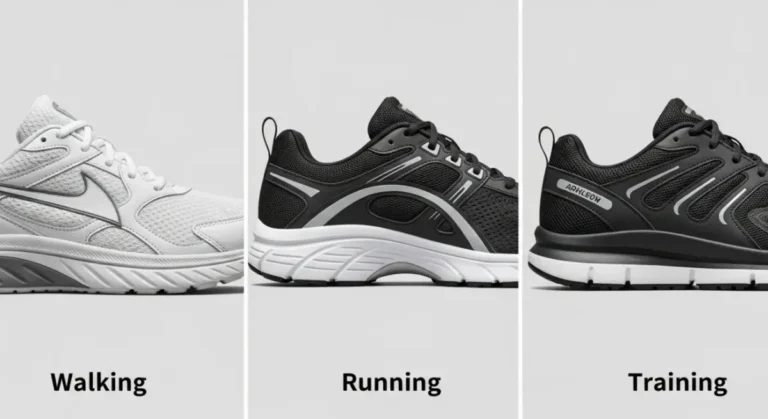
One of the most frequent mistakes is wearing basketball shoes for activities other than playing basketball. Using them for walking around town, gym workouts, or even running can cause uneven wear on the specialized sole patterns and put stress on the midsole in ways it wasn't designed for. Similarly, leaving shoes in hot cars or direct sunlight can degrade the adhesives and foam materials much faster than normal.
Just like how to break in new shoes requires care, so does preserving their lifespan. Another common issue is neglecting proper cleaning, allowing dirt and sweat to break down materials over time; remember why do shoes smell? It’s often due to moisture and bacteria buildup that compromises the shoe's integrity.
Frequently Asked Questions About Basketball Shoe Durability
### How many hours of play can I expect from a pair of basketball shoes?
Generally, you can expect around 400 to 600 hours of court time before significant performance degradation occurs for regular players. This can vary greatly based on intensity, court surface, and player weight.
### Can I use my basketball shoes for other sports?
It's best to avoid it. Basketball shoes are designed for the specific movements of the game, like sharp cuts and jumps on hardwood. Using them for running, training, or other sports can lead to uneven wear and damage the specialized support systems.
### Does playing on outdoor courts really reduce lifespan that much?
Yes, significantly. Outdoor courts, especially asphalt or concrete, are much more abrasive than indoor hardwood. This can wear down the outsole traction much faster, often cutting the sole's effective life in half compared to indoor use.
### Should I clean my basketball shoes after every game?
While not always necessary after every single use, it's a good practice to wipe them down to remove dirt and debris. Allowing sweat to dry out properly by airing them out or stuffing them with newspaper is also crucial for preserving the materials.