How Should Basketball Shoes Fit?
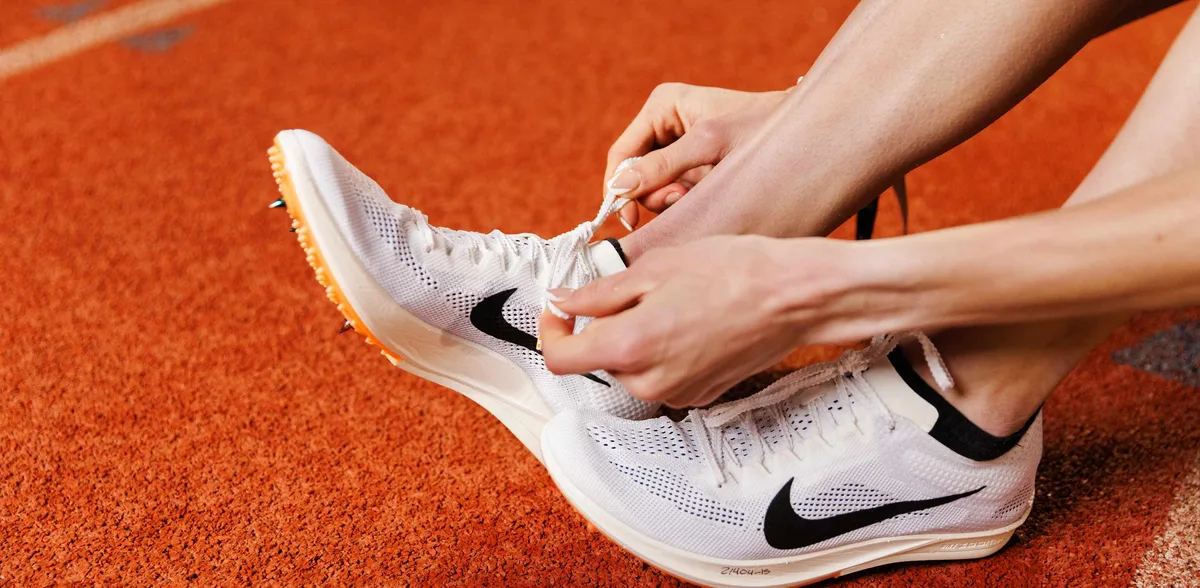
Image source: Bing (Web (fair-use with source credit))
How Your Basketball Shoes Should Feel: The Ultimate Fit Guide
Getting your basketball shoes to fit right is more than just comfort; it's about performance and injury prevention. When your shoes feel like a natural extension of your feet, you can cut, jump, and sprint with full confidence. A shoe that fits poorly, however, can lead to blisters, discomfort, and even more serious issues down the line.
Manufacturer specifications for basketball shoe fit typically recommend about a thumb's width of space between your longest toe and the shoe's front. This crucial measurement, along with how the shoe contours to your foot's width and arch, dictates a truly optimal fit. Let's dive into how to find that sweet spot.
Quick Answer: What's a Good Basketball Shoe Fit?
A good basketball shoe fit is snug but not tight. Your heel should feel locked in without slipping. You should be able to wiggle your toes freely.
There's about a thumb's width of space at the front. The shoe supports your foot's natural movement.
Step-by-Step: Checking the Fit on Your Feet
Achieving the right fit involves a simple, actionable process. It’s not complicated, but it requires you to pay attention to a few key areas. Remember, the goal is to mimic how your feet will feel during actual play.
- Timing is Everything: Try on shoes late in the afternoon or evening. Your feet naturally swell throughout the day, especially after activity. This ensures you're getting a true representation of the fit when your feet are at their largest.
- Sock It To Me: Always wear the same type of socks you’d typically use for basketball. These are usually thicker than everyday socks, and their bulk significantly impacts how a shoe feels.
- The Stand and Wiggle: Once laced, stand up. Can you comfortably wiggle your toes up and down and side-to-side? If your toes feel cramped, jammed, or go numb, the shoe is too small or too narrow.
- Walk and Jog: Don't just stand there! Walk around the store. Try a light jog. Pay close attention to your heel. Is it lifting noticeably out of the shoe with each step? That indicates a poor heel lock.
- Width Assessment: Feel the sides of your foot, especially around the ball of your foot and arch. The shoe should feel securely cradled, not painfully squeezed. Any pinching or sharp pressure points mean the width is wrong for you.
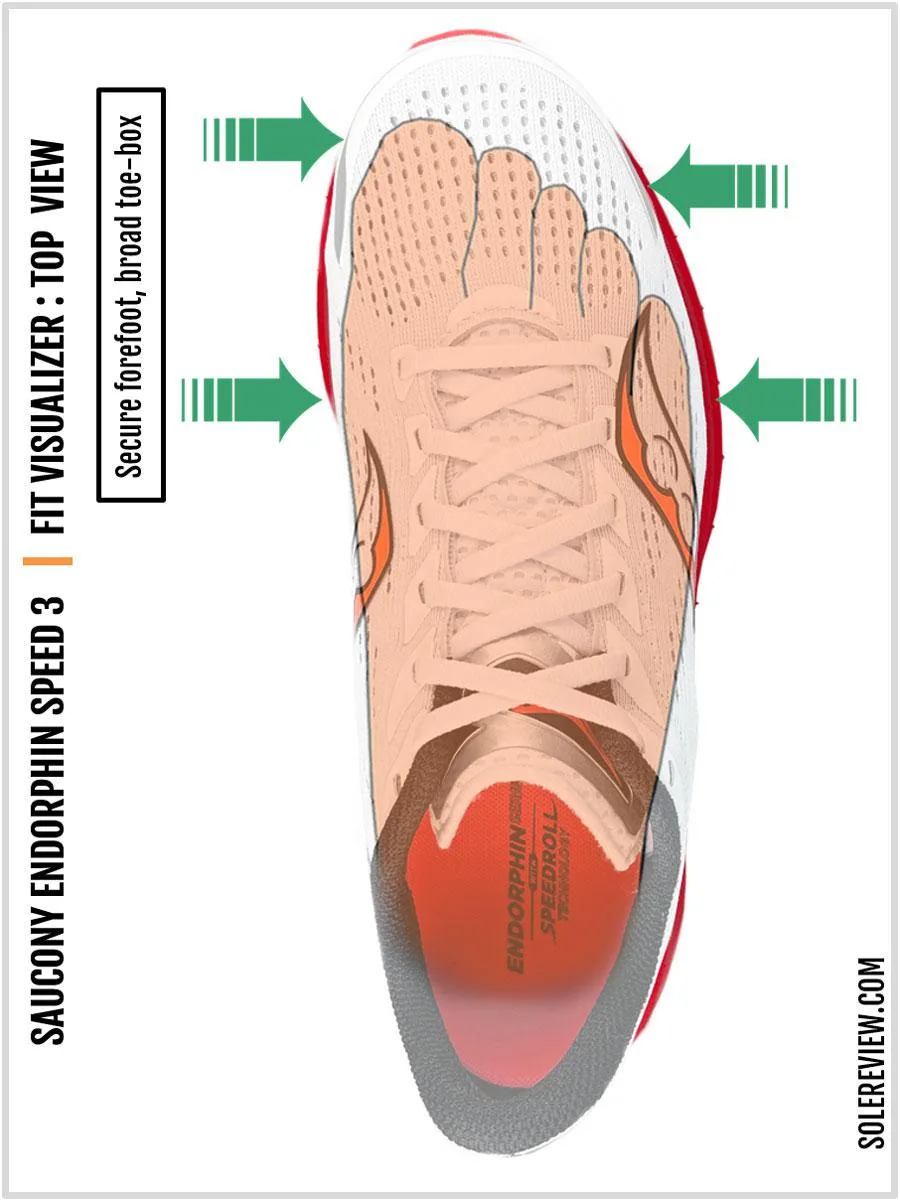
Image source: Bing (Web (fair-use with source credit))
What to Look For: Signs of a Perfect Fit
When a basketball shoe truly fits you well, it feels like it was made specifically for your foot. It becomes a tool that enhances your game rather than a distraction. Several indicators will tell you you've found a winner.
- Total Lockdown: Your foot should feel completely secure within the shoe. When you make sudden stops or changes in direction, your heel should remain planted, and your foot shouldn't slide forward or sideways. This secure feeling is crucial for stability.
- Balanced Pressure: The shoe will feel snug around your midfoot and arch, providing support without any uncomfortable tightness. You won't feel any specific points digging into your foot. It's a consistent, supportive hug.
- Toe Freedom: While snug, the toe box should offer enough space for your toes to spread slightly. They shouldn't be squished together or jammed against the front. This allows for better balance and shock absorption during landings.
- Ground Connection: A good fit means you can feel the court beneath you. This connection allows for better proprioception (your body’s sense of its position in space), which is vital for quick reactions and balance. You'll feel agile and responsive.
Image source: Bing (Web (fair-use with source credit))
Common Pitfalls: Mistakes When Trying on Shoes
It’s easy to make mistakes when trying on new basketball shoes, especially if you're eager to get them on the court. Being aware of these common errors can save you from discomfort and potential performance issues. These missteps often stem from overlooking details or relying on assumptions.
- Ignoring Width: Many shoppers focus solely on length, assuming that if the size number is right, the width must be too. However, feet come in various widths, and a shoe that's too narrow or too wide will cause problems, regardless of its length. This is why checking for pinching or excessive looseness on the sides is just as important as checking toe space.
- Not Wearing Game Socks: Trying on shoes with thin dress socks or no socks at all gives a false impression of fit. Basketball socks are usually thicker and designed to provide cushioning and support. They change the volume inside the shoe, so fitting with them is essential for an accurate assessment.
- Assuming a "Break-In" Fix: While some shoes do loosen up slightly, relying heavily on a "break-in period" to fix significant discomfort is a risky strategy. If a shoe feels painfully tight, pinches your toes, or causes blisters right out of the box, it's unlikely to magically become comfortable. Manufacturer specifications from brands like Nike and Adidas typically emphasize that an immediate good fit is paramount for performance footwear.
- Over-Lacing or Under-Lacing: How you lace up can dramatically affect the perceived fit. Tying them too loosely won't give you a true sense of lockdown, while overtightening can create pressure points that aren't present with a game-ready tension.
What About Breaking Them In?
The idea of "breaking in" new shoes is common, but for basketball footwear, it needs a specific approach. While some materials, like certain leathers or stiffer synthetics, might become more pliable with a bit of wear, the core structure and fit of a basketball shoe should be solid from the start. You're not looking for a shoe to transform; you're looking for it to conform slightly to your foot's unique shape.
The process of breaking in basketball shoes usually involves wearing them for shorter periods initially, perhaps around the house or during light practice drills, rather than for a full, intense game. This allows the materials to adapt to your foot's natural movement and pressure points. Aggregate reviews from users often indicate that a week or two of consistent, but not exhaustive, wear is usually sufficient for most basketball shoes to feel optimally broken in.
It’s about subtle adjustments, not fundamental changes to the shoe's fit.
Expert Tips for Finding Your Ideal Fit
Beyond the basic checks, a few expert insights can really fine-tune your search for the perfect basketball shoe fit. These tips focus on nuances that often get overlooked but can significantly impact your on-court experience.
- Consider Your Play Style: Are you a quick guard who needs a responsive, lightweight feel, or a strong forward who benefits from more substantial cushioning and ankle support? Your playing style dictates how snug or roomy your shoes should be. Guards might prefer a tighter, more locked-down feel for quick directional changes, while players who do a lot of jumping and landing might prioritize comfort and impact absorption.
- Listen to Your Feet: This sounds obvious, but really pay attention to how your feet feel. Are there any hot spots? Does any part of the shoe feel like it's rubbing or digging? Your body will tell you if something is off. Trust that sensation over a salesperson’s suggestion or a perceived trend.
- Check for Symmetry: Even in high-quality footwear, there can be minor variations. Make sure the fit feels consistent on both feet. If one foot feels noticeably different, it might be worth trying another pair or even a different model. Your feet aren't always perfectly identical, but the shoes should accommodate them well.
- Understand Material Differences: Different shoe materials will feel and perform differently. Synthetic meshes offer breathability but might not offer as much structured support as leather or robust synthetics. Knowing the properties of the materials used in a shoe can help you anticipate how it will feel and perform. As of 2026, advancements in material science continue to push the boundaries of both comfort and performance.