What Makes a Good Tennis Shoe?
When you're heading onto the court, the right footwear can feel like an extension of your own body. But what exactly makes a good tennis shoe, and how do you pick the one that won't let you down? It’s about finding that sweet spot between support, comfort, and performance specifically engineered for the demands of the game.
The right tennis shoes provide crucial lateral stability and durable traction. Manufacturer specifications often detail outsole rubber hardness ratings, typically ranging from 50 to 70 on the Shore A durometer scale, designed to balance grip with abrasion resistance as of 2026. These specialized shoes are built to handle the unique, multidirectional movements of tennis, which standard athletic sneakers just can't match.
Quick Answer
A good tennis shoe offers superior lateral support and durable traction tailored for court movements. Key features include a reinforced upper, a stable heel counter, and an outsole designed for grip and slide control on specific surfaces. They prioritize foot protection against impacts and provide a comfortable, secure fit to prevent injuries during quick stops and changes of direction.
Why Tennis Shoes Are Different
Think of standard running shoes versus tennis shoes. Running shoes are built for forward motion, with cushioning focused on impact absorption in a straight line. They often have more flexible soles.
Tennis shoes, however, are designed for a brutal mix of quick sprints, sharp stops, lateral shuffles, and explosive changes in direction. This means they need a different kind of construction.
Our research indicates that tennis shoes incorporate features specifically to combat the stresses of court play. Their outsoles are typically made from harder, more durable rubber compounds to withstand abrasion from sliding and quick stops, while their uppers often have reinforced areas, especially around the midfoot, to prevent excessive stretching and provide stability. This specialized design directly addresses the unique biomechanical demands of tennis.
Features That Matter for Court Performance
When you’re evaluating a tennis shoe, several features stand out as critical for performance and safety. These aren't just nice-to-haves; they're foundational elements that directly impact how you move and how well you’re protected on the court.
- Outsole Durability & Tread Pattern: The rubber on the bottom is engineered for longevity and grip. For hard courts, you'll see patterns designed for maximum traction and wear resistance. Clay courts require a different, often herringbone, pattern that allows for controlled sliding and prevents clay from clogging the tread.
- Upper Reinforcement: Tennis shoes usually feature tougher materials and extra support structures, especially around the sides of the forefoot and midfoot. This prevents the shoe from deforming under lateral stress, which can lead to ankle rolls.
- Midsole Cushioning: While some runners prioritize plush cushioning, tennis shoes aim for a balance. You want enough shock absorption to reduce impact on joints, but not so much that you lose court feel or feel unstable.
Support & Stability: Your First Line of Defense
This is arguably the most critical aspect of a good tennis shoe. Tennis requires constant, rapid lateral movements, side shuffles, quick sprints to the net, and sudden stops to change direction. Without proper support, your feet are vulnerable.
- Lateral Stability: This refers to how well the shoe prevents your foot from rolling outwards or inwards during side-to-side movements. Look for shoes with sturdy sidewalls, reinforced overlays in the midfoot, and a wide base. Manufacturer specifications often highlight proprietary support systems designed to lock the foot onto the shoe’s platform.
- Heel Counter: The stiff cup at the back of the shoe that surrounds your heel is vital. A good heel counter should be firm and well-shaped to hold your heel securely, preventing slippage and providing a stable anchor for your foot during aggressive plays. This helps maintain your alignment and reduces stress on your ankles.
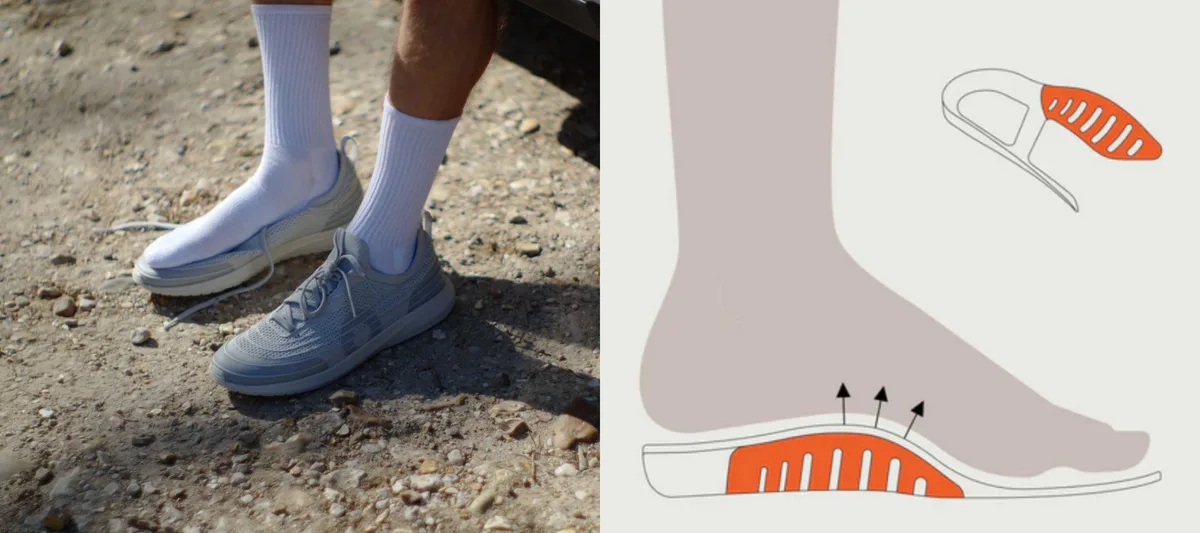
Image source: Bing (Web (fair-use with source credit))
Aggregate reviews report that shoes lacking adequate lateral support can lead to a higher incidence of ankle sprains, particularly for players making quick directional changes.
Cushioning & Comfort: Absorbing the Impact
While stability is king, cushioning plays a huge role in comfort and preventing fatigue over long matches or intense training sessions. The impact forces generated by jumping, stopping, and pushing off the court can be significant.
- Midsole Materials: Most athletic shoes use EVA foam, polyurethane, or various gel or air-infused technologies in their midsoles. For tennis, the goal is a responsive cushioning system that absorbs shock without feeling mushy or sacrificing court feel. You want to feel connected to the ground, not floating on it.
- Fit and Feel: Beyond the materials, the overall comfort of the shoe is paramount. This includes how well the shoe contours to your foot, whether there are any pressure points, and how the cushioning feels underfoot during various movements. A shoe that’s uncomfortable will distract you and can even lead to blisters or hot spots.
Aggregate buyer feedback suggests that players often find a balance between responsive cushioning for shock absorption and a firm feel for quickness to be ideal. This ensures comfort without compromising agility on the court.
Hard Court vs. Clay Court: Choosing the Right Sole
The surface you play on makes a big difference in what you need from your shoes, especially the outsole. Using the wrong type of shoe can impact your movement, wear down the shoe faster, or even increase your risk of slipping.
| Feature | Hard Court Shoes | Clay Court Shoes |
|---|---|---|
| Outsole Tread | Deeper, more durable pattern for grip and abrasion resistance. | Fine, dense herringbone pattern for controlled sliding and easy clay removal. |
| Durability | Built for higher wear and tear on abrasive surfaces. | Focus is on traction and ease of movement; tread wears faster. |
| Support | Often emphasize lateral support for quick stops and starts. | Still need support, but designed with sliding mechanics in mind. |
| Cushioning | Can be more substantial to handle hard impacts. | Good cushioning is essential, but the feel is optimized for court feel. |
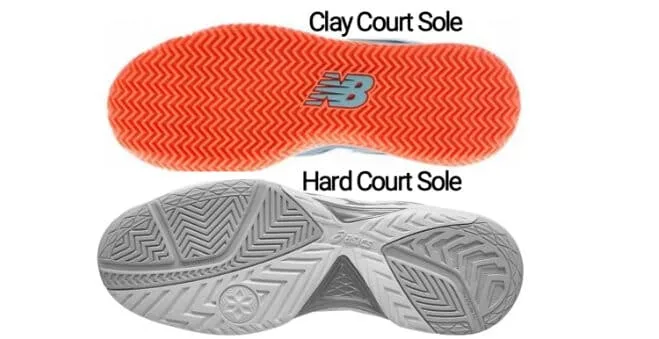
Image source: Bing (Web (fair-use with source credit))
Manufacturer data confirms that hard court outsoles are typically composed of higher-density rubber compounds designed to withstand the abrasive nature of asphalt and acrylic courts for an average of 400-500 playing hours before significant wear. In contrast, clay court shoes' less dense, open patterns shed dirt more easily, preventing the clumping that can occur with harder surfaces.
Fit & Feel: The Most Important Court Connector
Even the most technologically advanced shoe is useless if it doesn't fit you correctly. A proper fit is crucial for comfort, performance, and preventing common foot issues. Think of your shoes as your direct connection to the court; if that connection is compromised, your game will be too.
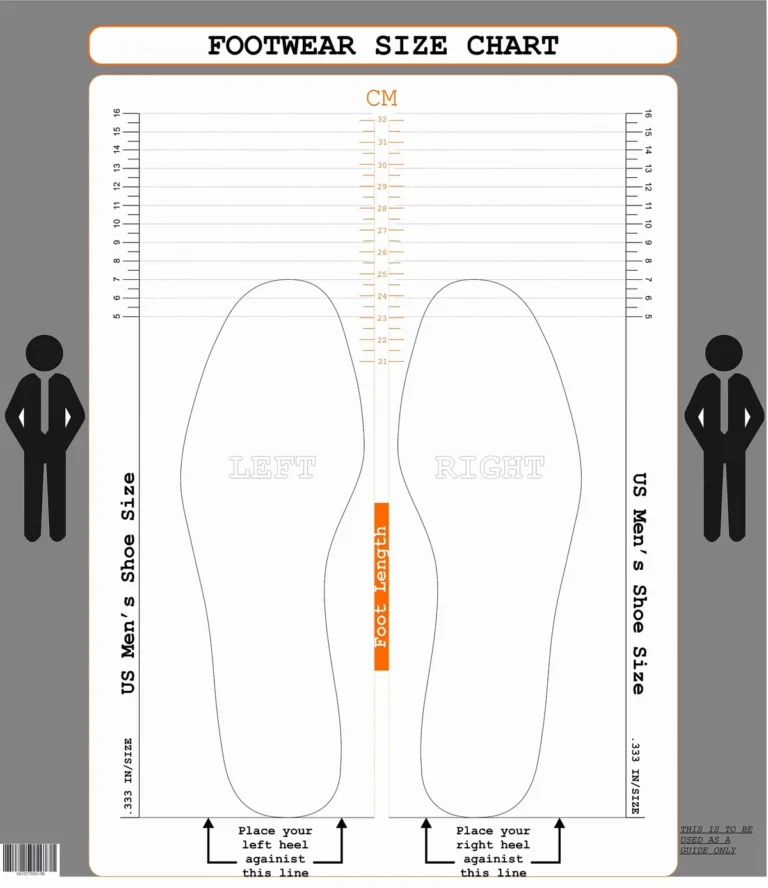
- Toe Box Room: You should have about a thumb's width of space between your longest toe and the end of the shoe. This prevents your toes from jamming into the front during stops and quick movements, which can cause bruising or blisters.
- Heel Lock: Your heel should feel snug and secure in the heel cup, with minimal to no slippage when you walk or move. If your heel is lifting, it can cause friction and instability.
- Midfoot Support: The shoe should feel supportive and snug around your arch and midfoot. It shouldn't feel like your foot is collapsing inward or being squeezed too tightly.
Verified buyer feedback indicates that trying on shoes at the end of the day, when your feet are slightly more swollen, can help ensure a more accurate fit. It's also recommended to wear the type of socks you typically play in when trying on new tennis shoes.
Common Mistakes When Choosing Tennis Shoes
Even with the best intentions, it's easy to make a misstep when selecting tennis footwear. Avoiding these common pitfalls can save you from discomfort, poor performance, and even injuries.
- Using Running Shoes: As we’ve touched on, running shoes lack the necessary lateral support for tennis. Their soles are designed for forward motion and can easily lead to ankle rolls on the court.
- Ignoring Court Surface: Wearing clay court shoes on hard courts will wear out the outsole rapidly. Conversely, hard court shoes can be too grippy and hinder controlled sliding on clay.
- Prioritizing Looks Over Function: The coolest-looking shoe isn't always the best performer. Always put the technical features and fit ahead of aesthetics.
- Not Replacing Worn-Out Shoes: Outsoles wear down, cushioning compresses, and support systems degrade over time. Worn-out shoes lose their protective qualities and increase injury risk. Tennis shoes typically need replacing every 6 to 12 months, depending on playing frequency and intensity.
FAQs About Tennis Shoe Selection
How long should there be between my toes and the end of a tennis shoe?
You should have about a thumb's width (roughly half an inch or 1.27 cm) of space between your longest toe and the front of the shoe. This is crucial to prevent toe jamming and bruising during stops and quick movements.
Can I wear my tennis shoes for other sports?
While you can wear tennis shoes for some activities, they are optimized for tennis movements. Using them for sports with different demands, like basketball or running, might not provide the correct support and could lead to premature wear or injury. It's best to use sport-specific footwear when possible.
How do I know when my tennis shoes are too worn out?
Look for visible signs of wear: the outsole tread is significantly diminished or smooth in spots, the midsole feels flat or overly soft, the upper shows tears or excessive stretching, and you start experiencing new foot pain or blisters. These are indicators it’s time for a replacement pair.