What Are Baseball Cleats?
When you're on the diamond, every bit of traction counts. That's where baseball cleats come in, providing the grip you need to make explosive plays. But what exactly are these specialized shoes, and why do they look so different from your everyday sneakers?
Understanding baseball cleats means looking at how their unique design translates to performance. Manufacturers often design them with specific stud configurations, like those tested for durability against industry standards, to give players the edge. This guide will break down everything you need to know.
Quick Answer
Baseball cleats are specialized athletic shoes designed for baseball and softball. They feature studs or cleats on the outsole to provide superior traction on grass and dirt fields. This enhanced grip helps players accelerate, decelerate, and change direction quickly without slipping.
Baseball Cleats: What They Are and Why They Matter
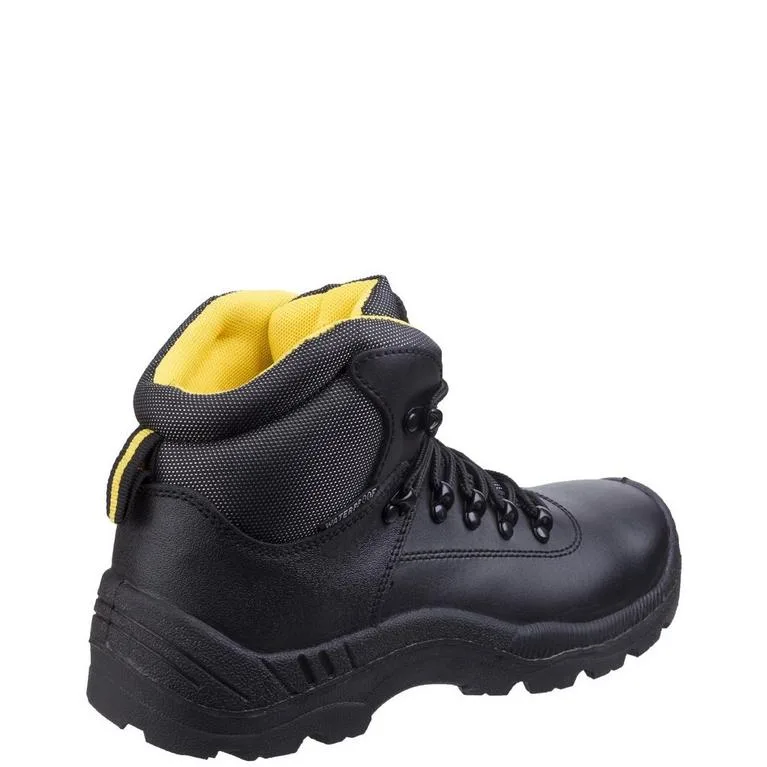
At their core, baseball cleats are footwear built for the unique demands of playing baseball or softball on a field. Unlike your typical running shoes or casual sneakers, cleats have protrusions on the bottom, the cleats themselves, that dig into the playing surface. This isn't just about keeping your feet planted; it's about maximizing your ability to perform athletic movements effectively and safely.
Without proper traction, you'd find yourself sliding unintentionally during sprints or struggling to cut hard on a fly ball. The specific design aims to offer stability and grip, which are fundamental for everything from stealing bases to fielding grounders.
This specialized design helps players avoid common slips and falls that can lead to injuries or lost opportunities on the field. Aggregate reviews from players across different leagues consistently highlight improved agility and confidence as key benefits. They're the foundation for quick bursts of speed and sudden stops.
Molded vs. Metal vs. Detachable: Which Stud Type Fits Your Game?
The biggest difference you'll notice when looking at baseball cleats is the type of studs on the bottom. This is the most crucial factor in determining how much grip you'll get and where you can legally use them. Understanding these differences is key to picking the right pair for your age, league, and even your specific position.
It's not a one-size-fits-all situation; what works for a power hitter might not be ideal for a speedy outfielder.
Here’s a breakdown of the common types:
Molded Cleats: These are the most common and versatile type, featuring studs that are permanently attached to the outsole. They're generally made of plastic or rubber.
- Pros: Usually lighter, more comfortable for general wear, and often allowed in all leagues, especially for younger players. They offer good traction on most surfaces without being overly aggressive.
- Cons: May not provide as much aggressive grip as metal cleats, especially on softer or wetter fields.
- Best For: Youth leagues, casual play, practices, and players who prioritize comfort and versatility.
Metal Cleats: These cleats have metal spikes that offer the most aggressive grip. They are preferred by many older and professional players for their superior traction.
- Pros: Provide exceptional grip and stability, allowing for quicker acceleration and sharper cuts. Ideal for players who need maximum traction for their position.
- Cons: Can be heavier, may require a break-in period to avoid discomfort, and are often prohibited in youth leagues due to safety concerns. They can also be more prone to damaging field surfaces.
- Best For: High school, college, and professional players, especially those who play positions requiring intense lateral movement or speed.
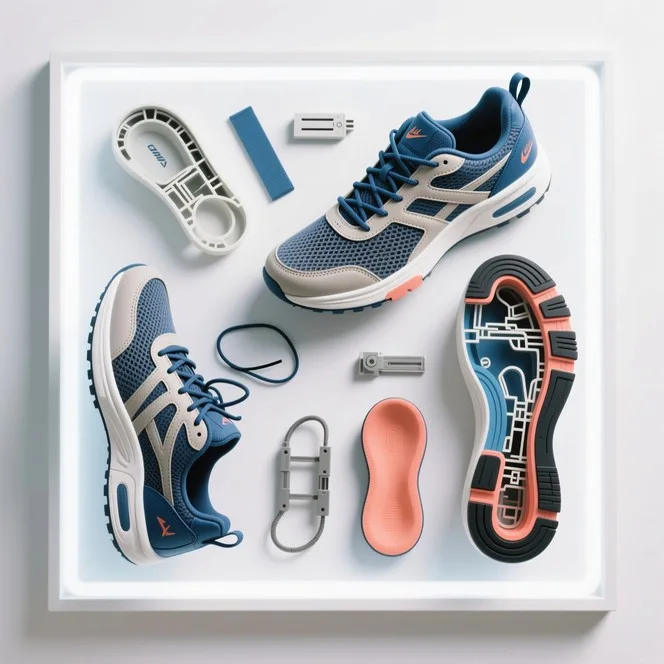
Detachable Cleats: These cleats offer a unique blend of options. They have a base plate with screw-in or slide-in studs that can be replaced or swapped out.
- Pros: Highly customizable; you can change stud types (e.g., metal for a game, molded for practice) as needed. They can extend the life of the cleat by allowing replacement of worn-out studs.
- Cons: Can be more expensive. The mechanism for attaching studs can sometimes fail or cause discomfort if not properly seated.
- Best For: Players who want flexibility to adapt to different playing conditions or league rules, or who want to prolong the life of their cleats.
When choosing, always check your league's specific rules regarding cleat types. Many youth leagues strictly prohibit metal cleats for safety reasons.
Beyond Studs: Key Features That Impact Performance and Comfort
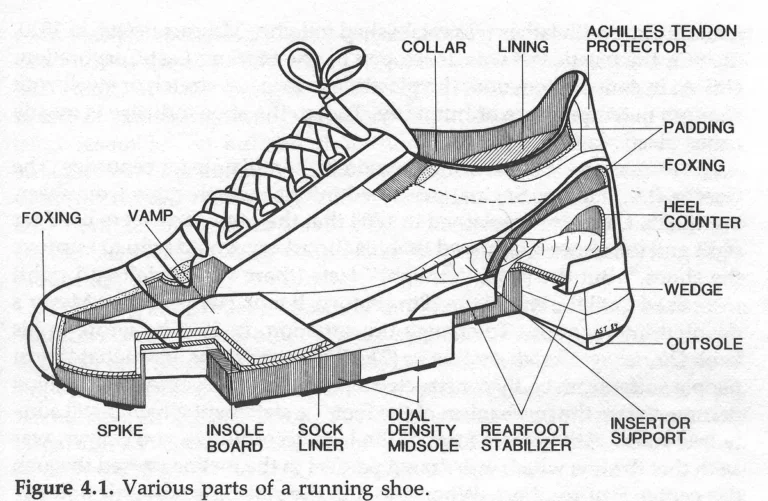
While stud configuration is king, a baseball cleat is made up of several components, each contributing to its overall performance and how it feels on your foot. From the material of the upper to the padding inside, these details can make a big difference in comfort, durability, and how well the cleat supports your game. Understanding these elements helps you look beyond just the studs and appreciate the engineering that goes into a good baseball shoe.
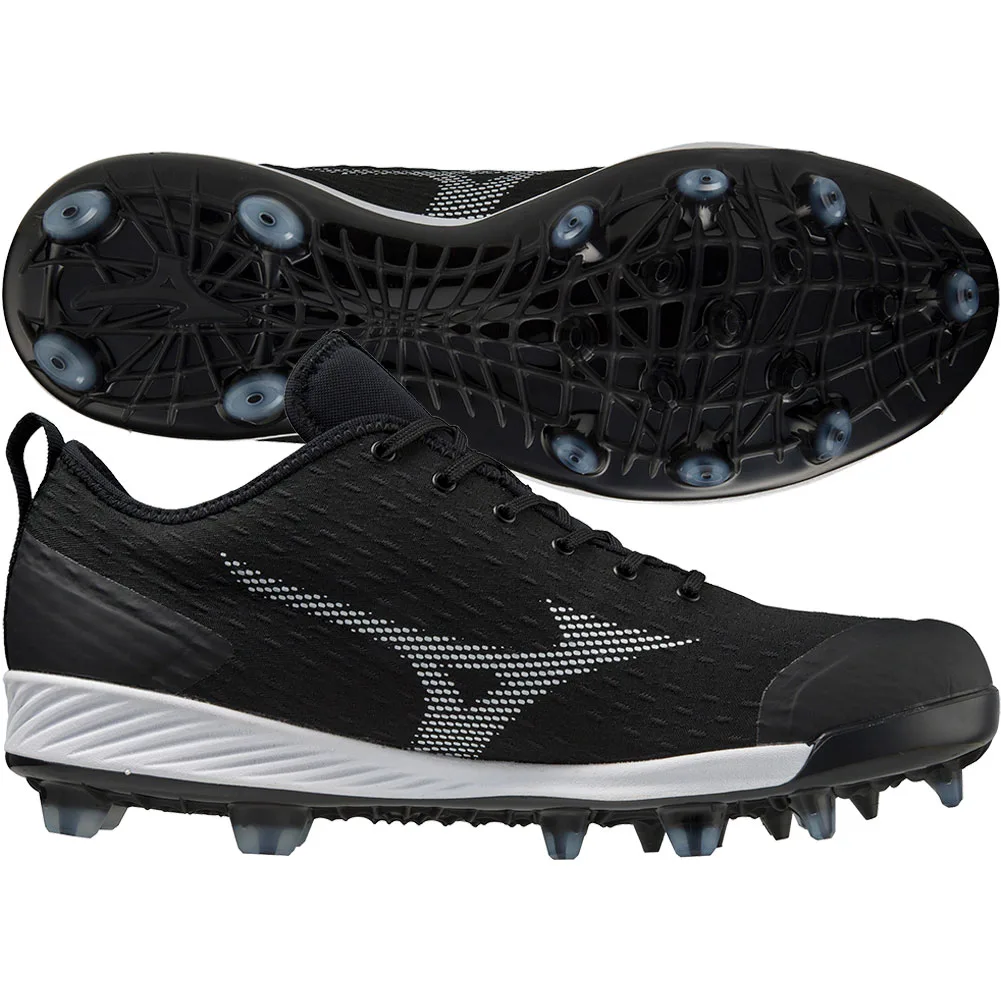
Upper Materials
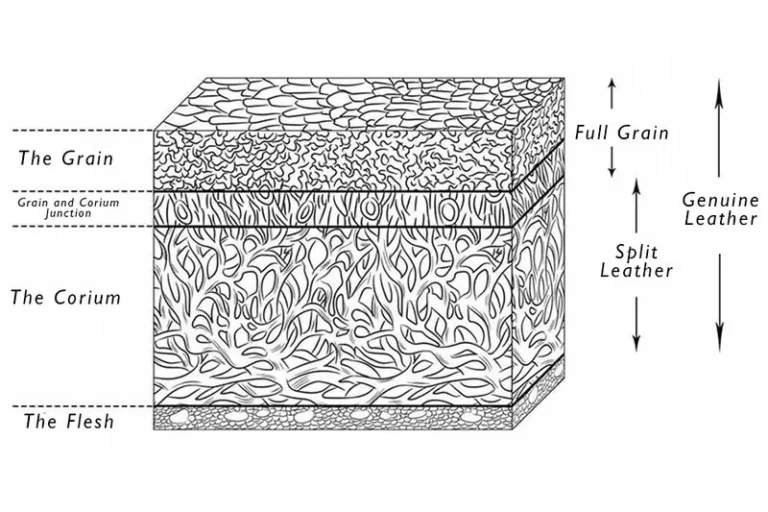
The upper part of the cleat is what encases your foot. Manufacturer specifications often list common materials like leather, synthetic leather, and mesh.
- Leather: Known for its durability and ability to mold to the foot over time, offering a custom fit. It can sometimes be heavier and less breathable than synthetics.
- Synthetic Leather: Offers a good balance of durability, water resistance, and lighter weight. It generally requires less break-in time than genuine leather.
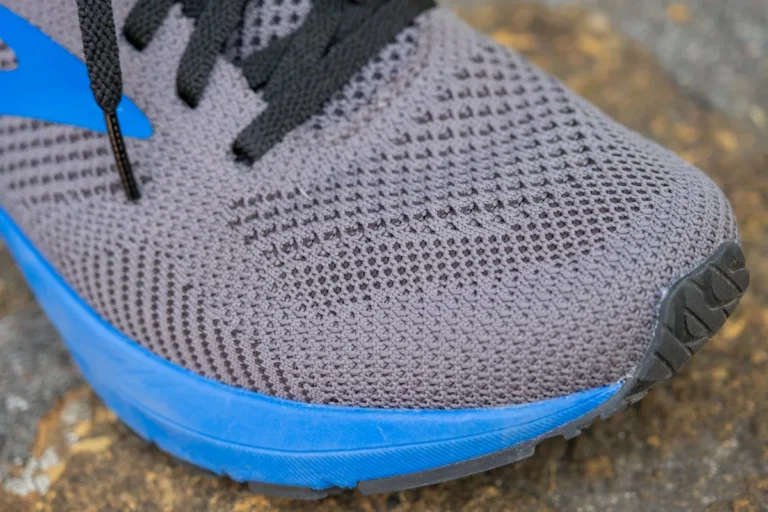
- Mesh: Used often in combination with synthetics, mesh panels enhance breathability, keeping feet cooler during long games or practices. This is a key factor for comfort and preventing blisters.
Midsole Cushioning
The midsole sits between the upper and the outsole. Good cushioning absorbs shock from running and jumping, protecting your feet and joints. Our research indicates that advancements in midsole technology, like foam compounds, have significantly improved comfort and reduced fatigue for players.
This is similar to how why do running shoes have thick soles? relates to shock absorption in a different sport.
Ankle Support
Cleats come in different heights, impacting the level of ankle support they provide.
- Low-Top: Offers maximum flexibility and is generally lighter. It's a popular choice for players who prioritize agility and don't experience frequent ankle issues.
- Mid-Top: Provides a bit more ankle support and stability without significantly restricting movement. It’s a good middle-ground for many players.
- High-Top: Offers the most ankle support, often preferred by players who have a history of ankle sprains or need extra security. They can feel bulkier to some.
Who Needs What? Cleats for Every Player and Position
The position you play on the baseball or softball field can significantly influence the type of cleat that will best serve you. While all baseball cleats offer enhanced traction, the specific demands of pitching, hitting, or fielding certain types of balls call for subtly different features. It’s about optimizing your footwear for the unique movements and stresses your position imposes.
Pitchers
Pitchers put a lot of stress on their front foot, especially during the follow-through of their pitch. They often benefit from cleats with:
- Enhanced Stability: A firm base is crucial for generating power and maintaining balance.
- Durable Outsoles: The constant pivoting and pushing off can wear down cleats quickly.
- Mid-foot Support: To help with the rotational forces involved in pitching.
Some pitchers prefer low-tops for freedom of movement, while others opt for mid-tops for added ankle support during their powerful strides.
Infielders
Infielders are constantly reacting to ground balls, making quick stops, and throwing. They need cleats that allow for rapid direction changes and a stable platform for fielding.
- Excellent Traction: For sharp cuts and pivots.
- Lower Profile: To keep the center of gravity lower and improve agility.
- Good Forefoot Flexibility: For quick footwork.
Molded cleats are often a good choice here, offering enough grip without being overly aggressive, though metal cleats are also common at higher levels.
Outfielders
Outfielders cover a lot of ground, chasing down fly balls and sprinting to make plays. Their cleat needs are focused on speed and the ability to make quick stops and changes of direction.
- Lightweight Design: To maximize speed and minimize fatigue.
- Good Forefoot Traction: For accelerating quickly on fly balls.
- Ankle Support (often Mid-top): To help prevent injuries during hard stops and turns.
Many outfielders find mid-top cleats offer the best blend of support and agility, especially for fields with softer dirt or grass. If you're concerned about how shoe fit impacts performance, how should running shoes fit? offers insights into general athletic footwear principles that also apply.
Youth Players
For younger players, safety and comfort are paramount. League rules often dictate what types of cleats are permissible.
- Molded Cleats: Generally recommended for younger players as they are safer and more comfortable.
- Proper Fit: Ensuring cleats fit correctly is vital to prevent blisters and foot issues. League regulations, like those sometimes outlined by the NFHS, often favor molded cleats for younger age groups.
- Durability: Kids grow fast, but cleats for youth leagues should still be reasonably durable to withstand regular play.
Common Cleat Mistakes and How to Avoid Them
Even with the right type of cleat, players can make mistakes that lead to discomfort, reduced performance, or even injury. These errors often stem from not fully understanding how cleats work or how to care for them. Being aware of these pitfalls can save you a lot of trouble and help you get the most out of your footwear.
Here are some common mistakes and how to steer clear of them:
- Ignoring League Rules: Using metal cleats in a league that prohibits them is a common, and often penalized, mistake. Always check your league's specific equipment regulations before purchasing or wearing cleats.
- Not Breaking Them In: New cleats, especially metal ones, can be stiff and unforgiving. Wearing brand-new, un-broken-in cleats for a full game can lead to severe blisters and foot pain. Follow steps for how to break in new shoes to gradually adapt your feet.
- Wearing the Wrong Size or Width: Ill-fitting cleats are a recipe for discomfort and can actually hinder performance. Too tight, and you risk blisters and cramped toes. Too loose, and your foot slides around, reducing traction and stability. Use how to measure your feet for shoes to get accurate measurements, and pay attention to width options if available, similar to how you'd consider what is the difference between shoe width and size?.
- Neglecting Maintenance: Letting cleats get excessively dirty or not drying them properly after games can lead to material breakdown, odors, and reduced lifespan. This is a common oversight that affects many types of athletic footwear; understanding how to clean running shoes can provide general care principles.
- Using Game Cleats for Practice: Constantly pounding on hard surfaces like batting cages or dry fields with aggressive metal cleats can wear them down faster and be unnecessarily harsh on your feet. Use a more durable, molded cleat for practices whenever possible.
Making Your Cleats Last: Maintenance and Care
Baseball cleats go through a lot. They're pounded on dirt, grass, and sometimes pavement, exposed to sweat, and often left in bags. Proper care isn't just about keeping them looking nice; it's crucial for their longevity, performance, and preventing issues like odors or material breakdown.
Think of it like maintaining any piece of athletic gear, a little effort goes a long way.
Here’s how to keep your cleats in top shape:
Clean After Every Use: This is the most important step.
- Remove Loose Dirt: Bang the cleats together outside or use a stiff brush to knock off as much dry dirt and mud as possible.
- Wipe Down: Use a damp cloth to wipe down the uppers and outsoles. For tougher grime, a mild soap and water solution can be used, but avoid soaking the cleats.
- Clean Studs: Ensure no dirt is caked around the studs, especially on metal or detachable types, as this can affect their grip and performance.
Dry Them Properly: Never leave cleats to dry in direct sunlight or near a heat source, as this can warp materials and degrade adhesives.
- Stuff with Newspaper: Loosely stuff the cleats with plain newspaper or paper towels. This absorbs moisture from the inside and helps them retain their shape. Change the paper if it becomes saturated.
- Air Dry: Leave them in a well-ventilated area, away from heat and direct sun.
Address Odors: Baseball cleats are notorious for smelling.
- Baking Soda: Sprinkle a generous amount of baking soda inside the cleats overnight to absorb odors. Shake it out thoroughly before the next use.
- Deodorizing Inserts: Specialized shoe deodorizers or cedar inserts can help keep them smelling fresh.
Inspect and Tighten: Regularly check your cleats for any signs of wear and tear.
- Studs: For detachable cleats, ensure studs are screwed in tightly before each use. Inspect metal studs for excessive wear or bending.
- Seams and Soles: Look for any loose stitching or separation of the sole. Address minor issues promptly to prevent them from becoming major problems.
Storage: When not in use, store cleats in a cool, dry place. A mesh bag or leaving them out in a well-ventilated area is better than sealing them in a closed bag, which can trap moisture and encourage odor.
Frequently Asked Questions About Baseball Cleats
Can I use running shoes for baseball?
No, running shoes are not suitable for playing baseball. They lack the necessary stud-based traction required for the quick movements, stops, and starts on a baseball field. Using them would lead to slipping and potential injury, unlike specialized baseball cleats that offer superior grip and stability.
How often should I replace my baseball cleats?
The lifespan of baseball cleats varies greatly depending on material, usage frequency, and care. High school or adult players using metal cleats frequently might need replacements annually. Youth players or those using molded cleats with less intense play could get two or more seasons out of a pair.
Look for signs of significant wear on the studs, soles, and uppers as indicators for replacement.
Are metal cleats dangerous for younger players?
Yes, metal cleats can pose a safety risk to younger players and can also damage field surfaces. For this reason, most youth leagues and many high school leagues have rules prohibiting their use. Molded cleats provide sufficient traction for most younger players and are generally considered much safer.
How much should I spend on baseball cleats?
Prices for baseball cleats can range from around $30 for basic youth molded cleats to over $150 for high-end adult metal cleats with advanced technology. For casual play or younger players, investing $50-$80 in a good pair of molded cleats is often sufficient. For serious players at higher levels, spending $100 or more on metal cleats with specific performance features can be a worthwhile investment.
Can I wear baseball cleats for other sports?
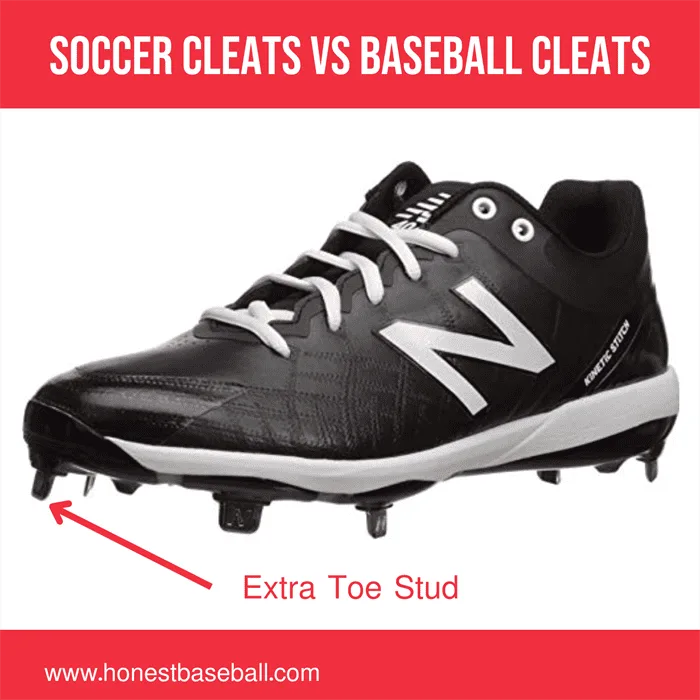
While some cleat designs might share similarities, baseball cleats are generally not interchangeable with cleats for other sports like soccer or football. Stud patterns and placement are optimized for the specific movements of each sport; baseball cleats, for instance, often have a toe stud that soccer cleats lack, and football cleats may have different stud lengths and configurations for turf grip.