What Is the Difference Between Steel Toe and Composite Toe Shoes?
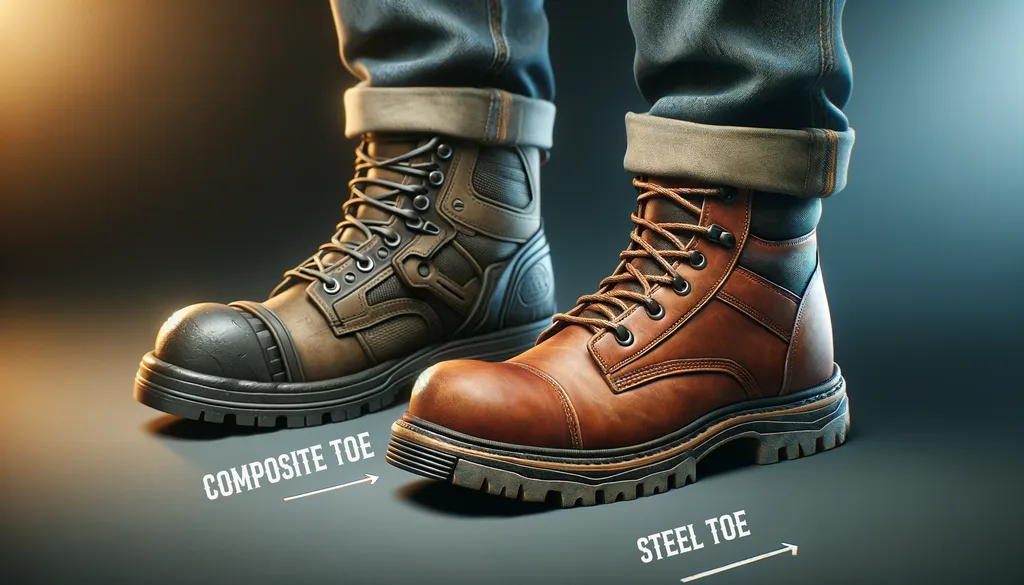
Image source: Bing (Web (fair-use with source credit))
Steel Toe vs. Composite Toe Boots: What’s the Real Difference?
Choosing the right protective footwear is key when your job puts your feet in harm's way. You might be wondering what is the difference between steel toe and composite toe shoes, and which is actually better for you. It often comes down to the specific hazards you face and what matters most for your comfort and safety throughout the workday.
While both steel and composite toe caps offer robust protection against crushing and impact, they do so with different materials and properties. For instance, steel toe caps typically meet standards like ASTM F2413 for impact resistance, providing a well-established level of safety. Understanding these distinctions is crucial for making an informed decision that keeps you safe on the job.
Quick Answer
Steel toe shoes use a metal cap, while composite toe shoes use non-metal materials. Steel is heavier and can conduct electricity, but it’s often cheaper. Composite toes are lighter, non-conductive, and better if you pass through metal detectors, though they can be bulkier and sometimes more expensive.
Both meet safety standards like ASTM F2413 for impact and compression.
Steel Toe: The Classic Protection
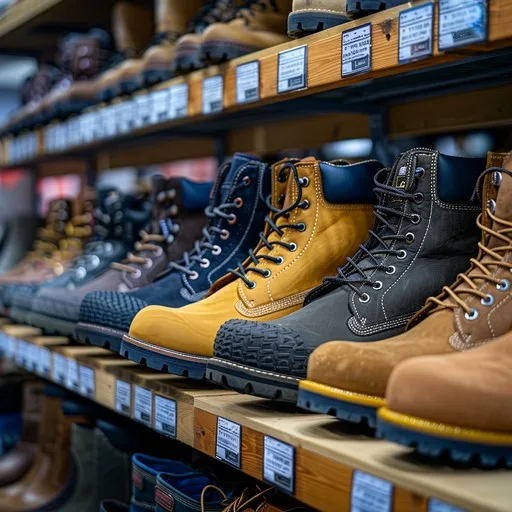
Steel toe footwear has been the go-to for serious foot protection for decades. It's built around a simple, effective design: a tough metal cap embedded in the toe box. This cap acts as a formidable barrier against the most common workplace hazards, like falling objects and heavy machinery.
When you think of sturdy work boots, this is likely the image that comes to mind.
Steel Toe Features & Benefits
- Proven Impact Resistance: Steel is incredibly strong. It can withstand significant force, protecting your toes from being crushed by heavy items dropped from above or caught under rolling equipment. Manufacturer specifications often cite resistance to impacts of 75 ft-lbs and compression of 2,500 lbs, meeting industry standards.
- Cost-Effective: Generally, steel toe boots tend to be more budget-friendly than their composite counterparts. This makes them an accessible choice for many workers and employers looking to equip their teams without breaking the bank.
- Durability: The inherent strength of steel means these toe caps are quite durable. They hold up well under tough conditions and don't easily degrade from typical wear and tear.
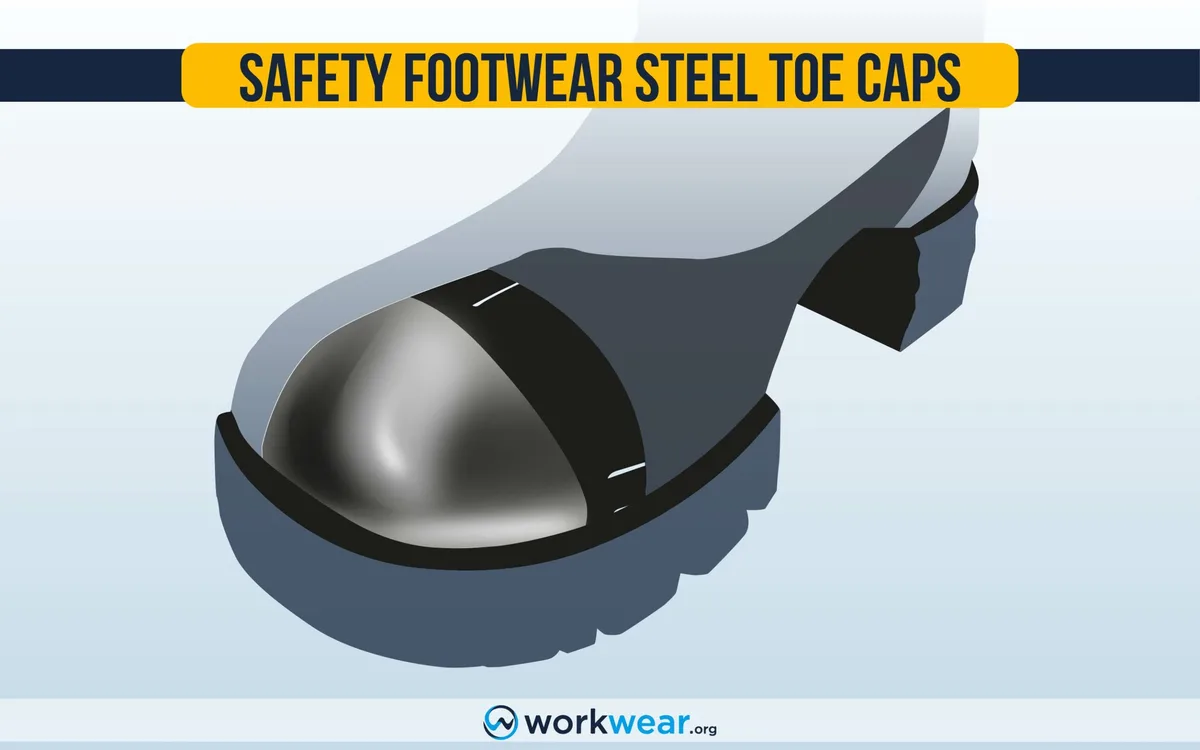
Image source: Bing (Web (fair-use with source credit))
Steel Toe Drawbacks & Considerations
- Weight: Steel is dense, and the toe cap adds noticeable weight to the boot. Over a long workday, this added heft can contribute to foot fatigue and make you feel slower.
- Cold Conductivity: Metal conducts heat (and cold) very well. In cold environments, your toes can feel significantly colder inside steel toe boots, as the metal draws warmth away from your feet.
- Electrical Conductivity: Steel is a conductor of electricity. If you work in environments where there's a risk of electrical shock, standard steel toe boots are not suitable because they can channel electricity directly to your feet. Special EH (Electrical Hazard) rated boots are needed for this, and steel is often avoided in those designs.
- Metal Detection: If your job requires you to pass through metal detectors regularly, steel toe boots will likely set them off, causing delays and hassle.
Composite Toe: The Lighter, Smarter Choice
Composite toe footwear offers a modern alternative to traditional steel. Instead of metal, these boots use materials like carbon fiber, fiberglass, or tough plastic blends. This shift in material science brings several advantages, particularly for comfort and specific workplace needs.
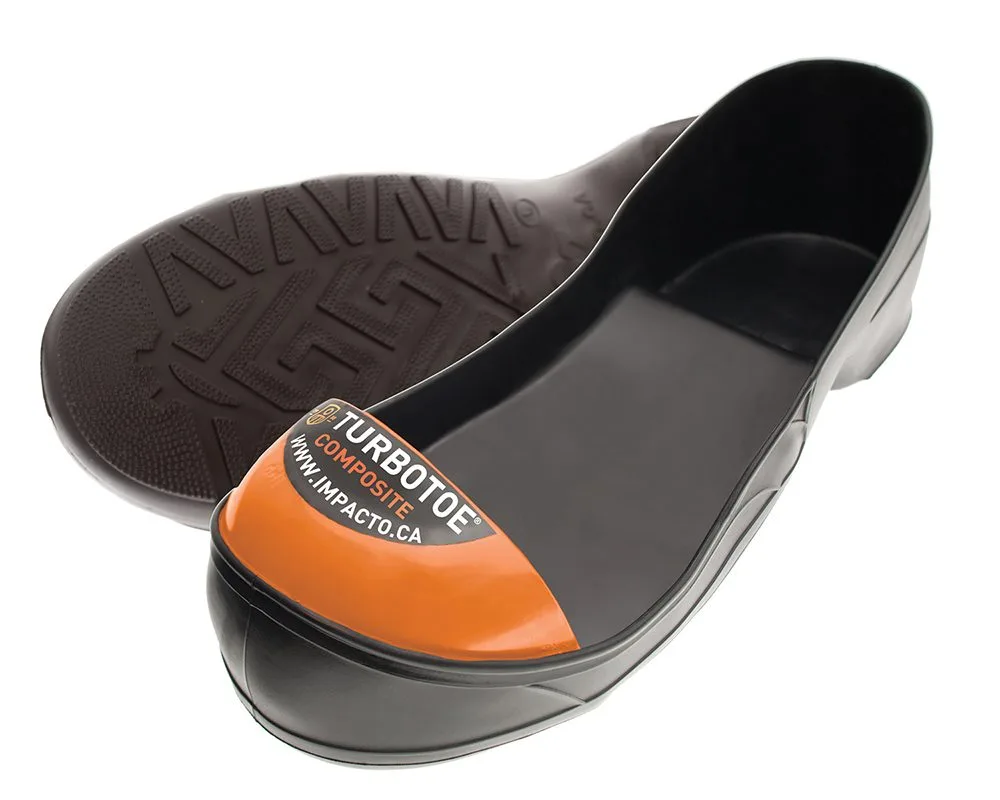
Image source: Bing (Web (fair-use with source credit))
Composite Toe Features & Benefits
- Lightweight: This is perhaps the biggest perk. Composite toe caps are significantly lighter than steel ones. This reduction in weight can lead to less fatigue over a full shift, making them a favorite among workers who are on their feet all day.
- Non-Conductive: Because they don't use metal, composite toe caps are non-conductive. This makes them an excellent choice for jobs where you might encounter electrical hazards, meeting specific ASTM F2413 EH (Electrical Hazard) ratings when the rest of the boot is designed for it.
- No Metal Detection Issues: If your workplace has security checkpoints with metal detectors, composite toe boots offer a major convenience. They won't trigger the alarms, allowing you to move through security smoothly.
- Corrosion Resistance: Unlike steel, composite materials won't rust or corrode, which can be an advantage in damp or chemically challenging environments.
Composite Toe Drawbacks & Considerations
- Potential for Bulkiness: Sometimes, to achieve the same level of protection as a thinner steel cap, a composite toe might be slightly thicker or wider. This can sometimes affect the overall fit or appearance of the boot.
- Higher Cost: Composite toe boots often come with a higher price tag than comparable steel toe models. The advanced materials and manufacturing processes contribute to this cost difference.
- Impact Resistance Nuances: While composite materials are strong, their performance under extreme, sharp impacts might differ from steel. However, for most standard workplace hazards, they meet or exceed safety requirements.
Head-to-Head: Steel vs. Composite
When you're trying to figure out what is the difference between steel toe and composite toe shoes, a direct comparison is helpful. Both types are designed to protect your feet according to strict safety standards, but their materials lead to distinct differences in feel, function, and suitability for various job sites.
Impact and Compression Ratings
Both steel and composite toe caps must meet rigorous safety standards to be sold as protective footwear. The primary standard in North America is ASTM F2413, which outlines requirements for both impact resistance and compression resistance.
- Impact Resistance: This rating measures how well the toe cap protects against falling objects. Both steel and composite toes commonly achieve an "I/75" rating, meaning they can withstand an impact of 75 foot-pounds without transmitting excessive force to the wearer's toes.
- Compression Resistance: This rating tests how well the toe cap withstands crushing forces. A "C/75" rating indicates resistance to 75 foot-pounds of compression (often equated to 3,750 pounds of static force, or 2,500 lbs for some ratings).
According to manufacturer specifications and testing protocols, both materials can achieve these critical safety ratings. The key difference here isn't necessarily the level of protection they offer against a direct hit, but how they offer it and the other properties that come with the material.
Weight and Comfort
This is where the most noticeable day-to-day difference lies for many wearers.
- Steel Toe: The density of steel means these caps add significant weight. A steel toe cap might weigh around 4-6 ounces (approx. 113-170 grams). Over an 8-12 hour shift, this extra weight can lead to increased foot fatigue, soreness, and a general feeling of heaviness.
- Composite Toe: Composite materials are much less dense. A composite toe cap can weigh as little as 1-3 ounces (approx. 28-85 grams). This substantial weight saving means that composite toe boots often feel much lighter on your feet. This comfort advantage is a primary reason many workers prefer composite options, especially for jobs involving a lot of walking, climbing, or standing.
Electrical Conductivity
This is a critical differentiator, especially for workers in certain industries.
- Steel Toe: Steel is an excellent conductor of electricity. This means that if you are wearing standard steel toe boots and come into contact with an electrical current, the steel cap can transmit that electricity directly to your feet, posing a serious shock hazard. This is why traditional steel toe boots are generally not recommended for environments with potential electrical risks.
- Composite Toe: Composite materials, by their nature, are non-conductive. This makes composite toe boots a much safer choice for jobs where electrical hazards are present. When a composite toe boot is also rated for Electrical Hazard (EH) protection (meeting ASTM F2413 EH standards), it provides a secondary source of protection against open electrical circuits.
Metal Detection
If your workplace has a strict security protocol, this can be a deal-breaker.
- Steel Toe: Any boot containing a steel toe cap will trigger standard metal detectors. This means you'll have to remove your boots or go through additional screening every time you pass a checkpoint. This can be a significant inconvenience and time drain throughout the workday, especially in environments with frequent security checks.
- Composite Toe: Since composite toes do not contain metal, they are typically undetectable by standard metal detectors. This allows workers wearing composite toe boots to move through security checkpoints unimpeded, saving time and hassle. This benefit is often cited by employees in industries like aviation, government facilities, or high-security manufacturing.
Durability and Corrosion
Both materials are designed for toughness, but they handle environmental factors differently.
- Steel Toe: Steel is very strong and resistant to abrasion and impact. However, it is susceptible to rust and corrosion, especially when exposed to moisture, salt, or certain chemicals. Over time, rust can degrade the appearance and, in severe cases, the structural integrity of the steel cap, though this typically takes a very long time under harsh conditions.
- Composite Toe: Composite materials are inherently resistant to corrosion and rust. They will not degrade in the same way steel can when exposed to moisture or chemicals. This makes them a more stable choice for long-term use in damp or chemically active environments. While they are very durable, extreme impacts or repeated sharp blows could potentially cause damage, but this is rare under normal occupational use.
Who Needs Which Type? Matching Boots to Your Job
The choice between steel toe and composite toe boots isn't just about personal preference; it's often dictated by the specific demands and hazards of your work environment. Our research indicates that understanding these job-specific needs can lead you to the safest and most comfortable footwear.
For the Construction Site Warrior
Construction sites are rife with potential foot hazards. Falling tools, heavy materials, and moving machinery are everyday occurrences.
- Steel Toe: A solid, reliable choice. Their robust protection against crushing and impact is essential when dealing with heavy lumber, concrete blocks, or equipment. The added weight isn't usually a primary concern when navigating uneven terrain and heavy lifting.
- Composite Toe: Also a strong contender. If the site has metal detectors or if long hours of walking and standing cause significant foot fatigue, composite toes offer a lighter, more convenient option. For jobs with electrical components or wiring, the non-conductive nature is a distinct advantage.
For the Warehouse Navigator
Warehouses involve moving heavy loads, operating forklifts, and potentially dropping inventory. Safety is paramount, but comfort for long shifts is also key.
- Steel Toe: Offers excellent protection against falling boxes or accidental run-overs from pallet jacks. However, the weight can be a factor for workers who are constantly walking, lifting, and moving throughout large facilities.
- Composite Toe: The lighter weight is a major benefit here, reducing fatigue during long shifts. If your warehouse has any sort of security screening, composite toes will save you time. Their non-conductive nature is also helpful if there are any electrical systems present, though dedicated EH-rated boots are best for high-risk electrical work.
For the Electrical Hazard Aware
When your job involves working near live electrical circuits or in areas where electrical hazards are a concern, this is non-negotiable.
- Steel Toe: Standard steel toe boots are not suitable and can be dangerous. Steel conducts electricity. Always look for boots specifically rated for Electrical Hazard (EH) protection.
- Composite Toe: These are generally the preferred choice for EH-rated footwear. Because composite materials are non-conductive, they form the base for boots designed to offer protection against open electrical circuits. Look for the ASTM F2413 EH rating prominently displayed on the boot or its packaging.
For the Metal Detector User
If you frequently have to pass through metal detection security gates, the material of your toe cap makes a significant difference.
- Steel Toe: Will set off standard metal detectors every time. This can lead to delays and frustration if you pass through security checkpoints multiple times a day.
- Composite Toe: These boots are designed to be undetectable by metal detectors. This offers a significant convenience for workers in secure facilities, allowing for a smoother transition through daily security protocols without needing to remove footwear.
Keeping Your Safety Boots in Top Shape
Just like any gear you rely on daily, your work boots need a little care to keep them performing at their best. Proper maintenance not only extends their lifespan but also ensures the protective features, like the toe caps, remain effective. Skipping this can lead to premature wear and tear, compromising safety.
Regular cleaning is fundamental. After a shift, brush off loose dirt and debris. For deeper cleaning, use a damp cloth and a mild soap if necessary, but avoid harsh chemicals.
Always allow boots to air dry naturally, away from direct heat sources like radiators or intense sunlight, which can damage the materials.
Common Mistakes When Choosing Safety Toes
When folks are looking for safety footwear, a few common missteps can lead them to the wrong boot. One of the biggest errors is assuming all safety toes are created equal, ignoring critical differences like electrical conductivity or weight. Another mistake is picking a boot solely on price, overlooking specific job requirements for protection.
Forgetting to check for proper safety certifications, such as ASTM F2413 ratings, is also a frequent oversight. A boot might look tough, but without the right stamp of approval, it might not offer the protection you truly need. Additionally, not considering comfort for long workdays can turn a safe boot into a painful burden.
Frequently Asked Questions (FAQs)
Do steel toe boots weigh more than composite toe boots?
Yes, steel toe boots are generally heavier. Steel is a denser material than the carbon fiber, fiberglass, or plastic blends used in composite toe caps, adding more weight to the footwear.
Are composite toe boots always more expensive?
Typically, composite toe boots tend to have a higher price point than comparable steel toe models. The advanced materials and manufacturing processes involved in creating composite toe caps often contribute to this increased cost.
Can I wear steel toe boots in environments with electrical hazards?
No, standard steel toe boots are not safe for environments with electrical hazards. Steel is a conductor of electricity and can transmit current, posing a serious risk. For electrical protection, look for boots specifically rated for Electrical Hazard (EH) safety.
Which type of boot is better for cold weather?
Composite toe boots are usually better for cold weather. Steel is a conductor and can draw heat away from your feet, making them feel colder. Composite materials offer better thermal insulation and do not conduct cold as readily.
Do composite toe boots offer the same protection as steel toe boots?
Yes, both steel and composite toe boots are designed to meet stringent safety standards like ASTM F2413 for impact and compression resistance. They offer comparable protection against crushing and falling objects.
The Bottom Line: Making Your Choice
Ultimately, the decision between steel toe and composite toe boots hinges on your specific work environment and priorities. If electrical hazards or passing through metal detectors are a concern, composite toe boots are the clear winner. Their lighter weight also makes them a superior choice for reducing fatigue during long shifts.
However, if budget is the primary driver and electrical hazards aren't a concern, steel toe boots still offer excellent, time-tested protection. As of 2026, both technologies continue to evolve, but the fundamental differences in weight, conductivity, and metal detection remain key. Always check for ASTM F2413 compliance to ensure your chosen footwear meets the necessary safety standards for your job.