What Is the Difference Between Road and Trail Running Shoes?
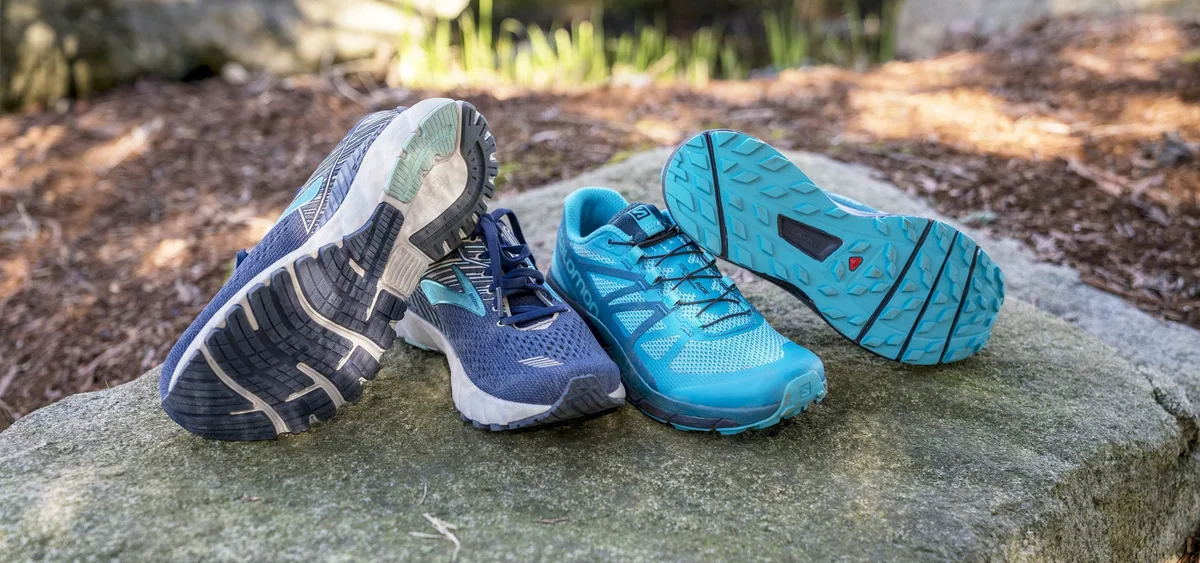
Image source: Bing (Web (fair-use with source credit))
Road vs. Trail Running Shoes: Which Pair is Right for You?
So, you're wondering: what is the difference between road and trail running shoes? It's a common question, and the answer makes a big impact on your comfort and safety when you hit the pavement or the dirt. Road shoes are built for predictable surfaces, offering plush cushioning and a smooth ride.
Trail shoes, on the other hand, are designed for rugged terrain, prioritizing grip, protection, and stability on unpredictable ground.
Understanding these core differences isn't just about semantics; it's about choosing the right tool for the job. Using road shoes on technical trails can lead to slips and injuries. Trail shoes on pavement might feel clunky and wear down faster.
Manufacturer specifications often highlight key differences in outsole lug depth and midsole support systems.
Quick Answer
Road running shoes offer more cushioning and flexibility for hard, predictable surfaces. Trail running shoes feature aggressive outsoles for grip, enhanced protection, and greater stability on uneven, soft terrain. Using the wrong type can lead to discomfort and injury.
Road Running Shoes: Pavement Pounders
Road running shoes are your best bet if your runs primarily take place on paved surfaces like sidewalks, asphalt roads, or well-maintained, hard-packed dirt paths. Their design prioritizes absorbing the repetitive impact of hitting these consistent, hard surfaces. The goal is to provide a comfortable, efficient, and protective experience for your feet and legs over many miles.
What Makes Road Shoes Special?
When you look at a road running shoe, you'll notice a few key characteristics. The most prominent is the cushioning, usually found in a thick, soft midsole made from materials like EVA foam or specialized cushioning compounds. This cushioning is engineered to absorb shock, reducing the stress on your joints with every stride on pavement.
Aggregations of user reviews consistently highlight the superior impact absorption of top road models.
They're also built to be flexible. This allows your foot to bend and move naturally through its gait cycle as you push off the ground. The outsole is typically smooth and flat, designed to provide consistent contact and grip on dry, hard surfaces.
You won't find aggressive lugs here; instead, expect a more uniform rubber pattern. As of 2026, manufacturer specifications for many road shoes indicate a midsole drop of around 8-12mm, a common feature for promoting forward momentum.
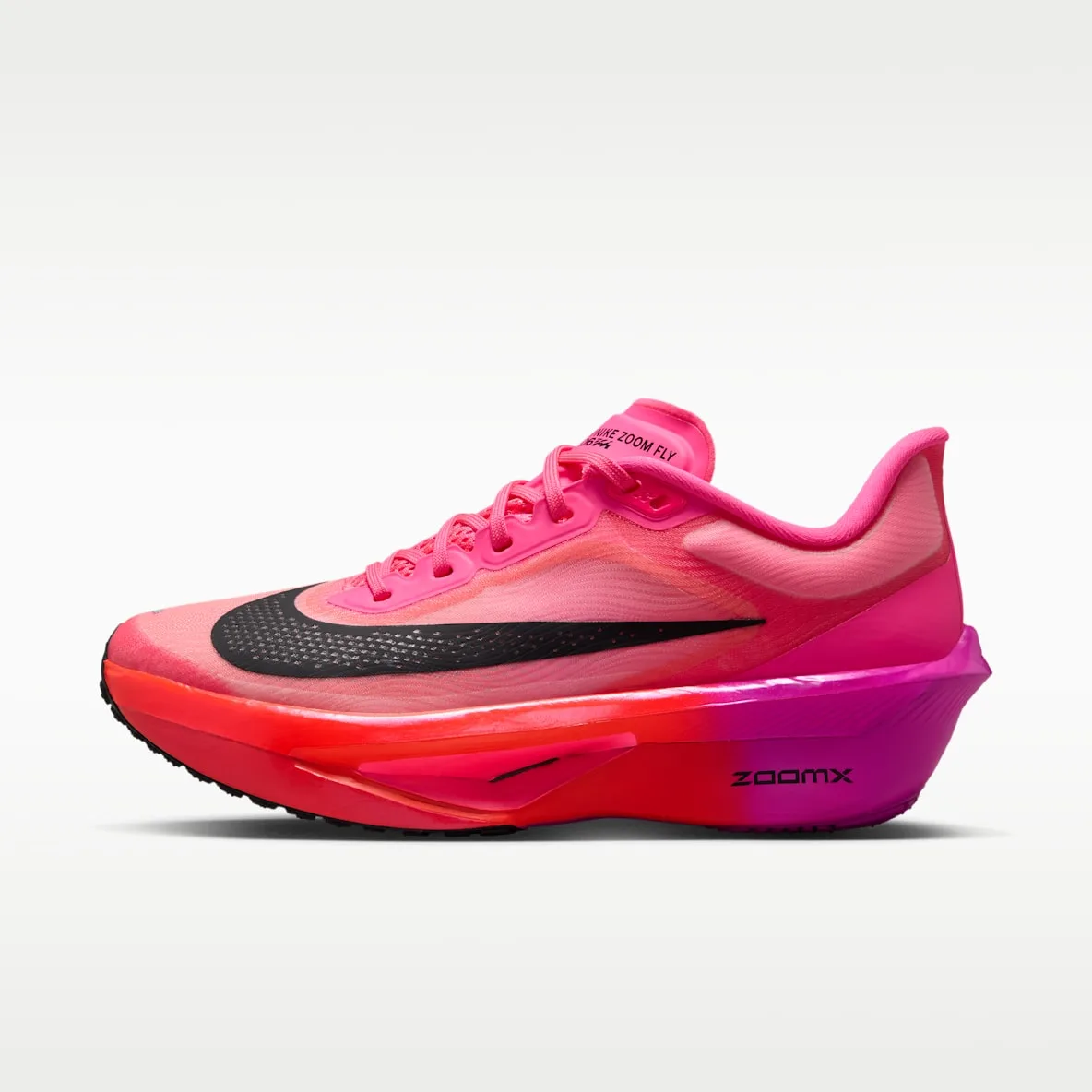
Image source: Bing (Web (fair-use with source credit))
Who Should Use Road Shoes?
The ideal user for road running shoes is anyone who logs the majority of their mileage on hard, artificial surfaces. This includes daily commuters who run to work on city streets, recreational runners training on local sidewalks, and those who frequent outdoor or indoor tracks. If your chosen running route is predominantly pavement, concrete, or a smooth, well-maintained gravel path, road shoes will offer the comfort and performance you need.
They are also a good choice for beginners, as their cushioning can be more forgiving as your body adapts to the impact of running.
Trail Running Shoes: Off-Road Adventurers
Trail running shoes are specifically engineered for the challenges of running on natural, unpredictable terrain. Think dirt paths, forest floors, rocky ascents, muddy tracks, and technical singletrack. These shoes are built with durability, protection, and superior traction in mind to keep you upright and comfortable when the ground beneath you is anything but smooth.
What Makes Trail Shoes Special?
The most obvious difference in trail shoes is their outsole. It's packed with aggressive, deep lugs, those knobby bits of rubber, that are designed to dig into soft surfaces like mud and dirt, providing exceptional grip and preventing slips. This traction is crucial for stability on inclines and declines.
Manufacturer testing often shows significantly higher friction coefficients on loose surfaces compared to road shoe outsoles.
Beyond grip, protection is a major factor. Many trail shoes incorporate a rock plate, a rigid layer in the midsole that shields your feet from sharp rocks and roots, preventing painful punctures. The uppers are often made from more durable, abrasion-resistant materials and may feature reinforced toe caps and heel counters to guard against scuffs and impacts from branches and stones.
These shoes tend to be a bit stiffer than road shoes, offering more support and stability on uneven ground.
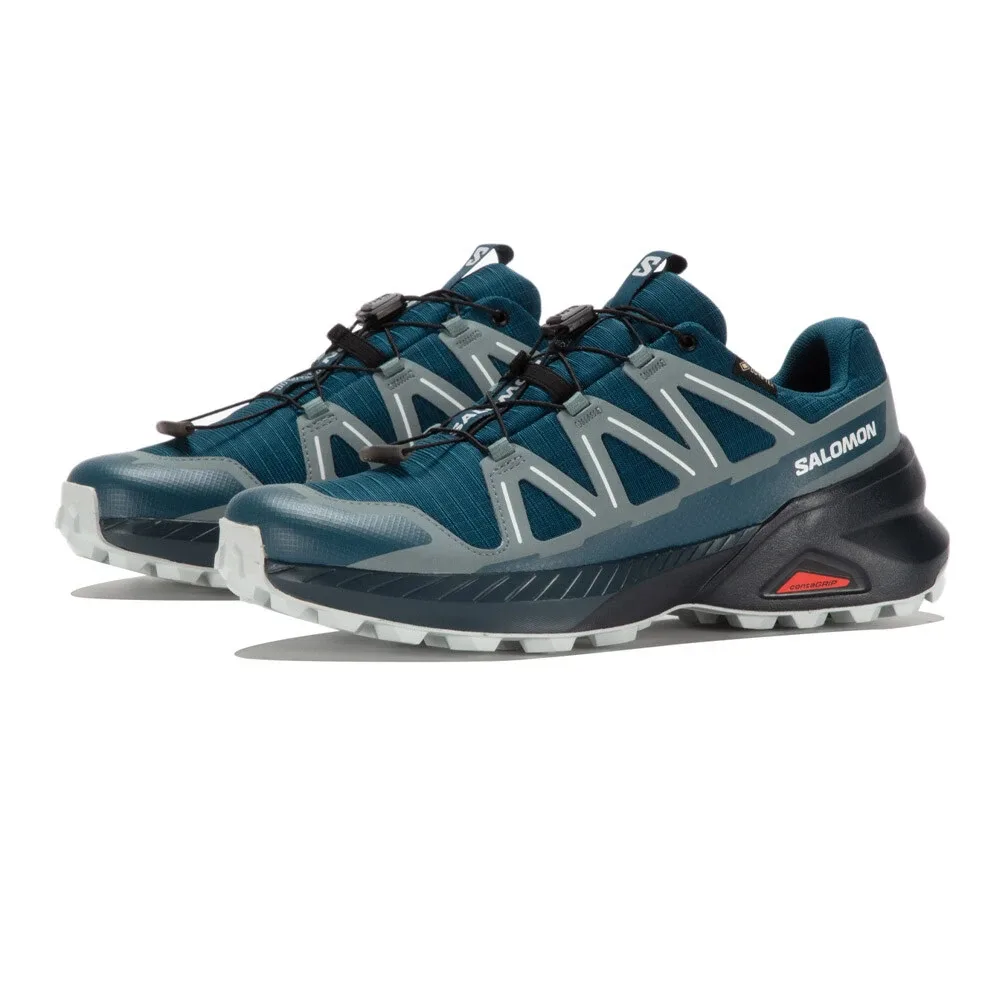
Image source: Bing (Web (fair-use with source credit))
Who Should Use Trail Shoes?
If your running adventures take you off the beaten path, trail running shoes are your essential gear. They are perfect for runners who prefer exploring natural landscapes, whether it's local park trails, mountain singletrack, or rugged cross-country courses. If you frequently encounter mud, loose gravel, roots, or significant elevation changes during your runs, you'll benefit immensely from the specialized features of trail shoes.
They are also a strong consideration for runners who experience ankle instability, as their robust construction and grippy outsoles can offer increased confidence on tricky terrain.
The Real Differences: Road vs. Trail
The fundamental distinction between road and trail running shoes boils down to their intended environments and the engineering required to excel in them. While both are designed to support runners, their priorities are vastly different. Road shoes focus on shock absorption and smooth propulsion over consistent, hard surfaces, whereas trail shoes prioritize grip, protection, and stability on dynamic, uneven terrain.
Key Feature Comparisons
Here's a quick look at how their key attributes stack up against each other:
| Feature | Road Running Shoes | Trail Running Shoes |
|---|---|---|
| Terrain | Pavement, sidewalks, treadmills, hard-packed paths | Dirt, mud, rocks, roots, gravel, uneven ground |
| Outsole | Smooth, flat, less aggressive lugs for consistent contact | Deep, aggressive lugs for maximum grip on loose surfaces |
| Cushioning | Higher emphasis on soft, impact-absorbing midsoles | Cushioning is present but often balanced with stability features |
| Protection | Minimal underfoot protection against sharp objects | Includes rock plates and reinforced uppers for debris defense |
| Flexibility | Generally more flexible for natural foot movement | Often slightly stiffer for better stability on uneven ground |
| Durability | Built for consistent wear on hard surfaces | Constructed to withstand abrasion and rough conditions |
| Weight | Typically lighter to aid speed and reduce fatigue | Can be slightly heavier due to added protective elements |
Can You Mix and Match?
While you can technically wear road shoes on a light trail or trail shoes on pavement, it's generally not recommended for optimal performance and safety. Think of it like wearing dress shoes for a hike or hiking boots to a formal dinner, they're just not built for the task. Manufacturer guidelines for each shoe type clearly outline their intended use cases.
When Using the Wrong Shoe Backfires
Wearing road shoes on technical trails is a recipe for trouble. The smooth outsole offers very little grip on dirt, mud, or wet rocks, significantly increasing your risk of slipping and falling. Furthermore, the lack of robust underfoot protection means sharp rocks and roots can easily poke through the thinner sole, leading to painful bruising or even injury.
Aggregate user feedback frequently cites loss of traction and foot discomfort as primary issues when road shoes are used off-pavement.
Conversely, using trail shoes on paved roads can feel awkward. Their aggressive lugs, designed to bite into soft earth, can feel clunky and less responsive on a hard, flat surface. These lugs can also wear down much faster on asphalt, diminishing their effectiveness on trails over time.
While some trail shoes are designed with more versatile outsoles, a pure trail shoe will likely feel less efficient and potentially less comfortable for extended road running sessions.
Expert Tips for Choosing Your Pair
Choosing between road and trail running shoes really comes down to where you plan to do most of your running. If your usual routes are paved paths, sidewalks, or a treadmill, a good pair of road running shoes will serve you best. Look for ample cushioning in the midsole, often referred to as stack height, to absorb the impact of pavement pounding.
Manufacturer specifications, such as those found on a leading shoe brand's official site, often detail the specific cushioning technologies used in their road models.
If you're drawn to exploring nature and your runs will take you onto dirt, gravel, mud, or rocky terrain, then trail running shoes are a non-negotiable investment. Prioritize aggressive lug patterns on the outsole for maximum grip, and consider features like rock plates for underfoot protection. Websites that aggregate technical specifications for athletic footwear often detail lug depth in millimeters for various trail models, allowing for direct comparison.
For instance, a trail shoe might feature lugs of 4mm or deeper, whereas a road shoe's outsole pattern is designed for surface area contact.
Maintaining Your Shoes: Road and Trail Edition
Proper care for your running shoes, whether for the road or trail, significantly extends their lifespan and maintains their performance. For road shoes, this mainly involves keeping them clean of road grime and allowing them to dry thoroughly between uses to prevent material breakdown. Trail shoes, however, require more specific attention to their rugged features.
For trail shoes, after each run, it's crucial to brush off or rinse away mud and debris. Pay special attention to the outsole lugs, ensuring they're clear so they can perform effectively on your next outing. Avoid using high heat to dry them, as this can damage the adhesives and materials.
Instead, let them air dry away from direct sunlight or heat sources. Manufacturer recommendations often suggest a gentle brush and air drying as the standard maintenance protocol.
Using the Right Shoes: Real Scenarios
Let's look at a couple of hypothetical runners and see which shoe type makes the most sense for their running habits. These scenarios illustrate how terrain dictates the best footwear choice.
Runner A: The Urban Commuter
This runner lives in a city and primarily runs on sidewalks and paved park paths. Their weekly mileage is around 25 miles. They occasionally run on a treadmill at the gym.
- Best Choice: Road running shoes. Their focus on cushioning will absorb the impact of constant pavement use, preventing joint stress. The smooth outsole is ideal for predictable surfaces, and their lighter weight aids efficiency during daily runs.
Runner B: The Nature Explorer
This runner prefers to escape the city on weekends. Their typical Saturday run involves 8 miles on forest trails with roots, rocks, and some muddy sections. They also do shorter, 3-mile runs on a local gravel path during the week.
- Best Choice: Trail running shoes. The aggressive lugs are essential for maintaining grip on the muddy and root-filled forest trails. The added protection from rocks and debris will prevent foot injuries on the rougher terrain.
These examples highlight how analyzing your primary running environment is key to making the correct footwear decision.
Mistakes to Avoid
One common pitfall is assuming all running shoes are created equal. Buying a pair of road shoes simply because they look appealing, without considering the terrain you'll be running on, is a mistake many beginners make. This can lead to discomfort, reduced performance, and potentially injury.
Another frequent error is neglecting shoe maintenance. Forgetting to clean trail shoes, for instance, can lead to a buildup of mud that hinders traction and can even affect the shoe's structural integrity over time. Similarly, allowing road shoes to stay perpetually damp from sweat or rain can accelerate material degradation.
Always check manufacturer guidelines for cleaning and drying recommendations.
Costs and Specs: What to Expect
When looking at running shoes, you'll find a wide range of prices, but a general expectation exists between road and trail models. Typically, road running shoes can range from $100 to $160 USD for standard models, with premium versions extending beyond that. Trail running shoes often fall into a similar price bracket, with many models costing between $120 and $170 USD.
This pricing reflects the specialized materials, advanced cushioning technologies, and robust construction involved in both types.
Key specifications to consider vary based on the shoe's purpose. For road shoes, look at:
- Midsole Cushioning: Measured by foam density and thickness.
- Heel-to-Toe Drop: The difference in height between the heel and forefoot, often impacting gait.
- Weight: Usually measured in ounces per shoe; lighter is generally preferred for speed.
For trail shoes, specifications often include:
- Outsole Lug Depth: Typically 3mm to 6mm or more for traction.
- Rock Plate Presence: Indicates underfoot protection.
- Upper Material: Look for durability and water resistance ratings.
Expert Tips for Choosing Your Pair (Continued)
When you're physically trying on shoes, pay close attention to the fit and feel. For road shoes, you want a comfortable snugness in the heel and midfoot, with enough room in the toe box for your toes to splay naturally. There should be about a thumb's width of space between your longest toe and the end of the shoe.
For trail shoes, the fit should be secure, particularly around the heel and midfoot, to prevent your foot from sliding inside the shoe on uneven terrain. A slightly more snug fit can sometimes be beneficial here, but it shouldn't be constrictive.
Don't be afraid to wear the socks you typically run in when trying on shoes. This ensures an accurate fit. If possible, take a short jog in them in the store or on a treadmill if available.
This will give you a better feel for how the cushioning, flexibility, and support work during actual movement. Your foot's biomechanics and personal preferences play a huge role in what makes a shoe feel "right."
Frequently Asked Questions
What's the biggest safety concern when using the wrong shoes?
Using road shoes on trails significantly increases your risk of slipping and falling due to lack of traction. Trail shoes on pavement can lead to premature wear and a less comfortable ride, but the safety risks are generally lower than using road shoes off-road.
Can I use one pair for both road and light trails?
Some hybrid or "door-to-trail" shoes exist, offering a compromise. However, for dedicated trail running or extensive road mileage, specialized shoes provide superior performance and protection. Dedicated trail shoes will always offer better grip and durability on rough terrain.
How often should I replace my running shoes?
This depends on mileage and usage, but generally, road running shoes are recommended for replacement every 300-500 miles. Trail shoes, due to harsher conditions, might need replacement sooner, often around 300-400 miles, especially if the lugs show significant wear.




One Comment