What Is the Difference Between Stability and Neutral Running Shoes?
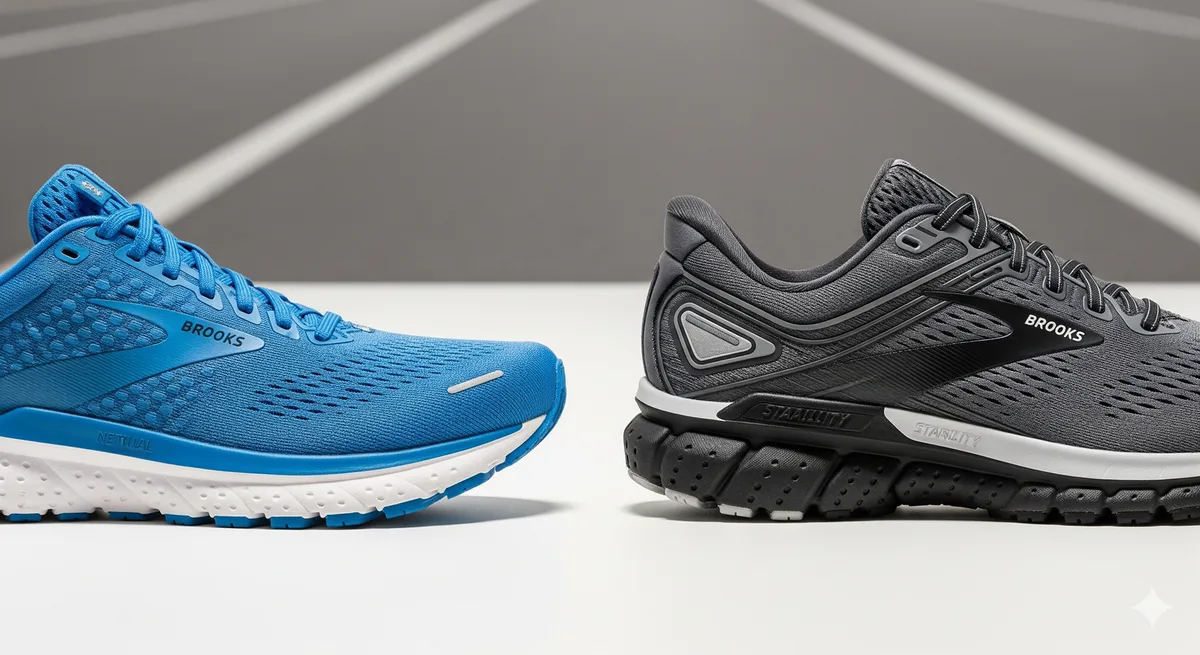
Image source: Bing (Web (fair-use with source credit))
Choosing the right running shoes can feel like a puzzle, and understanding what is the difference between stability and neutral running shoes is key to finding your perfect fit. Wearing the wrong pair can lead to discomfort or even injury, while the right ones can make every stride feel effortless and supportive. We've broken down the core differences to help you make an informed decision.
Our research indicates that the primary distinction lies in how each shoe type addresses foot mechanics during a run. While neutral shoes offer cushioning and flexibility, stability shoes incorporate specific design elements to help control pronation. For example, testing by the American Podiatric Medical Association shows that shoes with APMA Seal of Acceptance generally meet standards for foot health and shoe construction.
Quick Answer
Neutral running shoes offer balanced cushioning and flexibility. Stability running shoes provide extra support to control pronation. If your foot rolls inward moderately, choose stability.
For a more natural foot motion, neutral is usually best.
Understanding Your Feet: Neutral vs. Stability Running Shoes
Picking the right running shoe isn't just about aesthetics or brand; it's deeply tied to your foot's natural movement, a process called pronation. Think of it as the way your foot rolls inward as it lands on the ground. Understanding this can steer you toward shoes that offer the support, or lack thereof, your feet need to run comfortably and safely.
This comparison dives into the core differences between two of the most common running shoe categories: neutral and stability. We'll explore what makes each type tick, who they're designed for, and how to figure out which one is your ideal match. Getting this right means fewer aches and pains and more enjoyable miles ahead.
What's Pronation and Why Does It Matter for Runners?
Pronation is a natural and necessary part of how your foot moves when you walk or run. It's essentially the inward roll of your foot and ankle as your body absorbs shock. This rolling motion helps distribute impact force and prepares your foot for pushing off the ground.
The amount and degree of pronation vary from person to person. Your arch height and the flexibility of your foot play significant roles in determining your pronation pattern. Understanding your specific pronation type is crucial because it directly influences the kind of support you'll need from your running shoes to maintain proper biomechanics and prevent injuries.
Neutral Pronation Explained
If you have neutral pronation, your foot rolls inward by about 15%, which is considered ideal. Your arch flexes just enough to absorb shock, and your foot then pushes off evenly from the front of the foot. For runners with neutral pronation, the arch typically has a moderate height and the foot strikes the ground in a balanced way.
Runners with this gait don't need extra support features built into their shoes to correct their foot's motion. Instead, they benefit most from shoes that offer good cushioning and flexibility, allowing their feet to move naturally through the gait cycle.
Overpronation Explained
Overpronation occurs when your foot rolls inward excessively, often by more than 15%. This means the arch collapses inward more than it should, and the push-off phase is less efficient. It can lead to strain on the feet, ankles, shins, and knees because the body's natural shock absorption system is overloaded or working overtime.
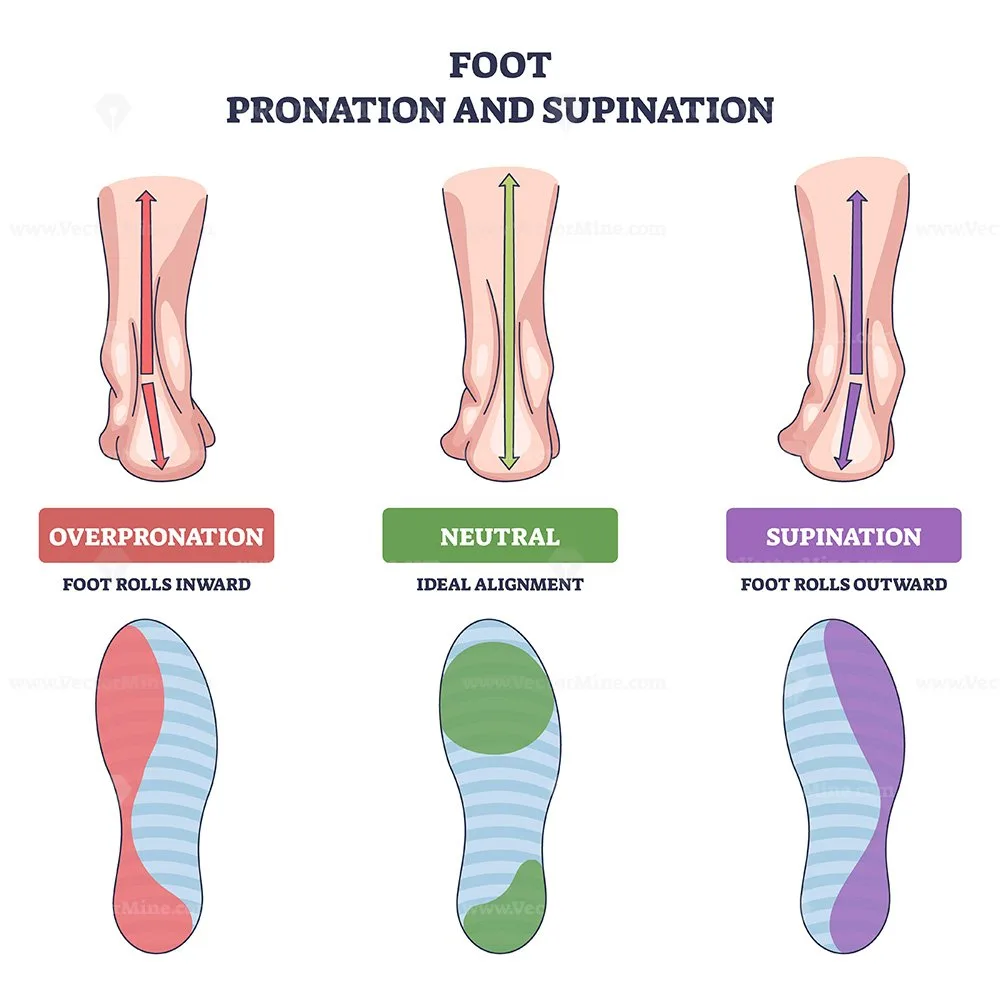
Image source: Bing (Web (fair-use with source credit))
This excessive inward rolling is common in runners with flatter arches or very flexible feet. Shoes designed to help manage overpronation typically incorporate features aimed at limiting this excessive inward motion.
Supination (Underpronation) Explained
While not the focus of stability vs. neutral, it’s worth a brief mention that underpronation, or supination, is the opposite. Here, the foot doesn't roll inward enough, or it rolls outward. This can also lead to issues because the foot's natural shock absorption is reduced, placing more stress on the outer edge of the foot and potentially the lower leg.
Runners with high arches often exhibit supination. They typically need shoes with ample cushioning and flexibility, but not necessarily motion control or stability features.
Diving into Neutral Running Shoes
Neutral running shoes are designed for runners whose feet don't exhibit excessive pronation or supination. They provide a balanced combination of cushioning and flexibility without built-in features to correct or control foot motion. The primary goal of a neutral shoe is to offer comfort and shock absorption, allowing the foot to move through its natural gait cycle.
These shoes are a great choice for a significant portion of the running population. They are often lighter and more flexible than stability shoes, offering a more natural feel underfoot for those who don't require corrective support.
Key Features of Neutral Shoes
Neutral shoes are characterized by a straightforward design focusing on cushioning and a smooth ride. You won't find rigid support structures or dense foam placed strategically to limit inward rolling. Instead, expect:
- Balanced Cushioning: Midsole foam is typically uniform in density, providing shock absorption without bias towards one side of the foot. Different brands use various foam compounds, like EVA or proprietary blends, offering varied levels of softness and responsiveness.
- Flexibility: These shoes are designed to bend easily with your foot's natural movement, especially at the forefoot, facilitating a smooth toe-off.
- No Medial Support: You won't find a "medial post" (denser foam on the inside edge of the midsole) or rigid plastic shanks intended to slow down pronation.
- Accommodative Fit: The upper is often designed to be comfortable and accommodating, allowing the foot to splay naturally.
Who Should Lace Up Neutral Shoes?
The ideal candidate for neutral running shoes is someone who:
- Has neutral pronation: Your foot rolls inward by about 15%, and you have a normal arch.
- Exhibits supination (underpronation): While not ideal, some underpronators find neutral shoes with ample cushioning and flexibility work well for them, as they don't need to counteract excessive inward roll.
- Prefers a natural feel: You like to feel the ground and have your shoes move with your foot rather than guide it.
- Has no history of overpronation-related injuries: If you haven't experienced issues like shin splints or plantar fasciitis linked to foot mechanics, a neutral shoe might be suitable.
Our research shows that most runners fall into the neutral pronation category, making these shoes a popular choice.
When Neutral Shoes Might Not Be Enough
Despite their versatility, neutral shoes aren't for everyone. If you experience any of the following, you might need to look beyond a purely neutral option:
- Visible overpronation: Your ankles visibly roll inward excessively when you run or even when you stand.
- Arch collapse: Your arches flatten noticeably when you stand or run.
- History of injuries linked to pronation: Issues like shin splints, plantar fasciitis, or knee pain that you suspect are related to your foot mechanics.
- Low arches or flat feet: These foot types are often associated with overpronation.
In these cases, while a well-cushioned neutral shoe might offer some comfort, it likely won't provide the specific support needed to address the underlying biomechanical issue, potentially exacerbating problems.
Exploring Stability Running Shoes
Stability running shoes are engineered to provide an extra layer of support for runners who overpronate. They aim to gently guide the foot into a more neutral alignment, reducing the stress on joints and soft tissues that can occur with excessive inward rolling. These shoes offer a blend of cushioning and motion control, striking a balance between comfort and support.
The key distinction is the presence of specific technologies within the midsole designed to slow down or limit excessive inward rotation of the foot. For runners who need this kind of assistance, stability shoes can be a game-changer for injury prevention and running comfort.
How Stability Shoes Work (Medial Posts & Guide Rails)
Stability shoes achieve their supportive function through carefully integrated design elements. The two most common methods are:
- Medial Posts: This is a common feature where a section of denser foam is placed on the inner (medial) side of the midsole. This firmer foam compresses less under pressure, acting as a wedge to slow down the inward roll of the arch. The density and extent of the medial post can vary between models.
- Guide Rails: Some brands employ a system of "guide rails" that run along the sides of the midsole. These rails act like a bumper, helping to keep the foot aligned and preventing excessive inward or outward rolling. This system aims to guide the foot naturally without forcing it into a specific position.
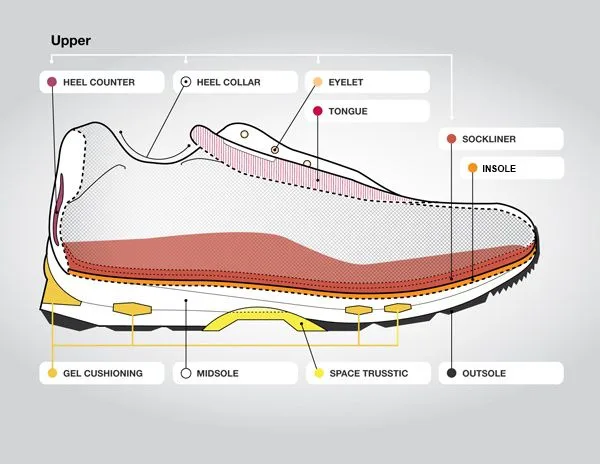
Image source: Bing (Web (fair-use with source credit))
These technologies work together to offer a controlled yet comfortable ride for the overpronating runner.
Who Benefits Most from Stability Shoes?
Stability shoes are primarily beneficial for:
- Runners with mild to moderate overpronation: If your foot rolls inward noticeably but not extremely, these shoes can offer the right amount of correction.
- Individuals with lower arches or flat feet: These foot structures are often associated with overpronation and can benefit from the added support.
- Runners prone to certain injuries: If you've experienced shin splints, plantar fasciitis, or knee pain that appears linked to your foot's mechanics during running.
The goal is to provide a supportive structure that doesn't feel overly rigid, allowing for a more efficient and comfortable stride.
Potential Downsides of Stability Shoes
While beneficial for the right person, stability shoes aren't without their considerations:
- Over-correction: For runners with neutral pronation, stability shoes can sometimes feel too supportive or even stiff, potentially leading to discomfort or altered gait.
- Weight and Rigidity: They can sometimes be slightly heavier and less flexible than neutral shoes due to the added support features.
- Less natural feel: If you prefer a more minimalist, ground-feel experience, stability shoes might feel overly structured.
It's important to remember that the "best" shoe is highly individual. What works wonders for one runner might not be suitable for another.
Side-by-Side: Neutral vs. Stability – The Key Differences
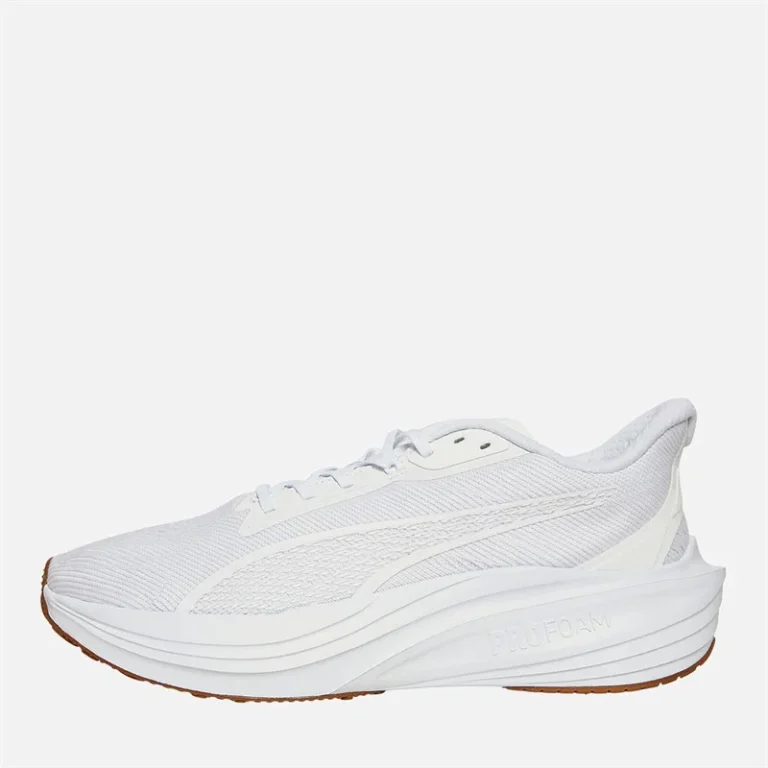
When you line up a neutral running shoe and a stability running shoe, the differences might not be immediately obvious just by looking at them. However, under the surface, their construction and intended function diverge significantly. Understanding these core distinctions is critical for making the right choice for your feet.
The main divergence lies in their approach to managing the foot's motion during the running stride. Neutral shoes prioritize a natural, uninhibited movement, while stability shoes incorporate elements to gently influence that movement towards a more aligned path. This makes them suited for different types of runners and foot mechanics.
Cushioning and Feel
- Neutral Shoes: Typically offer uniform cushioning across the midsole. The foam density is generally consistent, aiming for a balanced feel that absorbs impact without interfering with the foot's natural roll. They often feel more flexible and less restrictive.
- Stability Shoes: While they also provide cushioning, it's often accompanied by areas of denser foam or structural elements (like medial posts or guide rails) on the inside of the shoe. This creates a firmer feel on the medial side, designed to counteract excessive inward rolling. This can sometimes result in a slightly less flexible or more "controlled" feel underfoot.
Support Mechanisms
- Neutral Shoes: Their support comes from the inherent structure of the shoe and the midsole's cushioning properties. They do not contain specific technologies designed to limit pronation. The focus is on allowing the foot to move naturally.
- Stability Shoes: These shoes incorporate specific support technologies. This most commonly includes a medial post, which is a firmer piece of foam on the inner side of the midsole that resists compression. Another approach is using guide rails, which are firmer sections along the shoe's sides to help keep the foot aligned.
Ideal Foot Types and Gaits
- Neutral Shoes: Best suited for runners with neutral pronation (normal inward roll) and supination (underpronation or outward roll). They are also often a good choice for runners with high arches who need good shock absorption.
- Stability Shoes: Primarily designed for runners who overpronate (excessive inward roll), especially those with low arches or flat feet, as these foot types are often associated with this gait. They help to gently guide the foot and reduce the stress associated with excessive pronation.
The choice between them hinges on how your foot behaves when you run.
How to Pick the Right Shoe for Your Run
Deciding between stability and neutral running shoes comes down to understanding your own feet and how they move. It’s not a one-size-fits-all scenario; what works for your running buddy might not be right for you. The best approach involves a little self-assessment and, ideally, trying shoes on.
This process should ideally involve observing your foot's behavior and considering your past running experiences. Think about any discomfort or injuries you've had, as these can provide clues about your biomechanics and what kind of support you might need.
Assessing Your Pronation
Observing your pronation pattern is key. A simple way to get an idea is the "wet test." Wet the bottom of your feet and step onto a piece of paper or a dry, dark surface.
- Normal Arch: If you see about half of your arch, you likely have neutral pronation. The imprint will show a clear curve along the inside of your foot.
- Flat Arch: If the imprint shows almost your entire foot, you likely have a flat arch and tend to overpronate.
- High Arch: If you see very little of your arch, you might have a high arch and tend to supinate (underpronate).
A more in-depth assessment can be done at a specialty running store, where staff can analyze your gait on a treadmill. They can often spot excessive inward rolling or lack of support.
Considering Your Running Goals
Your primary goals for running also play a role. Are you training for marathons, focusing on speed work, or just enjoying casual jogs a few times a week?
- Casual/Recreational Running: For most casual runners, comfort and adequate cushioning are paramount. If you have neutral pronation, a neutral shoe will likely suffice. If you overpronate, a stability shoe can add valuable support for longer efforts.
- Performance/Speed: Runners focused on speed might prefer lighter, more responsive shoes. While some high-performance shoes come in stability versions, many speed-oriented models lean towards neutral designs for a lighter, more agile feel.
- Injury Prevention Focus: If your main concern is avoiding injuries, understanding your pronation is critical. Overpronators might find stability shoes reduce stress on their joints, while neutral runners might prioritize plush cushioning in their neutral shoes to absorb impact.
Test Runs and Feel
Once you've narrowed down your options, the best way to confirm your choice is to try the shoes out. Many specialty running stores offer treadmills for you to take a few laps. Pay attention to how the shoe feels:
- Comfort: Does it feel comfortable immediately? No shoe should require a significant "break-in" period for basic comfort.
- Support: Do you feel supported without being restricted? If you picked a stability shoe, does it feel like it's gently guiding your foot, or forcing it unnaturally?
- Cushioning: Is the cushioning level to your liking? Some prefer a plush, soft feel, while others like a firmer, more responsive ride.
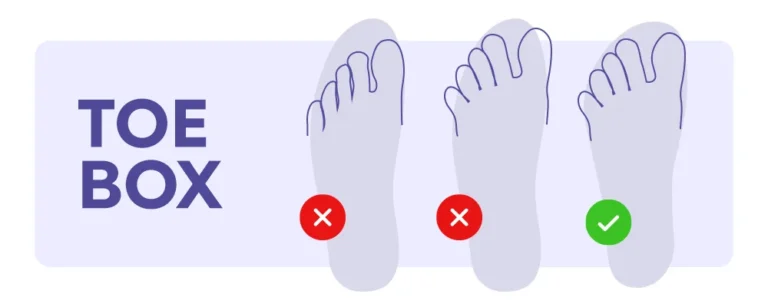
- Fit: Ensure there's enough room in the toe box for your toes to splay slightly, and that the heel doesn't slip.
Pay attention to any pressure points or rubbing. These can be indicators that the shoe isn't the right fit for your foot shape or biomechanics.
Common Mistakes When Choosing Running Shoes
Even with the best intentions, runners often make missteps when selecting footwear. These errors can lead to discomfort, wasted money, and even injuries that sideline your training. Being aware of common pitfalls can help you avoid them.
One of the most frequent mistakes is prioritizing looks over function. While a shoe's appearance matters to some, it should always take a back seat to how it performs and feels on your foot.
Here are some common errors to watch out for:
- Buying Based on Brand Loyalty Alone: Sticking with a brand that worked for you in the past isn't always a good idea. Models change, and your foot's needs might evolve. Always assess the current version and how it fits you.
- Ignoring Pronation Needs: Picking a neutral shoe when you overpronate, or vice-versa, is a classic mistake. This can lead to biomechanical issues and pain.
- Not Trying Them On (or Trying Them Incorrectly): Buying shoes online without trying them first, or only trying them on briefly in a store without a short jog, can hide fit issues. Always try them on with your running socks.
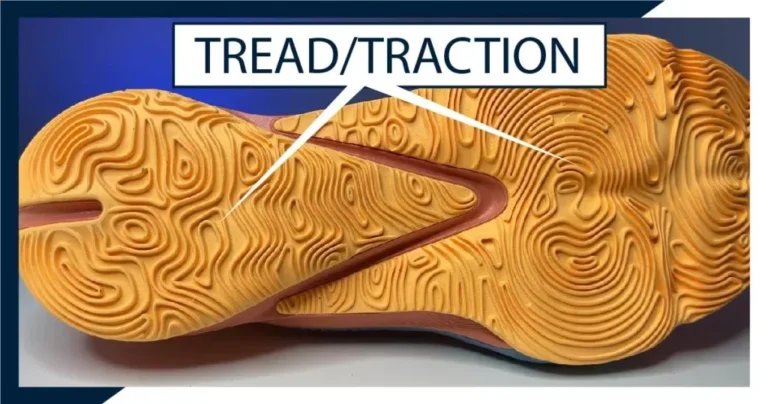
- Assuming More Cushioning is Always Better: While cushioning is important, excessive cushioning can sometimes reduce ground feel and stability, especially for efficient runners or those with certain biomechanical needs.
- Not Replacing Worn-Out Shoes: Running shoes have a lifespan. Typically, this is between 300-500 miles (around 500-800 kilometers). Running in worn-out shoes reduces their supportive and cushioning properties, increasing injury risk. Visible wear on the outsole or a feeling of "deadness" in the midsole are signs they need replacing.
- Shopping at the Wrong Time: Our feet tend to swell throughout the day. Shopping for running shoes in the late afternoon or evening, when your feet are at their largest, ensures a more accurate fit.
Frequently Asked Questions About Stability and Neutral Running Shoes
Can I wear stability shoes if I have neutral pronation?
Generally, it's not recommended. Stability shoes are designed to correct overpronation. If you have neutral pronation, wearing stability shoes might feel overly restrictive or stiff, potentially altering your natural gait and causing discomfort or even minor biomechanical issues.
It's best to stick with neutral shoes if your pronation is already balanced.
How often should I replace my running shoes?
Most running shoes should be replaced after approximately 300 to 500 miles (about 500 to 800 kilometers) of use. This mileage can vary depending on the shoe’s construction, your weight, running surface, and how you land. Visible signs of wear, such as compressed midsole foam or worn-down treads, also indicate it's time for a new pair.
What's the difference between stability shoes and motion control shoes?
Stability shoes offer a moderate level of support for mild to moderate overpronation. Motion control shoes, on the other hand, are designed for severe overpronation or very flat feet. They are typically more rigid, heavier, and have more aggressive support features, like wider platforms and very dense medial posts, to significantly limit excessive foot motion.

One Comment