What Makes Shoes Slip Resistant?
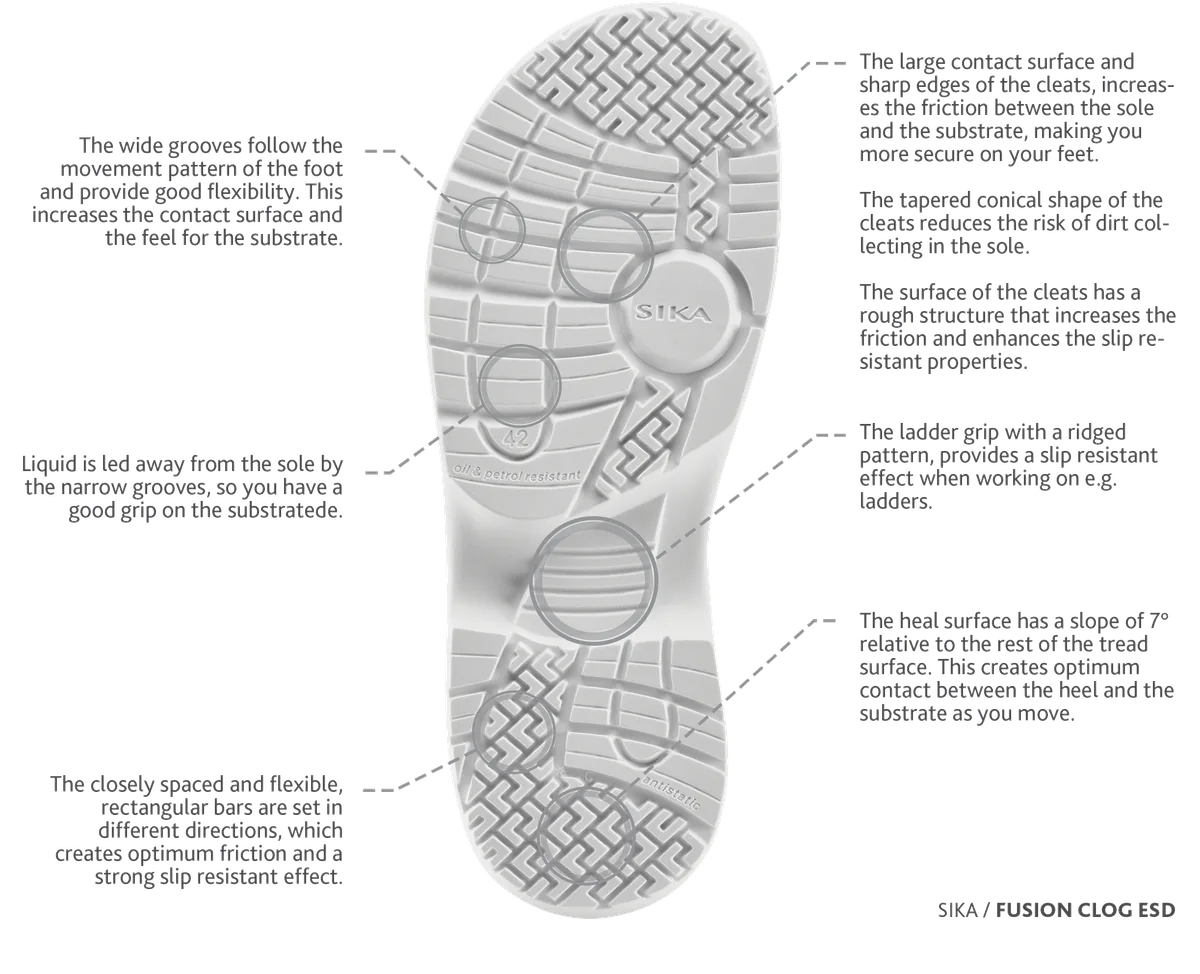
Image source: Bing (Web (fair-use with source credit))
Ever had that gut-lurching moment when your foot slides out from under you? It's a jarring, unsettling feeling that highlights just how much we rely on our shoes for stable footing. Understanding what makes a shoe "slip-resistant" isn't just about avoiding a tumble; it's about safety and confidence in everyday life and demanding work environments.
The magic behind this crucial grip isn't one single trick, but a smart combination of design elements and material science. Manufacturer specifications for many high-traction work boots confirm that specific rubber compounds, when paired with engineered tread patterns, can significantly reduce slip risks. Per ASTM International testing standards, a shoe's ability to resist slipping is rigorously measured to ensure it performs reliably on various surfaces.
Quick Answer
What makes shoes slip-resistant? It’s primarily the sole’s design and material. Aggressive tread patterns with deep lugs channel away liquids, while specialized rubber compounds offer superior friction.
Siping, or small cuts, further helps disperse water, and the overall sole composition is engineered to grip diverse surfaces like tile or wet floors.
The Grip Factor: Why Soles Matter Most
The sole of your shoe is the literal interface between you and the ground. Everything about its construction, from the deepest grooves to the very molecules of its material, contributes to how well it can hold its own against slick surfaces. It's like the tires on your car; the right tread and compound make all the difference between a smooth ride and a skid.
We've found that focusing on these two main areas is key to understanding shoe grip.
Tread Patterns That Stick
Think of shoe treads like the grooves on a car tire. These patterns aren't just for looks; they're functional, designed to interact with the surface beneath your feet.
- Deep, Aggressive Lugs: These are the prominent, raised sections of the sole. They dig into the ground, providing multiple contact points. This is especially beneficial on uneven surfaces or when dealing with debris like mud or gravel, as the lugs can push those elements aside to get to a more solid grip. The deeper and more defined these are, the more mechanical grip you're likely to get.
- Siping: You might see these as thin, shallow slits or cuts within the larger tread blocks. Siping is borrowed from winter tire technology and serves a crucial purpose: it helps water escape from under the sole. By creating more edges and channels, siping breaks the surface tension of liquids, preventing a thin film from forming between your shoe and the floor. This significantly improves traction on wet surfaces.
- Water-Dispersing Designs: Many specialized soles feature patterns specifically engineered to actively push liquids outwards. This can be achieved through channels that run towards the edges of the sole or patterns that create a squeegee-like effect. The goal is always to minimize the amount of liquid trapped between the sole and the floor, as this is what often leads to slips.
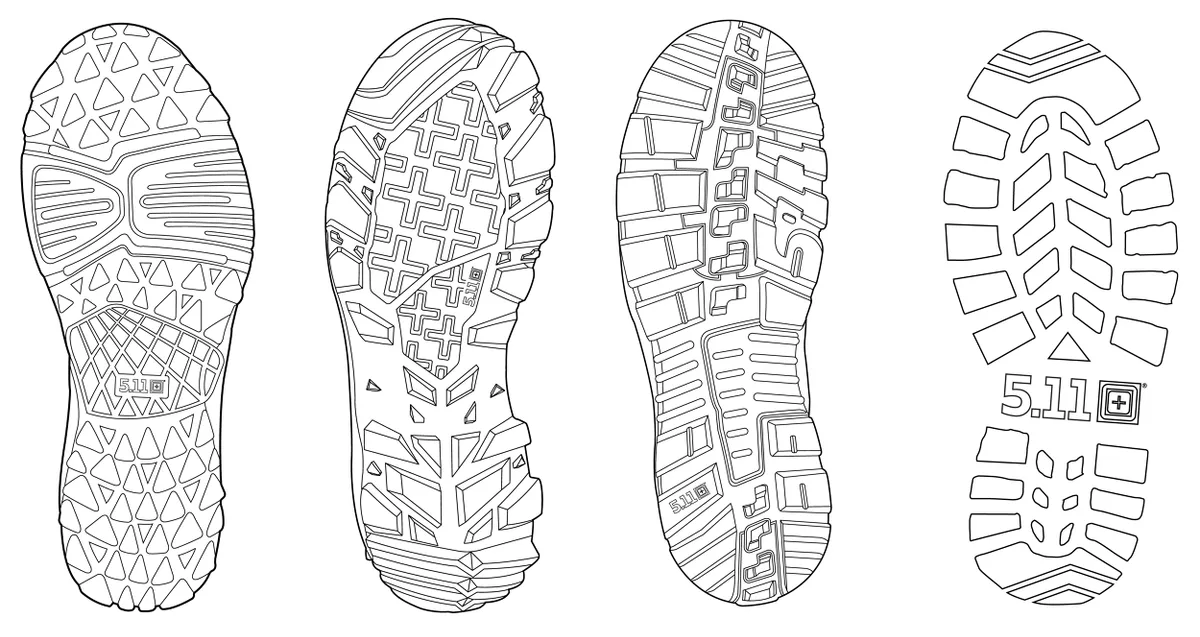
Image source: Bing (Web (fair-use with source credit))
Sole Materials Engineered for Traction
While the pattern is vital, what the sole is made of plays an equally significant role. Different materials have inherent properties that affect their friction and grip.
- Rubber: This is the most common material for slip-resistant soles, and for good reason. However, not all rubber is created equal. Softer rubber compounds generally offer better grip on dry surfaces because they can conform more easily to the microscopic imperfections of the floor. For wet or oily conditions, specialized rubber blends are formulated to maintain their friction properties even when lubricated. Manufacturer specifications often detail the specific rubber compounds used and their intended performance characteristics.
- Specialty Compounds: Beyond standard rubber, you'll find proprietary blends designed for extreme conditions. These might include additives that enhance durability, flexibility in cold temperatures, or resistance to chemicals and oils. For example, some industrial work boots use compounds tested to withstand specific types of oil degradation while maintaining high traction. Aggregate user reviews often highlight the effectiveness of these specialized materials in demanding settings.
How Slip Resistance is Tested and Rated
Just saying a shoe is "slip-resistant" isn't enough for critical applications. Industries and consumers alike need to know that these claims are backed by verifiable testing. Several methods exist to quantify a shoe's ability to prevent slips, ensuring a level of expected performance.
This is where industry standards and specific tests come into play, providing a common language for safety.
Understanding the Mark II Test
The Mark II test is a widely recognized method used to evaluate the slip resistance of footwear. It provides a quantifiable rating that helps consumers and professionals make informed decisions.
- The Process: In this test, a shoe is placed on a specific type of tiled floor. The shoe is then subjected to controlled movements, first on a dry surface, then on a surface contaminated with water, and finally on a surface contaminated with oil. Sensors measure the forces required to initiate movement and maintain it, which are then translated into a slip-resistance rating.
- Interpreting Results: A higher Mark II rating generally indicates better slip resistance. Different applications may require different minimum ratings. For instance, a kitchen environment with frequent spills might necessitate a much higher rating than a standard office setting.
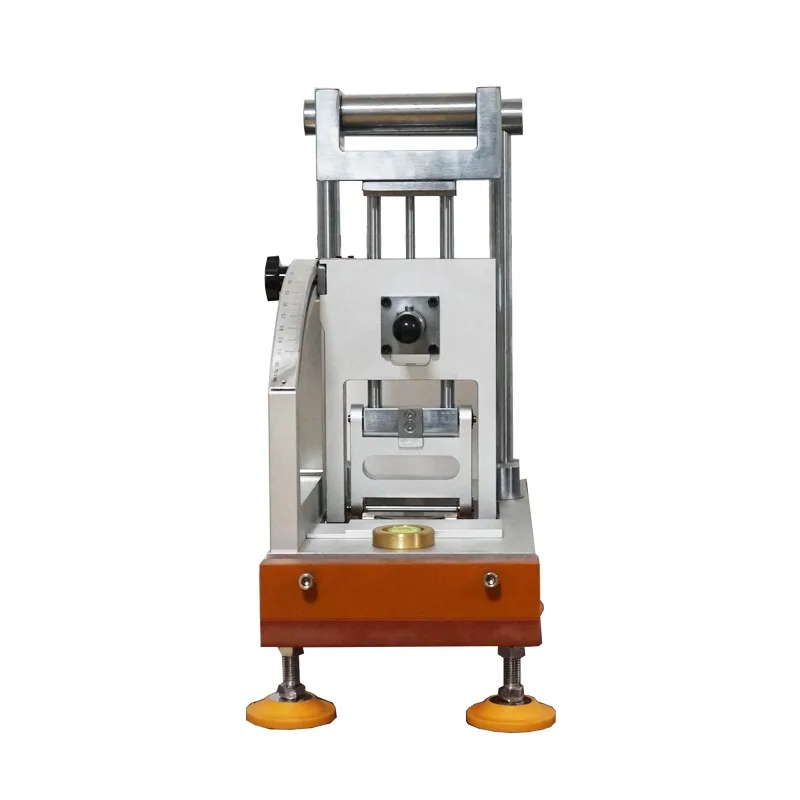
Image source: Bing (Web (fair-use with source credit))
ASTM Standards Explained
ASTM International, a global standards organization, develops and publishes technical standards for a wide range of materials, products, and services. For footwear, ASTM standards ensure consistency in testing and performance claims, particularly regarding safety features like slip resistance.
- What They Cover: ASTM standards (like ASTM F3445 for slip resistance) provide detailed guidelines on how to conduct slip resistance tests, the types of contaminants to use (water, oil, etc.), and how to interpret the results. Meeting an ASTM standard means a shoe has been tested according to these rigorous criteria.
- Why They Matter: When a shoe meets an ASTM standard, it assures the user that the slip-resistance claims are not just marketing but are based on standardized, repeatable testing. This is crucial for professions where safety is paramount, such as in healthcare or food service. Per ASTM International, adherence to these standards promotes consumer confidence and helps prevent accidents.
Real-World Traction: Where Slip Resistance Shines
The need for slip-resistant footwear isn't confined to a single industry or niche; it spans a broad spectrum of environments and occupations where slick surfaces are a common hazard. Understanding these specific contexts helps explain why certain shoe designs and materials are so critical. The effectiveness of specialized footwear becomes apparent when you look at the daily challenges faced by people in these roles.
Key Industries and Occupations
Certain jobs inherently involve environments with a high risk of slips and falls due to wet, oily, or otherwise slick floors.
- Food Service & Hospitality: Chefs, servers, bartenders, and kitchen staff constantly navigate spills from cooking oils, grease, water, and beverages. A shoe designed for this environment needs to provide immediate grip on these challenging surfaces. Manufacturer specifications for restaurant shoes often highlight proprietary rubber compounds tested for oil and water resistance.
- Healthcare: Nurses, doctors, and hospital support staff work on polished floors that can become wet from cleaning solutions, bodily fluids, or spills. Maintaining stable footing is essential for patient care and preventing accidents in busy hospital corridors. For healthcare professionals, ensuring their footwear provides reliable traction is as vital as the cleanliness of their hands. This is also why some may explore what is a stability running shoe? if they also engage in rigorous walking or standing for extended periods.
- Manufacturing & Industrial Settings: Workers in factories, warehouses, and processing plants often encounter oils, lubricants, hydraulic fluids, and wet conditions. The risk of slips can lead to serious injuries, making slip-resistant footwear a non-negotiable safety requirement. For those in physically demanding roles, understanding how why do running shoes have thick soles? can also inform their choice for supportive work footwear.
Everyday Scenarios and Environments
Beyond formal employment, slip resistance is valuable in many situations and environments.
- Wet Weather: Rain, snow, and ice create hazardous walking conditions for anyone outdoors. Shoes with robust tread patterns and materials that maintain grip in cold or wet conditions can make a significant difference.
- Around the House: Kitchens, bathrooms, and garages can all present slip hazards due to spills, condensation, or cleaning products. Homeowners often look for footwear that offers reliable traction in these areas. If you're considering shoes for general wear that also need to handle spills, it's worth understanding can you use running shoes for walking? and if their sole construction is sufficient.
- Leisure Activities: Boating, fishing, or even some types of outdoor recreation can involve wet or slippery decks and surfaces. Footwear designed for these activities incorporates specific features for enhanced grip.
Common Mistakes When Choosing Slip-Resistant Shoes
Navigating the world of slip-resistant footwear can be a bit tricky, and it’s easy to make choices that don't quite deliver the safety you need. Often, people focus on just one aspect of what makes a shoe slip-resistant, overlooking other critical factors. Avoiding these common pitfalls ensures you get footwear that truly performs when you need it most.
Overlooking Sole Design
One of the biggest mistakes is not paying close enough attention to the tread pattern. Some shoes might have a rubber sole but a nearly flat, untextured surface.
- The Pitfall: A smooth or minimally-patterned sole has very little to grip onto, especially on wet or oily surfaces. It can't effectively channel away liquids or create the mechanical interlock needed for traction.
- What to Look For: Instead, seek out soles with deep, defined lugs, a siped pattern, or channels designed to move water. Think about the tread on a high-performance tire; it’s there for a reason. Visualizing the sole is key, and detailed product images or diagrams help assess this.
Ignoring Material Properties
The material of the sole is just as crucial as its pattern. A great tread pattern can be rendered ineffective if the rubber compound is too hard, too slick, or degrades easily.
- The Pitfall: Using a standard, basic rubber compound in a wet or oily environment might not provide the necessary friction. Some materials can become slippery when exposed to certain chemicals or extreme temperatures, despite having a good tread.
- What to Look For: Prioritize shoes made from specialized rubber compounds formulated for slip resistance. Manufacturer specifications often mention materials tested to standards like ASTM F3445. For example, an industrial boot might use a proprietary blend that offers superior oil resistance and flexibility in low temperatures, maintaining grip where a standard shoe would fail. Understanding what are shoes made of? generally can inform you about the basic properties of different sole materials.
Expert Tips for Maximizing Shoe Grip
To really get the most out of your slip-resistant footwear, a few expert insights can make a big difference. It's not just about buying the right shoe, but also about maintaining it and understanding its limitations. Think of it like caring for any specialized gear; a little attention goes a long way in ensuring performance and longevity.
First off, always check the sole for wear and tear. Over time, even the best treads will flatten out, and specialized rubber compounds can degrade. If you notice the lugs are worn down, the siping is barely visible, or the sole feels unusually smooth, it’s time for a replacement. Aggressive tread patterns can become less effective if they’re smoothed out by miles of walking.
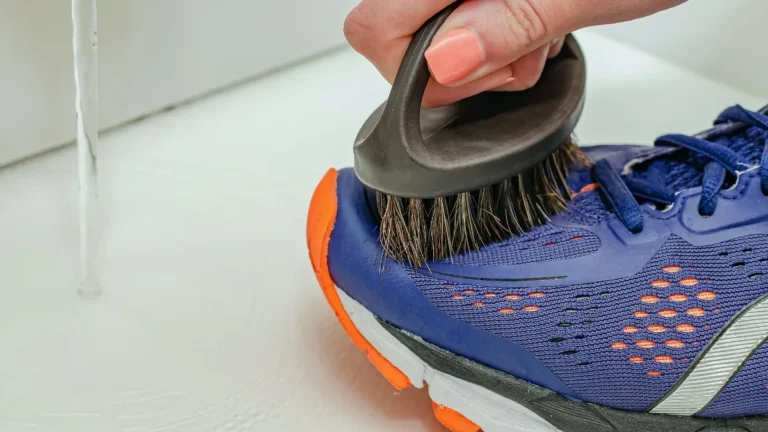
Second, clean your shoes regularly. Dirt, grease, and other debris can get lodged in the tread grooves, reducing the sole's ability to grip the floor. A simple wash with soap and water can restore much of the original traction. For those working in demanding environments, proper cleaning extends the life and effectiveness of their footwear.
Finally, understand that no shoe is 100% slip-proof. While slip-resistant shoes significantly reduce your risk, extreme conditions or unexpected contaminants can still pose a hazard. Always remain aware of your surroundings and walk with caution, especially in known high-risk areas. This cautious approach complements the safety features built into your footwear.
FAQs About Slip-Resistant Footwear
How often should I replace slip-resistant shoes?
Replacement frequency varies greatly depending on wear and tear, but as a general rule, visually inspect your soles regularly. If the tread is significantly worn down, the rubber feels excessively hard or brittle, or you notice a decrease in traction, it's time to consider new footwear. Manufacturer specifications sometimes offer guidance on expected lifespan under typical use.
Can I make my regular shoes more slip-resistant?
While you can't fully replicate the engineered features of dedicated slip-resistant shoes, you can improve traction on regular footwear. Some products, like adhesive traction pads or spray-on coatings, can add texture to soles. However, these are often temporary solutions and may not perform as reliably as footwear specifically designed and tested for slip resistance.
Are all shoes with rubber soles slip-resistant?
No, not all shoes with rubber soles are inherently slip-resistant. The key factors are the type of rubber compound used and the design of the tread pattern. A smooth, hard rubber sole may offer less grip than a softer, deeply treaded sole made from a specialized compound.
What does a slip-resistance rating mean?
A slip-resistance rating, often derived from tests like the Mark II, quantifies how well a shoe’s sole prevents slipping on various surfaces (e.g., dry, wet, oily). Higher ratings indicate better performance. Standards like ASTM F3445 provide specific testing methodologies and benchmarks for these ratings, ensuring consistency and reliability in the claims made by manufacturers.