What Are Shoes Made Of?
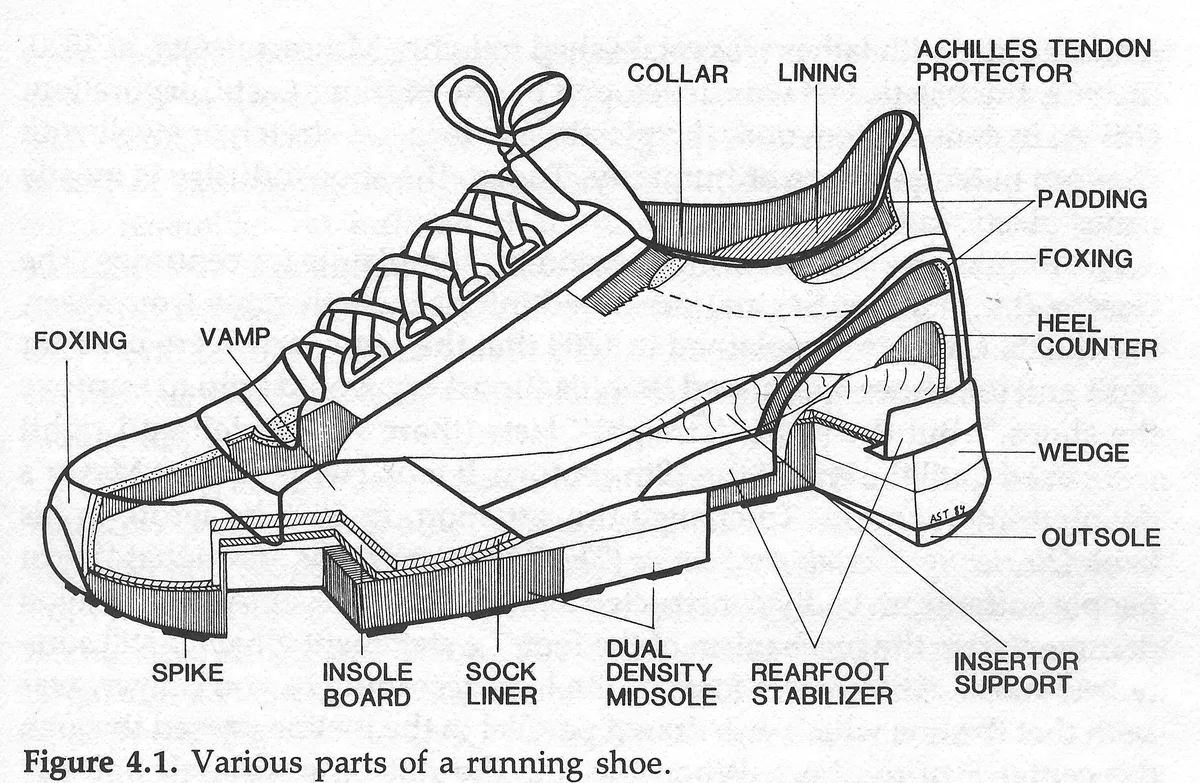
Image source: Bing (Web (fair-use with source credit))
What are shoes made of? It’s a question that seems simple, but the answer involves a surprising variety of materials and thoughtful engineering. From the tough rubber on the sole to the soft fabric that hugs your foot, each component plays a critical role in how your footwear performs, feels, and lasts.
Our research shows that modern shoes are complex assemblies, blending natural and synthetic elements to meet diverse demands. As of 2026, understanding these materials can help you make better choices, whether you’re picking out running shoes or sturdy work boots. Let’s break down the building blocks of your footwear.
Quick Answer: What Are Shoes Made Of?
Shoes combine leather, synthetics, textiles, rubber, and foam. The upper uses leather, nylon, polyester, or knit fabrics. Midsoles rely on EVA or polyurethane foam for cushioning.
Outsoles are typically durable rubber or TPU for grip. Different materials provide specific benefits like breathability, support, and traction.
The Upper: Your Shoe's "Skin"
The upper is the part of the shoe that covers your foot, from the sole up to the ankle. It’s what you see most, and it’s designed to hold your foot securely while allowing for some flexibility and breathability. Different materials are chosen based on the shoe's intended purpose.
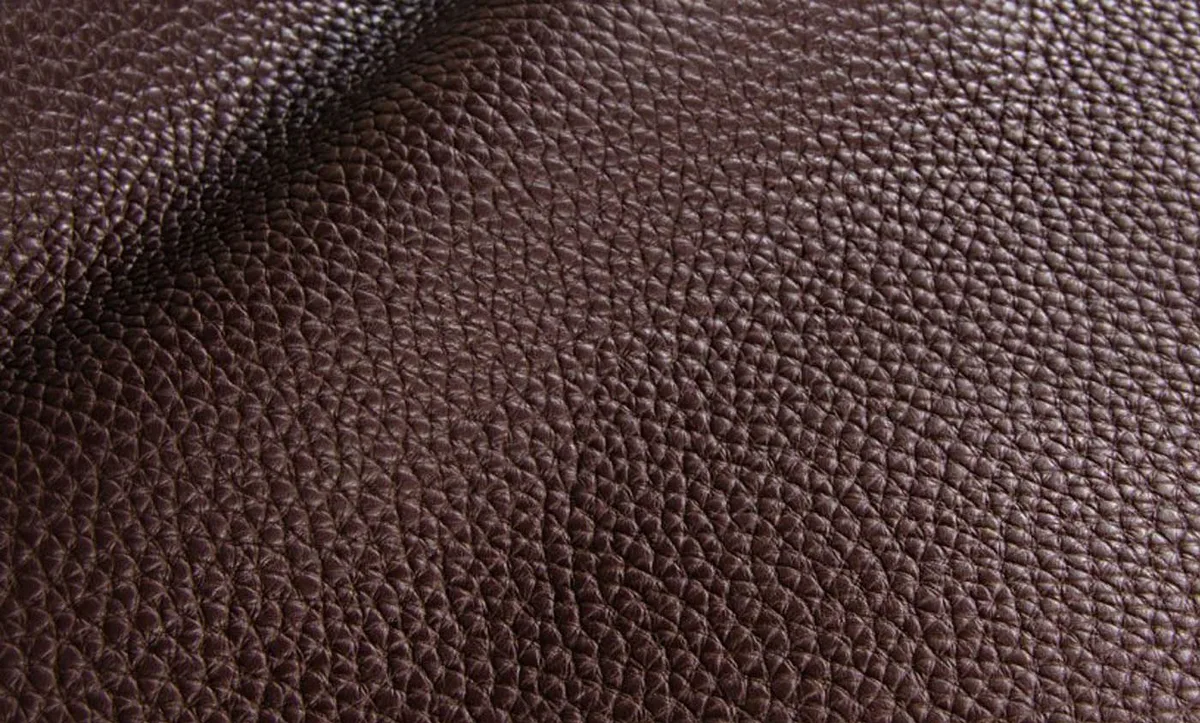
Image source: Bing (Web (fair-use with source credit))
- Leather: A classic choice, leather offers durability, a premium look, and can mold to your foot over time for a custom fit.
- Full-grain leather is the highest quality, using the entire grain layer of the hide without much processing, which makes it very strong and resistant to wear.
- Split-grain leather is made from the lower layers of the hide after the top grain is removed. It’s often used for suede (which has a napped, fuzzy surface) or nubuck (which is similar to suede but has a finer, velvety texture).
- Synthetic Materials: These are engineered for specific performance benefits.
- Polyester and nylon are common in athletic shoes because they’re lightweight, strong, and can be made to be water-resistant or highly breathable.
- Polyurethane (PU) is often used in synthetic leather or as a coating for durability and flexibility.
- Textiles and Fabrics: These materials bring comfort and breathability to many casual and athletic shoes.
- Canvas is a strong, plain-woven fabric, often made from cotton, used for its durability and casual look.
- Mesh is a woven fabric with small holes, excellent for allowing air to circulate and keep feet cool.
- Knit uppers, popular in modern sneakers, offer a sock-like fit with a lot of stretch and breathability.
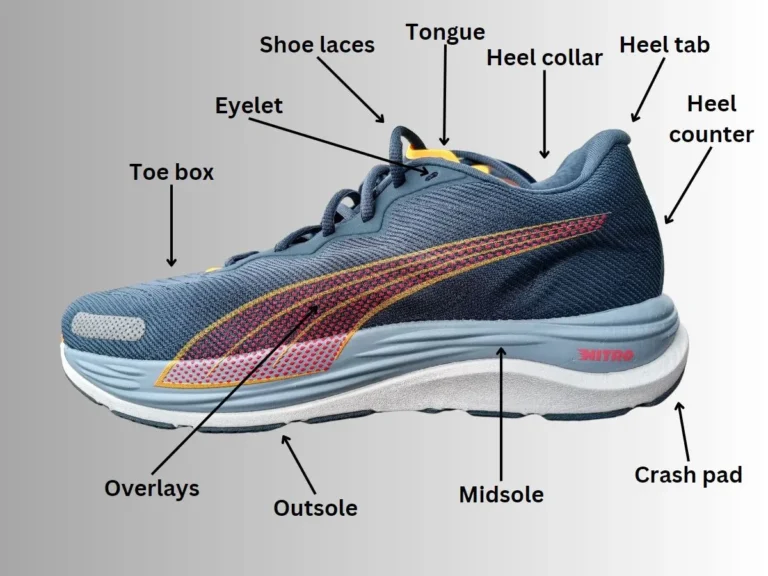
These materials are stitched or bonded together, often with reinforcing overlays in areas that need extra support or durability, like around the toe box or heel.
The Midsole: Where the Cushioning Happens
The midsole is the critical layer nestled between the shoe's upper and the outsole. Its primary job is to absorb shock and provide cushioning for your foot during impact. Think of it as the shock absorber of your shoe, crucial for comfort, especially during activities like running or walking long distances.
The most common materials used for midsoles are foams, each offering slightly different properties:
- EVA (Ethylene-vinyl acetate): This is a very popular foam because it’s lightweight, flexible, and provides excellent cushioning. It’s soft to the touch and great at taking the sting out of hard surfaces. Many running shoes and casual sneakers feature EVA midsoles for that responsive feel. Manufacturer specifications often cite EVA’s low density and high resilience.
- Polyurethane (PU): PU foam is generally denser and more durable than EVA. It offers firmer support and tends to last longer, making it a good choice for shoes that need to withstand more wear and tear or provide greater stability. While it might feel a bit stiffer initially, it provides excellent long-term cushioning. Aggregate reviews report PU midsoles often outperform EVA in terms of longevity.
Some specialized shoes might also incorporate other materials like gel inserts or specially designed composite plates within the midsole to enhance specific performance characteristics, such as energy return or torsional stability. The thickness and density of the midsole can vary dramatically, from wafer-thin in minimalist shoes to several centimeters thick in maximalist running shoes, directly impacting the level of cushioning and support you get.
The Outsole: Gripping the Ground
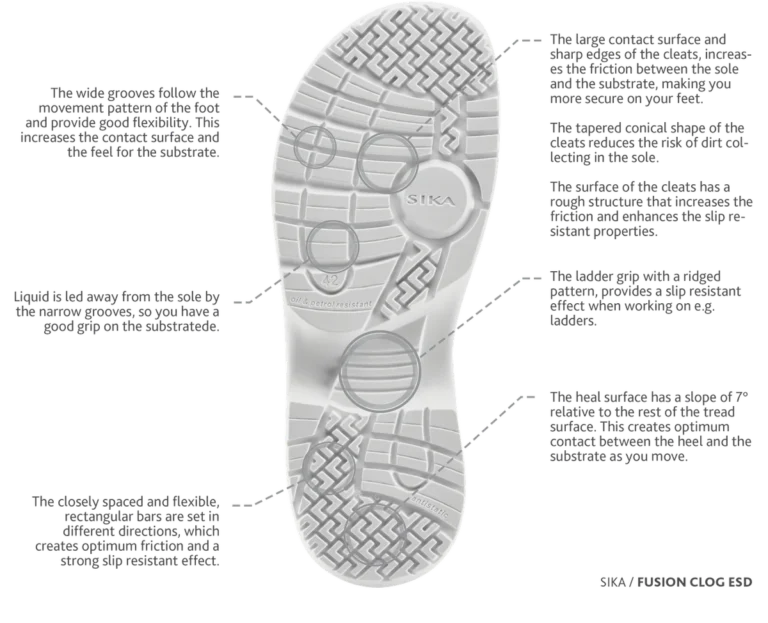
This is the very bottom of the shoe, the part that makes direct contact with the ground. The outsole's main functions are to provide traction, prevent slipping, and offer durability against abrasion. The materials used here need to be tough and grippy, and often have specific tread patterns designed for different terrains.
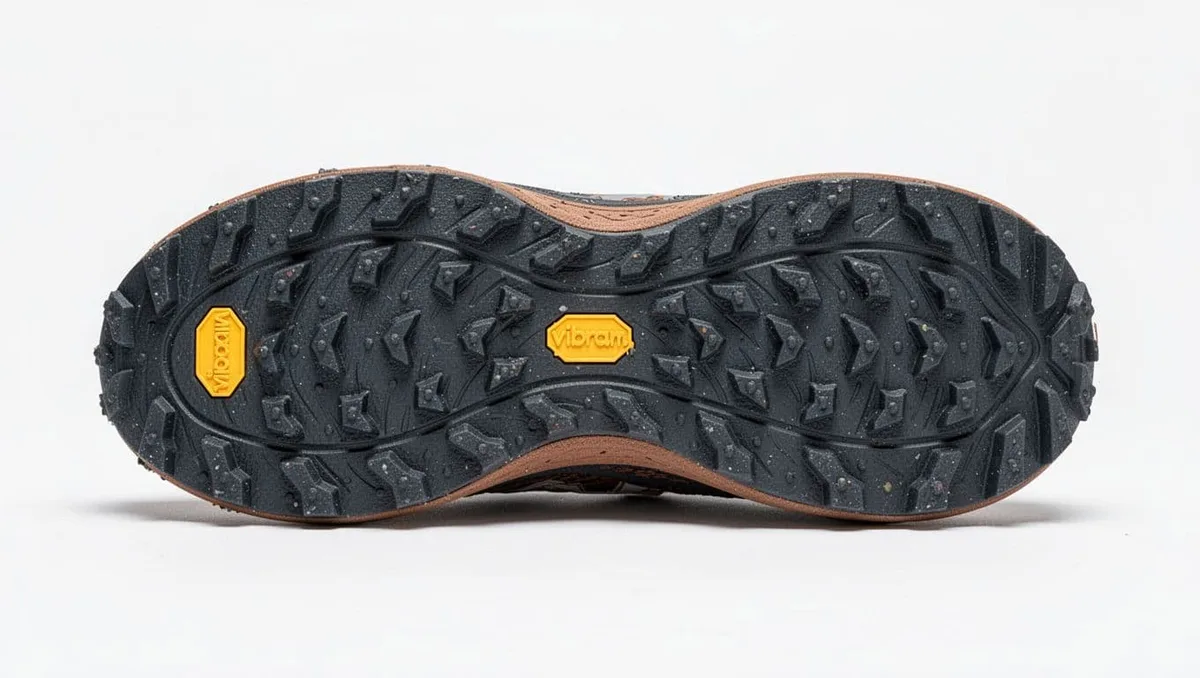
Image source: Bing (Web (fair-use with source credit))
- Rubber: This is the most common outsole material, and for good reason. Natural and synthetic rubbers offer excellent grip, flexibility, and wear resistance. Different types of rubber compounds are used:
- Carbon rubber is typically harder and more durable, often found in the heel of running shoes or in work boots where longevity is key.
- Blown rubber is softer and lighter, offering better cushioning and flexibility, commonly used in the forefoot of athletic shoes for a more responsive feel.
- Specialized compounds might be designed for specific conditions, like oil resistance for work environments or stickier formulations for climbing shoes.
- TPU (Thermoplastic Polyurethane): This material is a hard, durable plastic that offers great abrasion resistance and stability. It’s often used in areas where extra rigidity is needed, such as in the shank (a stiff piece that runs under the arch of the foot) or as cleat bases on sports shoes. TPU can also be molded into aggressive tread patterns for enhanced grip on specific surfaces.
The design of the outsole tread is just as important as the material. Deep lugs provide grip on soft terrain like mud, while flatter, more numerous patterns offer traction on smooth surfaces. Some outsoles are designed with flex grooves to allow the shoe to bend naturally with your foot.
Beyond the Big Three: Other Shoe Components
While the upper, midsole, and outsole make up the bulk of a shoe, several other smaller parts are crucial for its structure, comfort, and function. These components, often overlooked, contribute significantly to the overall performance and feel of your footwear.
- Insoles (or Sockliners): This is the layer directly beneath your foot, inside the shoe. It’s often removable, allowing you to swap it out for a custom orthotic or a different type of cushioning. Insoles can be made from a variety of materials, including:
- Foam: EVA or polyurethane foam is common for basic cushioning.
- Gel: Provides targeted shock absorption, often in the heel or ball of the foot.
- Leather or Fabric: Offers a smoother, more breathable surface against the foot.
Manufacturer specifications often indicate the type and density of the insole material.
- Laces: These are typically made from durable synthetic fibers like polyester or nylon, or sometimes cotton. Their weave and thickness are designed to hold knots securely and withstand repeated tightening and loosening.
- Adhesives and Threads: All these separate parts need to be held together. Strong glues, often specialized polymers, are used extensively, especially in athletic shoes, to bond materials seamlessly and maintain flexibility. Durable nylon or polyester threads are also used for stitching, particularly in areas of high stress or where more robust construction is needed. Per industry standards, adhesives must meet specific tensile strength requirements to ensure longevity.
These components, working together with the main parts, create the complete shoe that supports your foot through every step.
Why Different Materials Matter: Matching Shoes to Your Needs
The choice of materials in a shoe isn't random; it's carefully selected to suit the shoe's intended use. Understanding these material differences helps you pick footwear that will perform best for your activities and provide the comfort you need.
- For Breathability and Lightweight Feel (e.g., Running Shoes): Look for uppers made of mesh, knits, or lightweight synthetics like polyester. These allow air to circulate freely, keeping your feet cool and reducing overall shoe weight. The midsole will likely feature EVA foam for soft cushioning.
- For Durability and Support (e.g., Hiking Boots, Work Boots): Leather, especially full-grain, is a prime choice for uppers due to its toughness and ability to resist abrasion. Midsoles might use firmer polyurethane (PU) for better stability under load, and outsoles will feature rugged rubber or TPU with deep lugs for traction.
- For Style and Casual Comfort (e.g., Sneakers, Casual Shoes): A blend of materials is common. You might see canvas or softer synthetics for the upper, sometimes combined with suede or nubuck accents. The midsole is usually EVA for immediate comfort, and the outsole a versatile rubber.
- For Water Resistance (e.g., Winter Boots, Some Outdoor Shoes): Uppers might be treated leather or synthetics with waterproof membranes. Seam-sealing is also critical, a process manufacturers often detail in product specifications. The outsole needs to provide grip on wet or icy surfaces.
As of 2026, material innovation continues to push boundaries, with new composites and recycled materials becoming more common. This allows manufacturers to create shoes that are not only functional but also more sustainable. For instance, research into advanced polymer composites by entities like the National Institute of Standards and Technology (NIST) influences the development of lighter, stronger shoe components.




One Comment