What Is a Stability Running Shoe?
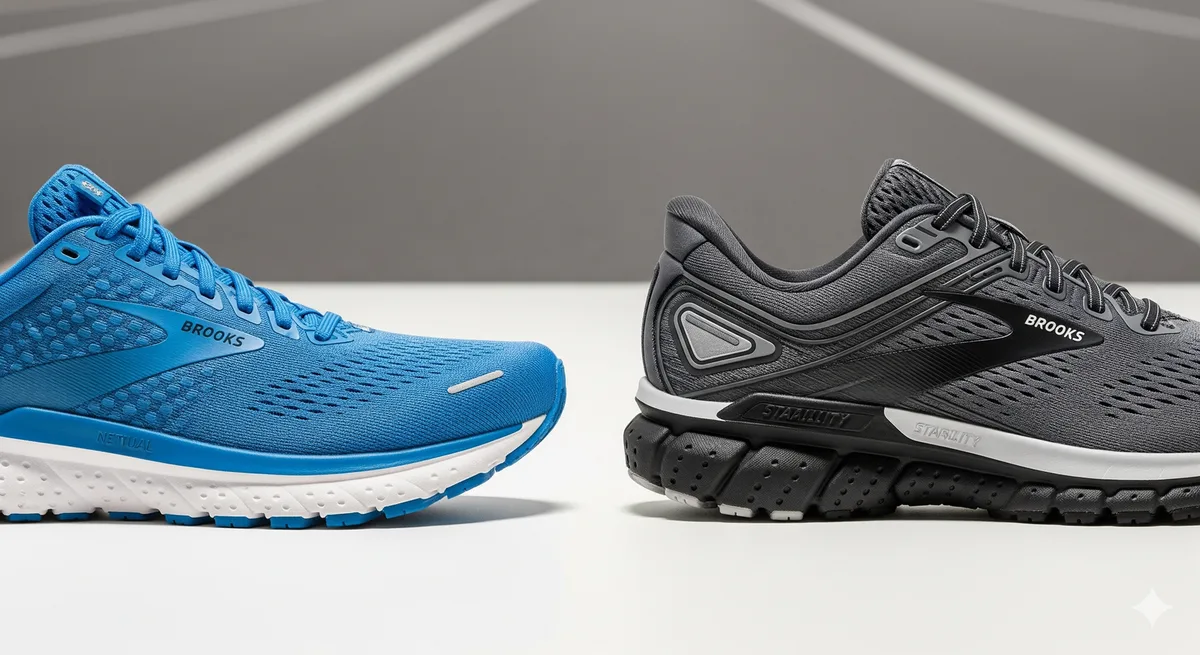
Image source: Bing (Web (fair-use with source credit))
When you're lacing up your running shoes, what you put on your feet can make a world of difference to your comfort and injury prevention. Understanding what makes a stability running shoe different from other types is key, especially if you've ever dealt with aches and pains after a run. These shoes are engineered to offer specific support for a common foot motion.
The primary design goal of a stability running shoe is to help runners whose feet tend to roll inward too much, a condition known as overpronation. This support is achieved through specific structural elements. According to aggregate runner feedback and manufacturer specifications, these shoes can significantly help manage impact forces as of 2026.
Stability vs. Neutral Running Shoes: What's the Real Difference?
The biggest question many runners face is whether they need a stability shoe or a neutral one. It really boils down to how your foot moves when you run. A neutral shoe is designed for a more natural foot motion, prioritizing cushioning and flexibility.
It doesn't try to correct or guide your foot's roll.
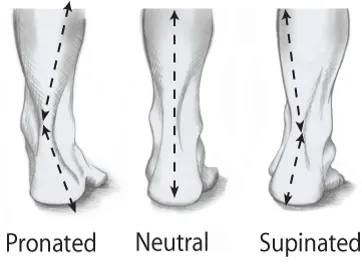
Image source: Bing (Web (fair-use with source credit))
In contrast, a stability shoe is built with specific features to provide a degree of control. It’s about offering a more guided experience for your foot strike.
Understanding Your Foot's Natural Roll: Pronation Explained
Pronation is a normal and essential part of how your foot functions when you run or walk. It's the inward rolling motion that helps absorb shock and adapt to uneven surfaces. Most people's feet pronate to some degree.
What is Pronation?
When your foot hits the ground, it naturally rolls inward slightly. This is pronation. It acts like a shock absorber, cushioning the impact and distributing forces up through your legs.
It's a key biomechanical action that allows your body to move efficiently.
Overpronation: When Your Foot Rolls Too Much
The issue arises when this inward roll is excessive. This is called overpronation. Instead of a gentle inward roll, the foot collapses too far inward, and the arch may flatten significantly.
This can happen because of factors like very flexible arches or certain muscle imbalances.
Inside a Stability Running Shoe: Key Support Features
Stability running shoes aren't just a generic category; they have specific design elements aimed at managing overpronation. These features work together to provide a more controlled and supported stride.
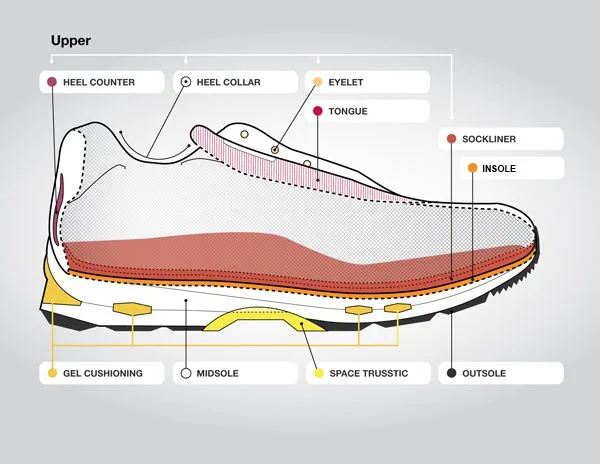
Image source: Bing (Web (fair-use with source credit))
The Role of the Medial Post
One of the most common features is a medial post. This is a section of denser or firmer foam placed on the inner side of the midsole, right under the arch. Its purpose is to resist the compression that occurs during overpronation, slowing down that excessive inward roll.
How Guide Rails and Heel Counters Help
Other stability features include guide rails, which act like bumpers along the sides of the shoe to help keep the foot centered, and a stiffer heel counter, the firm cup at the back of the shoe that cradles the heel and reduces excessive side-to-side movement. The entire midsole construction is often firmer and less flexible compared to neutral shoes, offering a more structured feel.
Who Needs Stability Running Shoes? Identifying Overpronation
Not every runner needs the extra support of stability shoes. They are most beneficial for those who consistently overpronate. Identifying this is key to choosing the right shoe for your needs.
The Wet Footprint Test
A simple way to get an idea of your arch type and potential pronation is the wet footprint test. Wet your feet and step onto a flat surface where your footprint will be visible, like a piece of cardboard or a dry patio.
- Normal Arch: You'll see a clear imprint of your foot with a distinct curve inward, showing about half of your arch. This usually indicates a neutral gait.
- Flat Arch (Likely Overpronator): Your footprint will show most of your foot, with very little inward curve and a full or nearly full arch imprint.
- High Arch (Likely Supinator): You’ll see a very thin line connecting your heel and forefoot, with a large gap where the arch should be.
Reading Your Old Shoe Wear Patterns
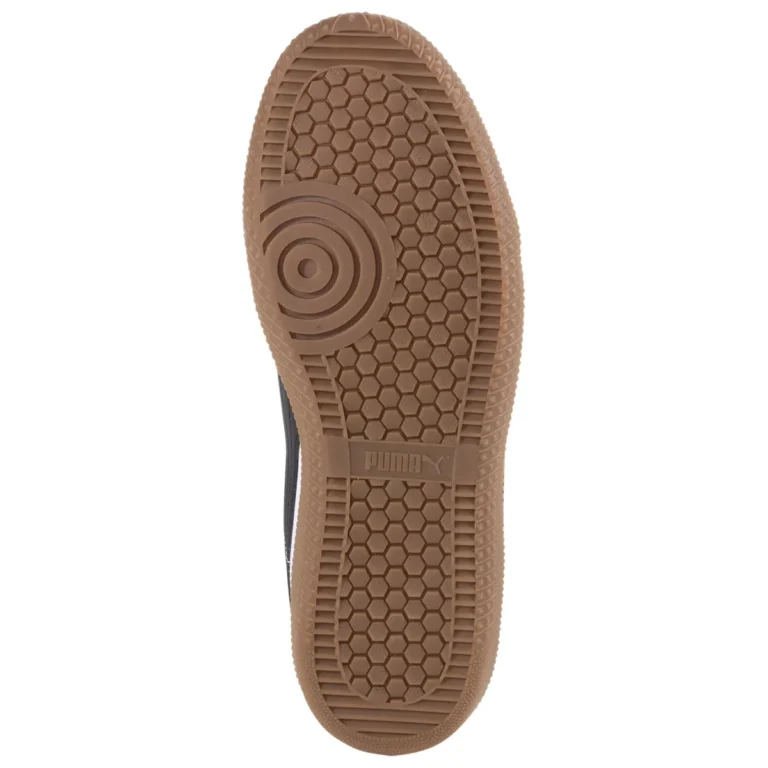
Your old running shoes can also offer clues. Look at the soles of a well-worn pair.
- Heavy wear on the inside edge: If the sole is significantly worn down on the inner side, especially under the ball of the foot and the heel, it's a strong sign of overpronation.
- Even wear: If the wear is relatively even across the heel and forefoot, you likely have a neutral gait.
- Wear on the outside edge: Excessive wear on the outer edge suggests supination (outward rolling), meaning neutral shoes are usually best.
When to Seek Expert Advice
While these tests can be helpful indicators, the most accurate assessment comes from a professional gait analysis. Many specialty running stores offer this service for free. They'll watch you run on a treadmill or record you from different angles to observe your foot strike and pronation pattern.
This professional insight is invaluable for making an informed shoe choice.
Stability vs. Neutral: A Direct Comparison
Choosing between stability and neutral running shoes isn't about one being "better" than the other; it's about finding the right fit for your unique biomechanics. Here's a breakdown to help you see the core differences.
| Feature | Stability Running Shoe | Neutral Running Shoe |
|---|---|---|
| Primary Goal | Control overpronation, support arch collapse. | Cushioning and shock absorption for a natural foot motion. |
| Best For | Runners who overpronate (foot rolls inward excessively). | Runners with a neutral gait or mild supination (outward roll). |
| Key Tech | Medial posts, guide rails, firmer midsole, stiffer heel. | Softer, more flexible midsole, less structure. |
| Feel | Supportive, guided, sometimes a bit firmer. | Plush, flexible, natural feel. |
If your gait analysis or shoe wear pattern indicates you overpronate, a stability shoe is likely your best bet for comfort and injury prevention. If your gait is neutral, a neutral shoe will allow your foot to move as it naturally does, with ample cushioning for impact.
Common Mistakes When Choosing Running Shoes
Making the wrong choice about your running shoes can lead to discomfort, inefficient form, and even injuries. It's easy to get swayed by looks or price, but focusing on the right factors is crucial for your running health. Understanding your own foot mechanics is the first step to avoiding these common pitfalls.
Ignoring Your Gait
Many runners buy shoes based on aesthetics or what a friend recommends, without understanding their own gait. If you overpronate, a neutral shoe won't offer the necessary support. Conversely, a stability shoe might feel too stiff or restrictive if you have a neutral stride.
A gait analysis at a specialty running store is often the best way to get a clear picture.
Assuming All "Support" Shoes Are the Same
The term "stability" can be broad. Different brands use varied technologies and levels of support. Some shoes offer mild stability, while others provide more robust control for severe overpronation.
Assuming all stability shoes are identical means you might pick one that's too aggressive or not supportive enough for your specific needs.
Prioritizing Looks Over Feel
It’s tempting to grab the brightly colored, stylish pair. However, a shoe's appearance has zero bearing on its biomechanical function. A shoe that looks great might feel terrible after just a mile, while a less flashy pair could be exactly what your feet need to run pain-free.
Always prioritize comfort and the feel of the shoe during a run.
Expert Tips for Finding Your Perfect Running Shoe
Finding the right running shoe is more of a science than an art, especially when you're dealing with specific support needs. Our research indicates that focusing on biomechanics and comfort yields the best long-term results for runners. Here's how to approach the process like an experienced runner would.
- Get Analyzed: As mentioned, a gait analysis is invaluable. It’s not just for beginners; even seasoned runners can benefit from a check-up.
- Try Before You Buy: Always test shoes on a treadmill or, if possible, for a short jog around the store. Pay attention to how your foot lands and rolls, and if there's any pinching or rubbing.
- Consider Your Mileage: If you run high mileage, durability and consistent cushioning become even more critical. You might also consider having two pairs of shoes to rotate.
- Don't Assume Size: Shoe sizes can vary between brands. Always measure your foot or try on the specific model you’re interested in. Ensure there’s about a thumb's width of space between your longest toe and the end of the shoe.
- Listen to Your Body: Ultimately, the best shoe is the one that feels comfortable and causes no pain during and after your runs. Trust your own experience.
FAQs About Stability Running Shoes
What if I have flat feet and pain?
If you have flat feet, you're more likely to overpronate, which can lead to pain in your arches, shins, or knees. A stability running shoe is often recommended for this situation to provide the necessary support and control. However, it's always best to confirm this with a professional gait analysis.
How often should I replace my stability running shoes?
Generally, running shoes should be replaced every 300 to 500 miles, or about every 6 to 12 months, depending on your mileage and the shoe's construction. For stability shoes, the supportive elements can wear down over time, even if the cushioning still feels okay. Worn-out support can lead to increased injury risk.
Can stability shoes fix my overpronation permanently?
Stability shoes help manage overpronation while you're wearing them by guiding your foot's motion. They don't permanently "fix" the underlying biomechanical issue. Consistent strengthening exercises for your feet and ankles, along with proper footwear, are key to improving foot mechanics over the long term.
Are stability shoes good for walking too?
Yes, stability shoes can offer comfort and support for walking, especially if you tend to overpronate. However, if your primary activity is walking and you don't have specific pronation issues causing pain, a dedicated walking shoe or a neutral running shoe might offer better comfort and flexibility for that activity.

3 Comments