What Is the Difference Between Work Boots and Work Shoes?
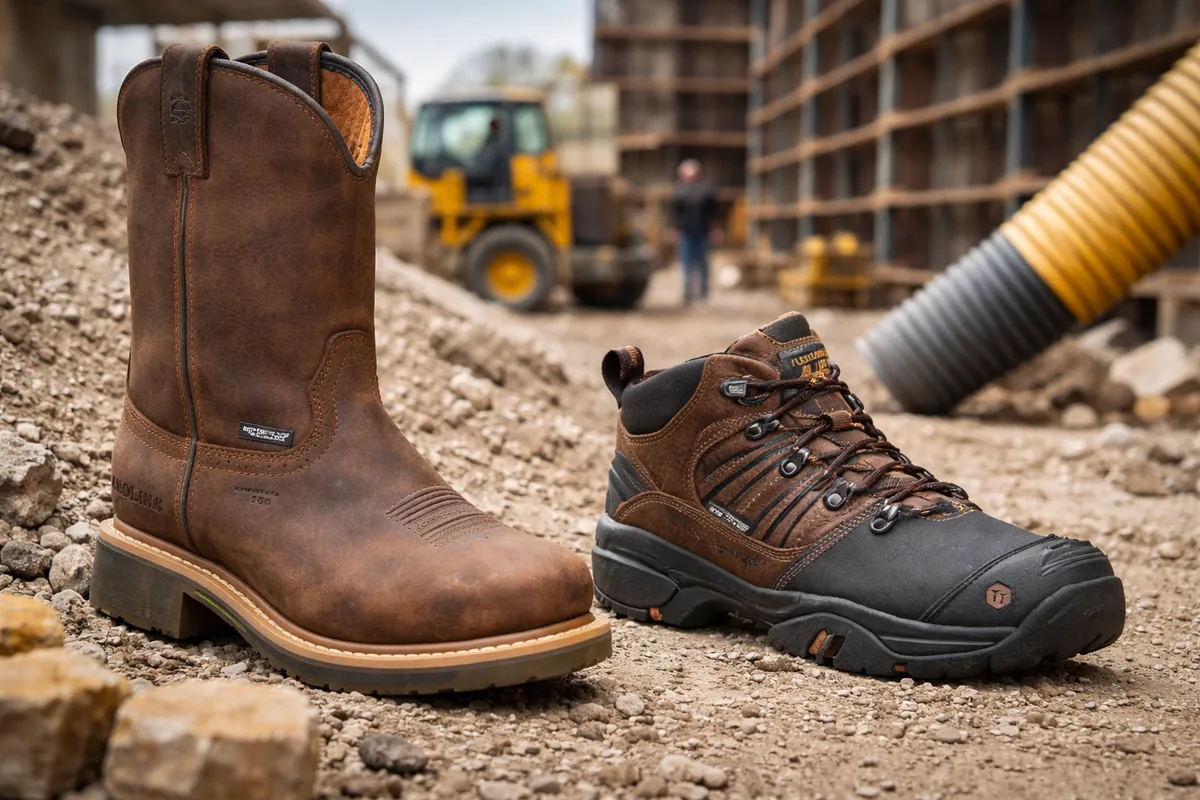
Image source: Bing (Web (fair-use with source credit))
Work Boots vs. Work Shoes: What's the Real Difference?
Figuring out what's the difference between work boots and work shoes can feel like a puzzle, especially when you need reliable gear for a tough job. Both are built to last and offer protection beyond regular footwear, but their designs cater to different needs and work environments. Understanding these distinctions is key to keeping your feet safe and comfortable all day long.
Our research indicates that while both types of footwear share core safety features, the primary divergence lies in their construction and the level of support they offer. According to ASTM F2413, the standard for protective footwear, safety features like reinforced toes are rated for impact and compression, but the overall design of boots and shoes dictates their specific applications. Let’s break down exactly what makes them different.
Quick Answer
Work boots offer high ankle support and rugged construction for demanding environments, while work shoes are lower-cut, lighter, and provide essential safety without extensive ankle coverage. Boots excel in stability and protection against extreme hazards, whereas shoes prioritize comfort and agility for extended wear in less severe conditions. Both can feature safety toes and puncture-resistant soles, but the boot's extended design offers a distinct advantage for jobs involving uneven terrain or heavy lifting.
The Basics: What Sets Them Apart?
At their core, both work boots and work shoes are engineered with one goal in mind: to protect your feet on the job. They aren't your average sneakers; these are built for durability and safety. You'll often find they share common ground in crucial protective elements designed to guard against workplace hazards.
Think of it this way: the fundamental difference starts with their height and extends to the materials and construction methods used. This variation in design directly impacts the kind of support and protection each offers. Manufacturer specifications confirm that key features like reinforced toes and slip-resistant soles are common across both categories, but how these features are integrated can vary significantly.
Work Boots: The Heavy-Duty Champions
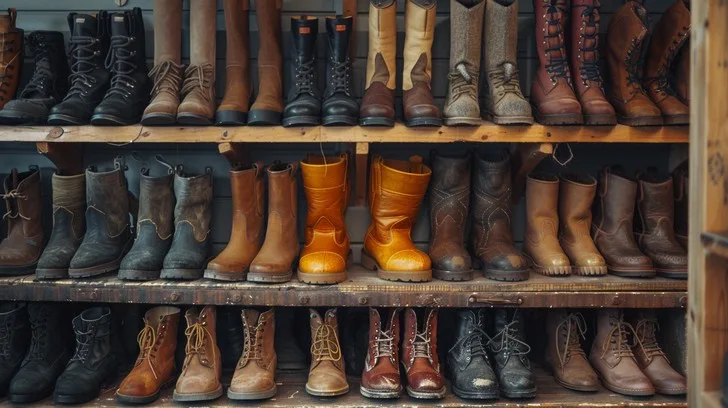
When people talk about work boots, they're usually picturing something substantial and built to withstand serious punishment. These are the heavy lifters of the safety footwear world, designed for jobs where your feet are constantly under stress or facing significant risks.
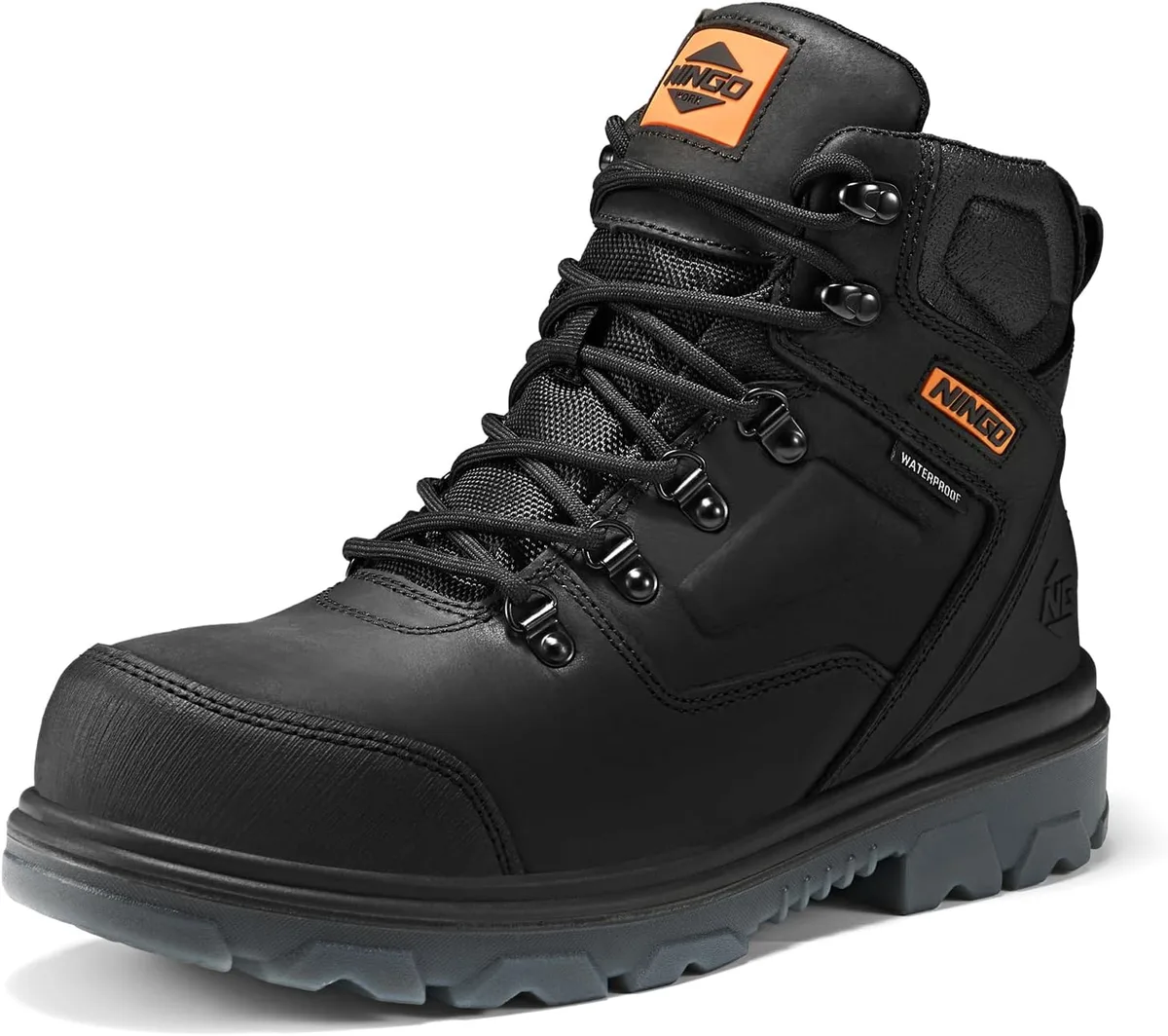
Image source: Bing (Web (fair-use with source credit))
What Makes Them a "Boot"?
The most defining characteristic of a work boot is its height. They extend well over your ankle, and often several inches up your calf. This design isn't just for show; it’s crucial for providing robust ankle support.
This support is vital for stability when you're navigating uneven terrain, climbing ladders, or carrying heavy loads that can easily throw you off balance. This extra coverage can significantly reduce the risk of painful twists and sprains.
Beyond height, work boots are typically constructed with thicker, more durable materials throughout. This means tougher leather uppers, beefier sole constructions, and often more substantial protective features integrated into the design. They’re built to take a beating, offering a higher level of overall resilience against abrasions, impacts, and sometimes even chemicals, depending on the specific boot's rating.
When Are Boots Your Best Bet?
Our research suggests that work boots are the go-to choice for a wide array of demanding professions. If your daily grind involves navigating construction sites with loose gravel and debris, you'll appreciate the ankle stability boots provide. They are also ideal for heavy manufacturing or warehousing environments where the risk of dropped objects is high, and the sturdy build can offer superior protection.
Jobs that require climbing ladders or working at heights benefit immensely from the added ankle support, helping to prevent dangerous missteps. For those working outdoors in challenging conditions, think muddy fields, rocky paths, or slippery surfaces, the reinforced construction and higher cut of work boots offer a critical layer of safety and defense against the elements and terrain. If your work demands maximum foot and ankle protection, boots are generally the most suitable option.
Work Shoes: The Practical Protectors
Work shoes might look more like everyday footwear at first glance, but they pack a serious punch when it comes to safety. They offer essential protection without the bulk or extended coverage of boots, making them a popular choice for many types of jobs.
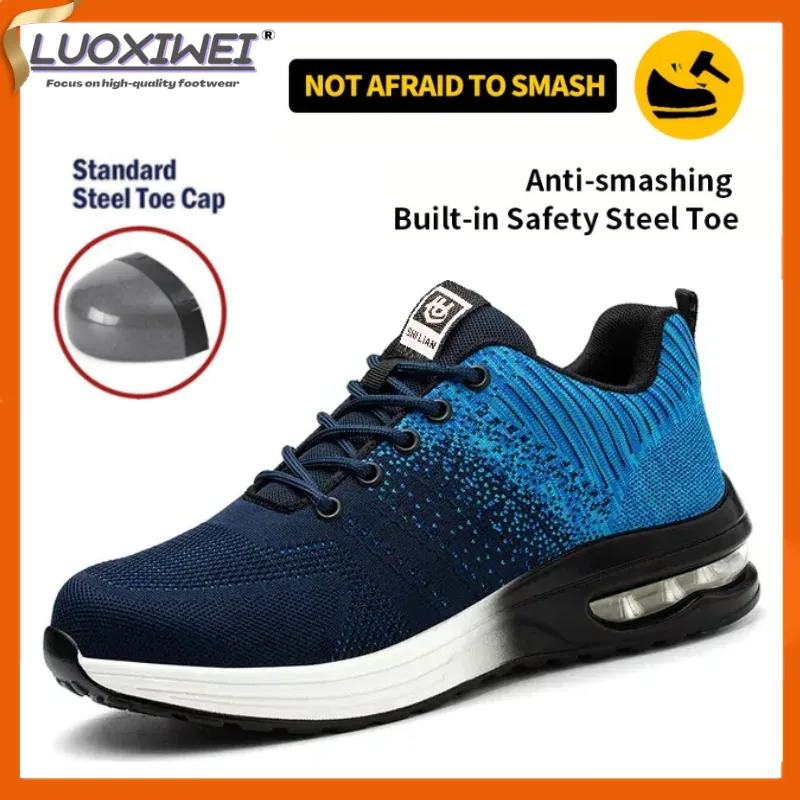
Image source: Bing (Web (fair-use with source credit))
What Makes Them a "Shoe"?
The most obvious difference is their lower cut. Work shoes typically end at or just below the ankle bone, meaning they offer far less direct ankle support compared to their boot counterparts. This lower profile often translates to them being lighter and more flexible.
This flexibility can be a real advantage for jobs that involve a lot of bending, squatting, or intricate foot movements where a stiffer boot might feel restrictive.
Despite the lower profile, don't underestimate their protective capabilities. Quality work shoes still incorporate critical safety features, including reinforced toe protection (steel or composite) to guard against crushing impacts, and slip-resistant outsoles designed to maintain traction on potentially hazardous surfaces. Many also feature puncture-resistant midsoles, often made of Kevlar or steel plates, to stop sharp objects like nails or screws from penetrating the sole and injuring your foot.
Some models are also designed for better breathability, which is a significant plus in warmer work environments.
When Are Shoes Your Best Bet?
Based on industry feedback and manufacturer data, work shoes are an excellent choice for a variety of roles where heavy-duty ankle support isn't the primary concern. If your job involves being on your feet for extended periods but doesn't require navigating treacherous terrain or dealing with extreme impact risks, work shoes can offer superior comfort and mobility. Think of assembly line workers, many in light industrial settings, or even roles in retail with significant backroom duties.
Their lighter weight and greater flexibility can be beneficial for tasks requiring quick movements or working in confined spaces where bulkier boots might be cumbersome. For jobs in warmer climates or in indoor environments where overheating is a concern, the lower cut and often more breathable materials of work shoes make them a more comfortable option. Always check your workplace's specific safety regulations, as some jobs might mandate boots, but for roles where a high-cut boot isn't explicitly required, work shoes provide a practical and safe alternative.
Quick Comparison: Boots vs. Shoes at a Glance
| Feature | Work Boots | Work Shoes |
|---|---|---|
| Ankle Coverage | High, extends over the ankle | Low, typically below the ankle bone |
| Ankle Support | Significant | Minimal to none |
| Weight/Bulk | Generally heavier and more substantial | Typically lighter and less bulky |
| Flexibility | Can be stiffer, especially when new | Often more flexible |
| Primary Benefit | Maximum protection, stability, ruggedness | Comfort for all-day wear, agility, lighter feel |
| Best For | Construction, heavy industry, rough terrain | Light industrial, assembly, retail, warmer env. |
| Safety Features | Can offer higher levels due to robust build | Still offer essential safety features (toe, sole) |
Key Safety Features in Both
Regardless of whether you opt for boots or shoes, your priority is safety. Fortunately, most reputable work footwear, including both styles, comes equipped with several essential protective features. These aren't just nice-to-haves; they're fundamental to preventing common workplace injuries.
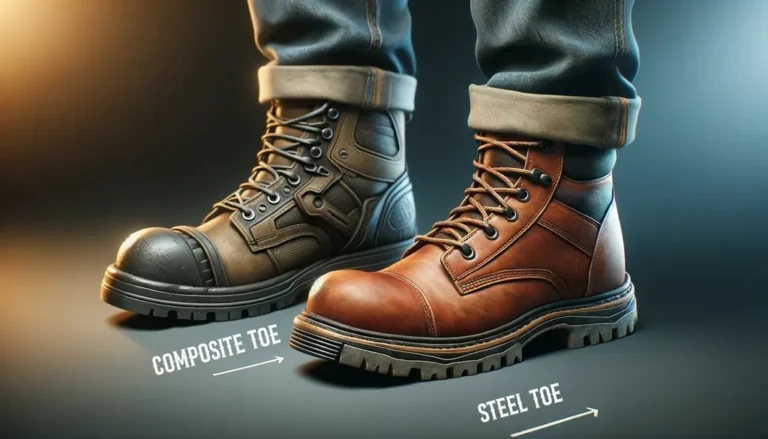
One critical feature you'll find in both is safety toe protection. This means the front of the shoe or boot is reinforced, usually with steel or a composite material, to shield your toes from being crushed by falling objects. ASTM F2413 specifies minimum impact and compression resistance for these toes.
Another crucial element is the slip-resistant outsole. These outsoles have specific tread patterns and rubber compounds designed to grip surfaces, especially those that are wet, oily, or greasy, helping to prevent dangerous falls. Many also incorporate puncture-resistant midsoles, often made of Kevlar or steel plates, to stop sharp objects like nails or screws from piercing the sole and injuring your foot.
Choosing the Right Footwear for Your Job
Making the right choice between work boots and work shoes boils down to a careful assessment of your daily tasks and work environment. It’s not about which is universally "better," but which is better for you and your specific needs. If your job involves a lot of walking on uneven ground, climbing, or carrying heavy materials, the added ankle support and robust construction of work boots are highly recommended.
They provide that extra stability to prevent sprains and offer more overall protection against impacts.
On the other hand, if your work is primarily indoors, on stable surfaces, and doesn't involve frequent risks of heavy falling objects or severe impact, work shoes might offer a more comfortable and practical solution. Their lighter weight and greater flexibility can lead to less fatigue over long shifts. Remember to always consult your employer or workplace safety guidelines, as specific job roles or industries may have mandated footwear requirements.
This ensures you're not only comfortable but also fully compliant with safety standards. You can learn more about different types of protective footwear, like What Are Motion Control Running Shoes? and how they differ from everyday wear.
Mistakes to Avoid When Picking Work Shoes or Boots
When you're shopping for work footwear, it's easy to make a few common mistakes that can lead to discomfort, reduced protection, or even injury. One of the biggest errors is prioritizing price or appearance over proper fit and necessary safety features. Just because a boot looks tough doesn't mean it's the right kind of tough for your job.
Always verify that the footwear meets the safety standards required for your industry, such as ASTM F2413 for protective toe caps and puncture resistance.
Another frequent misstep is neglecting the importance of comfort and fit. Shoes that pinch, rub, or feel too loose will quickly become a source of misery and can even lead to secondary issues like blisters or foot pain. Our research shows that How Should Running Shoes Fit? principles, while for athletic shoes, highlight the importance of adequate room for your toes and a secure heel.
For work footwear, this means ensuring there's enough space for thicker socks if needed, and that the footwear doesn't cause any pressure points. Lastly, failing to consider the specific hazards of your work environment, like extreme heat, wet conditions, or chemical exposure, can lead you to choose footwear that won't adequately protect you.
Frequently Asked Questions About Work Footwear
Do I really need safety toes if I don't work in construction?
Yes, safety toes are often recommended even in non-construction jobs if there's any risk of falling objects, even moderately heavy ones. Many warehouse, manufacturing, or even some retail backroom roles can have hazards that warrant protective toe caps. Always assess the potential risks in your specific workplace.
Can I wear my work shoes for everyday walking or other activities?
While some work shoes are comfortable for general walking, they are designed primarily for workplace safety and durability, not for athletic performance or specialized activities like running. For those, you'd want footwear specifically designed for that purpose, like What Is the Difference Between Road and Trail Running Shoes?. Wearing work shoes for running, for instance, can lead to discomfort and improper support, similar to how Can You Use Running Shoes for Walking? might not be ideal for intense workouts.
How often should I replace my work boots or shoes?
This depends heavily on the materials, the intensity of your work, and how well you maintain them. A general guideline is to inspect them regularly for excessive wear, cracks in the sole, or compromised stitching. If they’ve lost their grip, support, or protective integrity, it's time for a replacement.
For example, if the puncture-resistant sole starts showing signs of wear, it's no longer reliably protecting you.
Are work boots the same as hiking boots?
No, while both offer sturdy construction, work boots are specifically designed for workplace safety hazards (like impact, puncture, electrical hazards) that hiking boots typically aren't built to withstand. Hiking boots focus more on ankle support and traction for varied outdoor terrain. It’s important to wear footwear appropriate for the specific environment and risks involved, unlike comparing What Is a Stability Running Shoe? to casual sneakers.
Can I wear my work shoes if they are slightly too big?
It’s not advisable. Wearing shoes that are too big can lead to your foot sliding around inside, causing blisters, chafing, and an increased risk of trips or falls due to instability. Proper fit is crucial for both comfort and safety.
Refer to guidance on How Much Room Should Be in a Shoe? and consider factors like What Is the Difference Between Shoe Width and Size? to ensure a correct fit.
How do I clean my work boots or shoes to make them last longer?
Regular cleaning is essential for maintaining the integrity and lifespan of your work footwear. For most materials, start by brushing off loose dirt and mud. If they're heavily soiled, use a damp cloth and a mild soap or specialized cleaner.
For leather, conditioning after cleaning helps prevent drying and cracking, much like How to Clean Running Shoes involves specific steps for different materials to preserve them. Always allow them to air dry naturally, away from direct heat sources, and consider using cedar shoe trees to absorb moisture and maintain shape.