What Are Electrical Hazard Shoes?
When you're working in environments with electrical risks, the right protective gear isn't optional. Electrical hazard shoes are specifically designed to shield you from dangerous electrical currents. They offer a critical line of defense, providing insulation where standard footwear simply won't cut it.
In our research, we found that these specialized boots are a fundamental requirement in many hazardous professions. Understanding what makes them different and how they function is key to making safe choices on the job. The most common safety standard for these shoes is ASTM F2413, which specifies rigorous testing for electrical insulation.
Why Electrical Hazard Shoes Are Non-Negotiable
Working with electricity carries inherent risks that demand specific protective measures. Standard safety boots, even those with steel toes, are not designed to insulate against electrical currents. In fact, some may even conduct electricity, posing a serious hazard.
Electrical hazard (EH) shoes, however, are engineered with specialized materials and construction to provide a barrier against electrical shock.
This secondary source of protection is vital in preventing serious injury or fatalities. If you accidentally come into contact with a live electrical source, EH shoes help to dissipate the current, preventing it from passing through your body to the ground. This capability makes them a critical piece of personal protective equipment (PPE) in many industries.
The Real Risk: More Than Just a Static Shock
The danger of electricity goes far beyond a mild tingle or a minor inconvenience. In a workplace setting, contact with live electrical circuits can lead to severe consequences. Our research indicates that even low-voltage shocks can cause muscle contractions, burns, and cardiac arrest.
A direct shock from a higher voltage source can be instantly fatal. Beyond the immediate physical harm, electrical accidents can also lead to secondary injuries, such as falls from heights or contact with dangerous machinery, due to involuntary muscle spasms. Understanding these risks underscores why specialized safety footwear is essential.
What Exactly Are Electrical Hazard (EH) Shoes?
Electrical hazard shoes are a specific category of safety footwear engineered to offer protection against accidental contact with live electrical circuits. Unlike standard safety boots that primarily protect against physical impact and punctures, EH shoes are built with insulating materials to create a barrier. They provide a secondary electrical insulation system, meaning they are designed to reduce the risk of current flowing through the wearer to the ground.
This crucial feature makes them indispensable for anyone working near electrical hazards. When you're on a job site where electricity is present, the right footwear can be the difference between a close call and a devastating accident.
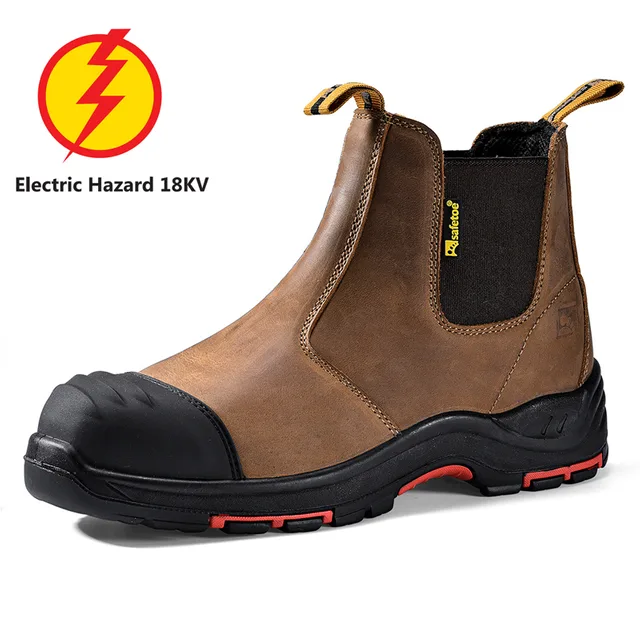
Image source: Bing (Web (fair-use with source credit))
How EH Shoes Work: The Science Behind the Safety
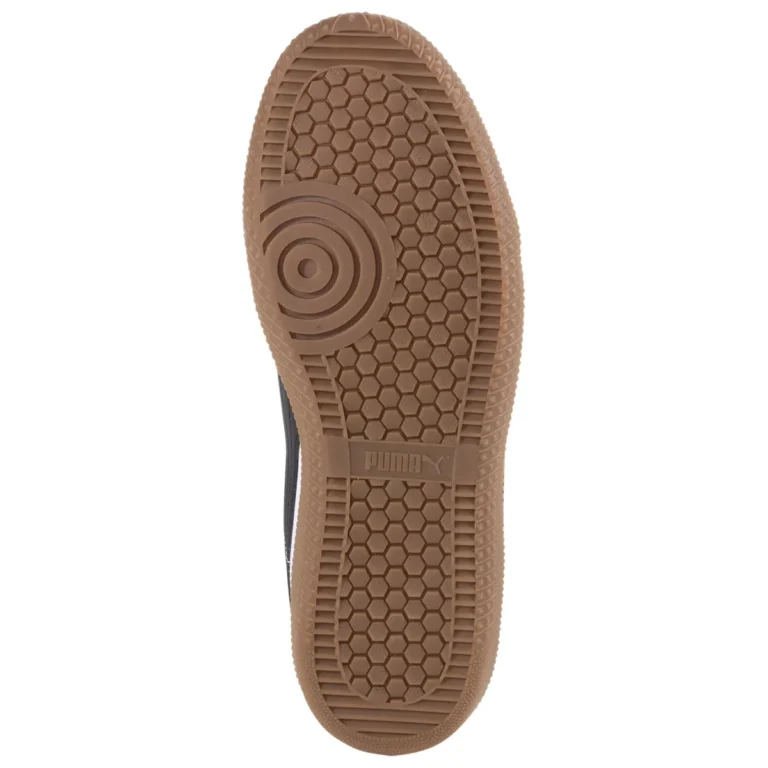
The protective function of electrical hazard shoes hinges on their construction and the materials used, primarily in the sole and heel. These components are made from specialized rubber compounds or other non-conductive materials specifically chosen for their high dielectric properties. This means these materials significantly resist the flow of electrical current.
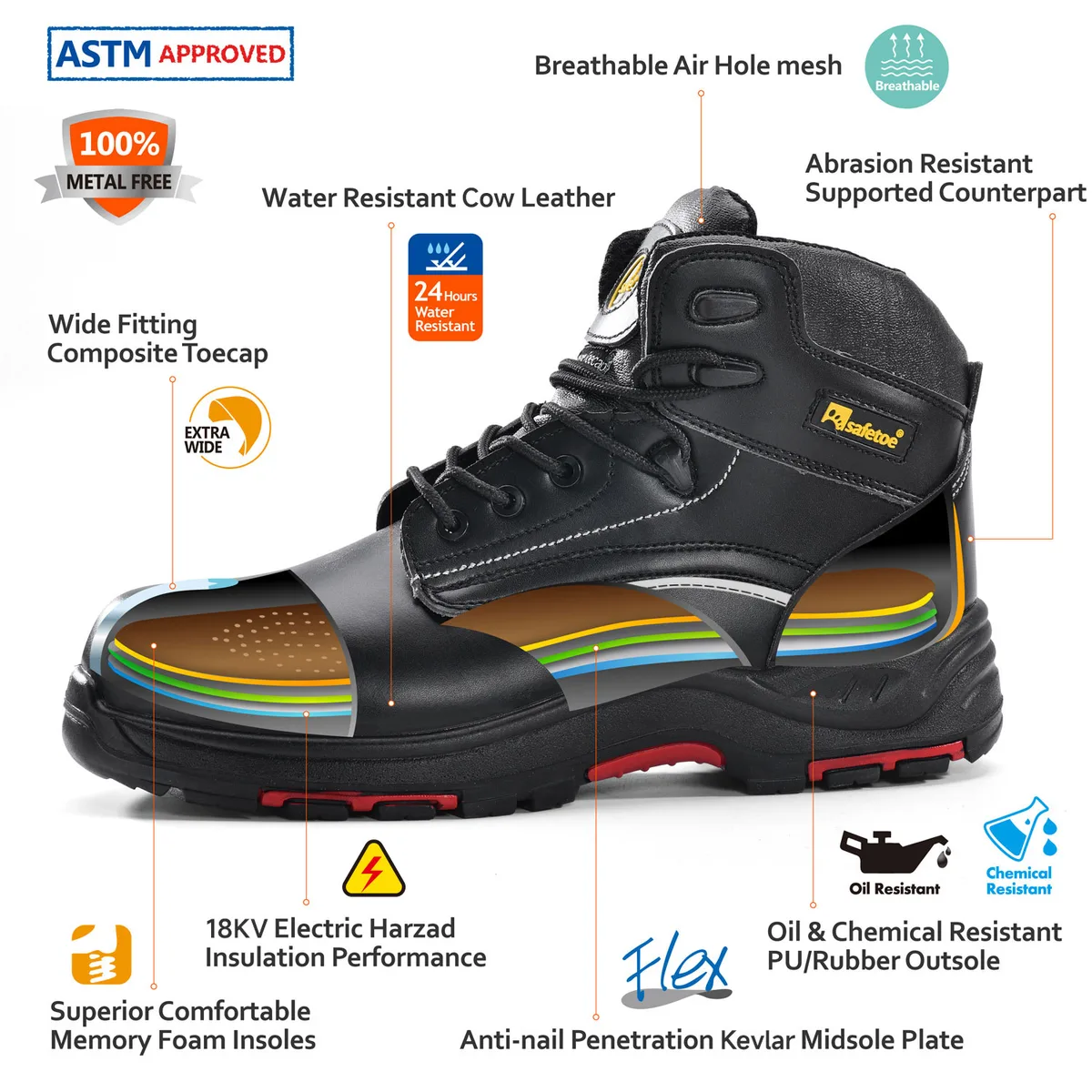
Image source: Bing (Web (fair-use with source credit))
Manufacturer specifications confirm that these materials are tested to withstand a high voltage for a specific duration without breaking down. The entire shoe is designed to minimize conductive pathways, ensuring that if an electrical hazard is encountered, the electricity is less likely to pass through the wearer's body to the ground. It's vital to remember that EH shoes are a supplementary safety measure, not a primary insulator like rubber gloves.
Key Features: What to Look For in EH Footwear
When selecting electrical hazard shoes, several features are paramount to ensure you get the necessary protection. The primary characteristic is, of course, the electrical hazard protection itself. This rating indicates the footwear has been manufactured with specific insulating materials and construction methods to safeguard against open electrical circuits.
Beyond the EH rating, consider other safety attributes that may be required for your specific job. These can include:
- Puncture Resistance (PR): A barrier in the sole to protect against sharp objects like nails.
- Metatarsal Protection: Additional shielding over the instep of the foot.
- Toe Protection: Steel, composite, or alloy toe caps to guard against falling objects. Note that composite toe caps are often favored in EH boots as they are less conductive than steel.
- Slip Resistance: Soles designed for superior grip on various surfaces, essential in many work environments.
- Comfort and Durability: Features like good ankle support, cushioning, and robust construction ensure the boots can withstand daily wear and tear while keeping you comfortable.
These features, combined with the EH rating, create a comprehensive safety boot tailored for hazardous conditions.
EH Ratings Explained: ASTM F2413 and Beyond
The primary standard used to classify and test electrical hazard footwear in North America is ASTM F2413, developed by the American Society for Testing and Materials. This standard outlines the performance requirements for safety footwear, including specific tests for electrical hazard protection.
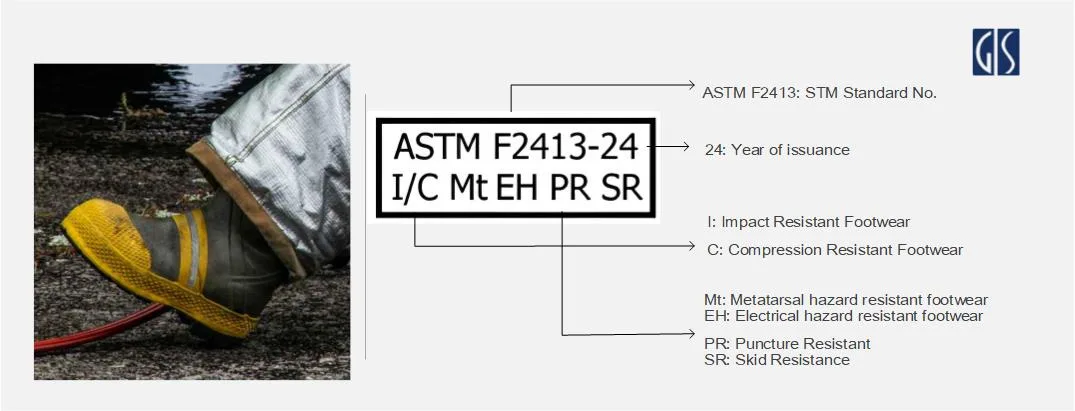
Image source: Bing (Web (fair-use with source credit))
When footwear is rated for electrical hazard protection under ASTM F2413, it signifies that it has been tested to withstand a 60-hertz, 18,000-volt (RMS) electrical shock for one minute. This is a significant voltage and duration, indicating a high level of insulation. It's crucial to understand that this rating provides a secondary source of protection, not absolute immunity.
The footwear's insulating properties can degrade over time or if damaged, making regular inspection and maintenance vital. Other regional standards may exist, but ASTM F2413 is widely recognized for safety footwear in the United States.
Quick Answer
Electrical hazard shoes are specialized safety footwear designed to provide a secondary insulation against electrical shocks. They are constructed with non-conductive soles and heels, typically rated under ASTM F2413, to protect wearers from live electrical circuits. Their primary purpose is to reduce the risk of electrocution when accidental contact occurs.
Who Needs EH Shoes? Identifying High-Risk Jobs
If your daily work involves environments where live electrical circuits are present, or where there's a potential for accidental contact with electricity, then electrical hazard (EH) shoes are likely a necessity. This specialized footwear is crucial for a range of professions and tasks where electrical risks are a known factor.
Common job roles that often require EH footwear include:
- Electricians: Directly working with wiring, panels, and electrical systems.
- Utility Workers: Maintaining power lines, substations, and other electrical infrastructure.
- Construction Workers: Especially those on sites where active electrical work is being performed simultaneously with other construction activities.
- Industrial Maintenance Personnel: Servicing and repairing machinery and equipment that contain electrical components.
- Telecommunications Technicians: Working near power sources or in areas with exposed electrical equipment.
- Anyone working near exposed live electrical panels or machinery.
The requirement for EH shoes is often dictated by workplace safety regulations and risk assessments specific to the job environment.
Mistakes to Avoid When Using EH Footwear
Even with the right safety footwear, certain mistakes can compromise your protection and increase risk. Understanding these pitfalls is just as important as choosing the correct boots.
- Ignoring Damage: Never wear EH shoes that show signs of damage to the sole, heel, or upper. Cuts, deep nicks, cracks, or excessive wear can compromise the shoe's insulating properties. As of 2026, thorough visual inspection before each use is a standard safety protocol.
- Assuming Absolute Immunity: EH shoes provide a secondary layer of protection, not a guarantee against all electrical hazards. They are not a substitute for proper de-energizing procedures, insulated tools, or other established electrical safety practices.
- Contamination: Soles can become conductive if they pick up conductive materials like metal shavings, dust, or certain chemical residues. Regularly cleaning the soles of your EH shoes is essential.
- Improper Fit: Footwear that doesn't fit correctly can lead to discomfort and can affect how effectively the safety features perform. Ensure a proper fit, which can be determined by measuring your feet for shoes if needed.
- Mixing Shoe Types: Wearing one EH shoe and one regular safety shoe, or any combination that isn't a matching pair, can create an imbalanced electrical path and is strongly discouraged.
Avoiding these common errors ensures that your EH shoes function as intended, providing the maximum possible protection.
Maintaining Your EH Shoes for Lasting Protection
The effectiveness of your electrical hazard (EH) shoes relies heavily on their condition. Proper maintenance is not just about keeping them looking good; it's about preserving their critical insulating capabilities. Just like you'd maintain how to clean running shoes, your EH boots need regular attention.
Here’s what our research and manufacturer guidelines suggest for keeping your EH shoes in optimal condition:
- Regular Cleaning: After each use, wipe down the soles and uppers to remove dirt, dust, oil, or any debris that could potentially compromise the insulating materials. A damp cloth is usually sufficient for general cleaning. Avoid harsh chemicals, as they can degrade the rubber compounds.
- Dry Them Properly: If your EH shoes get wet, allow them to air dry naturally away from direct heat sources like radiators or heaters. Excessive heat can damage the materials and weaken their insulating properties. Proper drying also helps prevent odors, addressing the question of why do shoes smell.
- Inspect for Damage: Before every wear, conduct a thorough visual inspection. Look for any cuts, abrasions, punctures, or signs of wear on the soles, heels, and uppers. Check the stitching and any adhesive bonds. If any damage is found, especially to the sole, the shoes should be retired from service.
- Storage: Store your EH shoes in a cool, dry place away from direct sunlight. Avoid storing them in conditions that could lead to material degradation or damage.
- Understand Limitations: Remember that EH protection can degrade over time and with wear. Follow manufacturer recommendations for the lifespan of your specific EH footwear.
Diligent maintenance ensures your EH shoes continue to offer reliable protection against electrical hazards.
Frequently Asked Questions About Electrical Hazard Shoes
What is the difference between electrical hazard and electrical conductive shoes?
Electrical hazard (EH) shoes are designed with non-conductive materials to insulate the wearer from electrical shocks. Electrical conductive shoes, conversely, are made with materials that intentionally conduct electricity, used in specific environments to prevent static electricity buildup. They serve opposite safety purposes.
Can I use regular work boots if they have thick soles?
No, regular work boots, even with thick soles, are not a substitute for electrical hazard (EH) shoes. EH boots are specifically constructed with specialized non-conductive materials that have been tested to resist electrical current. Standard soles do not offer this critical insulation.
How often should I replace my electrical hazard shoes?
There's no single fixed timeline, as it depends on wear and tear. However, you should replace EH shoes immediately if you notice any damage to the soles or uppers, or if they fail an inspection. Many manufacturers recommend replacement after a specific period, often between 6 to 12 months of regular use, as materials can degrade.
Are all safety-rated shoes electrical hazard rated?
Absolutely not. "Safety-rated" is a broad term. Safety boots can have features like steel toes, puncture resistance, or slip resistance, but only footwear explicitly marked and tested for electrical hazard protection meets EH requirements.
Always check for the specific EH rating, usually indicated by ASTM F2413 standards.
Can I wear my EH shoes in wet conditions?
While EH shoes offer insulation, it's crucial to understand that no footwear is completely waterproof or impervious to all electrical hazards, especially when submerged or in severely wet conditions. Manufacturer specifications usually detail their performance in wet environments, but the primary function is insulation, not waterproofing.