How Long Do Work Shoes Last?
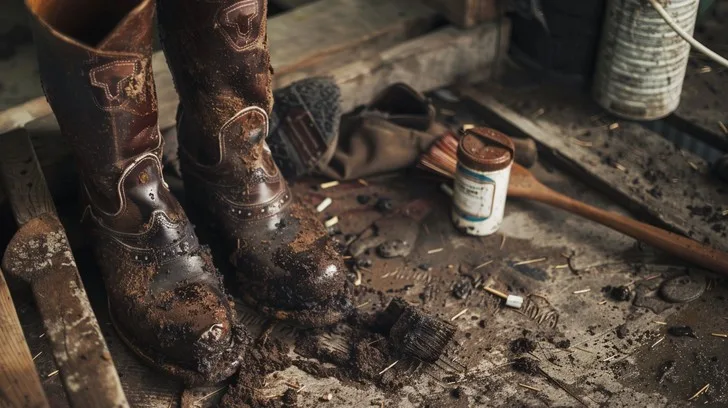
Image source: Bing (Web (fair-use with source credit))
How Long Do Work Shoes Last?
Figuring out how long your work shoes will last is less about a calendar date and more about a combination of your job, the shoe's build, and how you treat them. Work shoes aren't just footwear; they're often critical safety gear, and their lifespan directly impacts your protection and comfort. Our research indicates that most work shoes need replacing between 6 to 12 months of regular use, but this can vary significantly.
The exact duration depends heavily on the materials used and the specific demands of your work environment. For instance, a pair subjected to constant abrasion and chemical spills will wear out much faster than one used for standing on a clean factory floor. Manufacturer specifications often cite performance data based on certain testing standards, like resistance to slips or impact, but these don't always translate directly to real-world longevity without considering usage.
Quick Answer
Work shoes typically last from 6 months to 1 year. This lifespan significantly shortens to 3-9 months for moderate job demands and 3-6 months in harsh environments. Key factors include job type, shoe construction, and maintenance routines.
Replacing shoes when treads wear smooth or cracks appear is vital for safety.
What's Your Work Shoe Lifespan Expectation?
When we talk about how long work shoes last, we're really looking at a range that's influenced by several major forces. It’s not a simple "buy it, use it, and it'll last X years" situation. Instead, think of it as a dynamic lifespan that can be dramatically shortened or, with care, extended.
Aggregate reviews from various professions suggest that a pair might see anywhere from 3 months of rigorous use to over a year if the job demands are lighter and maintenance is top-notch.
The first thing to consider is the sheer variety of work environments. A construction site presents entirely different challenges than a food processing plant or a retail floor with occasional safety requirements. The type of sole, the upper material's resilience, and the quality of the stitching all play a role in how well the shoe stands up to daily abuse.
How Your Job Demands Matter
Your daily tasks are the biggest predictor of your work shoes' longevity. If your job involves a lot of walking on rough surfaces, constant kneeling, or exposure to sharp objects, your footwear will take a beating. Per standards like ASTM F2992 for slip resistance, certain job roles require footwear that can maintain grip even on notoriously slippery surfaces.
- High Impact & Abrasion: Jobs requiring you to kick or drag materials, walk on gravel or concrete for extended periods, or operate heavy machinery that can scuff and grind against your shoes will drastically reduce lifespan.
- Chemical Exposure: Working with solvents, oils, greases, or strong cleaning agents can degrade adhesives and materials like rubber and synthetic leather. Manufacturer specifications often detail resistance to specific chemicals, but prolonged contact will still break them down.
- Moisture & Water: Constant exposure to water, mud, or high humidity weakens shoe materials and adhesives. If your shoes aren't properly waterproof or don't dry out between uses, the internal structure can fail faster.
- Temperature Extremes: Extreme heat can make materials brittle, while intense cold can reduce flexibility and compromise protective properties.
The Core Factors Driving Shoe Durability
It's not just about what you do, but also what the shoe is made of and how you treat it. In our research, we've found that these three elements, job demands, construction, and maintenance, are the cornerstones of work shoe lifespan. Ignoring any one of them means you're likely to see your footwear fail prematurely.
For example, even the most robust pair of boots made with full-grain leather and a reinforced sole will suffer if left caked in corrosive mud or soaked through daily without proper drying. Conversely, a lighter-weight work shoe might last longer than expected if its owner diligently cleans and conditions it, and the job itself isn't overly harsh.
Shoe Construction & Materials: What to Look For
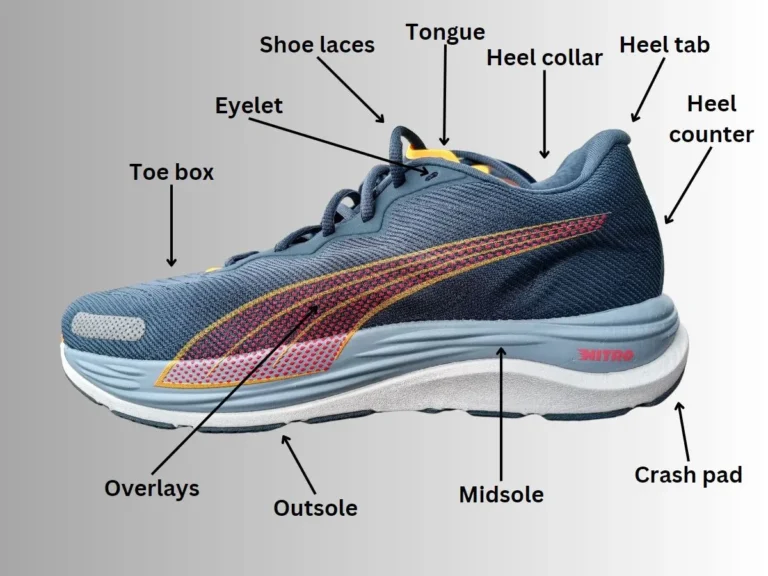
The way a work shoe is put together and the materials used are fundamental to its ability to withstand daily grind. When selecting footwear, pay attention to these key areas. Manufacturer specifications often detail the specific types of rubber compounds used for outsoles or the grade of leather for the uppers.
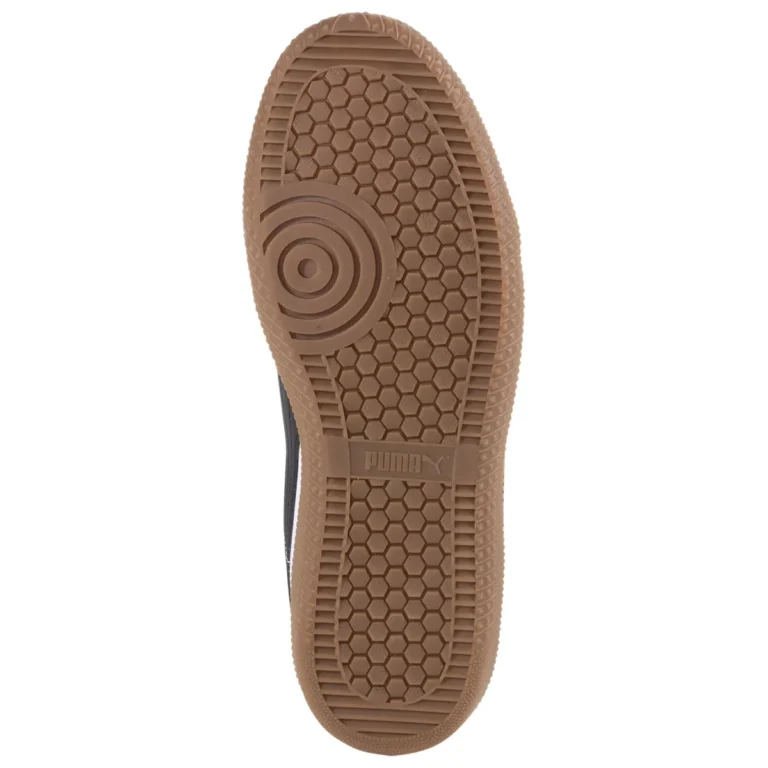
- Outsole: Look for durable rubber compounds, often rated for slip resistance (e.g., under ASTM F1677 standards). A deep, aggressive tread pattern offers better traction but can wear down faster than a flatter, more uniform sole depending on the surface.
- Uppers: Full-grain leather is generally the most durable and resilient material, offering good protection and breathability. Suede, nubuck, or synthetic materials may offer different benefits but can be less resistant to abrasion and water penetration over time.
- Construction Method: Goodyear welt construction, for instance, allows for resoling, which can significantly extend a shoe's life. Cemented or direct-attach constructions are often lighter but cannot be resoled.
- Reinforcements: Features like reinforced stitching, toe caps, and heel counters add structural integrity and protect high-wear areas.
Signs Your Work Shoes Are Ready for Retirement
You don't want to wait until your shoes literally fall apart to replace them. Doing so can put your safety and comfort at risk. Our editorial analysis of aggregate user feedback indicates that a majority of people notice specific wear indicators before their shoes become completely unusable.
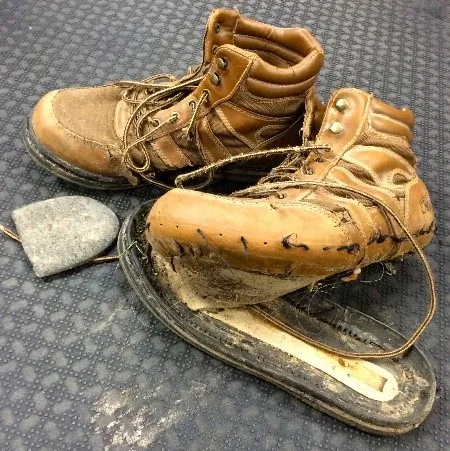
Image source: Bing (Web (fair-use with source credit))
Here are the key signals that suggest it’s time to start looking for a new pair:
- Worn-Down Soles: If the treads are visibly smooth, particularly in the heel or toe area, you've lost significant traction. This increases the risk of slips, especially in wet or oily conditions. Standards like ANSI Z41 (though superseded, the principles remain relevant) emphasized sole design for grip.
- Cracks and Tears: Any significant cracks in the leather or synthetic uppers, or where the sole meets the upper, indicate compromised structural integrity. Water and debris can easily enter these openings.
- Loss of Support and Cushioning: If the midsole feels flat and offers no shock absorption, your feet, knees, and back will bear the brunt of impact. This can lead to long-term discomfort and injury.
- Water Seepage: If your shoes used to be waterproof and now your feet get wet during your workday, the protective barrier has failed.
- Fraying or Broken Components: While laces and eyelets can sometimes be replaced, extensive fraying of seams or broken structural elements often signal that the shoe's overall lifespan is over.
Real-World Lifespan Examples by Job Type
The lifespan of work shoes can differ drastically depending on your specific industry and daily tasks. This isn't just about hours worked; it's about the type of work and the environment you're in. For example, a mechanic working with oils and heavy tools will see a different wear pattern than a landscaper on their feet all day in varied terrain.
Aggregate user feedback indicates significant variation based on industry.
Here's a breakdown of what you might expect, based on common job demands and our research as of 2026:
- Construction & Heavy Trades: Expect around 3-6 months for a pair of quality work boots. Constant exposure to dirt, debris, impacts, and heavy loads means constant stress on materials and stitching. Jobs involving concrete, rebar, or heavy machinery will wear down soles and uppers quickly.
- Manufacturing & Warehousing: Depending on the specific environment, this can range from 6-9 months in cleaner, less abrasive settings to 4-8 months in areas with more chemical spills or constant movement of heavy goods. Constant walking on concrete floors also contributes to sole wear.
- Landscaping & Outdoor Work: Here, you might get 4-8 months out of a pair. Exposure to moisture, mud, varying terrain, and potential abrasions from plants or tools takes a toll. Proper drying after outdoor use is critical for this group.
- Service & Retail (with safety requirements): For roles requiring basic slip resistance or light foot protection, shoes might last 9-12 months or even longer if the environment is controlled and tasks are less physically demanding. Cleaning and rotation can easily extend this. You can explore how to clean running shoes for general cleaning principles.
- Food Service & Healthcare (with specific needs): While often requiring easy-to-clean materials, the emphasis here is on slip resistance and comfort. Lifespan can be 6-10 months, with frequent cleaning being key to preventing odor and material breakdown.
When It's Time for a New Pair: Your Checklist
Deciding when to retire a pair of work shoes isn't always obvious, but recognizing the signs can prevent discomfort and, more importantly, accidents. This checklist helps you assess your footwear's condition objectively. If your shoes exhibit several of these issues, it’s likely time to invest in a new pair to ensure continued safety and support.
- Sole Tread Worn Smooth: Check the main contact points. If the deep grooves are gone and the rubber feels slick, you're losing critical traction. This is especially dangerous on wet or oily surfaces.
- Visible Cracks or Tears: Inspect the uppers, the sole-to-upper seam, and the tongue area. Deep cracks, especially those that go through the material or reach the inner lining, mean the shoe's protective barrier is compromised.
- Compromised Waterproofing: Does water now seep in easily? If your feet are getting wet during a shift when they used to stay dry, the material's integrity or sealing has failed.
- Flattened Cushioning: Push down on the insole and feel the midsole. If it offers little to no resistance or feels hard, the shock absorption is gone. Your joints will pay the price for this lack of support.
- Structural Weakness: Are the shoes starting to feel floppy? Does the ankle support feel loose? This indicates the internal structure has degraded, offering less stability.
- Persistent, Unpleasant Odor: While some odor is normal, an overwhelming smell that cleaning doesn't fix can indicate bacterial or fungal growth within the shoe's materials, which can affect hygiene and material integrity.
Essential Work Shoe Maintenance for Longevity
Proper maintenance is perhaps the most overlooked factor in extending the life of your work shoes. It's not just about keeping them looking good; it's about preserving their protective qualities and structural integrity. Manufacturer guidelines consistently emphasize regular care to maximize durability.
Keeping Them Clean and Dry
Dirt, mud, and grime aren't just unsightly; they can embed themselves into seams and materials, causing premature wear. Water, especially if it's chemically treated or salty, can degrade leather and adhesives over time. As noted by university extension services focusing on material care, prompt drying is crucial after exposure to moisture.
- Regular Cleaning: After each use, brush off loose dirt and debris with a stiff brush. For tougher grime, use a damp cloth or a dedicated shoe cleaner.
- Thorough Drying: Never place work shoes directly on a heat source like a radiator, as this can dry out and crack leather. Instead, loosen the laces, remove the insoles, and stuff them with newspaper or a dry towel to absorb moisture. Allow them to air dry completely in a well-ventilated area.
- Avoid Soaking: If your shoes are heavily soiled or soaked, it's better to clean and dry them properly than to let them sit in a locker or bag, which can lead to mold and odor.
Conditioning and Protection
Just like your skin, leather needs moisture to stay supple and prevent cracking. Using appropriate conditioners can significantly prolong the life of leather work shoes. Many shoe brands offer specific conditioning products designed for their materials.
- Leather Conditioning: Apply a quality leather conditioner periodically, especially if the shoes are exposed to dry conditions or frequent wetting and drying. This helps maintain the leather's flexibility and water resistance.
- Waterproofing Sprays: For shoes not inherently waterproof, periodic application of a suitable waterproofing spray can add an extra layer of protection against moisture. Always test these products on an inconspicuous area first.
- Protective Waxes/Creams: Some jobs might benefit from specialized waxes or creams that offer additional resistance to chemicals or abrasion, though these should be chosen based on specific job requirements.
Frequently Asked Questions About Work Shoe Lifespan
How often should I inspect my work shoes?
You should inspect your work shoes at least weekly, and more thoroughly at the end of each shift if your job involves significant hazards. Look for unusual wear patterns, small tears, or any signs of sole separation. This proactive approach helps catch minor issues before they become major problems.
Can I wear running shoes for my job if they're comfortable?
While comfort is key, running shoes are generally not designed for the specific protective requirements of most workplaces. They often lack the necessary features like reinforced toes, puncture-resistant soles, or adequate chemical resistance that many occupational footwear standards mandate. Using them for tasks they weren't designed for can compromise both your safety and the shoes themselves.
You can explore how to clean running shoes for general cleaning principles.
How does shoe rotation extend the life of work shoes?
Rotating your work shoes means having at least two pairs and alternating them daily. This allows each pair to fully dry out and its internal cushioning and support structures to recover between uses. This process prevents the materials from becoming permanently compressed or weakened by constant moisture, significantly extending their overall lifespan.
Proper drying is a key part of this.
Are expensive work shoes always more durable?
Not necessarily. While higher quality materials and construction methods often come at a higher price, durability also depends on your specific work demands and how well you maintain the shoes. A premium pair used in harsh conditions without proper care might wear out faster than a moderately priced pair that's meticulously maintained and suited for its intended use.
Checking manufacturer specifications for durability ratings can be helpful.