How to Clean Work Shoes
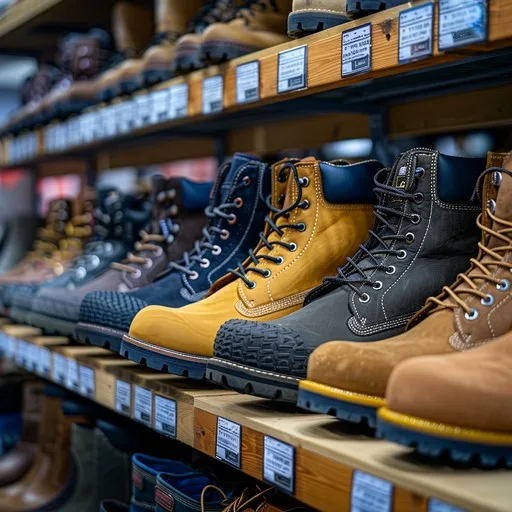
Image source: Bing (Web (fair-use with source credit))
Your work shoes have logged countless hours, battled grime, and supported you through every shift. Now, they're looking a little worse for wear, and you're wondering, "How to clean work shoes effectively?" Getting them back to their best doesn't require magic, just a little know-how about the materials they're made from and the right approach.
Whether it's scuffs on leather, mud on canvas, or that persistent work smell, tackling dirt is key to extending your shoes' life and keeping them comfortable. In our research, we found that understanding your shoe's material is the biggest factor in choosing the right cleaning method, a detail manufacturers often highlight in their care specifications.
Quick Answer
To clean work shoes, identify the material, then use a specific cleaner for that type. Leather needs leather cleaner and conditioner, suede requires a brush and eraser, while canvas can handle soap and water. Always allow shoes to air dry completely away from heat.
What Kind of Work Shoes Are We Cleaning Today?
The most crucial step in cleaning your work shoes effectively is identifying what they're made of. Using the wrong cleaning agent or method can easily cause damage, turning a simple cleaning task into a costly mistake. Think of it like choosing the right tool for a job; a hammer isn't great for tightening screws, and neither is a harsh cleaner for delicate suede.
We've broken down the common materials to help you figure out what you're working with.
Leather Work Shoes
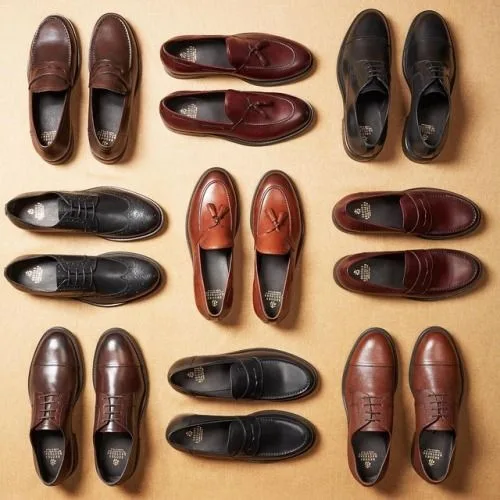
Smooth or finished leather work shoes are popular for their durability and professional look. These types of shoes often require specific cleaners to prevent the leather from drying out or cracking. Aggressive scrubbing or harsh chemicals can strip natural oils, leading to a stiff, brittle material that's prone to damage over time.
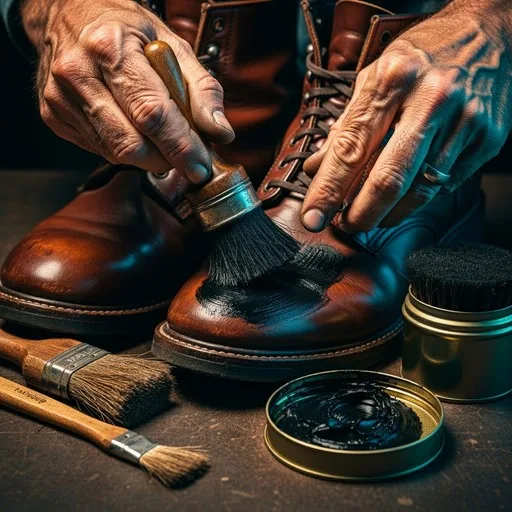
Image source: Bing (Web (fair-use with source credit))
Suede & Nubuck Work Shoes
Suede and nubuck are types of leather that have been buffed to create a soft, velvety texture. This luxurious finish makes them more susceptible to stains and water damage. Unlike smooth leather, water can leave permanent marks, and aggressive cleaning can flatten or remove the characteristic nap, altering the shoe's appearance and feel permanently.
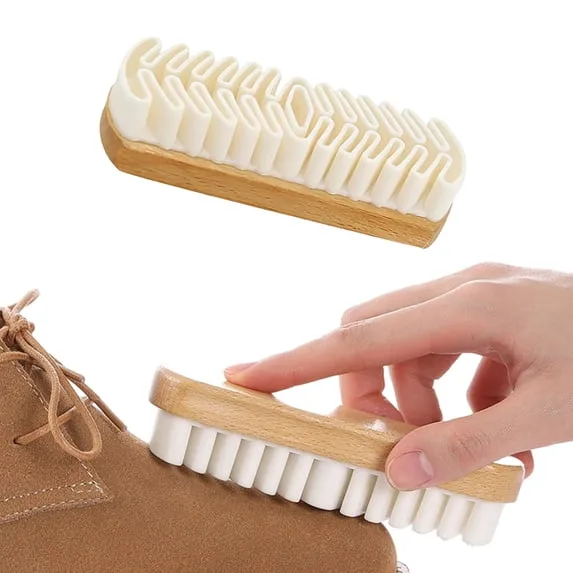
Image source: Bing (Web (fair-use with source credit))
Canvas & Fabric Work Shoes
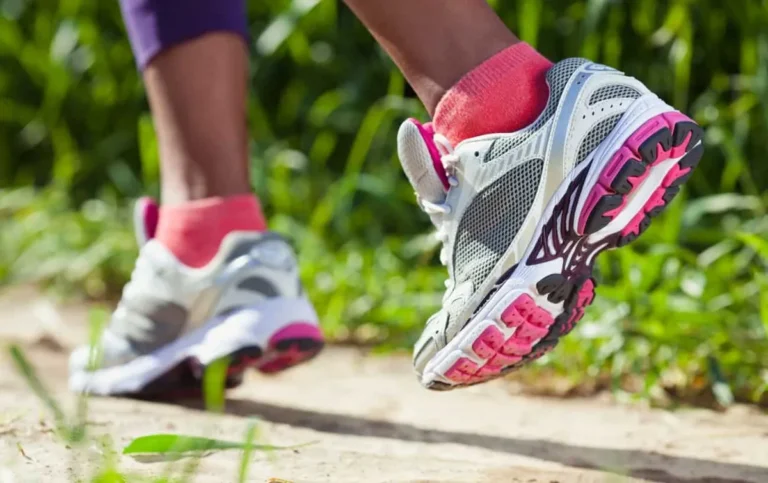
Canvas and other fabric work shoes are generally more forgiving and can often handle a bit more vigorous cleaning. However, they can absorb stains easily, and porous materials can trap dirt deep within their fibers. Improper drying can also lead to mildew or misshaping, especially if the fabric is heavily saturated.
Synthetic & Plastic Work Shoes
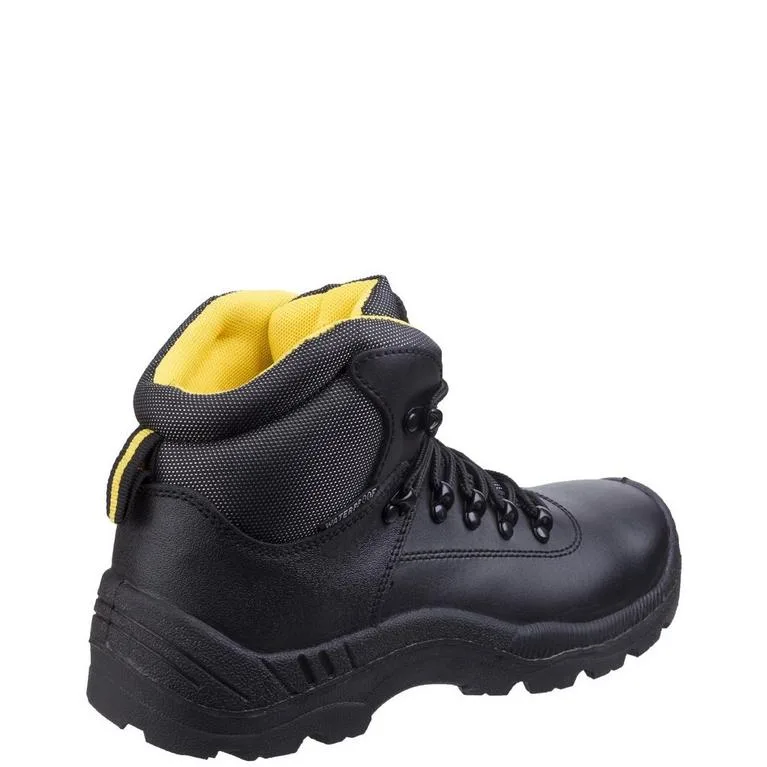
Many modern work shoes, especially safety boots or athletic-style footwear, incorporate synthetic materials or are made largely of plastic. These are typically the easiest to clean as they're less prone to absorbing liquids or becoming permanently stained. However, it's still important to avoid overly abrasive cleaners that could scratch the surface or degrade the material over time.
Prep Work: The Essential First Steps
Before you even think about applying any cleaning solution, a little preparation goes a long way. Getting rid of loose dirt and debris first makes the actual cleaning process more effective and prevents you from just smearing mud around. This initial step is universal, regardless of your shoe material.
Knocking Off Dry Dirt
If your work shoes are caked in dry mud or caked-on dust, the first thing you should do is turn them upside down and give the soles a firm tap against each other or a sturdy object. This action helps dislodge significant amounts of loose debris that would otherwise just get worked into the shoe’s material during cleaning.
Gentle Brushing
Once the bulk of the dry debris is off, grab a stiff brush. An old toothbrush or a dedicated shoe brush works well for most materials. Gently brush over the entire surface of the shoe, paying attention to seams and the edges of the soles.
For suede or nubuck, use a specialized suede brush to lift the nap and remove surface dust without damaging the material. This light brushing removes any remaining dry particles and prepares the surface for wet cleaning.
Cleaning Leather Work Shoes: Keeping Them Supple
Leather is a fantastic material for work shoes because it’s durable and can offer good protection. However, it's also a natural material that can dry out, crack, and become brittle if not cared for properly. Manufacturer specifications often emphasize maintaining the leather’s natural oils.
We've found that consistent, gentle cleaning with the right products is key to preserving their integrity.
For General Dirt and Scuffs
For everyday dirt and light scuffs on smooth or finished leather, a dedicated leather cleaner is your best bet. Apply a small amount of cleaner to a soft, clean cloth, not directly onto the shoe. Gently rub the affected areas in a circular motion.
Avoid soaking the leather; a little cleaner on a damp cloth is usually sufficient. After cleaning, wipe away any residue with another clean, slightly damp cloth. Always allow the leather to air dry completely away from direct heat sources like radiators or ovens, as high temperatures can cause the leather to shrink or crack.
Tackling Tougher Leather Stains
If a standard leather cleaner doesn't lift a stubborn stain, you might consider saddle soap. However, saddle soap is more potent and should be used sparingly. Always test it first on an inconspicuous spot, like the inner heel or tongue, to ensure it doesn't discolor or damage the leather.
Follow the product instructions carefully, typically involving lathering the soap and applying it with a damp cloth or brush. After using saddle soap, it's especially important to condition the leather.
Conditioning for Longevity
After cleaning, especially if you used a stronger cleaner like saddle soap, your leather work shoes will need conditioning. Leather conditioner replenishes the natural oils that cleaning can strip away. This keeps the leather flexible, prevents it from drying out and cracking, and helps it resist future scuffs and water damage.
Apply a thin, even layer of conditioner with a clean cloth, let it soak in for the time recommended by the product (usually 15-30 minutes), and then buff off any excess with a clean, dry cloth. This process is vital for keeping leather shoes in top working condition, a practice advocated by many footwear manufacturers.
Cleaning Suede & Nubuck Work Shoes: A Gentle Touch
Suede and nubuck require a significantly different approach than smooth leather. Their unique, velvety texture is created by buffing the leather's outer surface, which makes them inherently more delicate and prone to showing every mark. In our research, we’ve learned that water is often the enemy here, and using abrasive cleaners can ruin the characteristic nap.
Handling Dry Dirt and Dust
For dry dirt, dust, or light scuff marks on suede or nubuck, your primary tool is a specialized suede brush or a clean, soft-bristled brush like an old toothbrush. Always brush in one consistent direction. This not only lifts away dry debris but also helps to restore the nap, giving the shoe its signature soft appearance.
For more persistent dry marks or shiny spots, a suede eraser can be used gently. Rub the eraser over the affected area as you would a pencil eraser, and then brush away any eraser dust.
Addressing Light Stains and Spots
Light stains, especially water spots, can be tricky. The best first step is often to let the shoe dry completely, then try brushing vigorously with a suede brush. If a stain persists, avoid water if possible.
Specialized suede cleaner sprays are formulated to lift stains without causing water marks. Always test these cleaners on a hidden area first. Apply the cleaner according to the product instructions, which usually involves spraying lightly, letting it work for a short period, and then brushing the nap back into place once dry.
What to Do If They Get Wet
If your suede or nubuck work shoes get soaked, act quickly but gently. Do not rub them vigorously or try to force-dry them with heat. Instead, blot up as much excess water as you can with a clean, absorbent cloth or paper towels.
Then, stuff the shoes loosely with dry paper towels or newspaper to help absorb internal moisture and maintain their shape. Allow them to air dry completely at room temperature, away from any direct heat or sunlight. Once fully dry, use your suede brush to revive the nap.
This method aligns with guidance from footwear material specialists regarding moisture management.
Canvas & Fabric Work Shoes: Scrubbing Away Grime
Canvas and fabric shoes are often workhorses in less demanding environments, offering breathability and comfort. They can typically withstand more direct cleaning methods compared to leather or suede. However, their porous nature means stains can set in quickly if not addressed promptly.
Aggregate reviews show that prompt action is key for these materials to prevent permanent discoloration.
For Everyday Dirt
For routine dirt and light scuffs, a simple solution of mild laundry detergent or dish soap mixed with warm water is usually very effective. Dip a soft brush, an old toothbrush is perfect for this, into the soapy water and scrub the fabric in a gentle, circular motion. Work in small sections to ensure you don't oversaturate the shoe.
Afterward, use a clean cloth dampened with plain water to wipe away all the soap residue.
Dealing with Stubborn Stains
If you encounter tougher stains like grease, ink, or paint, a dedicated fabric stain remover might be necessary. Always follow the product’s instructions carefully, and crucially, test the stain remover on an inconspicuous area of the shoe first, perhaps the inside of the tongue or a hidden seam, to ensure it doesn't cause fading or damage the fabric. For white canvas shoes, a paste made from baking soda and water can sometimes help lift stains, but remember to rinse thoroughly afterwards.
Synthetic & Plastic Work Shoes: The Easy Route
Many contemporary work shoes, particularly safety footwear, feature synthetic materials or are constructed primarily from plastic. These are generally the most straightforward to clean, as they resist staining and absorption much better than natural materials. Manufacturer care guides often suggest simple wipe-downs.
However, it's still wise to avoid harsh abrasives that could scratch the finish.
Quick Wipe-Downs and General Cleaning
For most dirt and grime on synthetic or plastic work shoes, a damp cloth with a little dish soap is typically all you need. You can also use a mild all-purpose cleaner if needed, but always check any care instructions that may have come with the shoes. After cleaning, a quick wipe with a clean, damp cloth will remove any soap or cleaner residue.
These shoes usually air dry quite quickly on their own.
Prep Work: The Essential First Steps
Before you even think about applying any cleaning solution, a little preparation goes a long way. Getting rid of loose dirt and debris first makes the actual cleaning process more effective and prevents you from just smearing mud around. This initial step is universal, regardless of your shoe material.
Knocking Off Dry Dirt
If your work shoes are caked in dry mud or caked-on dust, the first thing you should do is turn them upside down and give the soles a firm tap against each other or a sturdy object. This action helps dislodge significant amounts of loose debris that would otherwise just get worked into the shoe’s material during cleaning.
Gentle Brushing
Once the bulk of the dry debris is off, grab a stiff brush. An old toothbrush or a dedicated shoe brush works well for most materials. Gently brush over the entire surface of the shoe, paying attention to seams and the edges of the soles.
For suede or nubuck, use a specialized suede brush to lift the nap and remove surface dust without damaging the material. This light brushing removes any remaining dry particles and prepares the surface for wet cleaning.
Don't Forget the Soles!
The soles of your work shoes are constantly in contact with the ground, picking up everything from mud and gravel to oil and grime. Leaving them dirty can not only make your shoes look bad but can also track unwanted debris into cleaner areas or affect the shoe's grip. Different sole materials might require slightly different approaches, but a general cleaning method works for most.
- Digging out debris: For thick treads, use a stiff brush or even a blunt tool like an old screwdriver to carefully dislodge any rocks, mud, or debris stuck in the grooves. Be cautious not to scratch or damage the sole material itself.
- Scrubbing away grime: Use a stiff brush dipped in warm, soapy water. Work the brush into the sole, scrubbing away dirt and any greasy buildup. For particularly tough spots, you might need a more specialized sole cleaner, but always test it first. After scrubbing, rinse the sole thoroughly with clean water.
Drying and Deodorizing Your Clean Work Shoes
Once your work shoes are clean, proper drying is critical to prevent damage and odor. Rushing this step can undo all your cleaning efforts. Aggressive drying methods, like placing shoes directly on a heater, can cause materials like leather to shrink, crack, or become brittle.
- Air drying is paramount: Always let your shoes air dry naturally. This is the safest method for all materials.
- Maintaining shape: Stuffing the shoes loosely with paper towels or newspaper can help absorb internal moisture and help them keep their original shape as they dry.
- Banishing odors: If your shoes tend to get smelly, a common issue with work footwear, sprinkle a generous amount of baking soda inside them overnight. Baking soda is a fantastic natural deodorizer that absorbs odors. You can also use commercially available shoe deodorizer sprays or inserts. For persistent odor issues, consider a foot powder; preventing odor before it starts is easier than removing it later. This is particularly important as shoe odor can be a symptom of moisture build-up, which can lead to material breakdown. You can learn more about why do shoes smell in our dedicated guide.
Common Work Shoe Cleaning Mistakes to Avoid
Making a mistake during the cleaning process can often lead to more problems than you started with. Our research indicates that the most frequent errors stem from treating all shoe materials the same, using harsh chemicals, or improper drying. Avoiding these pitfalls will significantly extend the life and appearance of your work footwear.
- Using the wrong cleaner: Applying a leather cleaner to suede, or a harsh household cleaner to delicate fabrics, can cause permanent damage. Always match your cleaner to the shoe material.
- Soaking natural materials: Over-saturating leather, suede, or nubuck can lead to water stains, discoloration, and structural weakening. Use only the amount of liquid needed for cleaning.
- Skipping the conditioner: For leather, not conditioning after cleaning can lead to dryness and cracking.
- Harsh scrubbing: Aggressive scrubbing, especially on delicate materials, can damage the surface or nap.
- Improper drying: Never use direct heat (radiators, hairdryers) to speed up drying. This can warp, shrink, or crack the materials.
When to Seek Professional Help for Your Work Shoes
While most routine cleaning can be handled at home, there are times when it's best to let a professional handle your work shoes. If your shoes have very delicate or expensive materials, or if you're dealing with a stain that you're unsure how to treat, a professional shoe cleaner or cobbler can offer expert solutions. They have specialized tools, chemicals, and knowledge that go beyond standard home care.
This is particularly true for high-end leather dress shoes, intricate work boots with multiple material types, or shoes that have sustained significant damage. For instance, if you have deep gouges in leather or stubborn dye transfer on suede that home methods can't touch, professional intervention is often the safest route. They can assess the damage and apply treatments that are unlikely to be available for consumer use, ensuring the best possible outcome without risking further harm.
Safety / Legal / Compliance / Warnings
When cleaning your work shoes, always prioritize safety for both yourself and the footwear. Aggressive cleaners can pose risks if inhaled or if they come into contact with skin. Manufacturer specifications for many work shoe materials, especially those designed for hazardous environments, often include specific cleaning protocols to maintain protective properties.
For example, certain safety footwear materials might lose their water-repellent or chemical-resistant qualities if cleaned with incompatible agents.
It's wise to always work in a well-ventilated area, especially when using chemical cleaners. Wear gloves to protect your skin and consider eye protection if you're dealing with strong solutions or potential splashes. Always follow the precise instructions on any cleaning product you use, and never mix different cleaning agents, as this can create dangerous fumes or unpredictable reactions.
Adhering to these simple guidelines ensures you maintain the integrity and safety features of your work shoes, as recommended by OSHA standards for personal protective equipment maintenance.
Final Recommendation / Verdict / Decision Guide
Choosing the right cleaning method for your work shoes hinges entirely on their material composition. For smooth leather, consistent cleaning with a dedicated leather cleaner followed by conditioning is essential for durability and appearance. Suede and nubuck demand a gentler touch, utilizing brushes and specialized cleaners to preserve their delicate texture, with a strong emphasis on avoiding excessive moisture.
Canvas and fabric shoes offer more flexibility, often responding well to soap and water, but require prompt stain treatment and thorough drying. Synthetic and plastic shoes are the easiest, typically needing only a wipe-down with mild soap.
Always remember to prepare your shoes by removing loose dirt first, and crucially, allow them to air dry completely away from heat to prevent damage and odors. By following these material-specific guidelines and avoiding common mistakes like using harsh chemicals or improper drying techniques, you can significantly extend the lifespan of your work footwear. This diligent care ensures your shoes remain functional, comfortable, and presentable for every shift, as good footwear is a fundamental component of occupational readiness.
Frequently Asked Questions
How often should I clean my work shoes?
Generally, it's best to do a quick wipe-down or brushing after each wear to remove surface dirt. A more thorough cleaning, depending on the material and how dirty they get, can be done every few weeks or as needed. Consistent light cleaning prevents deep-set stains and material degradation.
Can I machine wash my work shoes?
While some canvas or fabric athletic-style shoes might tolerate a gentle machine wash cycle, it's generally not recommended for most work shoes, especially those made of leather, suede, or nubuck. Machine washing can damage adhesives, alter the shoe's shape, and degrade materials. Always check the manufacturer's specific care instructions before considering machine washing.
How do I get rid of strong odors in my work shoes?
Baking soda is an excellent natural deodorizer; sprinkle it inside the shoes overnight and vacuum it out in the morning. Activated charcoal inserts or cedar shoe trees can also help absorb moisture and odors. Ensure shoes are completely dry between wears to prevent odor build-up.
What’s the best way to dry wet work shoes?
The best method is to air dry them completely at room temperature, away from direct heat sources. Stuffing them with newspaper or paper towels can help absorb moisture and maintain their shape. Avoid using hair dryers, radiators, or direct sunlight, as these can damage the materials.
Should I use waterproofing sprays on my work shoes?
If your work shoes are leather, suede, or fabric and you frequently encounter wet conditions, applying a suitable waterproofing spray can be beneficial. Ensure you choose a product designed for the specific material of your shoes and apply it according to the manufacturer's instructions, typically after cleaning and conditioning.