How to Clean Basketball Shoes
Keeping your basketball shoes clean isn't just about looks; it's crucial for performance and extending their lifespan. When those courtside scuffs and playground grime start to pile up, knowing how to clean basketball shoes effectively means the difference between shoes that stay game-ready and ones that quickly end up sidelined.
Most basketball shoes are built with specific materials designed for grip and support, and our research shows that improper cleaning can damage these components. For instance, manufacturer specifications often recommend against machine washing, as the aggressive agitation can compromise adhesives and alter the shoe's structure. This guide will walk you through the best practices.
Quick Answer
To clean basketball shoes, start by removing laces and insoles. Use a soft brush with a mild soap and water solution to gently scrub the uppers, then wipe clean. For soles, a firmer brush or toothbrush works well.
Always air dry shoes away from direct heat.
Quick Clean for Minor Scuffs and Dust
Sometimes, your basketball shoes just need a little pick-me-up, not a full overhaul. This quick method is perfect for those days when you've picked up a bit of dust on the court or a few light scuffs from casual wear. It's about making them look presentable without a huge time commitment.
When to Use This Method
- After a light practice session.
- When you notice surface dust or minor dirt marks.
- If your shoes have been in storage and just need a refresh.
- For daily touch-ups to prevent dirt buildup.
What You'll Need
- A soft-bristled brush (an old toothbrush or a dedicated shoe brush works great).
- A clean microfiber cloth or a soft rag.
- A small bowl of lukewarm water.
- A mild cleaning solution (a drop of dish soap or specialized shoe cleaner).
Step-by-Step Quick Clean
- Remove Loose Debris: Start by tapping your shoes together to knock off any loose dirt or pebbles. You can also use a dry soft brush to sweep away surface dust from the uppers and soles.
- Prepare Your Solution: Mix a tiny amount of mild soap with lukewarm water in your bowl. You want just enough to create a light lather, not a foamy mess.
- Gentle Scrubbing: Dip your soft brush into the soapy water, then gently scrub the shoe uppers in a circular motion. Focus on areas with light scuffs or dust. For tougher spots, you might need to apply a little more pressure, but always be gentle with synthetic materials and knits.
- Wipe Down: Use your damp microfiber cloth to wipe away the soapy residue and lifted dirt. Rinse the cloth frequently to avoid spreading dirt around.
- Clean the Soles: For the midsoles and outsoles, you can use the same brush or a slightly firmer one, like a toothbrush, with the soapy water. Scrub away any dirt or court marks.
- Final Wipe: Give the entire shoe a final wipe-down with a clean, slightly damp cloth to ensure all soap is gone.
- Air Dry: Stuff the shoes loosely with paper towels or a dry cloth to help them keep their shape and absorb internal moisture. Let them air dry completely at room temperature, away from direct sunlight or heat sources.
Deep Cleaning for Stains and Grime
When your basketball shoes have seen some serious action, a quick wipe just won't cut it. Deep cleaning is for those moments when dirt has worked its way into the material, stains have set in, or your shoes are just generally grimy. This process takes a bit more time and effort but will bring your beloved kicks back to life.
When This Is Necessary
- After playing on muddy or wet courts.
- When there are visible, set-in stains.
- If the shoes have a noticeable odor.
- For a thorough refresh before a big game or season start.
- When the soles have accumulated significant debris that affects grip.
Tools and Cleaning Agents
- Brushes: A set of brushes is ideal here, a soft brush for uppers, a medium-stiff brush for midsoles, and a toothbrush for intricate areas and sole grooves.
- Cleaning Solution: A dedicated shoe cleaner is often best, but a mixture of mild dish soap (like Dawn) and lukewarm water can work. For very tough stains, a paste of baking soda and water might be considered, but always test in an inconspicuous area first.
- Microfiber Cloths: Several clean cloths are essential for wiping and drying.
- Paper Towels or Shoe Trees: To help maintain shape during drying.
- Optional: A magic eraser can be effective on white rubber soles and midsoles.
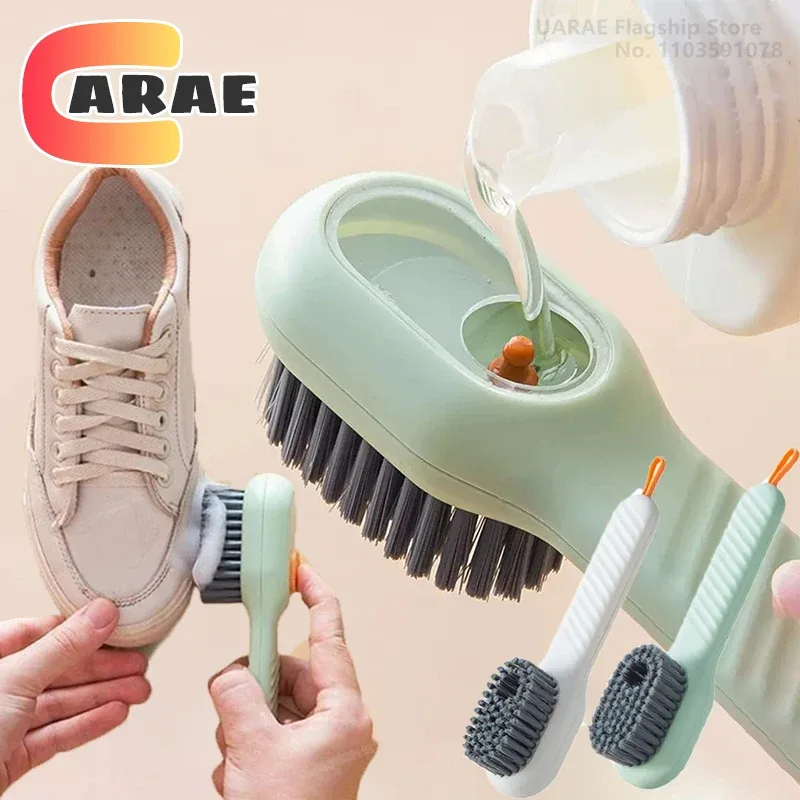
Image source: Bing (Web (fair-use with source credit))
The Deep Clean Process
1. Preparation: Laces and Insoles Out
- Remove Laces: Take out the shoelaces. They can be cleaned separately. You can either hand-wash them with soap and water or toss them in a mesh laundry bag and run them through a delicate cycle in the washing machine.
- Remove Insoles: Pull out the insoles. If they are heavily soiled or smelly, they should be cleaned and aired out independently. You can often wipe them down with a damp cloth and a mild cleaner. If they're severely worn or odorous, consider replacing them.
2. Cleaning the Uppers: Material Matters
The approach to cleaning the uppers depends heavily on the material.
- Leather/Synthetic Leather: Use a soft brush with your cleaning solution. Gently scrub in a circular motion, paying attention to creases and seams. Wipe away residue with a damp cloth. For scuff marks, a magic eraser can sometimes work wonders on white leather, but test it first.
- Mesh/Knit Uppers: These are more delicate. Use a soft brush and be very gentle. Avoid aggressive scrubbing, as this can snag or damage the fibers. A diluted cleaner is best here.
- Suede/Nubuck: These materials require specialized cleaners and brushes. Avoid getting them too wet, as this can alter the texture and appearance. Generally, dry brushing and specific suede erasers are recommended.
3. Tackling the Midsoles and Outsoles
- Midsoles: The foam or rubber midsoles often accumulate the most dirt and scuff marks. Use a medium-stiff brush with your cleaning solution and scrub firmly. For white midsoles, a magic eraser can be very effective at lifting black marks.
- Outsoles: The rubber outsoles are designed for grip, meaning they pick up a lot of dirt and debris. Use a stiffer brush or a toothbrush to get into the deep grooves and patterns. Rinse thoroughly to ensure no dirt remains, as this can affect traction.
4. Drying Your Shoes Properly
This is a critical step to prevent damage.
- Stuff Them: Loosely stuff the shoes with paper towels or dry cloths. This helps absorb moisture from the inside and maintain the shoe's shape. Avoid over-stuffing, which can stretch the shoe.
- Air Dry Only: Place the shoes in a well-ventilated area at room temperature. Never use a dryer, hairdryer, or direct heat sources like radiators or direct sunlight. High heat can warp plastics, melt adhesives, shrink materials, and damage foam components. Allow at least 24-48 hours for complete drying, depending on humidity and how wet they got.
Handling Specific Problems
Sometimes, cleaning your basketball shoes involves tackling more than just general dirt. Specific issues require targeted approaches to get the best results without causing harm.
Stubborn Stains (Grass, Mud, etc.)
Grass stains and dried mud can be particularly tough. For grass stains, some specialized stain removers for fabrics might work, but always test on an inconspicuous area first. For dried mud, make sure it's completely dry before trying to brush off as much as possible.
Then, proceed with your chosen cleaning method. If the stain persists after a gentle clean, a slightly more concentrated cleaning solution or a paste of baking soda and water applied directly to the stain (and left for a short period before scrubbing) can be tried. Remember to rinse thoroughly.
Odors and Funk
Shoes can get smelly for various reasons, from sweat to bacteria.
- Prevention is Key: Always air out your shoes after playing. Don't store them in a damp bag.
- Baking Soda: This is a classic. Sprinkle a generous amount of baking soda inside each shoe and let it sit overnight. Then, shake it out thoroughly.
- Activated Charcoal Inserts: These can be purchased and placed inside shoes to absorb odors.
- Vinegar Solution: A diluted white vinegar solution (1 part vinegar to 4 parts water) can be used to wipe down the inside of the shoe. Let it air dry completely, as the vinegar smell will dissipate.
- Washing Laces and Insoles: Often, the smell originates from these components, so cleaning them thoroughly can make a big difference.
White Shoe Revival
Keeping white basketball shoes looking fresh is a constant battle.
- Regular Wipes: The best strategy is frequent, small cleaning sessions. Wipe them down after every wear to prevent dirt from settling in.
- Magic Eraser: As mentioned, a magic eraser is incredibly effective on white rubber soles and midsoles. Use it gently on painted or colored areas, as it can remove finishes.
- Toothpaste (Non-Gel White): For stubborn scuffs on white rubber or synthetic parts, a small amount of non-gel white toothpaste can act as a mild abrasive. Apply with a toothbrush, scrub gently, and wipe clean.
- Diluted Bleach (Extreme Caution): For white canvas or very durable white synthetics, a very diluted bleach solution (1 part bleach to 10 parts water) can be used as a last resort for tough stains. Never use on leather or colored materials, and always rinse extremely thoroughly. This carries a high risk of damage, so proceed with extreme caution and test in a hidden spot first.
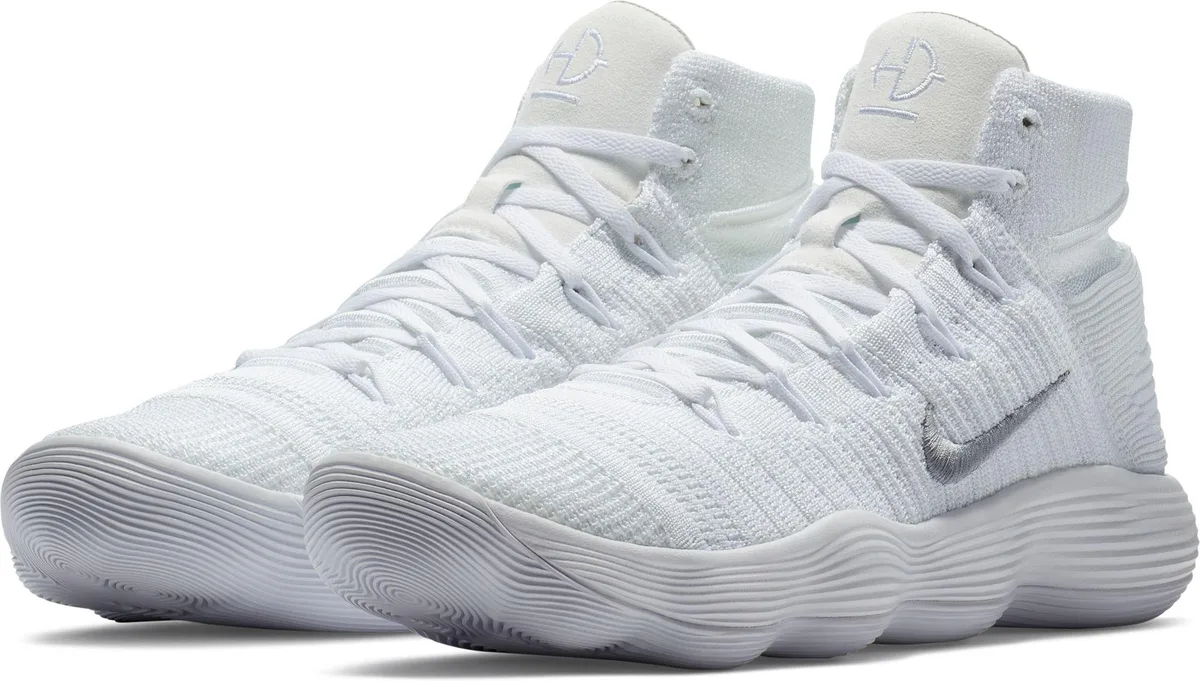
Image source: Bing (Web (fair-use with source credit))
Common Mistakes to Sidestep
Even with the best intentions, a few common mistakes can undo your cleaning efforts or, worse, damage your basketball shoes. Being aware of these pitfalls can save your gear.
What NOT to Do When Cleaning
- Machine Washing/Drying: This is the biggest no-no for most athletic shoes. The harsh tumbling, spinning, and heat can irreparably damage adhesives, seams, and the overall structure of the shoe, compromising its support and fit.
- Using Harsh Chemicals: Avoid bleach (unless heavily diluted and only on specific materials as a last resort), ammonia, or strong industrial cleaners. These can discolor materials, degrade adhesives, and even weaken fabrics.
- Soaking Them Completely: While some cleaning requires moisture, fully submerging your shoes, especially those with leather or delicate synthetics, can lead to water damage, discoloration, and breakdown of internal structures.
- Using a Stiff Wire Brush: These can scratch and tear materials, particularly mesh, knit, and even leather. Stick to softer bristles.
- Leaving Them in Direct Heat: As stressed before, direct sunlight, heaters, or dryers will warp and degrade your shoes.
Avoiding Damage
- Test First: Always test any cleaning solution or method on a small, inconspicuous area of the shoe before applying it to the entire surface. This is especially true for colored materials, leather, and any specialty finishes.
- Gentle Approach: Basketball shoes are athletic equipment. They need to be cleaned, but aggressively scrubbing or using abrasive materials can damage the fibers, perforations, or coatings designed for performance.
- Know Your Materials: Different materials require different care. Leather is more forgiving with certain cleaners than delicate knit uppers or suede. Understanding what your shoes are made of is key to choosing the right cleaning method. For more on shoe materials, you can explore what shoes are made of.
Essential Care for Longevity
Keeping your basketball shoes in top condition involves more than just cleaning them when they're visibly dirty. A few simple habits can significantly extend their lifespan and maintain their performance.
Daily Habits for Cleaner Shoes
- Air Them Out: After every game or practice, remove your shoes from your gym bag. This allows moisture to evaporate, preventing odors and the buildup of bacteria that can degrade materials.
- Quick Wipe Down: If you notice a fresh scuff or a bit of dust, take a moment to wipe it off with a damp cloth or a dry soft brush. This prevents dirt from becoming ingrained and much harder to remove later.
- Store Properly: Don't just leave them in a heap. When not in use, store your shoes in a cool, dry place. Using shoe trees or stuffing them with paper can help maintain their shape and absorb any residual moisture.
Storing Your Basketball Shoes
Proper storage is key to preventing deformation and damage, especially if you have multiple pairs and rotate them.
- Avoid Cramped Spaces: Don't stuff them into a tightly packed bag or closet where they might get crushed or misshapen.
- Cool and Dry Environment: Basements, garages, or car trunks can experience extreme temperature fluctuations and humidity, which are detrimental to shoe materials and adhesives. A climate-controlled space is ideal.
- Laces Tied (Loosely): For long-term storage, you can loosely tie the laces. This helps the shoe retain its intended shape and prevents the eyelets from distorting.
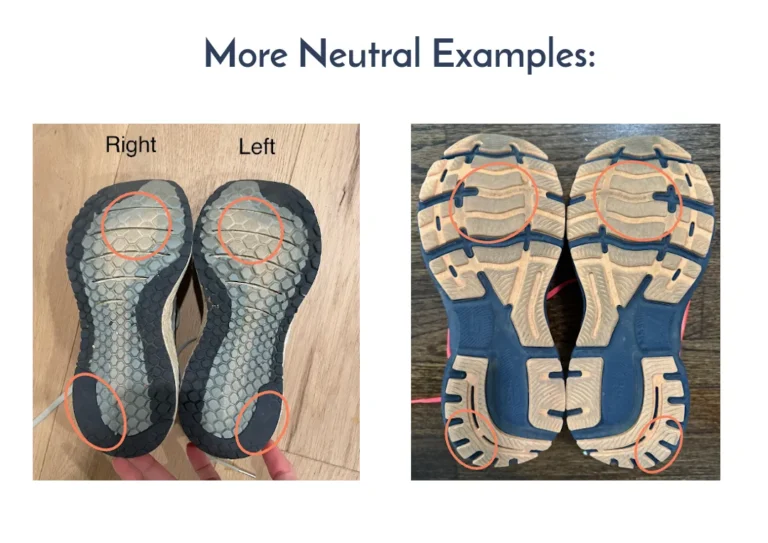
- Consider Rotation: If you play frequently, rotating between two or more pairs of basketball shoes allows each pair to fully air out and recover between uses. This is a great practice for performance and shoe longevity, much like rotating between different types of athletic footwear for varied activities. For example, understanding what is the difference between stability and neutral running shoes can inform how you use different shoes for different activities.
Real Scenarios / Case Examples
Sometimes, seeing how others tackle cleaning challenges can be really helpful. Let's look at a couple of common situations you might encounter with your basketball shoes. These examples highlight how different cleaning approaches work in practice.
Scenario 1: The Post-Tournament Slam Dunk
Imagine a player who just finished a weekend tournament. Their shoes are coated in court dust, the white midsoles have picked up scuff marks from aggressive cuts, and there's a faint smell from a long day of play.
- The Problem: Dust, scuff marks, and mild odor.
- The Solution: A quick clean after the tournament is best. Remove laces and insoles. Use a soft brush and a mild soap-and-water solution to gently clean the uppers. For the scuffed white midsoles, a magic eraser can quickly lift those marks. The insoles and laces get a separate hand wash. After drying, a sprinkle of baking soda inside can neutralize any lingering smell. This process takes about 30-45 minutes, not including drying time.
Scenario 2: The Outdoor Court Warrior
Consider a player who loves hooping on outdoor courts. These surfaces are tougher, often dusty or gritty, and can leave significant grime on the outsole and around the toe box.
- The Problem: Deep-seated dirt, grit, and potential color transfer from the court surface.
- The Solution: A deep clean is essential here. After removing laces and insoles, a more robust brushing is needed for the uppers, especially around the toe. A slightly firmer brush might be used on the outsole to get all the embedded grit out. If there's color transfer, a dedicated shoe cleaner or a very carefully applied baking soda paste could be tested. Thorough rinsing of the outsoles is critical to maintain grip. This deep clean can take an hour or more, plus the essential air-drying period.
Frequently Asked Questions About Cleaning Basketball Shoes
How long should I let my basketball shoes air dry?
You should let your basketball shoes air dry for at least 24 to 48 hours. The exact time depends on how wet they got and the ambient humidity. Always ensure they are completely dry before wearing them again to prevent odor buildup and material damage.
Can I use a washing machine to clean my basketball shoes?
No, it's generally not recommended to machine wash basketball shoes. The aggressive agitation and spinning can damage adhesives, seams, and the overall structure of the shoe, potentially compromising their performance and durability.
What's the best way to remove odors from basketball shoes?
To remove odors, start by ensuring the shoes are completely dry. Then, sprinkle a generous amount of baking soda inside each shoe and let it sit overnight before shaking it out. Activated charcoal inserts or a diluted white vinegar solution can also be effective.
How do I clean the rubber soles of my basketball shoes?
Use a medium-stiff brush or a toothbrush with your cleaning solution to scrub the rubber soles. Pay attention to the grooves to remove embedded dirt and debris. Rinse thoroughly to ensure optimal traction.
For white soles, a magic eraser can be very effective.
Is it okay to clean my basketball shoes with bleach?
Using bleach should be a last resort and only on specific materials like white canvas or durable white synthetics, and always heavily diluted (1 part bleach to 10 parts water). Never use bleach on leather or colored materials, and rinse extremely thoroughly, as it can damage adhesives and fabrics.