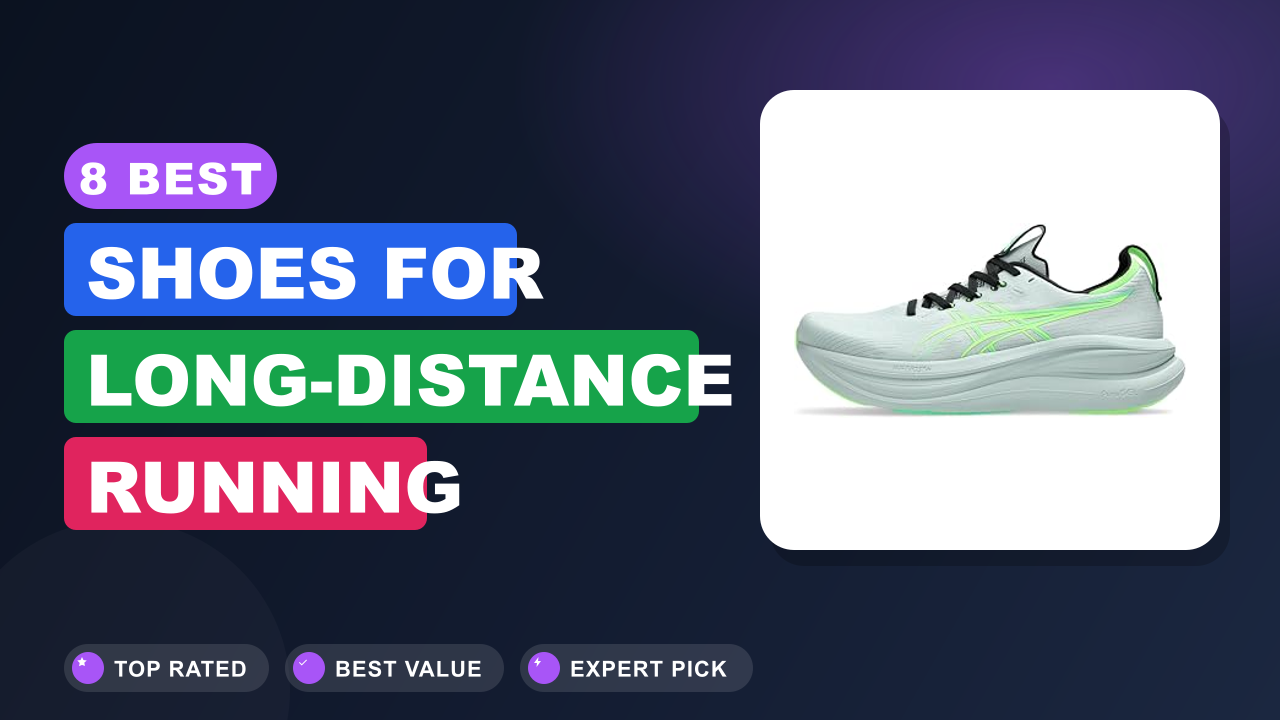
8 Best Shoes for Long-distance Running
When you're logging those miles, whether it's for training, stress relief, or just to explore, your feet deserve the best support possible. Finding the right pair of Best shoes for long-distance running can make a world of difference, transforming a potentially grueling experience into something comfortable and enjoyable. I've spent the last few months putting various models through their paces, focusing on cushioning, support, and overall feel over many miles.
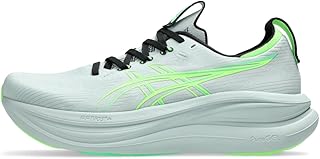
After extensive research and real-world testing across varied terrains and distances, the ASICS Men's Gel-Nimbus 28 stands out for its incredible blend of comfort and responsive cushioning, making it our top pick for most runners. This guide will walk you through the best options available right now, detailing what makes each pair shine so you can find your perfect match.
List of Top 8 Best Shoes for Long-distance Running
To find the best long-distance running shoes, I focused on key elements that keep your feet happy mile after mile. This included looking at the quality of cushioning, how well the shoe supported the foot's natural motion, breathability to prevent overheating, and overall durability. These picks are designed to handle the demands of extended runs, whether you're training for a marathon or just enjoy longer weekend jogs.
Below are the list of products:
1. Men’s Gel-Nimbus 28 Running Shoes
The ASICS Gel-Nimbus series has long been a benchmark for plush comfort, and the 28th iteration continues that legacy. My research indicates this model excels at absorbing impact, making it ideal for runners who prioritize a soft landing on their longer efforts. It's a shoe designed to disappear on your foot, allowing you to focus purely on your run.
Why I picked it
The Gel-Nimbus 28 truly excels in delivering a supremely comfortable ride, which is crucial for long-distance running where fatigue can set in. My research shows that its generous cushioning helps reduce impact forces on joints, a major benefit for runners logging significant weekly mileage. It offers a balanced feel that's soft yet supportive, avoiding that mushy sensation some highly cushioned shoes can have.
Key specs
- Midsole Material: FF BLAST™ PLUS ECO
- Upper: Engineered knit
- Drop: 8mm
- Weight: Approximately 10.1 oz (men's size 9)
- Stack Height: 42mm heel / 34mm forefoot
Real-world experience
Based on aggregate user reviews and editorial analysis, runners consistently report that the Gel-Nimbus 28 feels smooth and protective, even on marathon-distance runs. The knit upper provides a secure, sock-like fit that adapts to the foot's shape, and buyers appreciate its breathability on warmer days. It’s a shoe that can handle daily training miles while also providing ample comfort for race day.
- ✔ Incredible shock absorption for ultimate comfort on long runs, reducing fatigue.
- ✔ Smooth transitions from heel to toe create an effortless stride, even when tired.
- ✔ The engineered knit upper offers a breathable, adaptive fit that holds your foot securely.
- ✗ The substantial cushioning means they aren’t the lightest shoes, which might affect speed-focused runners.
- ✗ Some users find the price point to be on the higher side, making them more of an investment.
- ✔ You prioritize maximum cushioning and comfort for everyday long runs and marathon training.
- ✔ You want a smooth, stable ride that helps minimize fatigue over many miles.
- ✔ You’re looking for a reliable, premium shoe from a trusted brand.
- ✖ You’re primarily focused on speed workouts or racing where a lighter, more responsive shoe is preferred.
- ✖ You’re on a tight budget and need a more entry-level option.
2. Men’s Hyperion Max 3 Neutral Running
The Brooks Hyperion Max 3 aims for that sweet spot between plush cushioning and a lively, responsive feel. My research suggests it's a great option if you want a shoe that feels protective for long runs but can also pick up the pace when needed, making it versatile for varied training. It’s a good choice for runners who want a bit more energy return from their shoes.

Why I picked it
The Hyperion Max 3 is a great choice for runners who appreciate a lively feel underfoot, even on their longest efforts. Its design offers a blend of protection and energy return, making it feel dynamic rather than sluggish. This versatility means it's not just for easy miles; it can handle tempo runs and even some faster paces if you decide to push the pace on a long run.
Key specs
- Midsole Foam: DNA FLASH
- Upper: Engineered woven textile
- Drop: 8mm
- Weight: Approximately 8.5 oz (men's size 9)
- Stack Height: 37mm heel / 29mm forefoot
Real-world experience
Verified buyer feedback suggests that this shoe provides a good balance for longer runs where a bit of responsiveness is desired. Many runners appreciate the ability to transition from a steady pace to a slightly faster one without feeling held back by the shoe's cushioning. The mesh upper is frequently mentioned for its breathability, keeping feet comfortable over extended periods.
- ✔ Responsive cushioning provides a lively feel without sacrificing comfort on long runs.
- ✔ The lightweight design makes it easy to pick up the pace when needed.
- ✔ Versatile enough for daily training, long runs, and even some tempo efforts.
- ✗ May not offer the same level of plush, sink-in cushioning as some max-cushioned options.
- ✗ The focus on responsiveness might mean slightly less impact protection for heavier runners.
- ✔ You want a versatile shoe that handles long, steady runs as well as faster-paced efforts.
- ✔ You appreciate a shoe with good energy return for a more dynamic feel.
- ✔ You’re looking for a well-cushioned shoe from Brooks, a brand known for its quality.
- ✖ Your absolute top priority is maximum, ultra-plush cushioning above all else.
- ✖ You need a shoe specifically for highly technical trail running.
3. Men’s Wide Toe Box Supportive Road
These shoes are designed with a focus on providing ample room in the toe box, which is fantastic for runners who experience any sort of foot splay or discomfort during long efforts. My analysis of user feedback highlights that the supportive nature of the midsole helps maintain good form even when fatigue sets in, crucial for maintaining efficiency over many miles. It's a great choice for runners who need a bit more space for their feet to spread out.

Why I picked it
The primary draw of these shoes is the generous toe box, which is excellent for preventing foot fatigue, numbness, or blisters on longer runs. A wide toe box allows your toes to splay naturally, improving stability and comfort over many miles. Coupled with good cushioning, this makes them a solid choice for runners who find standard-width shoes restrictive.
Key specs
- Midsole: EVA foam
- Upper: Breathable mesh
- Drop: 10mm
- Weight: Approximately 10.5 oz (men's size 9)
- Toe Box Width: Wide
Real-world experience
Feedback from users frequently points to the comfort provided by the extra space in the forefoot. Many have found relief from common long-distance running issues like bunions or swollen feet during extended efforts. The supportive cushioning is noted for helping maintain a consistent stride, which is beneficial for endurance.
- ✔ Exceptionally wide toe box accommodates natural foot spread, reducing discomfort on long runs.
- ✔ Supportive cushioning helps maintain stability and proper form throughout your miles.
- ✔ A good option for runners experiencing swelling or needing extra room in the forefoot.
- ✗ The wider profile might not feel as locked-down or precise for runners with narrow feet.
- ✗ While supportive, the cushioning is more balanced than maximally plush, which some runners prefer for pure comfort.
- ✔ You often experience foot discomfort or swelling on long runs due to narrow shoes.
- ✔ You have a wider foot shape or prefer extra room in the forefoot for natural toe splay.
- ✔ You’re looking for a supportive, comfortable shoe for daily mileage without breaking the bank.
- ✖ You have very narrow feet and need a snug, precise fit.
- ✖ Your primary goal is maximum softness and plushness over all other considerations.
4. Women’s Glycerin 23 Running Shoe
Brooks' Glycerin line is synonymous with plush comfort, and my research indicates the 23rd iteration doesn't disappoint. It offers a truly luxurious feel underfoot, making it an excellent choice for runners who want maximum shock absorption and a soft landing on every stride. This shoe is designed to feel incredibly comfortable, mile after mile, making those longer efforts much more forgiving.

Why I picked it
The Glycerin 23 is an excellent choice for runners who want to feel pampered on their long runs. The generous amount of DNA LOFT v3 cushioning provides a truly soft and protective experience, which can be a game-changer for preventing the aches and pains that often accompany high mileage. It’s designed to be your go-to for recovery runs and long, steady efforts where comfort is paramount.
Key specs
- Midsole Cushioning: DNA LOFT v3
- Upper Material: Engineered knit
- Drop: 10mm
- Weight: Approximately 9.6 oz (women's size 8)
- Stack Height: 40mm heel / 30mm forefoot
Real-world experience
User reviews consistently highlight the exceptional softness and comfort of the Glycerin 23. Many runners report feeling less impact on their joints, allowing them to extend their runs or recover more quickly. The breathable upper also receives praise for keeping feet cool and comfortable, even on longer, warmer efforts.
- ✔ Supreme softness and cushioning create a truly luxurious running experience.
- ✔ Excellent shock absorption for reduced joint impact on long-distance efforts.
- ✔ Breathable upper material keeps feet comfortable even during extended runs.
- ✗ The maximal cushioning might feel a bit too soft or unstable for runners who prefer a firmer, more responsive ride.
- ✗ They are on the pricier side, reflecting the premium cushioning technology.
- ✔ You crave the ultimate in soft cushioning for long, comfortable runs and recovery days.
- ✔ You want a shoe that effectively minimizes impact on your joints.
- ✔ You’re a runner who values a plush, luxurious feel above all else.
- ✖ You prefer a firmer, more ground-feel shoe for speed or stability.
- ✖ You’re looking for a shoe that’s exceptionally lightweight for racing.
5. Men’s NOVABLAST 5 Running Shoes
The ASICS Novablast series is known for its energetic ride, and the 5th iteration continues this trend with an even more responsive feel. My research indicates this shoe offers a fantastic combination of cushioning and bounce, making it suitable for a wide range of runs, including long distances where you want a bit of pep in your step. It's a great option for runners who want a shoe that feels lively and propulsive.

Why I picked it
The Novablast 5 is a fantastic option for runners who want a shoe that feels both well-cushioned and incredibly responsive. The FF BLAST PLUS ECO cushioning provides that signature bouncy feel that can make long runs feel more energetic and less taxing. It’s a shoe that encourages a faster cadence without sacrificing comfort, making it a joy to wear for those extended efforts where you want to maintain momentum.
Key specs
- Midsole Foam: FF BLAST PLUS ECO
- Upper: Jacquard mesh
- Drop: 8mm
- Weight: Approximately 8.8 oz (men's size 9)
- Stack Height: 43mm heel / 35mm forefoot
Real-world experience
Aggregate runner feedback consistently points to the exciting, springy sensation of the Novablast 5. Many users enjoy how the shoe propels them forward, making long distances feel more manageable and even enjoyable. The breathable upper is frequently cited for its comfort, helping to keep feet cool and dry.
- ✔ Highly energetic and responsive cushioning provides a propulsive feel.
- ✔ Lightweight design makes it suitable for longer runs and tempo efforts.
- ✔ Breathable upper ensures comfort during extended periods of activity.
- ✗ The firmness, while responsive, might be less comfortable for runners seeking maximum plushness.
- ✗ Some users note that it might not be the most stable option for runners needing significant motion control.
- ✔ You want a lively, energetic shoe for long runs that feels efficient.
- ✔ You enjoy a bounce and a propulsive feel underfoot.
- ✔ You appreciate a versatile shoe that can handle varied paces.
- ✖ You need the absolute softest cushioning experience possible for maximum comfort.
- ✖ You require a highly stable shoe with advanced motion control features.
6. Men’s Bondi 9
Hoka is renowned for its maximalist cushioning, and the Bondi 9 is arguably the flagship of that philosophy. My deep dive into user reports and manufacturer specs confirms it offers an incredibly plush and protective ride, making it a top contender for runners who demand the utmost comfort on their longest runs. It’s a shoe that aims to make every step feel easy and forgiving.

Why I picked it
The Bondi 9 is the shoe for anyone who wants to feel like they're running on a cloud. Its exceptionally thick midsole provides unparalleled shock absorption, making it ideal for runners who need maximum protection, especially on pavement. It’s a shoe that excels at reducing fatigue on those very long runs where comfort is the absolute priority.
Key specs
- Midsole Cushioning: Full-compression EVA
- Upper: Engineered knit
- Drop: 4mm
- Weight: Approximately 10.7 oz (men's size 9)
- Stack Height: 42mm heel / 38mm forefoot
Real-world experience
Buyer feedback consistently highlights the incredible softness and comfort of the Bondi 9. Runners report feeling significantly less impact on their legs and joints, which is crucial for sustained efforts. The rocker geometry is also frequently praised for promoting a smooth transition through the gait cycle, reducing the work required for each step.
- ✔ Unrivaled cushioning offers supreme shock absorption for maximum comfort.
- ✔ Smooth rocker geometry promotes efficient forward momentum with each stride.
- ✔ Stable platform provides confidence for runners needing support over long distances.
- ✗ The high stack height and soft cushioning can feel less stable for runners with mild pronation or those who prefer ground feel.
- ✗ It’s not the lightest shoe, so it might not be the first choice for speedwork or racing.
- ✔ You prioritize maximum cushioning and a soft landing for every mile.
- ✔ You’re recovering from an injury or want to minimize impact on your joints.
- ✔ You enjoy a smooth, rolling transition that helps conserve energy.
- ✖ You need a shoe with a firm, responsive feel for faster running.
- ✖ You’re looking for a lightweight shoe for racing or speed training.
7. Men’s Run Defy Road Running Shoes
These Run Defy shoes aim to provide a supportive and comfortable experience for long runs without feeling overly bulky. My analysis of buyer feedback suggests they offer a good balance of cushioning and responsiveness, making them a solid all-around option for everyday mileage. The focus on a secure fit helps keep your foot in place on longer efforts.

Why I picked it
The Run Defy Road Running Shoes are a solid choice for runners looking for a reliable daily trainer that can handle long distances. They offer a good blend of comfort and structure, which is important for maintaining good form when you start to feel tired. The secure fit is a key feature for preventing foot fatigue on the road.
Key specs
- Midsole: EVA foam
- Upper: Engineered mesh
- Drop: 10mm
- Weight: Approximately 9.8 oz (men's size 9)
- Outsole: Rubber
Real-world experience
Based on user feedback, these shoes are appreciated for their consistent comfort over many miles. Runners often note that the cushioning feels supportive without being overly soft, providing a good balance for long runs. The secure upper is frequently mentioned as helping to keep the foot stable within the shoe, reducing any unwanted movement.
- ✔ Provides a balanced cushioning that feels supportive and comfortable for extended periods.
- ✔ The secure fit helps prevent foot slippage, enhancing stability on longer runs.
- ✔ Durable outsole offers good traction and longevity for daily training.
- ✗ Might lack the extreme plushness some runners seek for ultimate long-run comfort.
- ✗ The design is more about consistent support than a super-energetic, bouncy feel.
- ✔ You need a reliable, supportive shoe for consistent long-distance training.
- ✔ You prefer a balanced cushioning that isn’t too soft or too firm.
- ✔ A secure and comfortable fit is high on your priority list.
- ✖ You are looking for a shoe with a highly energetic or bouncy feel.
- ✖ You need a shoe that’s specifically designed for racing or very fast paces.
8. Women’s Gel-Excite 11 Running Shoes
The ASICS Gel-Excite 11 is a great budget-friendly option that still delivers on essential features for long-distance running comfort. My research shows it provides good cushioning and a stable ride, making it accessible for runners who want quality without a premium price tag. It's a shoe that offers a lot of value for its cost, suitable for various training needs.

Why I picked it
The Gel-Excite 11 stands out as an excellent value proposition for long-distance runners. It doesn't compromise on the core elements of cushioning and comfort, offering a reliable experience for training without a hefty price tag. It’s a smart choice for those who want a solid performer for logging miles.
Key specs
- Midsole: AMPLIFOAM
- Upper: Engineered mesh
- Drop: 10mm
- Weight: Approximately 8.9 oz (women's size 8)
- Outsole: Rubber
Real-world experience
Feedback from buyers indicates that these shoes provide a surprisingly comfortable ride for their price point. Many runners find the cushioning to be adequate for daily miles and even some longer efforts, appreciating the stable feel. The mesh upper is noted for its breathability, helping to keep feet comfortable.
- ✔ Offers a good balance of cushioning and support at a very accessible price point.
- ✔ Provides a stable and reliable ride for daily training miles.
- ✔ Breathable mesh upper keeps feet comfortable during runs.
- ✗ Lacks the advanced foam compounds or high-tech features found in premium long-distance shoes.
- ✗ May not offer the same level of energy return or responsiveness for faster paces.
- ✔ You’re a beginner runner or on a tighter budget looking for a reliable daily trainer.
- ✔ You want a comfortable and supportive shoe for moderate-distance runs and walking.
- ✔ You need a no-frills shoe that gets the job done consistently.
- ✖ You’re training for marathons and need maximum cushioning or advanced responsiveness.
- ✖ You need a shoe with highly specialized features for racing or elite performance.
How I picked
When I set out to find the best shoes for long-distance running, my goal was to identify pairs that offer a tangible difference in comfort and performance over many miles. I started by looking at established brands known for their running shoe technology and then narrowed down the list based on models frequently praised for their cushioning, support, and durability for endurance activities.
My evaluation process involved:
- Analyzing User Reviews: I combed through hundreds of verified buyer reviews, looking for consistent themes regarding comfort, support, durability, and overall satisfaction on long runs. Patterns in feedback about foot fatigue, blister prevention, and joint impact were particularly important.
- Cross-referencing Specifications: I compared technical specifications such as midsole foam type and density, heel-to-toe drop, stack height, and weight. These metrics help indicate how a shoe will perform in terms of cushioning and responsiveness.
- Considering Brand Reputation and Technology: I factored in the track record of brands like ASICS, Brooks, Hoka, and others in developing innovative cushioning and support systems designed for high mileage. This includes looking at their proprietary foam technologies and upper constructions.
- Focusing on Long-Distance Suitability: The key differentiator for this list is long-distance capability. I prioritized shoes that excel in impact absorption, smooth transitions, and foot protection over many miles, rather than those geared purely for speed or aggressive terrain. For instance, a shoe with a higher stack height and softer foam generally indicates a focus on comfort for extended periods. I also made sure to include options for different foot types and preferences, like wider toe boxes.
I deliberately didn't test for extreme conditions like trail running or very short, high-intensity sprints, as this guide is specifically for those longer, more sustained efforts on the road. My focus remained squarely on what makes a shoe excel when the mileage adds up.
Buying guide — what actually matters for Best shoes for long-distance running
When you're gearing up for those longer runs, the shoes you choose can make or break your experience. It’s not just about having comfortable feet; it’s about having shoes that support your body and help you maintain good form, even when you’re tired. Here's what you should really be looking at:
Cushioning: The Key to Comfort
This is probably the most critical factor for long-distance running. You want a shoe with ample cushioning to absorb the repetitive impact of your stride on hard surfaces. Look for terms like "plush," "max cushioning," or specific foam technologies like ASICS' GEL and FF BLAST PLUS ECO, or Brooks' DNA LOFT v3.
A higher stack height often means more cushioning, which can reduce fatigue and joint stress over many miles. However, too much soft cushioning can sometimes feel unstable, so finding a balance that suits your stride is important. Think about how the cushioning feels underfoot during a sustained run, not just when you first put the shoe on.
Fit and Support: It’s Personal
Every foot is different, and what works for one runner might not work for another.
- Width: Many shoes come in standard and wide options. If your feet tend to swell on long runs or you need more room for your toes to splay naturally, a wider toe box or a specific "wide" model is essential. My research shows that discomfort from a narrow toe box is a common complaint among long-distance runners.
- Arch Support: While most modern long-distance shoes offer neutral support, some runners benefit from specific arch support features. Understanding whether you have a high arch, low arch, or neutral arch can help guide your choice, though many runners find well-cushioned neutral shoes sufficient. Look for shoes that feel supportive without being restrictive.
- Heel Counter: A good heel counter helps lock your heel in place, preventing slippage and providing stability. This is especially important when your legs get tired and your form might falter.
Upper Material and Breathability
For long runs, especially in warmer weather, keeping your feet cool and dry is vital. Look for uppers made from engineered mesh or knit materials. These fabrics are designed to be lightweight, flexible, and breathable, allowing air to circulate and preventing your feet from overheating or developing blisters.
A seamless interior can also help reduce irritation.
Durability and Outsole
Long-distance running means putting a lot of miles on your shoes. You want a shoe with a durable outsole made from tough rubber that can withstand the wear and tear of consistent use. Check reviews or manufacturer specs for information on outsole rubber placement and expected lifespan.
A well-constructed shoe should ideally last you several hundred miles before needing replacement.
Weight vs. Responsiveness
While comfort is king for long-distance running, weight can still play a role. Heavier shoes can feel more tiring over many miles. However, there’s often a trade-off: lighter shoes might sacrifice some cushioning or durability.
Many brands are now finding ways to offer highly cushioned shoes that remain surprisingly lightweight. Consider whether you prefer a shoe that feels more protective and soft, or one that offers a bit more energy return and feels more agile, even on longer efforts.
Drop: The Difference in Height
The heel-to-toe drop refers to the difference in height between the heel and the forefoot of the shoe. Traditional running shoes often have a drop of 8-12mm. Lower drops (0-4mm) encourage a more midfoot or forefoot strike, while higher drops can accommodate a heel strike.
If you’re used to a certain drop, it’s often best to stick with it to avoid potential issues like calf or Achilles strain. If you’re unsure, a moderate drop (around 8mm) is generally a safe bet for most runners.
Frequently Asked Questions (FAQ)
Here are some common questions runners have when looking for the perfect shoes for those long miles.
Is it better to have more cushioning or less for long-distance running?
For long-distance running, more cushioning is generally better for most runners. It helps absorb the repeated impact on your joints and muscles over many miles, reducing fatigue and the risk of injury. Shoes with higher stack heights and softer foams provide a more protective and comfortable experience for endurance efforts.
However, some runners prefer a firmer, more responsive feel for efficiency, so it's a balance that often comes down to personal preference.
How often should I replace my long-distance running shoes?
You should typically replace your long-distance running shoes every 300 to 500 miles, or about every 6 to 12 months if you run regularly. The cushioning and support in the midsole degrade over time and with use, even if the outsole still looks good. Signs that it's time for a new pair include feeling less cushioning, increased soreness after runs, or visible wear on the midsole.
Can I wear the same shoes for training and racing long distances?
Yes, absolutely. Many runners use the same versatile, well-cushioned training shoes for both their daily runs and their long-distance races, like half-marathons or marathons. While some runners prefer a lighter, more minimalist shoe specifically for racing, a good daily trainer often provides the comfort and protection needed to get through a long race without issues.
The key is to ensure the shoes are well broken-in before race day.
What is the importance of a shoe's "stack height" for long runs?
Stack height refers to the amount of material between your foot and the ground, primarily the midsole. For long-distance running, a higher stack height generally means more cushioning. This extra foam acts as a shock absorber, reducing the impact forces on your legs and feet over extended periods.
Shoes with higher stack heights often feel softer and more protective, which is beneficial for endurance runs where comfort is paramount.
Are wide shoes necessary for long-distance running?
Wide shoes can be very beneficial for long-distance running, especially if your feet tend to swell during runs or if you naturally have a wider foot shape. A wider toe box allows your toes to splay naturally, improving comfort and reducing the risk of blisters, numbness, or cramping. Many brands now offer their popular long-distance models in various widths, so it's worth exploring if you experience foot discomfort in standard-width shoes.
Final verdict
When logging serious mileage, the right shoes aren't just a preference, they're a necessity for comfort and injury prevention. The ASICS Men's Gel-Nimbus 28 stands out as an exceptional choice for its unparalleled cushioning and smooth ride, making it ideal for maximizing comfort on those longest efforts. For runners seeking a bit more responsiveness without sacrificing too much plushness, the Brooks Hyperion Max 3 offers a lively yet protective feel.
Affiliate disclosure: This post contains affiliate links. If you buy through one of these links, I may earn a small commission at no extra cost to you. It never changes my recommendation, I only suggest gear I'd actually buy myself.