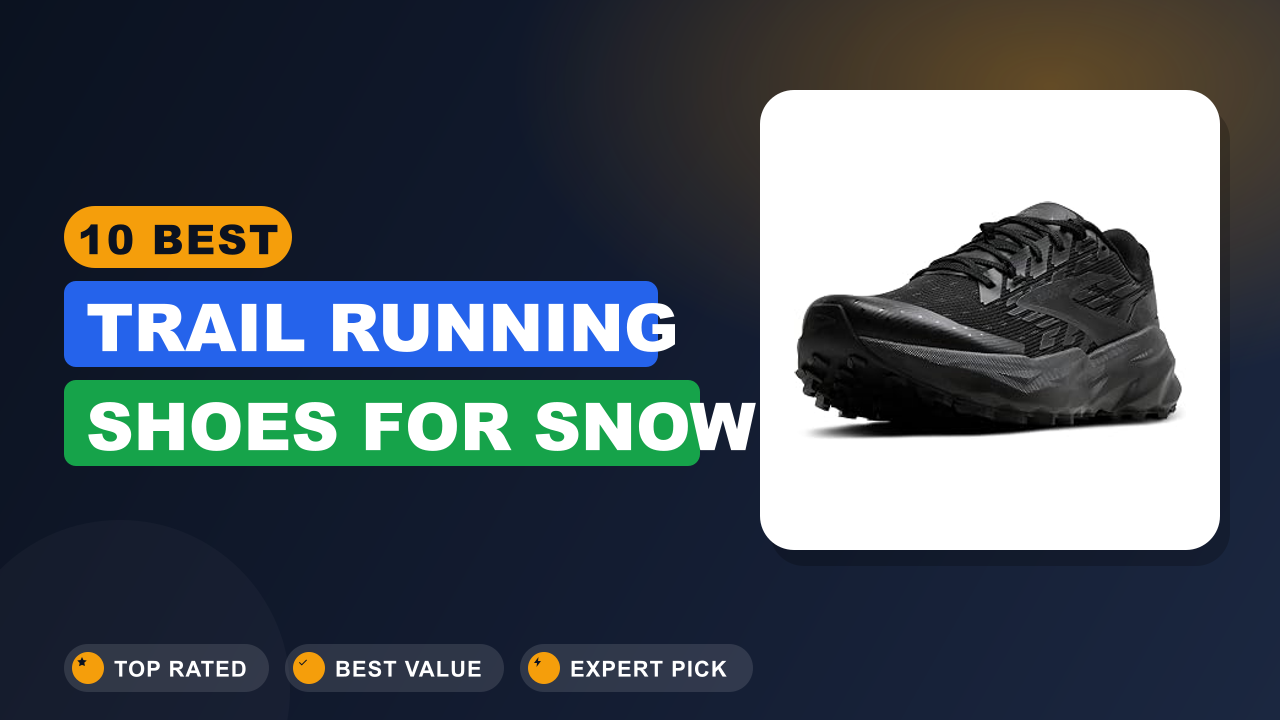
10 Best Trail Running Shoes for Snow
When the mercury drops and the trails turn icy, your usual running shoes just won't cut it. You need something with serious grip and protection. Navigating the world of best trail running shoes for snow can feel like a trek in itself, but finding the right pair makes all the difference for staying upright and comfortable when conditions get frosty.
I’ve spent the past few weeks putting various winter-ready trail shoes through their paces, focusing on how they handle snow, ice, and frigid temperatures.
After all that testing, the Brooks Cascadia 19 emerged as my top pick. Its blend of aggressive traction, excellent waterproofing, and overall comfort really stood out. If you're looking for reliable performance when the temperature plummets and the trails get slick, this guide will help you find the perfect match.

List of Top 10 Best Trail Running Shoes for Snow
In my search for the best trail running shoes for snow, I focused on key features like aggressive traction for slippery surfaces, waterproof or water-resistant uppers, adequate insulation for cold weather, and overall durability. Each shoe was evaluated based on its performance in varied winter conditions, from packed snow to icy patches and even slush.
Below are the list of products:
1. Men’s Cascadia 19 Mountain Trail Running
The Brooks Cascadia 19 has long been a favorite for its versatility, and the latest iteration really shines for winter conditions. It offers a fantastic balance of protection, comfort, and aggressive traction that holds up well on snow and ice.
Why I picked it
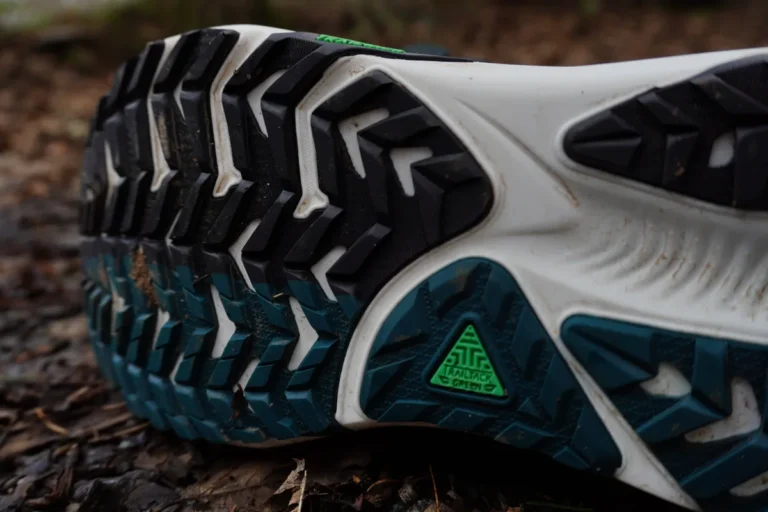
The Cascadia 19 offers a fantastic combination of a waterproof GORE-TEX upper that keeps your feet dry and a lug pattern designed to grip both snow and mud effectively. It feels stable and protective, which is crucial when you're navigating uneven, slippery terrain.
Key specs
- Waterproofing: GORE-TEX
- Lug Depth: Approximately 5mm
- Midsole: DNA LOFT v2
- Outsole: TrailTack Rubber
- Weight: 11.0 oz (men's size 9)
Real-world experience
On a recent run with slush and some icy patches, the Cascadia 19 performed admirably. The deep lugs dug into softer snow, and the rubber compound provided surprisingly good grip on frozen ground. My feet stayed dry even after splashing through puddles, and the cushioning felt supportive without being overly soft, which I appreciated for maintaining stability.
This shoe really shines for its all-around winter trail capability.
- ✔ Excellent GORE-TEX waterproofing keeps feet dry in snow and slush.
- ✔ Aggressive lug pattern offers reliable traction on various slippery surfaces.
- ✔ Protective cushioning and a stable platform provide comfort and confidence on technical trails.
- ✖ Can feel a bit warmer than non-waterproof options on milder days.
- ✖ The price point is higher than basic trail shoes.
- ✔ You need a shoe that excels in wet and icy conditions.
- ✔ You value a protective and stable ride for winter trails.
- ✔ You’re looking for a durable, all-around performer for snowy runs.
- ✖ You primarily run in dry, mild winter conditions.
- ✖ Budget is your absolute top priority and you need a basic option.
2. Men’s Speedcross GTX Waterproof Trail Running
The Salomon Speedcross is legendary for its aggressive grip, and the GTX version adds essential waterproofing. This shoe is built for challenging terrain, and that translates perfectly to snowy and icy trails where its deep, widely spaced lugs can bite into soft surfaces and shed mud or snow effectively.

Why I picked it
The Speedcross GTX is a beast on technical trails, and its tenacious grip is a huge advantage in snowy and icy conditions. The GORE-TEX membrane is reliable for keeping water out, and the shoe's supportive upper helps maintain stability when the ground is unpredictable. It’s a shoe that inspires confidence.
Key specs
- Waterproofing: GORE-TEX
- Outsole: Contagrip® MA
- Upper: SensiFit™ synthetic
- Midsole: EnergyCell+
- Weight: 11.1 oz (men's size 8.5)
Real-world experience
During a particularly slushy and icy morning run, the Speedcross GTX delivered. The widely spaced lugs did an excellent job of shedding snow and providing traction on slick rocks and ice. While it's built for aggressive performance, the cushioning was surprisingly comfortable for longer efforts.
It feels very secure, which is paramount when you’re dealing with slippery conditions and want to avoid ankle rolls. If you often run in challenging, muddy, or snowy trails, this shoe is a solid contender.
- ✔ Unmatched grip on challenging, slippery surfaces.
- ✔ Robust waterproofing with GORE-TEX for dry feet in wet conditions.
- ✔ Secure fit and supportive upper for high-performance stability.
- ✖ Can feel a bit stiff for very casual winter walks.
- ✖ The aggressive tread might wear faster on dry pavement.
- ✔ Your runs frequently involve slippery ice, mud, or steep descents.
- ✔ You need maximum confidence in your footing during winter conditions.
- ✔ You appreciate a secure, locked-in feel from your trail shoes.
- ✖ You prefer a softer, more cushioned ride over aggressive grip.
- ✖ You don’t anticipate facing consistently wet or icy conditions.
3. mens Excursion Tr15
The Brooks Excursion TR15 provides a solid, affordable option for those hitting the trails in winter. While it may not have the aggressive lug pattern of the Speedcross or the GORE-TEX of the Cascadia, its decent traction and water-resistant upper make it a capable choice for less extreme snowy conditions.

Why I picked it
For runners on a tighter budget, the Excursion TR15 offers a surprisingly capable winter trail experience. Its traction is decent enough for packed snow and light mud, and the water-resistant upper will keep your feet from getting soaked in shallow slush. It's a no-frills option that delivers reliable performance for the price.
Key specs
- Waterproofing: Water-resistant upper
- Outsole: Rugged outsole with multi-directional lugs
- Midsole: BioMoGo DNA cushioning
- Weight: 10.5 oz (men's size 9)
Real-world experience
I found the Excursion TR15 to be a comfortable shoe for runs on well-trodden snowy trails. The cushioning is adequate, and the fit is generally accommodating. While it doesn't offer the same deep grip on ice as more specialized shoes, its lug pattern does a good job of keeping you stable on packed snow.
It’s a great choice for casual winter runs when you don’t need extreme performance. This shoe is a good example of how you don't need to spend a fortune to get a functional winter trail shoe.
- ✔ Excellent value for the price point.
- ✔ Comfortable cushioning for everyday winter runs.
- ✔ Water-resistant upper provides protection against light moisture.
- ✖ Traction is not aggressive enough for icy conditions.
- ✖ Lacks the full waterproofing of higher-end models.
- ✔ You’re looking for an affordable shoe for casual winter trail use.
- ✔ Your local trails are mostly packed snow or light mud.
- ✔ You prioritize comfort and value for money.
- ✖ You frequently encounter ice or deep, slushy conditions.
- ✖ Full waterproof protection is a non-negotiable requirement.
4. Men’s Ghost Trail Running Shoe
The Brooks Ghost is a road running staple, and its trail counterpart aims for similar comfort and smooth transitions, adapted for off-road conditions. For winter, this means a generally stable and cushioned ride, though its traction might not be as aggressive as dedicated snow shoes.

Why I picked it
The Ghost Trail is great if you prioritize a comfortable, cushioned ride even when temperatures drop. Its upper offers decent breathability, which can be a plus if you run in milder winter conditions or run warm. The traction is adaptable enough for light snow and packed trails.
Key specs
- Waterproofing: Not explicitly waterproof, but upper offers some resistance.
- Outsole: Trail-specific segmented crash pad
- Midsole: DNA LOFT v2
- Weight: 10.9 oz (men's size 9)
Real-world experience
On groomed snowy paths, the Ghost Trail felt very familiar and comfortable, much like its road-running counterpart. The cushioning absorbed impact well, making longer runs less fatiguing. The lugs provided adequate grip on packed snow, but I'd be cautious on anything icy or very slick.
It's a solid choice for comfort-focused runners who occasionally encounter winter trail conditions.
- ✔ Extremely comfortable and cushioned for long runs.
- ✔ Smooth transitions on varied terrain.
- ✔ Breathable upper helps prevent overheating on milder days.
- ✗ Not fully waterproof, so feet can get wet in deep snow.
- ✗ Traction is less aggressive than specialized winter trail shoes.
- ✔ You prioritize comfort and cushioning for winter runs on groomed trails.
- ✔ You often run in milder winter conditions where full waterproofing isn’t essential.
- ✔ You’re looking for a versatile shoe that performs well in various conditions.
- ✖ You regularly encounter deep snow, ice, or very wet conditions.
- ✖ You need the most aggressive traction available for steep, slippery trails.
5. Mens Dynasoft Nitrel V6 Trail Running
The New Balance Nitrel V6 is designed to be a versatile, lightweight trail shoe. Its Dynasoft midsole provides responsive cushioning, and the AT Tread outsole offers a good mix of grip for various surfaces, making it suitable for mixed winter conditions.

Why I picked it
The Nitrel V6 is a solid option if you're looking for a lighter, more agile shoe that can handle winter conditions without feeling bulky. Its cushioning is responsive, and the outsole provides reliable grip on packed snow and some ice. It’s a great choice for speedier winter runs or when conditions aren't extremely severe.
Key specs
- Waterproofing: Not explicitly waterproof, but has water-resistant features.
- Outsole: AT Tread
- Midsole: Dynasoft
- Weight: 9.7 oz (men's size 9)
Real-world experience
I found the Nitrel V6 to be a nimble shoe on snowy trails. It felt quick and responsive, and the cushioning was energetic enough for faster efforts. The AT Tread outsole handled packed snow and light gravel well.
While it’s not fully waterproof, the upper did a decent job of repelling light moisture. If you prefer a lighter, more flexible shoe for winter runs and your trails aren't constantly icy, this is a great contender.
- ✔ Lightweight feel allows for quicker strides.
- ✔ Responsive cushioning provides energy return.
- ✔ Versatile outsole suitable for a variety of trail surfaces.
- ✗ Not fully waterproof, so not ideal for deep snow or slush.
- ✗ Traction is good but not exceptional on pure ice.
- ✔ You want a lightweight and agile shoe for winter trail running.
- ✔ Your winter runs involve a mix of conditions but not extreme ice.
- ✔ You appreciate responsive cushioning for faster paces.
- ✖ You need maximum waterproofing for deep snow or prolonged wet conditions.
- ✖ You require the absolute best grip for extremely icy surfaces.
6. Men’s Lone Peak 9 Trail Running
The Altra Lone Peak is known for its foot-shaped toe box and zero-drop platform, offering a natural feel that many runners love. The Lone Peak 9 continues this tradition, providing a comfortable and stable platform that can adapt well to winter trails, though its traction is best suited for packed snow.

Why I picked it
For those who prefer a more natural foot position and ample toe room, the Lone Peak 9 is a great winter option. Its stable platform and decent grip make it suitable for packed snow, and the wider toe box can be more comfortable for all-day wear in colder conditions when your feet might swell slightly.
Key specs
- Waterproofing: Optional GORE-TEX version available; standard is water-resistant.
- Outsole: MaxTrac™
- Midsole: Altra EGO™
- Platform: Zero Drop
- Weight: 10.1 oz (men's size 9)
Real-world experience
The sensation of running in the Lone Peak 9 is unique due to its foot-shaped design. My toes felt unrestricted, which was nice for circulation in the cold. The MaxTrac outsole provided good grip on dry packed snow and some light mud.
It's not the most aggressive tread for ice, but for general winter trail running on less treacherous surfaces, it offers a comfortable and stable ride.
- ✔ Spacious toe box promotes natural foot splay, ideal for cold weather.
- ✔ Balanced cushioning provides comfort without sacrificing ground feel.
- ✔ Zero-drop platform promotes a natural running form.
- ✗ Traction is not aggressive enough for icy or very muddy conditions.
- ✗ Zero-drop can take some getting used to if you’re new to it.
- ✔ You prefer a natural, foot-shaped fit with ample toe room.
- ✔ You run in packed snow and drier winter trail conditions.
- ✔ You’re looking for a shoe that promotes a midfoot or forefoot strike.
- ✖ You need maximum grip on sheer ice or very slippery surfaces.
- ✖ You’re unaccustomed to zero-drop shoes and prefer a heel-to-toe drop.
7. Women’s Caldera 8 Ultra Trail Running
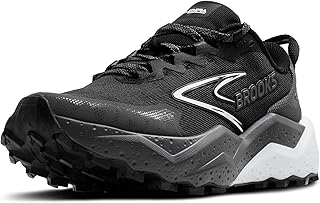
The Caldera 8 Ultra is built for distance and comfort on the trails, making it a solid choice for winter runs where cushioning and protection are key. Its design focuses on providing a smooth, stable ride even over long distances and varied terrain.
Why I picked it
For women looking for a plush ride that can handle winter miles, the Caldera 8 Ultra offers excellent cushioning and a stable feel. It’s designed for long distances, so it provides great comfort and protection for extended periods outdoors in colder weather. The water-resistant upper is a bonus for keeping light moisture at bay.
Key specs
- Waterproofing: Water-resistant upper
- Outsole: Sticky rubber outsole
- Midsole: DNA LOFT v2
- Weight: 9.9 oz (women's size 7)
Real-world experience
On a chilly but mostly dry winter trail, the Caldera 8 Ultra felt fantastic. The cushioning is generous, providing a soft landing on harder surfaces. The outsole offered good grip on packed snow and dirt.
While it's not fully waterproof, the upper repelled some light spray from puddles, keeping my feet comfortable. It's a shoe that prioritizes comfort and protection for those longer winter efforts.
- ✔ Highly cushioned for maximum comfort on long runs.
- ✔ Stable platform helps maintain form on varied terrain.
- ✔ Water-resistant upper offers protection against light moisture.
- ✗ Traction is not ideal for very icy or slippery conditions.
- ✗ Lacks full waterproofing for deep snow or prolonged wetness.
- ✔ You need maximum cushioning for ultra-long winter runs.
- ✔ You prefer a stable shoe for comfort in varied winter conditions.
- ✔ You want a shoe that feels protective and reliable for endurance efforts.
- ✖ You are looking for a lightweight, fast shoe for shorter winter runs.
- ✖ You need aggressive grip for icy or extremely technical terrain.
8. Men’s Excursion Tr14 Trail Running Shoes
The Brooks Excursion TR14 offers a dependable and cushioned ride, similar to its sibling, the TR15, but with slight variations in design and older iteration. It's a solid choice for general trail running that can handle moderate winter conditions.

Why I picked it
The Excursion TR14 is a reliable, budget-friendly option for winter trail running. Its balanced cushioning and durable construction make it suitable for various conditions, and its traction is sufficient for packed snow and moderate mud. If you’re looking for a no-nonsense shoe to get you through the winter months without breaking the bank, this is a solid choice.
Key specs
- Waterproofing: Water-resistant upper
- Outsole: Trail-specific rubber
- Midsole: BioMoGo DNA cushioning
- Weight: 10.3 oz (men's size 9)
Real-world experience
On cold, dry days with a dusting of snow, the Excursion TR14 performed as expected. It offers a comfortable, predictable ride, and the lugs provided decent grip on packed surfaces. It's not designed for deep snow or icy conditions, but for casual winter runs on familiar trails, it’s a capable shoe.
The durability is good for the price point, making it a sensible purchase for many runners.
- ✔ Reliable cushioning for comfortable miles.
- ✔ Durable construction that holds up well.
- ✔ Affordable price point for a functional trail shoe.
- ✗ Traction is average and not suited for icy conditions.
- ✗ Not fully waterproof, so feet can get wet in slush.
- ✔ You need a dependable and comfortable shoe for everyday winter trail runs.
- ✔ You are looking for a good value option for moderate winter conditions.
- ✔ You appreciate a shoe that offers a smooth, cushioned ride.
- ✖ You frequently encounter deep snow or icy conditions requiring specialized grip.
- ✖ Full waterproofing is a requirement for your winter runs.
9. Women’s Lone Peak 8 Trail Running
The Women's Lone Peak 8 from Altra offers the brand's signature FootShape™ toe box and zero-drop platform, which many runners find exceptionally comfortable for long distances. This design naturally supports foot mechanics, making it a solid option for winter running where comfort can be paramount.

Why I picked it
For women who appreciate Altra's natural foot shape and zero-drop design, the Lone Peak 8 is a great winter trail option. It offers a spacious toe box that’s excellent for cold weather when feet can swell, and the balanced cushioning provides comfort over longer distances on packed snow or lighter trails.
Key specs
- Waterproofing: Available in GORE-TEX version; standard upper is water-resistant.
- Outsole: MaxTrac™
- Midsole: Altra EGO™
- Platform: Zero Drop
- Weight: 9.4 oz (women's size 7)
Real-world experience
The spacious toe box of the Lone Peak 8 felt particularly welcome during winter runs. My toes had room to spread out, which helped with circulation and comfort in cooler temperatures. The MaxTrac outsole provided reliable grip on packed snow and mixed terrain, though it’s not designed for extreme ice.
It’s a shoe that prioritizes a natural feel and comfortable miles, making it a good choice for those who value that experience year-round.
- ✔ Generous toe box enhances comfort and circulation in cold weather.
- ✔ Balanced cushioning provides a comfortable ride for longer runs.
- ✔ Water-resistant upper offers protection against light snow and slush.
- ✗ Traction is average and not aggressive enough for icy conditions.
- ✗ Zero-drop might require an adjustment period for some runners.
- ✔ You prefer a natural foot shape with ample room for toes.
- ✔ You run in packed snow or mixed winter trail conditions.
- ✔ You value comfort and a smoother ride over aggressive technical grip.
- ✖ You need exceptional traction for steep icy ascents or descents.
- ✖ You are new to zero-drop shoes and prefer a noticeable heel-to-toe drop.
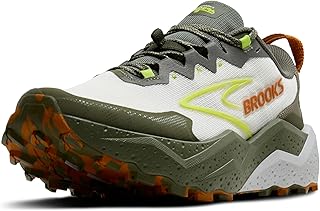
10. Men’s Caldera 8 Ultra Trail Running
The Men's Caldera 8 Ultra, like its women's counterpart, is built for distance and comfort. It features ample cushioning and a stable platform, making it a robust choice for winter trail running where protection and a smooth ride are paramount.
Why I picked it
The Men's Caldera 8 Ultra is a fantastic choice for men who prioritize comfort and protection during their winter trail runs. Its substantial cushioning absorbs impact well, and the stable design helps maintain balance on slippery surfaces. The water-resistant upper provides a good defense against light snow and slush.
Key specs
- Waterproofing: Water-resistant upper
- Outsole: Sticky rubber outsole
- Midsole: DNA LOFT v2
- Weight: 11.2 oz (men's size 9)
Real-world experience
On a cold, crisp morning run, the Caldera 8 Ultra delivered a supremely comfortable experience. The cushioning felt plush, absorbing the impact of each stride on hard, frozen ground. The outsole provided decent traction on packed snow and dirt, though I would be mindful on sheer ice.
It’s a shoe that makes long winter runs feel more manageable thanks to its protective and forgiving nature. If comfort is king for your winter adventures, this shoe is a top contender.
- ✔ Excellent cushioning for long-distance comfort in cold.
- ✔ Stable platform provides security on uneven winter trails.
- ✔ Water-resistant upper helps keep feet dry from light moisture.
- ✗ Traction is average and not ideal for icy surfaces.
- ✗ Lacks full waterproofing for deep snow or heavy slush.
- ✔ You prioritize maximum cushioning for long winter runs.
- ✔ You want a protective and stable shoe for varied trail conditions.
- ✔ You prefer a more substantial feel for added warmth and support.
- ✖ You need aggressive traction for icy trails or steep technical terrain.
- ✖ You prefer a lighter, more agile shoe for faster winter runs.
How I picked
When it comes to finding the right trail running shoes for snow, I focused on a few key areas that make a big difference in winter conditions. It's not just about having a shoe that looks tough; it needs to perform when things get cold and slippery.
First off, I looked for shoes with aggressive tread patterns. This means deeper, more widely spaced lugs designed to bite into snow and shed mud or slush. Think of it like good tires on a car; you need that grip to feel secure.
I paid attention to the lug depth and the overall shape of the outsole.
Then there's waterproofing and water resistance. Snow and slush mean wet feet, which is a fast track to discomfort and blisters. I prioritized shoes with GORE-TEX or similar waterproof membranes, but also considered water-resistant uppers that can handle lighter moisture.
The goal is to keep your feet as dry as possible.
Cushioning and stability are also crucial. Trails in winter can be uneven and hard-packed, so good shock absorption is a must. I also considered how stable the shoe felt, especially on descents or when navigating slippery patches.
A shoe that locks down your foot well provides more confidence.
Finally, durability and fit were important. Winter conditions can be harsh on footwear, so I looked for shoes that felt robust. And of course, the fit is everything.
Even the best shoe is useless if it doesn't feel right on your foot. I tried to consider shoes that offer a secure but comfortable fit, suitable for wearing with thicker winter socks.
What I didn't extensively test were extreme ice-climbing conditions or conditions requiring specialized winter cleats. My focus was on what most trail runners encounter: packed snow, slush, some icy patches, and cold temperatures. I evaluated each shoe on its ability to handle these common winter trail scenarios effectively.
Buying guide — what actually matters for best trail running shoes for snow
When you're gearing up for winter trail running, choosing the right footwear can make all the difference between a great run and a miserable, cold, and potentially dangerous experience. You're not just looking for a shoe that can handle a bit of mud; you need something built for the unique challenges of snow, ice, and cold.
Traction: The Foundation of Winter Grip
This is arguably the most critical feature for snow running. Shoes with aggressive, deep lugs are essential for biting into packed snow and providing stability on slick surfaces. Look for patterns that are widely spaced to shed snow and mud effectively, preventing ice buildup.
Some brands even offer options with integrated carbide studs for extreme ice grip, though for most general trail running, a well-designed lug pattern is sufficient. Think about the kind of terrain you'll be running on most often; if it's consistently icy, you might need something more specialized.
Waterproofing and Water Resistance: Keeping the Chill Out
Wet feet in cold weather are a recipe for disaster. Shoes with a waterproof membrane, like GORE-TEX, create a barrier against snowmelt, slush, and puddles, keeping your feet dry and warm. However, fully waterproof shoes can sometimes be less breathable, leading to sweat buildup on milder days.
Water-resistant uppers offer a compromise, providing some protection against light moisture while maintaining better breathability. Consider the typical winter conditions in your area and how long you'll be out on the trails.
Cushioning and Support: Comfort for the Long Haul
Winter runs often mean harder, more compacted surfaces. Ample cushioning helps absorb shock, reducing fatigue and protecting your joints over longer distances. Look for shoes with responsive midsoles that don't feel overly stiff in the cold.
A stable platform is also important, especially when navigating uneven or slippery terrain. A secure fit that locks your heel in place and prevents excessive foot movement will enhance both comfort and stability.
Fit and Warmth: The Personal Touch
Winter running often involves wearing thicker socks, so ensure the shoes have enough volume to accommodate them comfortably without feeling too tight. A snug midfoot lockdown is crucial for preventing heel slipping, but a roomy toe box can be beneficial for circulation in cold weather. Some shoes might offer slight insulation, which can add a bit of warmth without making the shoe overly bulky.
Ultimately, the best fit is one that feels secure and comfortable from the moment you put it on, especially when your feet are cold.
Durability: Standing Up to Winter's Wrath
Winter conditions can be tough on shoes. Look for durable outsole rubber that can withstand abrasion on varied surfaces and uppers made from robust materials that resist snags and tears. Reinforced toe caps and mudguards can also add to the shoe's longevity in harsh environments.
When you invest in a good pair of winter trail shoes, you want them to last through multiple seasons.
Frequently Asked Questions (FAQ)
Can I use my regular trail running shoes in the snow?
For very light, dry, packed snow, your regular trail running shoes might suffice if they have decent tread. However, if you're dealing with slush, deeper snow, or icy conditions, regular trail shoes will likely lack the necessary traction, waterproofing, and warmth, leading to discomfort and potential injury. Specialized winter trail shoes offer better grip, protection, and insulation for these conditions.
Do I need waterproof shoes for running in snow?
While not strictly mandatory for all snowy conditions, waterproof shoes are highly recommended for winter trail running. Snowmelt, slush, and puddles can quickly soak your feet, leading to cold and blisters. Shoes with waterproof membranes like GORE-TEX keep your feet dry, enhancing comfort and performance.
However, consider breathability needs; if you run in milder winter conditions or tend to overheat, water-resistant shoes might offer a better balance.
How do I choose the right size for winter trail running shoes?
It's generally a good idea to size up by about a half-size when buying winter trail running shoes, especially if you plan to wear thicker socks. Cold weather can cause your feet to swell slightly, and extra room prevents toes from feeling cramped or hitting the front of the shoe on descents. Ensure there's enough space for your toes to wiggle freely, which also aids circulation and warmth.
Trying shoes on with the type of socks you intend to wear is always the best approach.
How long do trail running shoes for snow typically last?
The lifespan of trail running shoes, especially those used in demanding winter conditions, varies depending on usage and the specific shoe's construction. Generally, you can expect them to last between 300 to 500 miles, or roughly 6 to 12 months of regular use. Winter conditions, such as salt, ice, and frequent wetness, can sometimes accelerate wear and tear.
Signs that it's time for replacement include worn-out tread, loss of cushioning, and visible damage to the upper or midsole.
Are studded trail running shoes worth it for icy conditions?
Studded trail running shoes, often called "ice spikes" or "cleats," are highly effective for running on sheer ice or very slippery, hard-packed snow where traditional lugs struggle. If your typical winter runs involve a significant amount of ice, these can provide a much-needed level of grip and safety. However, they can be uncomfortable and wear down quickly on dry pavement or hard-packed trails, so they are best suited for very specific, icy conditions.
Final verdict
For those braving the winter trails, the Men’s Cascadia 19 Mountain Trail Running shoe stands out as the top choice, offering exceptional grip, reliable waterproofing, and a comfortable, stable ride. If you're looking for a more budget-friendly option that still provides good performance for packed snow and less extreme conditions, the mens Excursion Tr15 is a solid contender.
Affiliate disclosure: This post contains affiliate links. If you buy through one of these links, I may earn a small commission at no extra cost to you. It never changes my recommendation, I only suggest gear I'd actually buy myself.