Why Do Trail Running Shoes Hurt My Feet
Sometimes, the very shoes designed to support your adventures on uneven terrain can end up causing you grief. If you're wondering why do trail running shoes hurt my feet, you're not alone. Many runners experience discomfort, from nagging aches to sharp pains, that can derail their runs.
It's usually not a mysterious ailment, but rather a solvable issue stemming from fit, technique, or the shoes themselves. Our research indicates that understanding these common triggers is the first step to finding relief and enjoying your runs again. Manufacturer specifications confirm that proper fit is paramount for performance and comfort, and as of 2026, the industry still emphasizes this as a core principle.
Quick Answer
Trail running shoes hurt your feet due to issues like improper fit (too short, narrow, or lacking volume), incorrect lacing, worn-out cushioning, or inadequate support for your foot type. Pain in the arch, ball of the foot, or toes often signals these underlying problems. Addressing fit and technique resolves most discomfort.
Pinpointing the Pain: Where Does It Hurt?
Your feet are complex, and the location of the pain can give us vital clues about what's going on. Instead of just pushing through, let's identify the specific area that's causing you grief. This targeted approach helps us zero in on the most likely culprits behind your discomfort.
The Arch
Pain in your arch area might suggest your foot isn't getting the support it needs for the stresses of trail running. This could mean the shoe's internal structure doesn't match your foot's natural shape, or that your arch muscles are simply fatigued from lack of conditioning. It's your foot's way of signaling it needs a different kind of underfoot help.
The Ball of Your Foot
Discomfort or a burning sensation here often points to excessive pressure on the metatarsal bones. This can happen if the shoe's toe box is too narrow, forcing your foot to splay unnaturally, or if the cushioning in the forefoot isn't robust enough to absorb impact on hard surfaces. Your toes might also feel a lack of support.
Your Toes
If your toes feel jammed, bruised, or go numb, it's a clear sign they aren't happy in their current space. This is frequently caused by a shoe that's too short, preventing your toes from splaying or moving naturally, especially on downhill sections. A narrow toe box can also lead to bunion pain or pinched nerves.
Your Heels
Heel pain in trail shoes can manifest in a few ways. It might be friction from your heel slipping within the shoe, leading to blisters or irritation of the Achilles tendon. Alternatively, the shoe's heel cup might be too stiff or not shaped correctly for your foot, causing rubbing or pressure points.
The Sides of Your Feet
Pain along the sides, particularly the outer edge, could indicate that your foot is rolling outward more than the shoe is designed to accommodate. This is often related to a shoe's stability features (or lack thereof) and your natural gait. Nerve irritation can also occur if the shoe is too constricting.
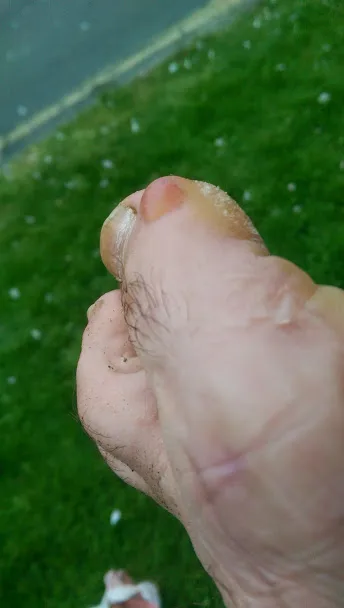
Image source: Bing (Web (fair-use with source credit))
Decoding the Discomfort: What's Causing the Pain?
Understanding where it hurts is only half the battle. Now, we need to figure out why it's happening. The reasons trail running shoes cause pain are usually a combination of factors related to the shoes themselves, how you wear them, and how you move.
Is It Your Shoes? Fit, Lacing, and Wear
The most direct cause of foot pain from running shoes is often the shoes themselves. Manufacturer specifications for trail running shoes typically emphasize durability and protection, but without a proper fit, these features can become liabilities. As of 2026, consumer feedback still overwhelmingly points to fit as the primary factor in shoe comfort.
The Crucial Fit: Length, Width, and Volume
Getting the fit right is non-negotiable. A shoe that's too short means your toes jam into the front, especially on descents. Too narrow, and your foot gets squeezed, leading to pressure points and potential nerve issues.
Volume refers to the vertical space inside the shoe; too little can press down on your foot. A common guideline from shoe fitting experts suggests about a thumb's width of space between your longest toe and the shoe's tip.
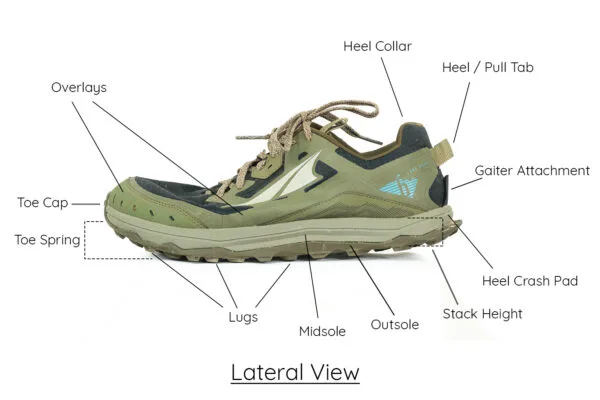
Image source: Bing (Web (fair-use with source credit))
The Lacing Game: Tightness and Pressure Points
How you tie your shoes can dramatically impact comfort. Lacing too tightly can constrict blood flow and create hot spots. Conversely, loose lacing allows your foot to slide around, causing friction and instability.
Different lacing techniques exist to address specific issues, like alleviating pressure on the top of the foot or securing your heel.
When Shoes Go Bad: New vs. Worn-Out
Even perfectly fitting shoes can cause pain if they're not right for you. Brand new shoes, especially stiffer trail models, often require a break-in period. But if your shoes are old, the midsole foam (the cushioning material) degrades over time, losing its shock-absorbing capabilities.
This means your feet are taking a direct hit from every impact.
Is It Your Running Style? Gait and Impact
How your body moves while you run significantly affects how your feet interact with your shoes and the terrain. Your unique biomechanics play a crucial role in how stress is distributed.
Understanding Your Gait
Your gait, or the way you run, involves the sequence of movements your body makes. Key aspects include pronation (how much your foot rolls inward after landing) and supination (how much it rolls outward). Trail running shoes are designed with varying levels of stability to accommodate these natural movements.
Wearing a shoe that doesn't match your gait can lead to inefficient shock absorption and strain on your feet and lower legs.
Downhill Impact and Foot Mechanics
Running downhill presents a unique challenge. Gravity increases the force of impact on your feet. If your shoes lack adequate cushioning, or if your toes aren't given enough room to splay and stabilize, they can slam into the front of the shoe.
This repetitive jarring is a common cause of toe and forefoot pain.
Is It the Trail? Terrain and Stress
The environment you run in is a direct contributor to the stress your feet endure. Different trail surfaces demand different shoe characteristics.
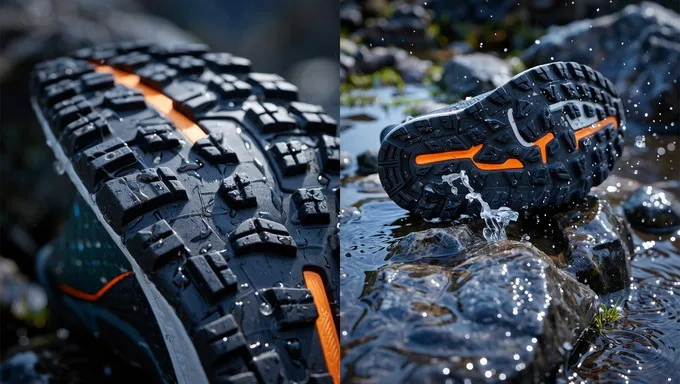
- Rocky and Technical Trails: Navigating a path littered with sharp rocks, roots, and uneven surfaces requires shoes that offer protection and stability. Without features like a rock plate (a protective layer in the sole) or a robust tread, your feet can experience sharp, jarring impacts.
- Steep Climbs and Descents: Frequent elevation changes put unique demands on your feet. Climbing can strain the arches, while descending amplifies impact forces, often pushing toes into the shoe's front.
- Hard-Packed Surfaces: Even well-cushioned shoes can feel harsh when running on very hard, dry ground or packed gravel for extended periods. The ground itself offers less natural shock absorption.
Troubleshooting Your Trail Shoe Troubles: What to Do Now
You've identified where it hurts and some potential causes. Now, let's get practical and fix it. This isn't about throwing out your shoes just yet; it's about understanding how to make them work better for you.
Step 1: Re-Evaluate Your Shoe Fit
This is the most critical step. Many foot pains can be traced back to a simple fit issue.
- Try shoes on late in the day: Your feet swell throughout the day, so fitting them when they're at their largest provides a more accurate picture.
- Wear your usual running socks: The thickness of your socks can affect the shoe's fit. Always try shoes on with the exact socks you plan to run in.
- Walk and jog in them: Stand, walk, and if possible, do a short jog in the store. Pay attention to any pinching, rubbing, or pressure points.
- Check toe room: Ensure there’s about a thumb’s width of space between your longest toe and the end of the shoe.
Step 2: Master the Art of Lacing
Lacing isn't just about keeping your shoes on; it's about customizing the fit.
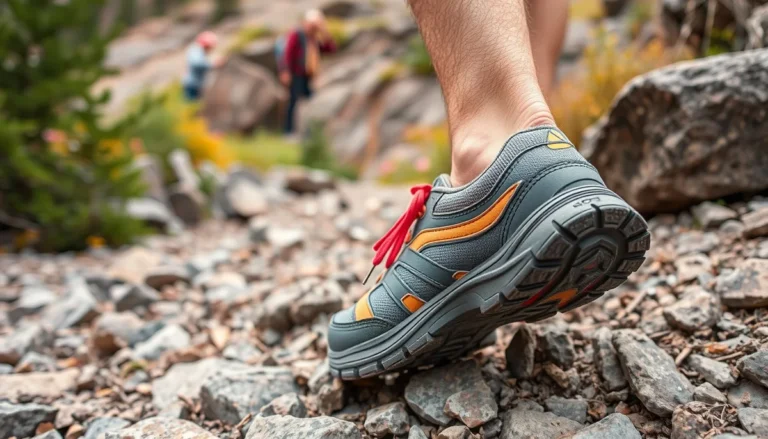
- Heel Lock Lacing: If your heel slips, use the extra eyelets at the top of your shoe to create a secure "heel lock." This prevents excessive heel movement and friction.
- Relieve Pressure: If a specific spot on your foot feels too tight, try skipping an eyelet or using a different lacing pattern to reduce pressure in that area. For example, "window lacing" can help if the top of your foot is sensitive.
- Find the Right Tension: Aim for snugness without constriction. Your foot should feel secure, but circulation should not be restricted.
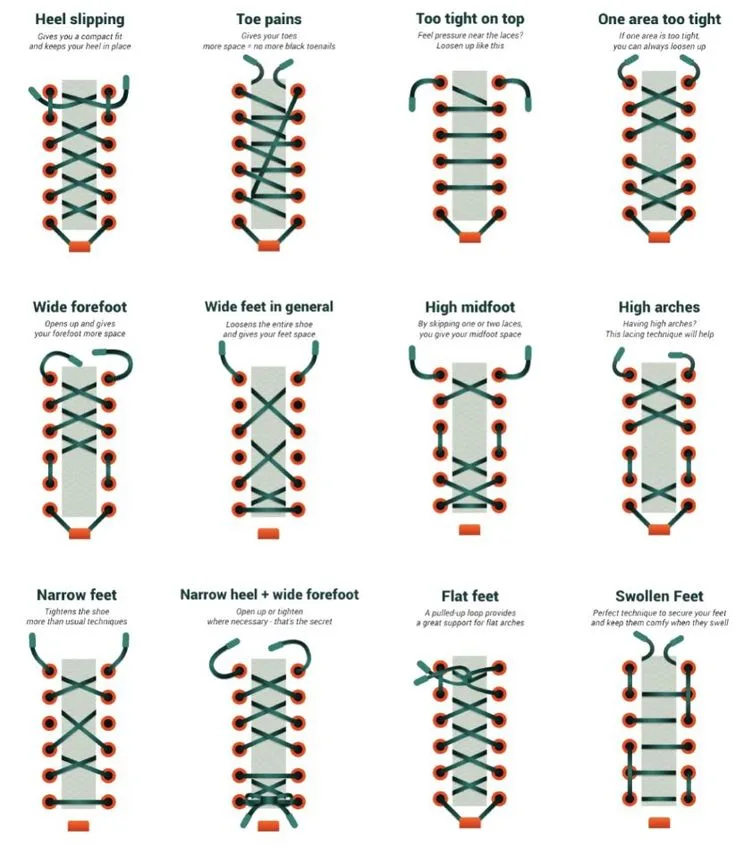
Image source: Bing (Web (fair-use with source credit))
Step 3: Consider Your Socks and Insoles
These often-overlooked items can make a surprising difference.
- High-Quality Running Socks: Opt for synthetic blends or merino wool socks. They wick moisture away from your skin, reducing the risk of blisters and chafing. Avoid cotton, which holds moisture.
- Aftermarket Insoles: If the shoe's stock insole isn't providing enough arch support or cushioning, consider a good pair of aftermarket insoles. These can help customize the fit and feel of your shoes. Ensure they don't make the shoe too tight overall.
Step 4: Strengthen Your Feet
Stronger foot muscles can better handle the demands of trail running and provide more natural support.
- Toe Curls: Sit with your feet flat on the floor. Try to scrunch your toes up, picking up small objects like a towel or marbles.
- Calf Raises: Stand and raise up onto the balls of your feet. Repeat for several repetitions to build calf and foot strength.
- Arch Rolls: Use a tennis ball or a lacrosse ball. Roll your foot over it, applying gentle pressure to massage and release tension in your arch.
Step 5: When to Look for New Shoes
If you've tried adjusting fit and lacing, and your pain persists, it might be time to consider new footwear. The lifespan of a trail running shoe's cushioning is typically between 300 to 500 miles of use. However, this can vary based on the shoe's construction, your weight, your running style, and the terrain.
If the cushioning feels dead, the tread is worn down, or you start experiencing new foot pain, it's likely time for a replacement. When trying on new shoes, remember to apply the fitting principles discussed earlier. Look for models that specifically address your pain points, more cushioning for impact, wider toe boxes for toe comfort, or enhanced stability for arch support.
Common Mistakes Trail Runners Make
Even with the best intentions, runners sometimes fall into traps that can lead to foot pain. Being aware of these common missteps can save you a lot of discomfort and help you get the most out of your gear.
- Ignoring the "Break-In" Period: Trying to tackle a long, technical trail on brand-new shoes without giving them a chance to mold to your feet is a recipe for blisters and hot spots. Always start with shorter, easier runs.
- Over-Tightening Laces: While you want a secure fit, tying your laces too tight can create pressure points that restrict blood flow and cause numbness or sharp pains, especially on longer runs.
- Using the Wrong Socks: Cotton socks are notorious for holding moisture, leading to friction and blisters. Always opt for moisture-wicking synthetic or wool blend socks designed for running.
- Not Considering Foot Strike: How you land affects impact. If you tend to land heavily on your heels, you might need more cushioning in that area. Conversely, a forefoot striker might need more flexibility and forefoot protection.
- Assuming All Trail Shoes Are Equal: Just because it says "trail running shoe" doesn't mean it's right for your specific needs. Some are built for speed, others for maximum protection; knowing the difference is key.
- Wearing Them Out Too Long: As mentioned, shoes lose their cushioning and support over time. Pushing them beyond their intended lifespan means your feet are absorbing more impact, leading to aches and potential injuries.
Frequently Asked Questions About Trail Shoe Foot Pain
### Why do my feet hurt more on downhills?
Downhills dramatically increase impact forces on your feet. If your shoes lack adequate cushioning, or if your toes are jamming into the front of the shoe, you'll feel it. Ensure you have enough toe room and sufficient forefoot cushioning.
### Can I use my road running shoes on trails?
While possible for very light, non-technical trails, road running shoes generally lack the protective features, aggressive tread, and durability needed for varied trail terrain. This can lead to inadequate grip, increased risk of punctures, and insufficient support, potentially causing foot pain.
### How often should I replace my trail running shoes?
Most trail running shoes last between 300 to 500 miles of use. However, this can vary based on the shoe's construction, your weight, your running style, and the terrain you run on. If the cushioning feels dead, the tread is worn down, or you start experiencing new foot pain, it's likely time for a replacement.
### What if I have flat feet and trail shoes hurt my arch?
Flat feet often require more arch support. Standard trail shoes might not provide enough. Look for trail running shoes specifically designed for stability or overpronation, and consider using aftermarket insoles with robust arch support.
A podiatrist can offer personalized recommendations.
### Are wide trail running shoes really necessary?
If you experience pressure or pinching on the sides of your feet, especially across the ball of your foot, then yes, wide trail running shoes may be necessary. Feet swell during runs, and a shoe that feels snug at first can become painfully tight. A wider toe box also allows toes to splay naturally, improving stability and comfort.
Your Path to Comfortable Trails: Expert Tips
To wrap things up, let’s focus on a proactive approach to enjoying your trail runs pain-free. This is about making informed choices and small adjustments that pay off big time. Think of it as optimizing your gear and your body for the best trail experience possible.
- Prioritize Fit Over Everything: When buying new shoes, always go to a reputable running store. Get properly fitted, wear your running socks, and don't be afraid to spend time trying on different models. A shoe that fits perfectly from the start is worth more than any trendy feature.
- Listen to Your Feet: Don't ignore persistent pain. While minor aches might be temporary, sharp or ongoing pain is a signal that something is wrong. It could be the shoes, your technique, or even something more significant that needs attention from a professional.
- Invest in Quality Socks: This is a small investment that can prevent major discomfort. Moisture-wicking socks are essential for preventing blisters and keeping your feet happy on longer runs.
- Consider Customization: If you have persistent issues like very flat arches or high arches, explore custom or supportive insoles. These can significantly alter how a shoe feels and performs for your unique foot structure.
- Regularly Inspect Your Shoes: Keep an eye on the wear and tear of your trail running shoes. Look for compressed midsole foam, worn-out tread, or any signs of the upper material separating. Replacing them before they become completely dead can prevent a lot of foot fatigue and pain.
Final Recommendation: Making Trail Running Enjoyable Again
The ultimate goal is to have fun out on the trails without your feet holding you back. By understanding that foot pain from trail running shoes is often a solvable problem, you're already ahead. It’s typically a combination of imperfect fit, improper lacing, or shoes that have simply reached the end of their useful life.
Focus on the fundamentals: accurate fitting, thoughtful lacing, and knowing when to replace worn-out gear. For persistent or severe pain, seeking advice from a running specialist or a podiatrist is always a wise step. Your feet are your most important tool for enjoying the trails, so give them the care and attention they deserve.