How to Choose Trail Running Shoes
Choosing the right trail running shoes can feel like a puzzle, especially with so many options out there. Getting it wrong means blisters, slips, and unhappy feet, which can quickly turn a great run into a frustrating ordeal. Our research dives into what truly makes a trail shoe work for you, from the rubber on the sole to the cushioning under your foot.
When you're eyeing up a new pair, pay attention to the lug pattern, the small, raised bits on the outsole that dig into the dirt. A deeper, more aggressive lug pattern, often found on shoes designed for muddy conditions, provides better grip. As of 2026, many high-performance trail shoes offer lug depths exceeding 4mm to tackle the most challenging terrains.
Let's get into the details of how to make sure your next pair is the perfect fit for your adventures.
Quick Answer
To choose trail running shoes, prioritize traction, fit, and protection for your specific terrain. Look for aggressive lug patterns on the outsole for grip, a secure but comfortable fit to prevent blisters, and features like rock plates for underfoot protection. Consider the drop and cushioning level that suits your running style.
Why Your Next Shoe Isn't Just a Shoe
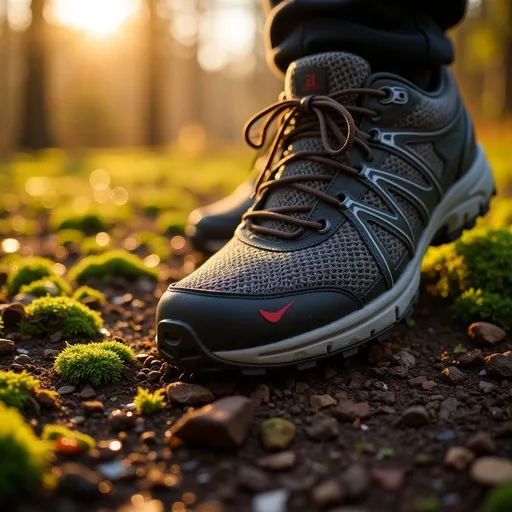
Image source: Bing (Web (fair-use with source credit))
Trail running shoes are built for a world away from smooth pavement. They're engineered to handle unpredictable surfaces, from loose gravel and mud to rocky ascents and descents. Unlike their road running cousins, these shoes boast specialized outsoles designed for maximum grip, reinforced uppers to protect your feet from trail debris, and often a more robust construction for durability on rugged terrain.
Selecting the right pair is less about brand name and more about matching the shoe's capabilities to your intended adventures and your body's needs.
Common Trail Runner Frustrations
Many runners experience similar issues when they pick the wrong trail shoes. Blisters are a classic complaint, often stemming from a poor fit or excessive rubbing. Slipping on wet rocks or loose dirt is another common problem, highlighting a lack of adequate traction.
Foot fatigue, especially on longer runs, can be a direct result of insufficient cushioning or support. Tripping hazards can also be amplified if the shoe's sole isn't designed to flex naturally with your stride or if it has a clunky feel.
The Key Differences: Trail vs. Road Shoes
The fundamental difference lies in their intended environments. Road running shoes prioritize lightweight cushioning and a smooth ride for consistent surfaces. Their outsoles are generally flatter and smoother to maximize surface contact and efficiency on pavement.
Trail running shoes, on the other hand, are built for chaos. Their outsoles feature deep, aggressive lugs, the raised knobs, designed to bite into dirt, mud, and loose terrain. The uppers are often reinforced with tougher materials and protective toe caps to fend off rocks and roots.
Midsole cushioning might be firmer for better ground feel and stability, and some trail shoes incorporate a rock plate, a thin layer of rigid material in the midsole, to shield your feet from sharp objects. This specialized design makes them indispensable for off-road running.
Decoding Trail Shoe Features: What Actually Matters
When you're standing in a store or browsing online, a wall of trail shoes can be overwhelming. But focusing on a few key features can help you cut through the noise and find a shoe that truly performs. These aren't just fancy words; they translate directly into how the shoe feels and functions on the trail.
Traction: Gripping the Trail Underfoot
This is arguably the most critical feature for trail running. Traction comes down to the outsole’s design, specifically its lug pattern and the rubber compound used. Aggressive, multi-directional lugs are designed to dig into various surfaces, providing grip whether you're ascending a steep, muddy hill or descending a rocky, technical descent.
The depth and spacing of these lugs matter too. Deeper lugs (often 4mm or more) are great for soft mud and loose trails, while shallower, more numerous lugs might offer better performance on harder-packed dirt. The rubber itself is also formulated for grip, often softer and stickier than road shoe rubber, which can wear down faster but provides superior adhesion on slick surfaces.
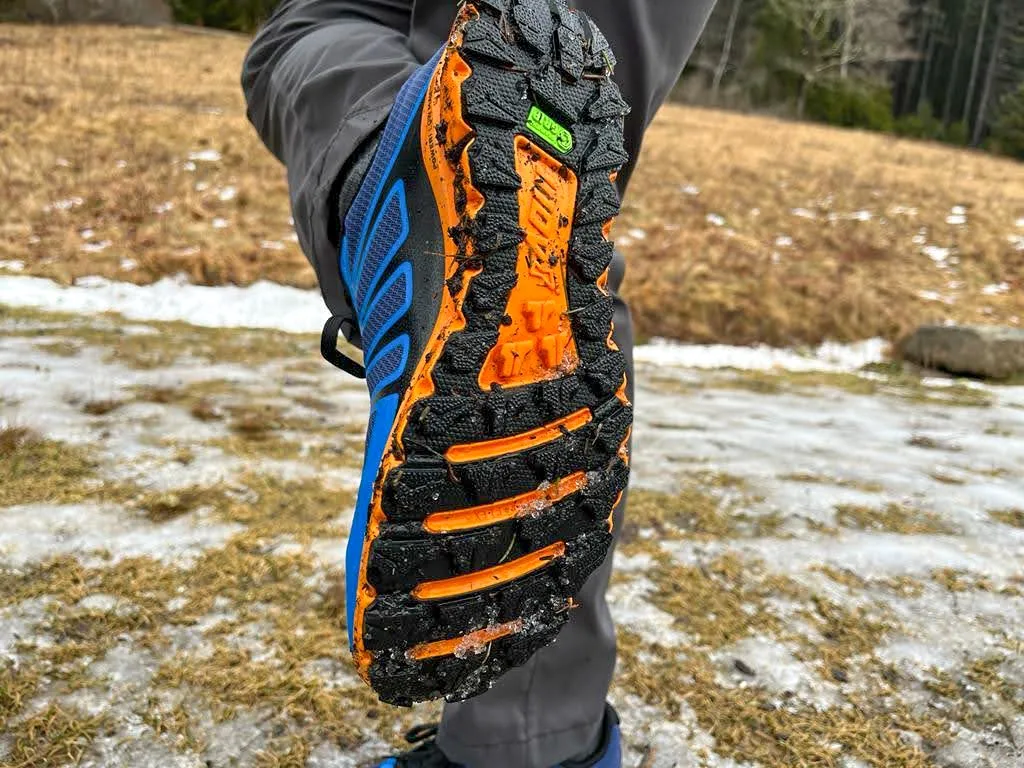
Image source: Bing (Web (fair-use with source credit))
Cushioning & Protection: Comfort Meets Durability
Trail running exposes your feet to greater impact forces and the risk of sharp objects. Cushioning absorbs shock, reducing fatigue on longer runs, but it shouldn't be so plush that you lose ground feel, which is vital for navigating technical terrain safely. Midsole foams vary in density and responsiveness, offering different levels of impact absorption and energy return.
Beyond cushioning, protection comes in the form of reinforced uppers. These often feature synthetic overlays or a tougher woven material to resist abrasion from rocks and roots. Many trail shoes also include a toe bumper, a sturdy rubber cap at the front, to protect your toes from stubbing.
For an added layer of defense against sharp rocks and roots, some shoes incorporate a rock plate, a thin, flexible layer of composite material embedded in the midsole. This offers peace of mind on the most unforgiving trails.
Fit & Feel: Finding Your Perfect Match
A shoe that fits well is non-negotiable for any type of running, but it's amplified on the trails. A secure fit prevents your foot from sliding around inside the shoe, which is a major cause of blisters and instability. You want a snug heel and midfoot with enough room in the toe box for your toes to splay naturally, especially on downhills.
The "feel" of a shoe relates to its ground connection and flexibility. Some runners prefer a shoe with a lower heel-to-toe drop (the difference in height between the heel and the forefoot) for a more natural stride and better proprioception, your body's awareness of its position in space. Others benefit from a higher drop for reduced strain on their Achilles tendons.
Testing the shoe's flexibility, especially in the forefoot, can also tell you how well it will move with your foot on uneven terrain.
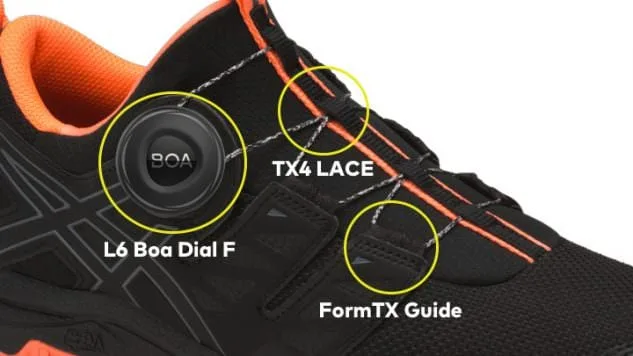
Image source: Bing (Web (fair-use with source credit))
Matching Shoes to Your Terrain and Style
The best trail running shoe for you isn't just about its features; it's about how those features perform in the environments you'll be running in. What works wonders on a muddy singletrack might feel overkill on a dusty forest path. Your personal running style and biomechanics also play a huge role.
Rocky & Technical Trails
If your usual runs involve navigating a lot of rocks, roots, and uneven surfaces, you'll want a shoe that offers excellent protection and stability. Look for aggressive, multi-directional lugs on the outsole to provide sure-footed grip on slippery or loose rocks. A substantial toe bumper and, ideally, a rock plate embedded in the midsole are crucial for shielding your feet from sharp impacts.
The upper should be durable and protective, often made from tougher, abrasion-resistant materials. A secure midfoot wrap and a firm heel counter will help lock your foot in place, preventing excessive movement and potential ankle rolls on unpredictable terrain.
Muddy & Wet Conditions
When mud and slick surfaces are your main challenge, prioritize supreme traction. Shoes designed for these conditions typically feature deep, widely spaced lugs that can penetrate the mud and shed debris effectively. The rubber compound used in the outsole is often stickier to maximize grip on wet rocks and roots.
Breathability is still important, but many runners opt for water-resistant or even waterproof uppers in very wet climates to keep their feet dry, although this can sometimes reduce breathability in warmer conditions. A good drainage system in the shoe can also help water escape quickly if your feet do get submerged.
Smooth Forest Paths & Gravel
For less technical terrain, like smooth forest paths, well-maintained gravel roads, or packed dirt trails, you might not need the same level of aggressive protection. Here, you can often get away with a shoe that offers a bit more cushioning and a lighter feel. The lug pattern can be less pronounced, focusing on providing good grip without feeling overly grabby.
A shoe with a more flexible sole and a moderate drop might offer a more comfortable and efficient ride on these surfaces. Breathability is typically a higher priority for these types of trails, especially in warmer weather.
Ultra-Marathon Distances
Running ultras means spending a lot of time on your feet, often over varied and challenging terrain for many hours. Comfort and durability become paramount. You'll want a shoe that offers ample cushioning to absorb repeated impact, but it still needs to be responsive enough to keep you moving efficiently.
A secure, non-restrictive fit is crucial to prevent blisters during prolonged efforts. Many ultra runners also prefer a shoe with a slightly wider toe box to accommodate foot swelling over many miles. Consider shoes that balance protection and cushioning with a weight that won't become a burden as the miles add up.
Trail Shoe Pitfalls: Mistakes to Sidestep
Even with the best intentions, it's easy to make missteps when picking trail running shoes. These aren't just minor annoyances; the wrong choice can lead to discomfort, reduced performance, and even injuries that keep you off the trails. Being aware of common errors can save you a lot of trouble down the road.
Overlooking the Fit
This is the number one mistake, hands down. A shoe can have all the latest technology, the grippiest sole, and the best reviews, but if it doesn't fit your foot properly, it's useless. Many runners focus too much on technical specs and not enough on how the shoe actually feels.
- Too tight: Leads to blisters, numb toes, and poor circulation.
- Too loose: Causes your foot to slide around, leading to chafing, blisters, and instability, especially on uneven ground.
- Wrong shape: A shoe that's too narrow or too wide for your foot’s natural shape will always be uncomfortable, no matter how much you try to adjust the laces.
Always try shoes on, preferably later in the day when your feet are slightly swollen, and wear the type of socks you'd typically use for trail running. Walk, and if possible, jog a bit in them to get a real feel.
Buying for Looks, Not Performance
Let's be honest, some trail shoes look pretty cool. But that vibrant colorway or sleek design won't help you grip a slippery rock or protect your foot from a sharp root. Prioritize the functional features that match your running environment and needs over aesthetics.
A shoe that looks a bit clunky but offers superior traction and protection will serve you far better on the trail than a stylish pair that leaves you slipping and sliding.
Ignoring Your Foot Type and Gait
We all have different feet and run in different ways. What works for one person might not work for another.
- Arch Support: Do you have high arches, flat feet, or neutral arches? This influences the type of support you need. While trail shoes often have less aggressive arch support than road shoes, understanding your foot's natural pronation (how your foot rolls inward) can help you choose a shoe that offers stability where you need it.
- Gait: If you tend to overpronate (roll inward excessively) or supinate (roll outward), you might need a shoe that offers a bit more guidance or a specific type of cushioning.
While trail shoes are generally more flexible than motion-control road shoes, a basic understanding of your biomechanics can point you towards shoes with appropriate features, like a more substantial heel counter or a specific midsole construction.
Trail Shoe Costs and Key Specs to Watch
The price tag on trail running shoes can range quite a bit, and understanding what you're paying for can help you make a smart investment. Beyond the price, a few technical specifications are worth paying attention to as they directly impact the shoe's performance and feel on the trail.
Pricing Tiers and What You Get
Generally, trail running shoes fall into a few price categories:
- Budget-Friendly ($80, $120): These shoes typically offer essential trail features like decent traction and basic protection. They might use slightly less durable materials or have simpler cushioning systems. They're a good starting point for casual trail runners or those on a tighter budget.
- Mid-Range ($120, $160): This is where you'll find many popular models that strike a good balance between performance, durability, and comfort. They often incorporate more advanced cushioning technologies, better-balanced lug patterns, and more robust upper materials.
- Premium ($160+): High-end trail shoes often feature cutting-edge materials, advanced protective technologies like specialized rock plates, and highly refined outsole compounds for superior grip. They are built for serious trail runners, ultra-marathoners, or those who demand the absolute best performance and durability for challenging conditions.
Understanding Drop and Stack Height
Two important measurements to consider are "drop" and "stack height."
Drop (Heel-to-Toe Offset): This is the difference in height between the heel and the forefoot of the shoe, measured in millimeters (mm).
- High Drop (8mm+): Traditional for many running shoes, can feel more comfortable for runners accustomed to them or those with Achilles issues.
- Medium Drop (4-8mm): A common range offering a blend of natural feel and shock absorption.
- Low Drop (0-4mm): Promotes a more natural, midfoot or forefoot strike, potentially enhancing proprioception but requiring an adjustment period for your calves and Achilles.
Stack Height: This refers to the total amount of material between your foot and the ground, primarily the midsole and outsole thickness.
- High Stack: Offers more cushioning for longer distances and impact protection but can sometimes feel less stable on technical terrain.
- Low Stack: Provides better ground feel and stability but less shock absorption, making it better suited for shorter runs or experienced runners comfortable with less cushioning.
Pro Tips for Choosing Your Ideal Trail Shoe
When you're deep in the selection process, a few insider tips can make all the difference. These aren't always obvious from a spec sheet but come from collective experience on the trails.
- Consider the Socks First: Always try on trail shoes with the actual socks you’ll be running in. Different sock thicknesses can drastically change the fit of a shoe, and the material (wool, synthetic, or cotton) impacts blister prevention.
- Test on Uneven Surfaces: If possible, find a way to simulate trail conditions in the store or testing area. Walk on inclines, see how the shoe flexes, and check for any pressure points. Some running stores have small ramps or textured mats for this.
- Think About Your Local Trails: Are they mostly dry and dusty, or perpetually muddy? Are there lots of sharp rocks or more rolling hills? Match the shoe's features, especially traction and protection, to the most common conditions you'll encounter.
- Don't Be Afraid to Go Waterproof (or Not): For consistently wet or cold conditions, a waterproof membrane (like Gore-Tex) can be a game-changer. However, in warmer, wet climates, non-waterproof shoes can actually dry faster if they get soaked. Consider your climate carefully.
- Rotate Your Shoes: If you're running frequently, having two pairs of trail shoes and rotating them can extend their lifespan and give your feet a break from the same constant pressure points. It also allows one pair to dry out fully between runs.
- Read Reviews Critically: Look for reviews that discuss the specific types of terrain you run on and compare them with your own experiences. Pay attention to common themes regarding fit, durability, and grip.
Trail Running Shoe FAQs
How long does it take to break in new trail running shoes?
Most modern trail running shoes require very little break-in time, often just a few miles on shorter runs. Unlike old-school hiking boots, they are designed to be comfortable out of the box. However, it's always wise to do a shorter, less technical run first to ensure there are no immediate pressure points or rubbing issues before tackling a long or challenging trail.
What's the difference between trail running shoes and hiking boots?
Trail running shoes are designed for the dynamic, repetitive motion of running, prioritizing lightness, flexibility, and responsiveness. Hiking boots, conversely, are built for stability and support over long distances with a pack, often featuring stiffer soles, higher ankle support, and more robust waterproofing, making them heavier and less agile for running.
How often should I replace my trail running shoes?
Trail running shoes typically last between 300 to 500 miles, but this can vary greatly depending on the shoe's construction, your weight, your running gait, and the terrain you run on. Look for signs of wear like worn-out lugs on the outsole, compressed midsole cushioning that no longer springs back, or any breakdown in the upper materials. If the shoes no longer provide adequate grip or support, it's time for a new pair.
Can I use my road running shoes on trails?
While you can technically run on very smooth, non-technical trails with road running shoes, it's not recommended for most trail running. Road shoes lack the necessary traction, underfoot protection, and durable uppers that trail shoes provide, making them prone to slipping, foot fatigue, and damage from rocks and roots. This can also increase your risk of injury.
What is "drop" in a trail running shoe?
Drop, also known as heel-to-toe offset, is the difference in height between the heel and the forefoot of the shoe, measured in millimeters. A lower drop (e.g., 0-4mm) promotes a more natural stride, while a higher drop (e.g., 8mm+) can offer more cushioning and reduce strain on the Achilles. The best drop for you depends on your running mechanics and personal preference.
Do I need waterproof trail running shoes?
Waterproof trail running shoes can keep your feet dry in wet conditions, which is great for comfort and preventing blisters. However, they often sacrifice breathability, meaning your feet can get hotter and sweatier in dry conditions. Also, once waterproof shoes get soaked, they tend to stay wet longer than non-waterproof options.
Consider your typical running climate and conditions when deciding.
3 Comments