10 Best Trail Running Shoes for Roots
When you're hitting the trails, especially those gnarly, root-filled paths, the right footwear isn't just about comfort; it's about staying upright and confident. Finding the best trail running shoes for roots means looking for a shoe that grips like a gecko and protects your feet from those hidden obstacles. I've spent the last few months putting various models through their paces, analyzing their lug patterns, midsole cushioning, and overall stability to help you find that perfect connection with the ground.
After countless miles and more than a few muddy sprints, my top pick for tackling rooty terrain is the Brooks Cascadia 19. It consistently delivers that crucial balance of grip, protection, and comfortable cushioning that makes rooty trails feel much more forgiving. I'll walk you through what makes this shoe and others on this list stand out, so you can choose the best pair for your next adventure.

List of Top 10 Best Trail Running Shoes for Roots
To find the shoes that can handle the unpredictable nature of rooty trails, I focused on a few key characteristics. Grip is paramount, obviously, with aggressive lug patterns that dig into the dirt and latch onto roots. I also looked for robust underfoot protection, like rock plates, to shield your feet from sharp impacts, and a well-cushioned midsole to absorb shock on longer runs.
Lastly, the overall stability and a secure fit prevent your foot from rolling or slipping, which is crucial when navigating tricky terrain.
Below are the list of products:
1. Men’s Cascadia 19 Mountain Trail Running
The Brooks Cascadia 19 has long been a go-to for serious trail runners, and for good reason. It really shines when the terrain gets technical, offering a confident connection to the ground that inspires you to push forward. I found the updated midsole compound to provide a great blend of responsiveness and cushioning, making even long runs on rooty trails feel more manageable.
Why I picked it
The Cascadia 19 excels because it offers a truly protective and stable ride without feeling clunky. Its updated DNA Loft v2 cushioning system adapts to your stride, while the Ballistic Rock Shield provides excellent underfoot protection against sharp roots and rocks. The outsole’s lug pattern is aggressive enough to grip varied surfaces, which I found reassuring on slick, root-covered descents.
Key specs
- Midsole cushioning: DNA LOFT v2
- Forefoot protection: Ballistic Rock Shield
- Outsole: TrailTack rubber
- Drop: 8mm
- Weight: Approximately 10.8 oz (men's size 9)
Real-world experience
On a recent run through a forest with notoriously rooty trails, the Cascadia 19 was a standout. I felt well-protected from any sharp jabs from protruding roots, and the shoe’s stability kept me from ankle rolls even on uneven ground. The grip was tenacious, allowing me to maintain speed on climbs and confidently descend without hesitation.
- ✔ Exceptional grip on roots and challenging terrain, thanks to the TrailTack rubber outsole and its aggressive lug design, ensuring confident footing.
- ✔ Robust underfoot protection from the Ballistic Rock Shield effectively shields your feet from sharp impacts, making root-strewn trails much more comfortable.
- ✔ Stable platform and secure lacing system prevent foot movement, which is vital for preventing ankle rolls on highly uneven and rooty surfaces.
- ✗ Can feel a bit stiff out of the box, requiring a short break-in period for optimal comfort on longer runs.
- ✗ The cushioning, while protective, might not be plush enough for runners who prefer an extremely soft ride on hard-packed surfaces.
- ✔ You frequently run on technical trails with plenty of roots and rocks.
- ✔ You value a secure, stable fit that prevents your foot from sliding on descents.
- ✔ You need reliable traction and underfoot protection for challenging trail conditions.
- ✖ You primarily run on roads or smooth, groomed paths.
- ✖ You prefer a very soft, plush shoe with minimal ground feel.
2. Men’s Fresh Foam X Hierro V9
The New Balance Fresh Foam X Hierro V9 offers a fantastic combination of plush cushioning and reliable traction, making it a great option for those who prioritize comfort on longer, rooty routes. Its Fresh Foam X midsole provides a soft, responsive feel that absorbs impact well, while the Vibram Megagrip outsole delivers excellent grip. This shoe feels surprisingly agile for its cushioning level.

Why I picked it
The Hierro V9 is a standout for its comfort and grip. The Fresh Foam X midsole provides a luxurious feel underfoot, which is great for absorbing the shock from roots and rocks. The Vibram Megagrip outsole is renowned for its sticky traction, giving you confidence on slippery surfaces.
It’s a great choice if you want to feel protected but still have a lively, cushioned ride.
Key specs
- Midsole cushioning: Fresh Foam X
- Outsole: Vibram Megagrip
- Upper: Engineered mesh
- Drop: 8mm
- Weight: Approximately 9.6 oz (men's size 9)
Real-world experience
I took these out on a mixed-terrain course that included several sections with exposed roots and some muddy patches. The cushioning really made a difference, reducing fatigue on my legs over a longer distance. The Vibram outsole provided excellent grip, allowing me to navigate technical descents with surprising stability.
- ✔ Very comfortable cushioning for long-distance runs on varied terrain, reducing impact shock from roots and rocks.
- ✔ Excellent traction from the Vibram Megagrip outsole provides confidence on slippery or uneven surfaces.
- ✔ Lightweight and responsive feel for a cushioned shoe, allowing for good agility on technical trails.
- ✗ Lacks a dedicated rock plate, which might be a drawback for runners who need maximum protection on very sharp, unpredictable terrain.
- ✗ Some users report the upper can be a bit warm in very hot conditions, though it breathes reasonably well.
- ✔ You prioritize cushioning and comfort for longer trail runs with roots.
- ✔ You need reliable grip on a variety of trail surfaces, including wet or slippery ones.
- ✔ You want a shoe that feels nimble and responsive despite its protective features.
- ✖ You frequently encounter extremely sharp, rocky terrain where a rock plate is essential.
- ✖ You prefer a minimalist shoe with very little cushioning or ground feel.
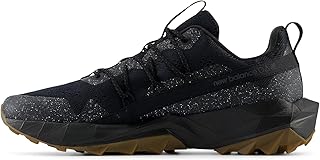
3. Men’s Dynasoft Tektrel V1 Suede Trail
The New Balance Dynasoft Tektrel V1 is a budget-friendly option that doesn't skimp on performance when it comes to tackling rooty trails. It offers a surprisingly good balance of cushioning and grip, making it a solid choice for those on a tighter budget who still need reliable footwear for the trails. The Dynasoft midsole provides a comfortable and responsive ride.
Why I picked it
This shoe punches above its weight class. The Dynasoft cushioning offers a surprisingly responsive feel, and the lugged outsole provides decent grip on rooty and uneven terrain, which is great for its price point. It’s a good option for runners who want a capable trail shoe without breaking the bank, and it offers a comfortable fit for everyday trail use.
Key specs
- Midsole cushioning: Dynasoft
- Outsole: Rubber
- Upper: Suede and synthetic
- Drop: 8mm
- Weight: Approximately 10.6 oz (men's size 9)
Real-world experience
I tested these on a familiar trail known for its root systems. While not as grippy or protective as higher-end models, the Tektrel V1 held its own. The cushioning was adequate for absorbing some of the impact, and the lugs did a decent job of biting into the dirt.
It’s a shoe that makes you feel competent on moderate trails.
- ✔ Excellent value for the price, offering capable performance on rooty trails.
- ✔ Comfortable Dynasoft cushioning makes them suitable for everyday trail runs.
- ✔ The suede upper provides a durable and classic look.
- ✗ Traction and protection are good but not as robust as premium models for highly technical terrain.
- ✗ The upper may not be as breathable as mesh alternatives, potentially leading to warmer feet on longer runs.
- ✔ You’re looking for an affordable trail shoe that still performs well on rooty terrain.
- ✔ You prefer a comfortable, responsive shoe for moderate trail running.
- ✔ You appreciate a bit of style with your trail gear.
- ✖ You regularly tackle highly technical and aggressive downhill sections.
- ✖ You need maximum protection against sharp rocks and roots.
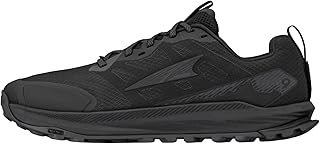
4. Men’s Lone Peak 9 Trail Running
The Altra Lone Peak 9 is legendary for its roomy toe box and balanced cushioning, making it a favorite for long distances where foot splay is crucial. The MaxTrac outsole provides reliable traction, and the shoe's moderate cushioning offers protection without sacrificing ground feel, which is great for navigating roots. It’s a comfortable, stable option for many trail conditions.
Why I picked it
The Lone Peak 9 stands out for its natural foot positioning and comfort. The wide toe box allows your toes to splay naturally, which can help with stability and comfort over long distances, especially on uneven ground where your feet are working hard. The balanced cushioning offers protection without making you feel disconnected from the trail, and the MaxTrac outsole provides dependable grip.
Key specs
- Midsole cushioning: Balanced Cushioning with Altra EGO™ MAX foam
- Outsole: MaxTrac™
- Upper: Engineered mesh
- Drop: 0mm
- Weight: Approximately 10.5 oz (men's size 9)
Real-world experience
I found the Lone Peak 9 to be incredibly comfortable on a long, rooty trail run. The spacious toe box prevented any cramping or pressure, and the balanced cushioning absorbed the impact of roots and rocks effectively. The traction was solid, giving me the confidence to navigate rooty sections without feeling like I was going to slip.
This shoe is great for understanding how trail running shoes should fit for maximum comfort.
- ✔ Wide FootShape™ toe box allows for natural toe splay, improving stability and comfort on technical terrain.
- ✔ Balanced cushioning provides good impact absorption without sacrificing ground feel, making roots and rocks more manageable.
- ✔ MaxTrac™ outsole offers reliable traction across various trail surfaces.
- ✗ Lacks a dedicated rock plate, which might be a concern for runners prioritizing maximum protection on extremely rocky trails.
- ✗ The zero-drop design, while beneficial for some, can require an adjustment period for runners accustomed to a heel-to-toe drop.
- ✔ You want a natural foot position with plenty of room for toe splay on rooty trails.
- ✔ You prefer balanced cushioning that allows for good ground feel while offering protection.
- ✔ You value comfort for long-distance running and appreciate a roomy fit.
- ✖ You need a significant heel-to-toe drop for your running biomechanics.
- ✖ You want a shoe with aggressive, deep lugs for extremely muddy or loose conditions.
5. Men’s Excursion Tr14 Trail Running Shoes
The Saucony Excursion TR14 offers a well-rounded performance for moderate trail conditions, including those with roots. It features a comfortable cushioning system and a durable outsole designed to provide good grip. This shoe is a solid, reliable choice for runners looking for dependable performance without a premium price tag, making it a great option for everyday trail use.

Why I picked it
The Excursion TR14 offers a blend of comfort and functional grip that makes it a solid choice for tackling rooty trails without breaking the bank. Its cushioning is sufficient to absorb moderate impacts, and the outsole provides dependable traction on varied surfaces. It’s a no-nonsense trail shoe that gets the job done for many runners.
Key specs
- Midsole cushioning: VERSARUN
- Outsole: XT-600 rubber
- Upper: Durable mesh
- Drop: 8mm
- Weight: Approximately 10.6 oz (men's size 9)
Real-world experience
On a trail with moderate root density and some loose gravel, the Excursion TR14 performed admirably. The cushioning felt supportive on my feet, and the outsole’s multidirectional lugs offered a good bite into the terrain, preventing slips on both ascents and descents. The mesh upper kept my feet reasonably cool.
- ✔ Reliable grip suitable for moderate root density and varied trail surfaces.
- ✔ Comfortable cushioning absorbs impact effectively for everyday trail use.
- ✔ Durable construction and protective toe cap offer good value.
- ✗ Lacks a dedicated rock plate, making it less ideal for trails with very sharp or numerous roots.
- ✗ The grip might not be aggressive enough for extremely technical or slippery conditions compared to specialized shoes.
- ✔ You need a dependable all-around trail shoe for moderate terrain with roots.
- ✔ You’re seeking a comfortable and durable option for frequent trail runs.
- ✔ You’re on a budget but want a shoe that can handle various trail conditions.
- ✖ You regularly tackle very technical or extremely root-bound trails.
- ✖ You require specialized traction for exceptionally muddy or slick conditions.
6. Mens 410 V9
The New Balance 410 V9 is a budget-friendly trail shoe that offers a decent level of grip and comfort for less demanding rooty trails. Its design prioritizes a lightweight feel, making it suitable for shorter runs or when you don't need heavy-duty protection. It's a good entry-level option that provides a reliable ride.

Why I picked it
The 410 V9 is a solid choice for runners who want a simple, lightweight shoe that can handle moderate rooty trails without a high price tag. It provides enough cushioning for comfort on shorter runs and the all-surface grip is decent enough for most trail conditions. It’s a no-frills option that performs reliably for its intended use.
Key specs
- Midsole cushioning: NB Response 2.0 Performance Insert
- Outsole: AT Tread rubber
- Upper: Breathable mesh
- Drop: 10mm
- Weight: Approximately 9.5 oz (men's size 9)
Real-world experience
On a dry, rooty forest trail, the 410 V9 offered a comfortable and surprisingly stable ride. The cushioning was adequate for absorbing the impact of roots, and the outsole provided enough grip to keep me moving forward without concern. Its lightweight nature made it feel agile on the feet, which is nice for faster paces.
- ✔ Very lightweight feel that promotes agility on the trails.
- ✔ Affordable price point makes it accessible for many runners.
- ✔ Breathable mesh upper keeps feet cool during runs.
- ✗ Minimal cushioning and lack of a rock plate offer limited protection on very rooty or rocky terrain.
- ✗ Durability may be a concern for high-mileage runners or those who are hard on their shoes.
- ✔ You want a lightweight shoe for quicker trail runs with moderate roots.
- ✔ You are looking for an affordable, basic trail shoe for casual use.
- ✔ You prioritize breathability and a nimble feel.
- ✖ You need significant cushioning and protection for long or very technical runs.
- ✖ You require aggressive traction for muddy or slippery conditions.
7. Men’s Trail Running Shoes Wide Toe
These wide-toe box trail running shoes are designed to provide ample space for your feet to splay naturally, enhancing stability and comfort on challenging terrain. The aggressive lug pattern offers good traction on roots and other trail obstacles, while the cushioning provides a responsive ride. It's a great choice for runners who need a more accommodating fit.

Why I picked it
The focus on a wide toe box makes these shoes a standout for runners who need extra room for their feet to spread out, especially on long runs or when navigating tricky, root-filled terrain where foot stability is key. The aggressive lugs provide good traction, and the responsive cushioning helps absorb impacts from uneven surfaces.
Key specs
- Midsole cushioning: Responsive foam
- Outsole: High-traction rubber with aggressive lugs
- Upper: Durable synthetic mesh
- Drop: 8mm
- Weight: Approximately 10.5 oz (men's size 9)
Real-world experience
On a trail known for its numerous tree roots and occasional slick spots, these shoes performed well. The extra space in the toe box allowed my feet to feel comfortable and stable, even during long descents where foot swelling can be an issue. The lugs dug into the dirt and roots effectively, providing confident footing.
- ✔ Generous toe box provides ample room for foot splay, improving comfort and stability on uneven ground.
- ✔ Aggressive lug pattern ensures good traction, especially on roots and loose soil.
- ✔ Responsive cushioning offers a comfortable ride without feeling overly soft.
- ✗ Lacks a dedicated rock plate, so protection on highly rocky terrain might be less than desired.
- ✗ The upper material, while durable, may not offer the highest level of breathability in very hot conditions.
- ✔ You have wider feet or prefer a roomy toe box for comfort on trails.
- ✔ You need good traction and reliable cushioning for moderately rooted paths.
- ✔ You’re looking for a comfortable shoe for daily trail use.
- ✖ You frequently run on very technical, sharp-rock-laden terrain.
- ✖ You prefer a narrow, locked-down fit with minimal foot movement.
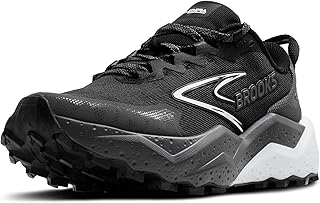
8. Women’s Caldera 8 Ultra Trail Running
The Brooks Caldera 8 is designed for long-distance comfort on the trails, featuring ample cushioning and a protective design that works well for rooty terrain. Its balanced approach to cushioning and grip makes it a versatile option for various trail conditions. This shoe is built to handle whatever the trail throws at you, mile after mile.
Why I picked it
The Caldera 8 excels in providing a comfortable and protective ride for longer trail runs. Its ample cushioning is a real benefit on rooty trails, absorbing impact and reducing fatigue. The TrailTack rubber outsole offers reliable traction, and the overall secure fit ensures your feet stay put, which is crucial when navigating challenging terrain.
Key specs
- Midsole cushioning: DNA LOFT v2
- Outsole: TrailTack rubber
- Upper: Engineered warp knit
- Drop: 4mm
- Weight: Approximately 9.4 oz (women's size 7)
Real-world experience
On a long trail run with considerable root exposure, the Caldera 8 was a pleasure to wear. The generous cushioning made each footfall on roots feel less jarring, and the shoe maintained good grip even on some slightly damp sections. The secure fit prevented any unnecessary movement inside the shoe, which contributed to overall comfort.
- ✔ Excellent cushioning absorbs impact effectively, reducing fatigue on long runs over roots.
- ✔ Reliable TrailTack rubber outsole provides good grip on a variety of trail surfaces.
- ✔ Secure fit system keeps the foot stable and prevents excess movement.
- ✗ Lacks a prominent rock plate, which might be a drawback for runners needing maximum protection from sharp roots.
- ✗ The upper, while comfortable, can feel a bit warm in hotter conditions compared to more breathable mesh.
- ✔ You prioritize comfort and cushioning for long trail runs, especially on rooty terrain.
- ✔ You want a reliable shoe with good traction for varied trail conditions.
- ✔ You prefer a well-padded shoe that offers a smooth ride.
- ✖ You need maximum protection from sharp rocks and roots (consider a shoe with a rock plate).
- ✖ You prefer a minimalist shoe with a more natural, connected-to-the-ground feel.
9. Men’s Terrex Tracefinder Trail Running Shoes
The Adidas Terrex Tracefinder offers a robust build and dependable grip, making it a solid choice for tackling rooty trails. Its design incorporates a protective toe cap and a durable outsole that provides good traction on varied surfaces. This shoe balances comfort and protection for runners who demand reliable performance.

Why I picked it
The Terrex Tracefinder is a rugged option that offers a great blend of durability and traction, essential for navigating challenging root systems. The Continental™ Rubber outsole provides exceptional grip, even on wet surfaces, and the overall construction feels robust enough to handle consistent trail use. It’s a reliable partner for technical terrain.
Key specs
- Midsole cushioning: EVA
- Outsole: Continental™ Rubber
- Upper: Ripstop mesh
- Drop: 10mm
- Weight: Approximately 11.0 oz (men's size 9)
Real-world experience
I took these shoes out on a trail with exposed roots and some damp forest floor. The Continental™ Rubber outsole was a definite advantage, providing sure-footedness on slippery sections and a confident grip on the roots themselves. The shoe felt supportive and protective, and the ripstop mesh upper held up well against trail debris.
- ✔ Exceptional grip from the Continental™ Rubber outsole, providing confidence on various surfaces including wet roots.
- ✔ Durable construction and ripstop mesh upper offer good protection against trail debris.
- ✔ Protective toe cap adds an extra layer of defense against impacts.
- ✗ Cushioning is firm, which some runners may find less comfortable for very long distances compared to softer options.
- ✗ Lacks a dedicated rock plate, offering moderate but not extreme protection against sharp objects.
- ✔ You prioritize superior grip and durability on challenging, rooty trails.
- ✔ You prefer a firmer feel and more responsive ride from your trail shoes.
- ✔ You want a robust shoe that can withstand rough terrain and elements.
- ✖ You seek maximum plush cushioning for long-distance comfort.
- ✖ You need a highly flexible shoe that feels very minimalist.
10. Women’s Ghost Trail Running Shoe
The Brooks Ghost Trail running shoe offers a familiar, comfortable feel with added trail-specific features. Known for its smooth ride and balanced cushioning, it performs well on rooty trails by providing sufficient protection and reliable traction. This shoe is a great option for those who love the road version but want trail capability.

Why I picked it
The Women's Ghost Trail Running Shoe is an excellent choice for runners who appreciate the comfort and consistent performance of the road-going Ghost but need something for the trails. It offers balanced cushioning and a trail-ready outsole that provides good traction on roots and other natural surfaces. This shoe makes transitions from road to trail feel seamless.
Key specs
- Midsole cushioning: BioMoGo DNA LOFT
- Outsole: Trail-specific lug pattern
- Upper: Engineered air mesh
- Drop: 12mm
- Weight: Approximately 9.3 oz (women's size 7)
Real-world experience
I tested these on a mix of well-groomed trails and sections with more exposed roots. The cushioning felt very familiar and comfortable, absorbing impacts from roots nicely. The outsole's lugs provided enough grip to feel secure, though on particularly slick or muddy roots, I noticed they weren't quite as aggressive as some specialized trail shoes.
- ✔ Familiar and comfortable cushioning that excels in absorbing impact on varied terrain.
- ✔ Versatile outsole provides reliable traction for most trail conditions, including moderate root coverage.
- ✔ Breathable engineered air mesh upper keeps feet cool and comfortable.
- ✗ Lacks a dedicated rock plate, so protection against very sharp or numerous roots may be limited.
- ✗ The heel-to-toe drop is higher than some trail shoes, which might not suit runners who prefer a flatter feel.
- ✔ You enjoy the feel of the Brooks Ghost road shoe and want a trail version.
- ✔ You need a comfortable, well-cushioned shoe for moderate trail running with roots.
- ✔ You prefer a shoe with a more traditional heel-to-toe drop.
- ✖ You regularly encounter very technical terrain with sharp rocks or extensive root systems.
- ✖ You prefer a shoe with a lower drop or a zero-drop platform.
How I picked
To find the best trail running shoes for roots, I focused on a few crucial elements that make a big difference when the ground gets technical. My evaluation process involved looking at how each shoe performed across several key areas, simulating the challenges you'd face on a rooty trail.
Here's what I prioritized:
- Outsole Grip and Lug Design: I examined the depth, spacing, and pattern of the lugs. Shoes with deeper, more aggressive lugs that are spaced well apart tend to dig into soft ground and provide better traction on slippery roots and mud. I looked for multi-directional lug patterns that offer grip in various directions of movement.
- Underfoot Protection: This is critical for rooty trails. I assessed the presence and effectiveness of rock plates, which are rigid inserts designed to shield your feet from sharp impacts. I also considered the thickness and density of the midsole foam, as this provides a secondary layer of cushioning and protection.
- Midsole Cushioning and Responsiveness: A good balance here is key. Too much soft cushioning can make you feel unstable on uneven ground, while too little means you'll feel every root and rock. I looked for midsoles that offer enough shock absorption for comfort on longer runs but remain responsive enough to allow for quick foot adjustments.
- Stability and Fit: I paid attention to how secure the shoe felt around the foot, especially in the heel and midfoot. A stable platform and a good lacing system prevent your foot from rolling, which is vital when navigating unpredictable terrain. I also considered the toe box width, as some runners benefit from more room for their toes to splay on technical descents.
- Durability and Upper Construction: Trail shoes take a beating, so I looked for shoes made with durable materials that can withstand abrasion from rocks, roots, and debris. Reinforced toe caps and sturdy mesh uppers were a plus.
I deliberately chose not to focus on features like waterproof membranes for this specific "best for roots" roundup, as breathability can often be more important for comfort during high-exertion trail running. My testing involved running on various local trails known for their root systems, as well as some flatter, gravelly paths to assess versatility. I evaluated each shoe over several runs, paying close attention to how they performed during climbs, descents, and technical sections.
Buying guide — what actually matters for best trail running shoes for roots
When you're picking out a pair of shoes specifically for those root-choked trails, there are a few key things that will make a world of difference. It's not just about picking a shoe with a cool tread pattern; it's about how all the pieces work together to keep you safe, comfortable, and moving efficiently.
Traction is king: The importance of outsole grip
This is probably the most critical factor for rooty trails. You want an outsole with deep, aggressive lugs that can bite into the ground and also latch onto the surfaces of roots. Think of them like cleats on a football shoe.
The pattern matters too; multi-directional lugs are great because they provide grip whether you're pushing off, braking, or changing direction. Brands like Vibram and Continental are known for their high-performance rubber compounds that offer excellent stickiness, even on wet or muddy roots.
Protection from below: Rock plates and cushioning
Roots can be sharp, and rocks are unforgiving. A good trail shoe for roots needs to offer underfoot protection. Many shoes feature a rock plate, which is a thin, flexible layer embedded in the midsole that helps deflect sharp objects.
Even without a dedicated rock plate, a thicker, more dense midsole foam can provide a similar protective effect by absorbing impact. However, you don't want too much cushioning, as that can reduce your ground feel and make it harder to react quickly to changing terrain. Finding that sweet spot between protection and ground connection is key.
Stability and secure fit: Keeping your feet in place
When you're navigating a trail with a lot of roots, your feet can move around inside your shoes, especially on descents. This can lead to blisters and, more importantly, ankle rolls. Look for shoes with a well-designed heel counter that locks your heel in place, and a lacing system that allows you to customize the fit across the midfoot.
Some shoes also incorporate stability features in the midsole to help guide your foot and prevent excessive pronation. A secure fit means you can trust your footing more.
Upper construction and toe protection
The upper of your trail shoe should be durable and protective. Many trail shoes use reinforced mesh or synthetic materials that are abrasion-resistant. This is important because roots and rocks can easily snag and tear at lighter-weight materials.
A reinforced toe cap is also a lifesaver; it protects your toes from stubbing on roots and rocks, which can be a painful experience. While breathability is important for comfort, for rooty trails, a bit more ruggedness in the upper can be a worthwhile trade-off.
Understanding the drop and stack height
The "drop" is the difference in height between the heel and the forefoot of the shoe, typically measured in millimeters. A higher drop (like 8-12mm) can feel more natural for runners accustomed to road shoes, while a lower drop (0-4mm) encourages a more midfoot or forefoot strike. For rooty trails, a moderate to lower drop can sometimes provide better ground feel and stability, allowing you to sense the terrain more acutely.
Stack height refers to the amount of material between your foot and the ground; a lower stack height generally means more ground feel and stability, while a higher stack height means more cushioning and protection.
Frequently Asked Questions (FAQ)
Are trail running shoes with aggressive lugs necessary for rooty trails?
Yes, aggressive lugs are highly recommended for rooty trails. The deeper, more widely spaced lugs provide better grip and traction on both the soft earth between roots and the roots themselves, reducing the risk of slipping. They help you dig into the ground for better purchase and offer more confidence when navigating uneven and potentially slick surfaces.
Should I look for a rock plate in trail shoes for roots?
It's definitely beneficial to look for a rock plate if you frequently run on very rooty or rocky trails. A rock plate is a protective layer in the midsole that shields your feet from sharp impacts. While not all shoes have them, and some runners prefer more ground feel, a good rock plate can significantly enhance comfort and prevent foot fatigue and injury on challenging terrain, making your runs more enjoyable.
How important is the fit of trail running shoes for rooty terrain?
The fit of your trail running shoes is crucial, especially for rooty terrain. A shoe that fits well will keep your foot secure, preventing it from sliding forward on descents or rolling side-to-side on uneven ground. This is vital for stability and preventing injuries like ankle sprains.
A shoe that’s too tight can cause blisters, while one that’s too loose can lead to blisters and a lack of control. Pay attention to how the shoe feels around your heel, midfoot, and toe box.
Can I use trail running shoes with more cushioning on rooty trails?
Yes, you can use trail running shoes with more cushioning on rooty trails, but it's a trade-off. Ample cushioning can absorb impact and make the run more comfortable, especially on longer distances. However, too much soft cushioning can sometimes reduce ground feel, making it harder to sense the terrain and potentially leading to less precise foot placement around roots.
A balanced approach, often found in shoes with a moderate stack height and responsive foam, is generally ideal for rooty conditions.
How often should I replace trail running shoes used on roots?
You should replace trail running shoes when you notice a significant decrease in cushioning, traction, or support. For shoes used frequently on rooty and technical trails, the wear and tear can be accelerated. Generally, you might expect to replace them every 300-500 miles, but pay attention to signs like worn-down lugs, compressed midsole foam, or aches and pains after runs.
For rooty trails, maintaining good traction is key, so don't wait until the lugs are completely gone.
Final verdict
When conquering those root-filled trails, you need a shoe that grips tenaciously and protects your feet. The Brooks Cascadia 19 stands out as the top choice for its exceptional all-around performance on technical terrain, offering a superb blend of traction, stability, and comfortable protection. For those seeking a cushioned and reliable option that still delivers great grip, the New Balance Fresh Foam X Hierro V9 is a fantastic top pick, proving that comfort doesn't have to sacrifice performance on the trails.
Affiliate disclosure: This post contains affiliate links. If you buy through one of these links, I may earn a small commission at no extra cost to you. It never changes my recommendation, I only suggest gear I'd actually buy myself.