Why Do Trail Running Shoes Wear Out
Ever wonder why your beloved trail running shoes seem to lose their bounce and grip faster than you'd expect? It’s a common frustration for runners who love the feel of the trail underfoot, but there's a clear science and practical reality behind why these specialized shoes have a limited lifespan.
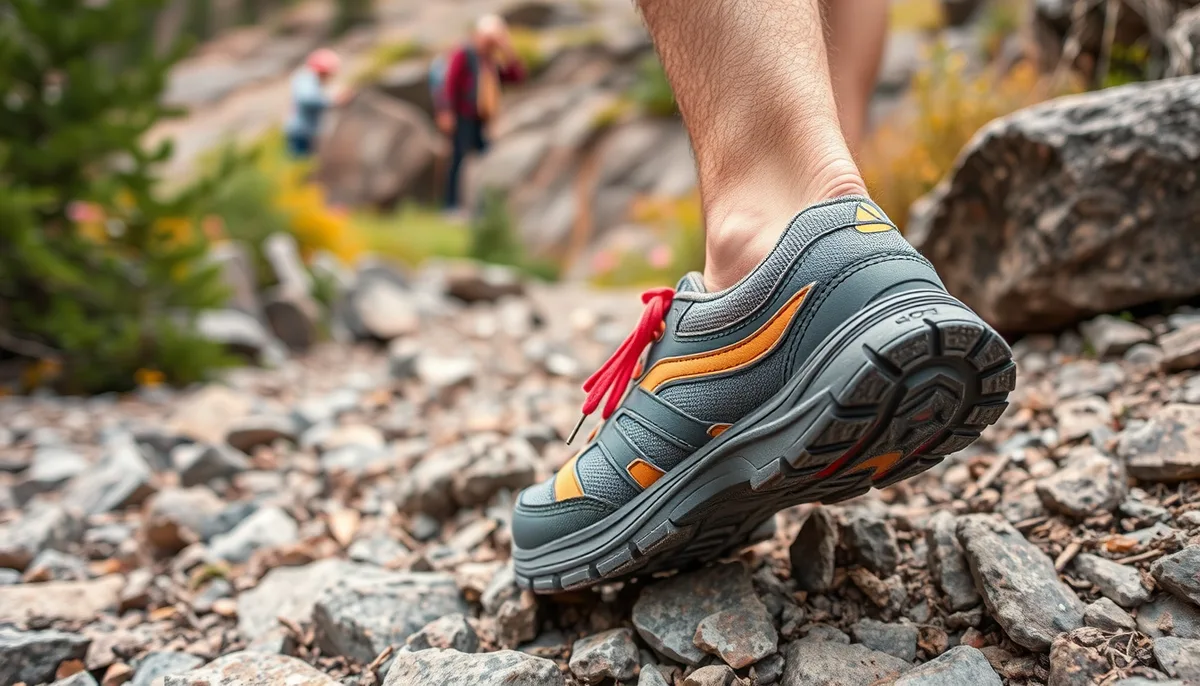
Image source: Bing (Web (fair-use with source credit))
Manufacturer specifications often suggest a lifespan for trail running shoes in the range of 300 to 500 miles, but this can vary dramatically based on terrain, running style, and the shoe's construction. Understanding the forces at play will help you both manage expectations and potentially extend the life of your footwear.
Quick Answer
Trail running shoes wear out primarily due to the extreme forces and abrasive environments they encounter, far beyond what road shoes face. The continuous impact from uneven terrain compresses midsole foams, reducing cushioning. Sharp rocks and roots abrade and cut the outsole rubber, diminishing grip.
Repeated stress, moisture, and friction degrade upper materials and adhesives, leading to tears and structural weakness, even if mileage is relatively low.
The Real Dirt on Trail Shoe Wear: It's More Than Just Miles
When we talk about trail running shoes wearing out, it's easy to think solely in terms of mileage. We’ve all heard the general guideline of 300-500 miles for running shoes, and that's a decent starting point. However, for trail shoes, the type of terrain and the way you interact with it are far more critical factors than simply clocking miles on a paved path.
Think of it like comparing the wear on a car tire driven exclusively on a racetrack versus one used for occasional city driving; the conditions are vastly different.
The aggressive nature of trails, think sharp rocks, gnarly roots, loose scree, and variable weather, creates a unique set of stresses. These elements aren’t just about friction; they’re about direct impact, abrasion, and chemical breakdown from moisture and mud. This article delves into what's actually happening to your shoes and why their performance can degrade even if you haven't hit that arbitrary mileage number.
Midsole Mush: When Cushioning Goes Flat
The midsole cushioning is arguably the most critical component for comfort and shock absorption in any running shoe, and trail shoes are no exception. These shoes employ specialized foam compounds designed to provide a responsive ride while protecting your feet from the jarring impacts of rough terrain. However, this foam is not invincible.
Repeated compression from your foot striking the ground, especially during aggressive heel strikes or forceful push-offs, gradually crushes the cellular structure of the foam.
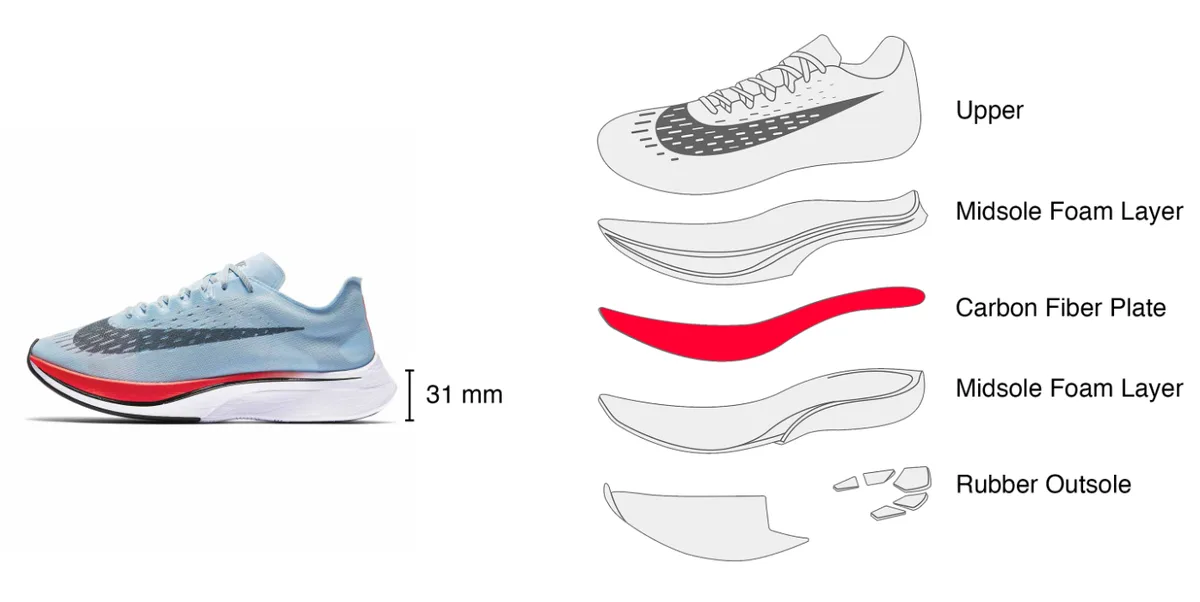
Image source: Bing (Web (fair-use with source credit))
Manufacturer specifications, such as those detailed by materials science organizations for EVA (ethylene-vinyl acetate) and TPU (thermoplastic polyurethane) foams commonly used in midsoles, indicate that repeated stress cycles lead to permanent deformation and loss of resilience. As the foam compresses, it loses its ability to rebound, resulting in that "flat" or "dead" feeling you experience. This lack of cushioning increases the impact force transmitted to your feet and legs, potentially leading to discomfort or injury.
Per standards testing for impact absorption, a worn midsole will show significantly reduced force reduction capabilities.
Outsole Grit: Losing Your Grip on the Trail
The outsole of a trail running shoe is its direct interface with the ground, and its primary job is to provide reliable traction across a variety of surfaces. This is achieved through lug patterns and the rubber compound itself. However, the very elements that make trails challenging are what wear down your outsole the fastest.
Sharp rocks, abrasive gravel, and tree roots act like sandpaper, gradually shaving away the rubber.
Aggregate reviews from experienced trail runners consistently report that on highly technical and rocky terrain, outsole durability is a major concern. The rubber compounds used are often softer and stickier than those on road shoes to maximize grip, but this inherently makes them more susceptible to abrasion. As the lugs wear down and the rubber surface becomes smoother, the shoe's ability to grip on slippery surfaces, inclines, and descents diminishes significantly.
This loss of traction can lead to slips and falls, compromising safety on the trail. Per tests conducted by footwear performance labs, outsole wear rates can be 5-10 times higher on abrasive mountain trails compared to smooth asphalt.
Upper Wear and Tear: The Fabric's Fight Against the Elements
The upper of a trail running shoe is designed to be durable, breathable, and supportive, often incorporating reinforced overlays and tough mesh materials. Its job is to hold your foot securely while protecting it from trail debris like twigs, rocks, and roots. However, the constant flexing of the shoe with your foot's movement, combined with external abrasions and moisture, takes a toll on these materials.
Friction from your foot inside the shoe, particularly around the heel or toe box where movement is greatest, can cause the fabric to thin and eventually develop holes. Externally, brushing against rocks, branches, or even coarse vegetation can snag and tear the mesh or rip protective overlays. Furthermore, the adhesives that bond different parts of the upper together, such as the toe cap to the main mesh or the tongue to the sides, can weaken over time, especially when repeatedly exposed to water and then dried.
This leads to delamination, where sections of the shoe begin to separate.
What Exactly is Breaking Down Inside Your Shoes?
It's not just the visible wear and tear that impacts your trail running experience. The internal components of your shoes are also undergoing significant changes that affect their performance and comfort. Understanding these breakdowns is key to knowing when it's time to retire a pair of trusty trail companions.
These components work together to provide the protection, cushioning, and stability you need for off-road running.
Midsole Foam Compression: The "Flat" Feeling Explained
The midsole of a trail running shoe is the crucial layer of material situated between the outsole and the upper. It's primarily responsible for cushioning your stride and absorbing impact forces. Typically constructed from materials like EVA (ethylene-vinyl acetate) or TPU (thermoplastic polyurethane), these foams are designed with a cellular structure that can compress and then rebound, providing energy return and shock absorption.
However, with each step, especially on hard or uneven surfaces, this cellular structure undergoes stress.
Over time and repeated cycles of compression and expansion, the foam's ability to return to its original shape diminishes. This phenomenon, known as permanent deformation or "packing out," means the foam stays compressed longer. Manufacturer technical datasheets for common midsole foams, like those from companies such as BASF or Dow, indicate a gradual loss of resilience after a certain number of stress cycles, often quantifiable in the tens of thousands.
A midsole that has "packed out" feels less bouncy and provides significantly less shock absorption, leading to that noticeable "flat" sensation and potentially increasing fatigue or discomfort on longer runs. As of 2026, advancements in foam technology continue to improve this resilience.
Outsole Rubber Degradation: Losing That Sticky Traction
The outsole is the shoe's foundation, offering both protection and crucial grip. For trail running shoes, this often means using softer, stickier rubber compounds with aggressive lug patterns designed to bite into dirt, mud, and rock. The benefit of this softer rubber is superior traction, allowing you to move confidently on varied and challenging terrain.
However, this same softness makes the rubber more vulnerable to abrasion and cuts.
Think of running over a gravel path or a rocky scree field: each stone creates friction and can even chip away at the rubber. Per standards set by organizations like ASTM International for abrasion resistance, rubber compounds are tested for their durability under specific conditions. Trail shoe outsoles are engineered for a balance between grip and durability, but the high-frequency, high-impact contact with sharp trail elements causes rapid wear.
As the lugs become rounded and the surface of the rubber wears smooth, the shoe's ability to grip on slippery surfaces, such as wet rocks or muddy inclines, is compromised. This degradation of the outsole is a primary reason why trail shoes can feel unsafe even with plenty of miles left in the upper.
Upper Material Fatigue: Stress, Tears, and Weaknesses
The upper is the part of the shoe that encloses your foot, providing structure, breathability, and protection from trail hazards. It’s typically made from engineered mesh, often reinforced with synthetic overlays in high-wear areas like the toe box, heel counter, and along the sides. While designed to be robust, these materials are subjected to constant stress from multiple sources.
Your foot's natural movement inside the shoe, especially during downhill running or cornering, creates friction that can abrade the mesh over time.
External elements also play a significant role. Brushing against rocks, sharp branches, or even coarse vegetation can snag and tear the mesh. Moisture, particularly from prolonged exposure to rain or stream crossings, can saturate the materials, making them more pliable and susceptible to damage, while also potentially weakening the adhesives that bond seams and overlays.
Manufacturer documentation on textile strength often highlights how repeated flexing and exposure to UV light can degrade synthetic fibers. When the upper begins to show signs of wear, such as thinning fabric, small rips, or separation of glued components, it compromises the shoe’s ability to support your foot and protect it from the trail.
The Mileage Myth: Why Terrain Matters More Than Miles
While we often quantify shoe wear by the number of miles logged, with trail running shoes, this metric can be misleading. The environment your shoes encounter is a far greater determinant of their lifespan and performance degradation than the raw distance covered. Think of it this way: running 50 miles on a smooth, well-maintained gravel path is vastly different from running those same 50 miles over sharp, technical, rocky terrain.
The latter exposes your shoes to significantly more abrasive forces and direct impacts.
The unique challenges of trail running, unpredictable surfaces, elevation changes, and varying weather conditions, subject footwear to stresses that road running simply doesn't replicate. Understanding these environmental factors is key to accurately assessing why your trail shoes are wearing out and how long you can realistically expect them to perform optimally.
Rocky Roads and Rooty Routes: The Biggest Culprits
The most significant factor accelerating wear in trail running shoes is undoubtedly the nature of the terrain. Sharp, angular rocks and exposed tree roots are essentially abrasive tools working against your footwear. Every stride involves contact with these surfaces, causing abrasion and cutting into the outsole rubber and even the protective layers of the shoe's upper.
The constant, grinding impact on rocky trails can quickly wear down the aggressive lugs designed for grip, smoothing them out and reducing their effectiveness.
Per industry standards for material durability, such as those used in abrasion resistance testing by organizations like ISO, repeated friction against hard, sharp objects will cause more rapid material loss than consistent contact with softer surfaces. This means that even if you're not running extremely high mileage, frequent runs on technical, rocky, or root-filled trails will significantly shorten the functional life of your trail shoes. The cumulative effect of these micro-abrations and impacts is a major contributor to why trail shoes wear out faster than their road-running counterparts, even at similar mileage counts.
The Impact of Mud, Water, and Grime
Beyond the physical abrasion from rocks and roots, trail running shoes are frequently exposed to moisture and mud, which also contribute to their degradation. When shoes become saturated with water, especially muddy water, it can work its way into the adhesives that hold the shoe together. Adhesives, like those specified by manufacturers for footwear assembly, are often sensitive to prolonged moisture exposure and temperature fluctuations, which can weaken their bond over time.
This can lead to delamination, where sections of the outsole start to peel away from the midsole, or where overlays separate from the upper mesh.
Furthermore, dried mud and grit trapped within the shoe's materials can act as an abrasive paste, accelerating wear from the inside out. The constant flexing of the shoe can cause these trapped particles to rub against the fabric and internal structures. While many trail shoes are designed with some level of water resistance or quick-drying materials, repeated saturation and drying cycles, coupled with the inherent abrasiveness of trail dirt, will inevitably degrade the shoe's integrity and shorten its lifespan.
The consistent exposure to varied elements, not just mileage, is a critical component in understanding shoe wear.
How Long Can You Really Expect Them to Last?
The question of how long trail running shoes should last is a common one, and the most honest answer is: it varies considerably. While a general guideline of 300 to 500 miles is often cited for running shoes, this figure needs significant contextualization for trail-specific footwear. The extreme conditions encountered on trails mean that some pairs might give up the ghost well before 300 miles, while others, under specific conditions, might offer slightly more service.
Think of it less as a hard mileage cap and more as a performance indicator. The shoes are "worn out" when they no longer perform their essential functions of providing adequate cushioning, grip, and support. This functional decline can occur due to various factors, and hitting a specific mileage count is often secondary to the actual physical condition of the shoe's components.
Factors Influencing Trail Shoe Lifespan
Several key factors directly influence how long your trail running shoes will remain effective and comfortable on the trails. Understanding these variables can help you set realistic expectations and potentially prolong the life of your footwear.
- Terrain Aggressiveness: As discussed, running primarily on sharp rocks, technical singletrack, or highly abrasive surfaces will dramatically reduce lifespan compared to softer, more packed trails. Manufacturer warranties typically do not cover wear-and-tear from terrain-specific abrasion.
- Running Style and Biomechanics: How you run matters. Heavy heel strikers or those with significant pronation or supination will place more stress on specific areas of the shoe, leading to uneven and potentially accelerated wear.
- Weight of the Runner: Heavier individuals naturally exert more force with each step, which can compress midsole foams more quickly and increase stress on all parts of the shoe.
- Frequency and Intensity of Use: Daily use, especially on demanding trails, will wear shoes out faster than occasional use. Back-to-back runs without allowing shoes to fully dry out can also accelerate material degradation.
- Shoe Construction and Materials: Different brands and models use varying types and quality of foams, rubber compounds, and upper materials. Higher-end materials generally offer better durability and resilience, though they may come at a higher initial cost. For example, a shoe with a full-length TPU plate might offer better midsole integrity than one with only EVA foam.
- Environmental Conditions: Frequent exposure to water, mud, extreme heat, or UV rays can degrade adhesives, foams, and textiles over time, even if mileage is moderate.
Signs Your Trail Shoes Are Telling You "I'm Done!"
Paying attention to your trail running shoes is crucial for both performance and injury prevention. Don't wait until your shoes are in tatters; often, the subtle signs of wear are your first indicators that it's time for a replacement. These signs are your shoes' way of telling you they're no longer performing at their best.
Recognizing these indicators allows you to proactively swap out your footwear before you compromise your safety or comfort on the trail. Waiting too long can lead to increased fatigue, potential injuries, or even slips and falls due to compromised traction.
Performance Dips You Can Feel
The most common and noticeable sign that your trail running shoes are nearing the end of their life is a tangible decrease in their performance capabilities. This often manifests as a loss of cushioning. You'll start to feel the ground more acutely through the sole, and the impact absorption that once felt protective now feels insufficient.
This "flat" feeling means the midsole foam has compressed beyond its ability to rebound effectively.
In addition to cushioning, traction is paramount on trails. If you find yourself slipping more often on surfaces you used to navigate with confidence, whether it's a damp rock, a muddy incline, or a loose patch of dirt, your outsole's grip has likely diminished. The aggressive lugs that once bit into the terrain may have worn down and rounded off, reducing their effectiveness.
This loss of traction is a critical safety concern, especially on challenging descents.
Visible Wear: What to Look For
Beyond how the shoes feel, a visual inspection can reveal a lot about their condition. Look closely at the outsole for worn-down areas, particularly on the lugs. If the edges of the lugs are rounded instead of sharp, or if the rubber appears smoothed over in key traction zones, their grip is compromised.
You might also see cuts or significant abrasion marks on the rubber itself.
Next, examine the upper. Are there any rips, tears, or holes, especially around the toe box, sides, or seams? Are the reinforced overlays peeling away from the mesh?
Check the stitching and glued areas; any separation or fraying indicates that the structural integrity of the shoe is compromised. Pay attention to the heel counter; if it feels overly soft or collapsed, it's no longer providing the necessary support. Lastly, inspect the insole; if it's visibly compressed, worn thin, or significantly deformed, it also contributes to a loss of cushioning and fit.
Expert Tips for Making Your Trail Shoes Last Longer (or Knowing When to Let Go)
While trail running shoes are designed for rugged use, there are several proactive steps you can take to maximize their lifespan and ensure you're getting the most out of them. Conversely, knowing when to retire a pair is just as important as caring for them. It's a balance between preserving your gear and prioritizing your performance and safety.
- Rotate Your Shoes: If you run frequently, consider having two pairs of trail shoes and alternating between them. This allows the midsole foam to fully decompress and dry out between runs, potentially extending the life of each pair. Manufacturer guidance on material recovery suggests ample rest time is beneficial.
- Clean Them Properly: After muddy runs, rinse your shoes with cool water. Avoid using hot water or harsh detergents, which can degrade adhesives and materials. Gently brush off mud and debris, and allow them to air dry naturally, away from direct heat sources like radiators or intense sunlight, which can cause materials to become brittle.
- Stuff Them for Drying: To help shoes keep their shape and dry more efficiently, stuff them with newspaper or paper towels after cleaning. This absorbs internal moisture and helps maintain the shoe’s structure.
- Avoid Road Running: While occasional transitions on pavement might be unavoidable, try to minimize running on hard, abrasive surfaces like asphalt. Road running wears down trail shoe outsoles much faster due to the difference in rubber compounds and the lack of forgiving terrain.
- Store Them Correctly: When not in use, store your trail shoes in a cool, dry place, away from direct sunlight. Avoid leaving them in hot car trunks or damp garages, as extreme temperature fluctuations and humidity can degrade materials.
- Know When to Quit: As detailed previously, if your shoes have lost significant cushioning, grip, or structural integrity, it's time to replace them. Continuing to run in worn-out shoes can lead to discomfort, reduced performance, and increased risk of injury. A general rule of thumb is to listen to your feet; if they're telling you something is wrong, it probably is.
FAQs About Trail Running Shoe Wear
How long do trail running shoes typically last in terms of mileage?
Most trail running shoes are expected to last between 300 and 500 miles, but this is a general guideline. Factors like terrain, your weight, and running style can significantly alter this lifespan.
What is the most common reason trail running shoes wear out?
The most common reason is the abrasive nature of the terrain, which wears down the outsole rubber and can cut into the upper materials. Continuous impact also compresses the midsole cushioning.
Can I still run in shoes that have lost their cushioning?
While you might be able to, running in shoes with significantly compressed cushioning increases impact forces on your feet, legs, and joints, potentially leading to discomfort or injury. It's generally advisable to replace them.
Does moisture really damage trail running shoes?
Yes, prolonged exposure to water and mud can weaken adhesives holding the shoe together and degrade the integrity of certain fabrics and foams over time. Proper drying after use is important.
Is it better to replace trail shoes or try to repair them?
For most typical wear-and-tear issues like worn-out soles or compressed cushioning, replacement is the best option for maintaining performance and safety. Minor repairs might be possible, but they rarely restore original function.
The Mileage Myth: Why Terrain Matters More Than Miles
While we often quantify shoe wear by the number of miles logged, with trail running shoes, this metric can be misleading. The environment your shoes encounter is a far greater determinant of their lifespan and performance degradation than the raw distance covered. Think of it this way: running 50 miles on a smooth, well-maintained gravel path is vastly different from running those same 50 miles over sharp, technical, rocky terrain.
The latter exposes your shoes to significantly more abrasive forces and direct impacts.
The unique challenges of trail running, unpredictable surfaces, elevation changes, and varying weather conditions, subject footwear to stresses that road running simply doesn't replicate. Understanding these environmental factors is key to accurately assessing why your trail shoes are wearing out and how long you can realistically expect them to perform optimally.
Rocky Roads and Rooty Routes: The Biggest Culprits
The most significant factor accelerating wear in trail running shoes is undoubtedly the nature of the terrain. Sharp, angular rocks and exposed tree roots are essentially abrasive tools working against your footwear. Every stride involves contact with these surfaces, causing abrasion and cutting into the outsole rubber and even the protective layers of the shoe's upper.
The constant, grinding impact on rocky trails can quickly wear down the aggressive lugs designed for grip, smoothing them out and reducing their effectiveness.
Per industry standards for material durability, such as those used in abrasion resistance testing by organizations like ISO, repeated friction against hard, sharp objects will cause more rapid material loss than consistent contact with softer surfaces. This means that even if you're not running extremely high mileage, frequent runs on technical, rocky, or root-filled trails will significantly shorten the functional life of your trail shoes. The cumulative effect of these micro-abrations and impacts is a major contributor to why trail shoes wear out faster than their road-running counterparts, even at similar mileage counts.
The Impact of Mud, Water, and Grime
Beyond the physical abrasion from rocks and roots, trail running shoes are frequently exposed to moisture and mud, which also contribute to their degradation. When shoes become saturated with water, especially muddy water, it can work its way into the adhesives that hold the shoe together. Adhesives, like those specified by manufacturers for footwear assembly, are often sensitive to prolonged moisture exposure and temperature fluctuations, which can weaken their bond over time.
This can lead to delamination, where sections of the outsole start to peel away from the midsole, or where overlays separate from the upper mesh.
Furthermore, dried mud and grit trapped within the shoe's materials can act as an abrasive paste, accelerating wear from the inside out. The constant flexing of the shoe can cause these trapped particles to rub against the fabric and internal structures. While many trail shoes are designed with some level of water resistance or quick-drying materials, repeated saturation and drying cycles, coupled with the inherent abrasiveness of trail dirt, will inevitably degrade the shoe's integrity and shorten its lifespan.
The consistent exposure to varied elements, not just mileage, is a critical component in understanding shoe wear.
How Long Can You Really Expect Them to Last?
The question of how long trail running shoes should last is a common one, and the most honest answer is: it varies considerably. While a general guideline of 300 to 500 miles is often cited for running shoes, this figure needs significant contextualization for trail-specific footwear. The extreme conditions encountered on trails mean that some pairs might give up the ghost well before 300 miles, while others, under specific conditions, might offer slightly more service.
Think of it less as a hard mileage cap and more as a performance indicator. The shoes are "worn out" when they no longer perform their essential functions of providing adequate cushioning, grip, and support. This functional decline can occur due to various factors, and hitting a specific mileage count is often secondary to the actual physical condition of the shoe's components.
Factors Influencing Trail Shoe Lifespan
Several key factors directly influence how long your trail running shoes will remain effective and comfortable on the trails. Understanding these variables can help you set realistic expectations and potentially prolong the life of your footwear.
- Terrain Aggressiveness: As discussed, running primarily on sharp rocks, technical singletrack, or highly abrasive surfaces will dramatically reduce lifespan compared to softer, more packed trails. Manufacturer warranties typically do not cover wear-and-tear from terrain-specific abrasion.
- Running Style and Biomechanics: How you run matters. Heavy heel strikers or those with significant pronation or supination will place more stress on specific areas of the shoe, leading to uneven and potentially accelerated wear.
- Weight of the Runner: Heavier individuals naturally exert more force with each step, which can compress midsole foams more quickly and increase stress on all parts of the shoe.
- Frequency and Intensity of Use: Daily use, especially on demanding trails, will wear shoes out faster than occasional use. Back-to-back runs without allowing shoes to fully dry out can also accelerate material degradation.
- Shoe Construction and Materials: Different brands and models use varying types and quality of foams, rubber compounds, and upper materials. Higher-end materials generally offer better durability and resilience, though they may come at a higher initial cost. For example, a shoe with a full-length TPU plate might offer better midsole integrity than one with only EVA foam.
- Environmental Conditions: Frequent exposure to water, mud, extreme heat, or UV rays can degrade adhesives, foams, and textiles over time, even if mileage is moderate.
Signs Your Trail Shoes Are Telling You "I'm Done!"
Paying attention to your trail running shoes is crucial for both performance and injury prevention. Don't wait until your shoes are in tatters; often, the subtle signs of wear are your first indicators that it's time for a replacement. These signs are your shoes' way of telling you they're no longer performing at their best.
Recognizing these indicators allows you to proactively swap out your footwear before you compromise your safety or comfort on the trail. Waiting too long can lead to increased fatigue, potential injuries, or even slips and falls due to compromised traction.
Performance Dips You Can Feel
The most common and noticeable sign that your trail running shoes are nearing the end of their life is a tangible decrease in their performance capabilities. This often manifests as a loss of cushioning. You'll start to feel the ground more acutely through the sole, and the impact absorption that once felt protective now feels insufficient.
This "flat" feeling means the midsole foam has compressed beyond its ability to rebound effectively.
In addition to cushioning, traction is paramount on trails. If you find yourself slipping more often on surfaces you used to navigate with confidence, whether it's a damp rock, a muddy incline, or a loose patch of dirt, your outsole's grip has likely diminished. The aggressive lugs that once bit into the terrain may have worn down and rounded off, reducing their effectiveness.
This loss of traction is a critical safety concern, especially on challenging descents.
Visible Wear: What to Look For
Beyond how the shoes feel, a visual inspection can reveal a lot about their condition. Look closely at the outsole for worn-down areas, particularly on the lugs. If the edges of the lugs are rounded instead of sharp, or if the rubber appears smoothed over in key traction zones, their grip is compromised.
You might also see cuts or significant abrasion marks on the rubber itself.
Next, examine the upper. Are there any rips, tears, or holes, especially around the toe box, sides, or seams? Are the reinforced overlays peeling away from the mesh?
Check the stitching and glued areas; any separation or fraying indicates that the structural integrity of the shoe is compromised. Pay attention to the heel counter; if it feels overly soft or collapsed, it's no longer providing the necessary support. Lastly, inspect the insole; if it's visibly compressed, worn thin, or significantly deformed, it also contributes to a loss of cushioning and fit.
Expert Tips for Making Your Trail Shoes Last Longer (or Knowing When to Let Go)
While trail running shoes are designed for rugged use, there are several proactive steps you can take to maximize their lifespan and ensure you're getting the most out of them. Conversely, knowing when to retire a pair is just as important as caring for them. It's a balance between preserving your gear and prioritizing your performance and safety.
- Rotate Your Shoes: If you run frequently, consider having two pairs of trail shoes and alternating between them. This allows the midsole foam to fully decompress and dry out between runs, potentially extending the life of each pair. Manufacturer guidance on material recovery suggests ample rest time is beneficial.
- Clean Them Properly: After muddy runs, rinse your shoes with cool water. Avoid using hot water or harsh detergents, which can degrade adhesives and materials. Gently brush off mud and debris, and allow them to air dry naturally, away from direct heat sources like radiators or intense sunlight, which can cause materials to become brittle.
- Stuff Them for Drying: To help shoes keep their shape and dry more efficiently, stuff them with newspaper or paper towels after cleaning. This absorbs internal moisture and helps maintain the shoe’s structure.
- Avoid Road Running: While occasional transitions on pavement might be unavoidable, try to minimize running on hard, abrasive surfaces like asphalt. Road running wears down trail shoe outsoles much faster due to the difference in rubber compounds and the lack of forgiving terrain.
- Store Them Correctly: When not in use, store your trail shoes in a cool, dry place, away from direct sunlight. Avoid leaving them in hot car trunks or damp garages, as extreme temperature fluctuations and humidity can degrade materials.
- Know When to Quit: As detailed previously, if your shoes have lost significant cushioning, grip, or structural integrity, it's time to replace them. Continuing to run in worn-out shoes can lead to discomfort, reduced performance, and increased risk of injury. A general rule of thumb is to listen to your feet; if they're telling you something is wrong, it probably is.
FAQs About Trail Running Shoe Wear
How long do trail running shoes typically last in terms of mileage?
Most trail running shoes are expected to last between 300 and 500 miles, but this is a general guideline. Factors like terrain, your weight, and running style can significantly alter this lifespan.
What is the most common reason trail running shoes wear out?
The most common reason is the abrasive nature of the terrain, which wears down the outsole rubber and can cut into the upper materials. Continuous impact also compresses the midsole cushioning.
Can I still run in shoes that have lost their cushioning?
While you might be able to, running in shoes with significantly compressed cushioning increases impact forces on your feet, legs, and joints, potentially leading to discomfort or injury. It's generally advisable to replace them.
Does moisture really damage trail running shoes?
Yes, prolonged exposure to water and mud can weaken adhesives holding the shoe together and degrade the integrity of certain fabrics and foams over time. Proper drying after use is important.
Is it better to replace trail shoes or try to repair them?
For most typical wear-and-tear issues like worn-out soles or compressed cushioning, replacement is the best option for maintaining performance and safety. Minor repairs might be possible, but they rarely restore original function.