Why Do Trail Running Shoes Cause Blisters
If you've ever ended a trail run with painful blisters, you know how frustrating it can be. The joy of conquering new terrain can quickly turn to misery when your skin starts to break down. But understanding why this happens is the first step to preventing it.
Our research shows that blisters on trail runs are primarily a result of friction, moisture, and improper fit. These factors combine to irritate your skin, especially when your feet are moving dynamically over uneven ground. Let's break down exactly what's going on.
Quick Answer
Trail running shoes cause blisters due to excessive friction between your foot, sock, and shoe. This friction often stems from poor shoe fit, moisture retention from inappropriate socks, and excessive foot movement on varied terrain. Addressing these core issues, ensuring proper fit, using moisture-wicking socks, and correct lacing, is key to preventing blisters.
The Friction Factor: Understanding How Blisters Form
At its heart, a blister is skin damage caused by repeated rubbing. Imagine your skin as layers. When there's constant, shearing force, that back-and-forth or up-and-down rubbing, the upper layers of your skin separate from the lower layers.
Then, fluid fills that space, creating the blister bubble.
On a trail run, this friction is amplified. You're not just running on a smooth surface; you're constantly adjusting your stride for roots, rocks, and inclines. This means your foot slides and shifts inside the shoe more than it would on a road.
If your socks aren't helping manage moisture, or if your shoes aren't holding your foot securely, that friction intensifies.
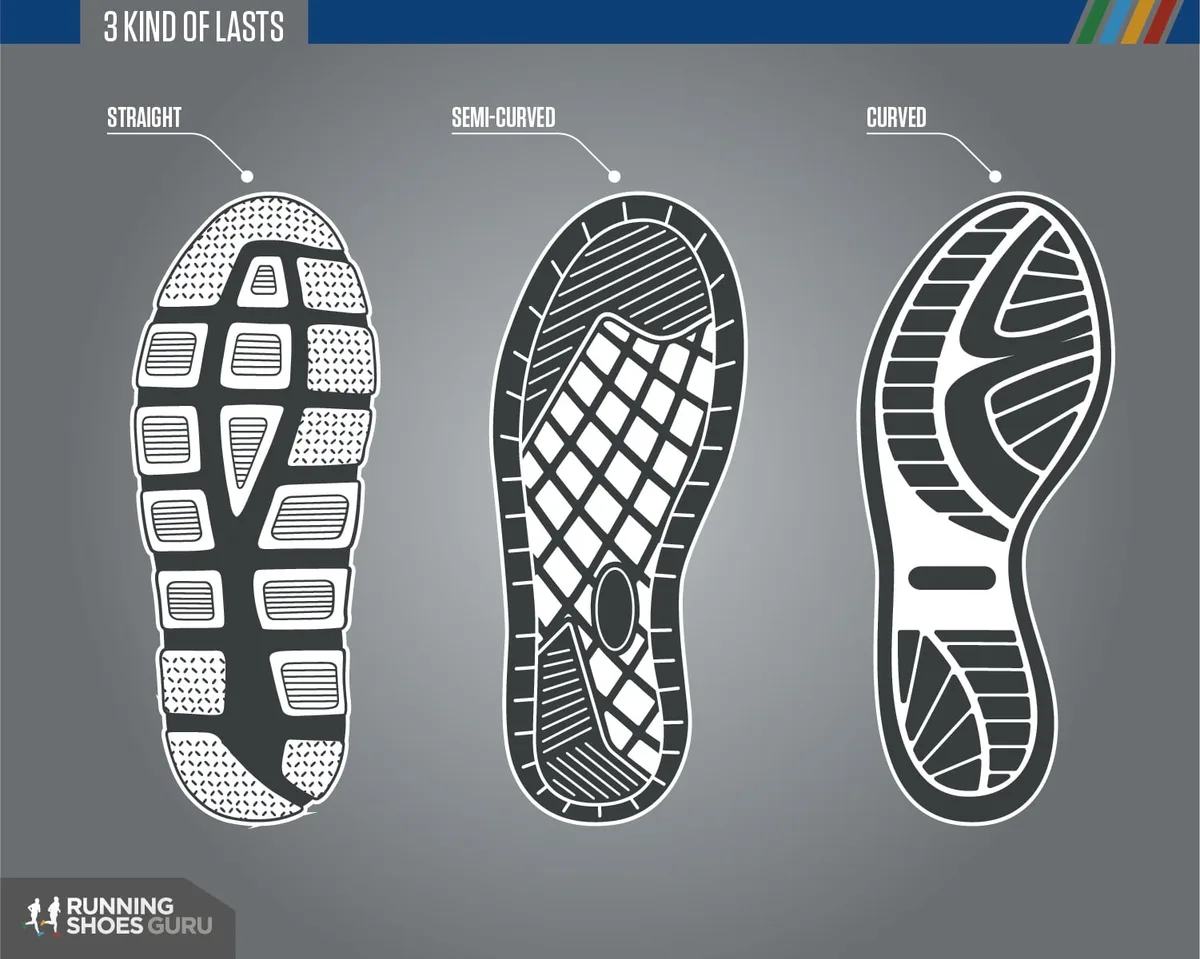
Image source: Bing (Web (fair-use with source credit))
This repeated stress breaks down skin proteins and damages cells, triggering the body's defense mechanism: a fluid-filled sac. This fluid acts as a natural cushion, protecting the damaged area while new skin grows underneath. The goal, of course, is to avoid this damage altogether.
It's All in the Fit: Shoe Size and Your Feet
Getting the right shoe size is arguably the most critical factor in preventing blisters. It sounds simple, but many runners overlook this. Too much space in a shoe means your foot can slide forward on descents or sideways on uneven terrain.
Too little space, and your toes might constantly bang against the front of the shoe, leading to bruised nails or rubbing.
Manufacturer specifications for trail running shoes typically advise a thumb's width of space between your longest toe and the end of the shoe. This is to accommodate foot swell during a run and to prevent toe-jamming on downhills. For example, per the general guidelines from organizations like the American Podiatric Medical Association (APMA), ensuring adequate toe box volume is crucial for foot health and comfort.
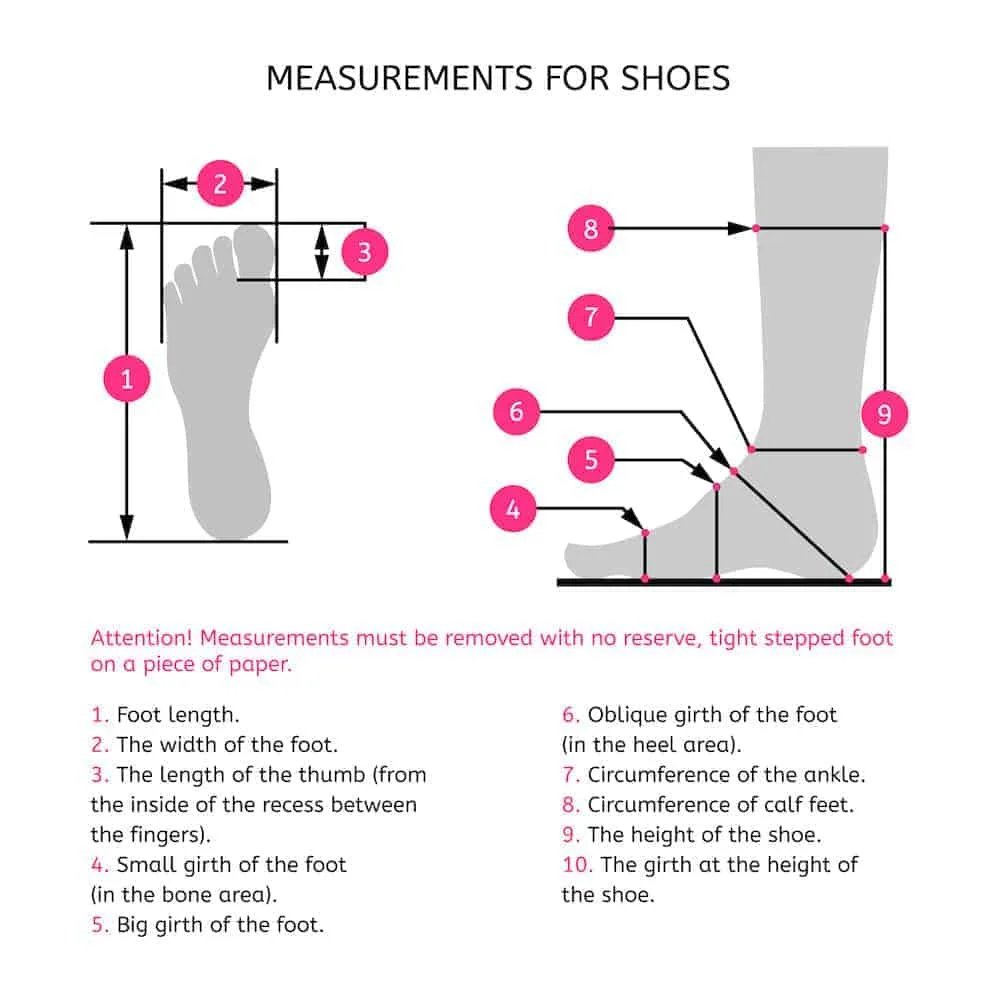
Image source: Bing (Web (fair-use with source credit))
How to Assess Your Trail Shoe Fit
- Check Toe Room: Stand up and ensure you can wiggle your toes freely. When the shoe is tied, your longest toe should not touch the front.
- Heel Lock: Walk and jog in the shoes. Your heel should feel secure and not lift excessively with each stride. A lot of heel slippage is a recipe for Achilles irritation and blisters.
- Midfoot Snugness: The shoe should feel snug and supportive around the midfoot, without feeling tight or constricting.
- Width: Ensure the shoe isn't too narrow or too wide for your foot. Your foot shouldn't be spilling over the sides or feeling squashed.
If a shoe feels too big, you'll likely slide. If it feels too small, you'll get pressure points and blisters where your toes or foot edges rub.
Sock Secrets: The Unsung Heroes of Blister Prevention
Your socks are your first line of defense against friction, and choosing the right ones can make or break your run. The biggest mistake most people make is wearing cotton socks. Cotton absorbs moisture like a sponge and holds it against your skin.
Wet skin is significantly more vulnerable to friction and blisters.
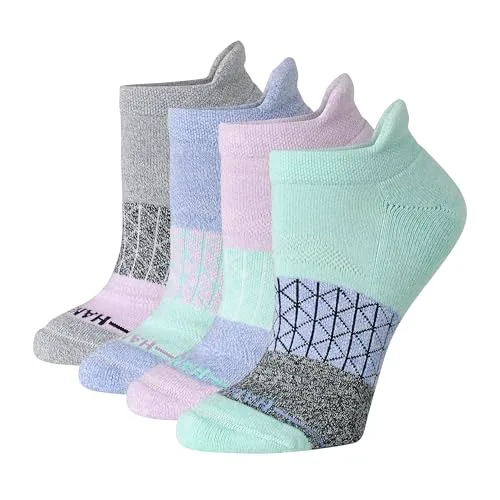
Image source: Bing (Web (fair-use with source credit))
Instead, look for socks made from synthetic materials like polyester, nylon, or acrylic, or those blended with merino wool. These materials are designed to wick moisture away from your skin, moving it to the outer layers of the sock where it can evaporate. This keeps your feet drier and your skin healthier.
Key Sock Attributes
- Material: Synthetics (polyester, nylon) or merino wool blends are best. Avoid cotton.
- Cushioning: Some socks offer targeted cushioning in high-impact areas, which can help absorb shock and reduce friction.
- Fit: Socks should fit snugly without bunching up or creating loose areas where wrinkles can form and rub.
Some runners even opt for a double-layer sock system. In this setup, the idea is that the two sock layers rub against each other rather than your skin, further reducing direct friction. This strategy, combined with the right shoe fit, can be highly effective.
Lacing Up Right: Avoiding Pressure Points and Movement
How you lace your trail running shoes can dramatically affect comfort and blister prevention. It's not just about tying them; it's about securing your foot properly within the shoe to minimize unwanted movement. Improper lacing can lead to your foot sliding forward on descents or too much pressure on specific points of your foot.
A common issue is heel slippage, which often happens on downhills. If your heel isn't locked down, it can rub against the back of the shoe, creating friction. Conversely, over-tightening laces in one area can create pressure points that lead to blisters or discomfort.
Common Lacing Adjustments
- Runner's Knot (Heel Lock): This technique uses the extra eyelets at the top of the shoe to create a secure heel lock, preventing slippage. You create a loop on each side, cross them over, and tie them.
- Window Lacing: This involves skipping an eyelet to relieve pressure on the top of the foot, which can be helpful if you have high arches or feel pressure there.
- Other Patterns: Numerous specialized lacing techniques exist for addressing specific fit issues, such as wide forefeet or narrow heels. Many running shoe manufacturers provide guides for these techniques on their websites.
Experimenting with lacing is key. What works for one person might not work for another, as foot shape and pronation vary.
Tackling Hot Spots: Immediate Fixes and Prevention Strategies
Sometimes, despite your best efforts, you'll feel that tell-tale burning or rubbing sensation, a "hot spot." This is your skin's early warning system for an impending blister. The most crucial thing you can do is heed this warning immediately. Stopping to address a hot spot early is far better than running through it and ending up with a full-blown blister.
If you feel a hot spot developing, stop running as soon as it's safe to do so. Take off your shoe and sock. Assess the area, is it red?
Does it feel warm?
How to Treat a Developing Hot Spot
- Apply Protection: Cover the hot spot with a piece of athletic tape, moleskin, or a specialized blister bandage. Ensure the tape is smooth and adheres well to the skin, extending slightly beyond the affected area. This creates a protective barrier, reducing further friction.
- Check Your Gear: While you’re stopped, quickly check your shoe’s lacing and your sock. Is anything bunched up? Is the lacing too loose or too tight in that area? Adjust as needed before continuing.
- Reduce Friction: If possible, try to adjust your running form slightly to reduce pressure on that specific spot for the rest of your run.
Proactive measures can also help. If you know certain areas of your feet are prone to blisters, apply tape or protective padding to those spots before you even start your run. This is a common strategy for ultra-runners and those tackling very long or challenging trails.
Trail-Specific Challenges: Descents, Wet Weather, and More
The trail environment throws unique challenges at your feet compared to road running. Steep downhill sections are a prime culprit for blisters because gravity pulls your toes forward into the front of your shoe. This constant impact and jamming can cause friction, especially if your shoes aren't laced tightly enough to secure your heel.
Wet conditions also play a significant role. Soggy feet are softer and more prone to friction damage. Whether it's from stream crossings, puddles, or rain, excess moisture compromises your skin's integrity.
This makes it easier for friction to break down the skin layers.
Navigating Trail Hazards
- Downhills: Ensure your shoes are snug, particularly around the heel. Consider shoes with aggressive lugs or a more rockered sole that can help manage descents.
- Wet Crossings: If you know you’ll encounter water, wear your moisture-wicking socks and be prepared to stop and dry your feet if possible. Some trail shoes are designed with drainage systems to help water escape quickly.
FAQ: Your Blister-Related Trail Running Questions Answered
Why do my toes get blisters when I run downhill?
Downhill running forces your toes forward into the front of your shoe, causing them to jam against the toe box. If your shoes aren't fitted correctly or laced to secure your heel, this forward momentum creates friction and pressure, leading to blisters on the toes or under the toenails.
What's the best sock material to prevent blisters?
The best sock materials for preventing blisters are synthetic blends (like polyester and nylon) or merino wool. These materials excel at wicking moisture away from your skin, keeping your feet drier. Cotton socks should be avoided because they absorb and hold moisture, softening your skin and increasing susceptibility to friction.
Can I run with a hot spot to prevent it from becoming a blister?
While some runners try to push through hot spots, it's generally not recommended. A hot spot is your skin's signal that friction is damaging it. Stopping to apply protective tape or a blister bandage at the first sign of a hot spot is a much more effective strategy for preventing a full blister from forming.
How often should I replace my trail running shoes?
Trail running shoes typically last between 300 to 500 miles, though this can vary based on terrain, your weight, and the shoe's construction. Worn-out cushioning and tread can lead to less support and increased foot movement, potentially contributing to blisters. Regular inspection of your shoes for signs of wear is advised.
Are there specific types of trail running shoes that cause more blisters?
While any shoe can cause blisters if ill-fitting, shoes with less secure heel counters or overly flexible uppers might contribute more to foot movement and friction. Conversely, shoes with a robust lacing system and a well-designed heel cup can offer better foot lockdown and reduce blister-causing slippage.