Why Are My Trail Running Shoes Slippery
So, you're out on the trail, feeling good, when suddenly your feet start sliding around. It's frustrating, right? And honestly, a bit dangerous.
We've all been there, wondering, "What's going on here? My shoes are supposed to grip!"
The good news is, it's usually not rocket science. More often than not, there's a pretty straightforward reason why your trusty trail runners are suddenly acting like greased lightning. Let's break down the common culprits and figure out how to get you back on solid ground.
Quick Answer
Your trail running shoes are likely slippery because of packed mud in the treads, worn-down lugs, or the specific terrain you're running on. Often, clearing debris from the outsole or recognizing the limitations of wet rocks and roots can restore grip. If the shoe's rubber compound is old or significantly degraded, it may lose its inherent stickiness, as confirmed by manufacturer specifications for outsole durability.
Why Your Trail Running Shoes Are Slipping: The Quick Fixes
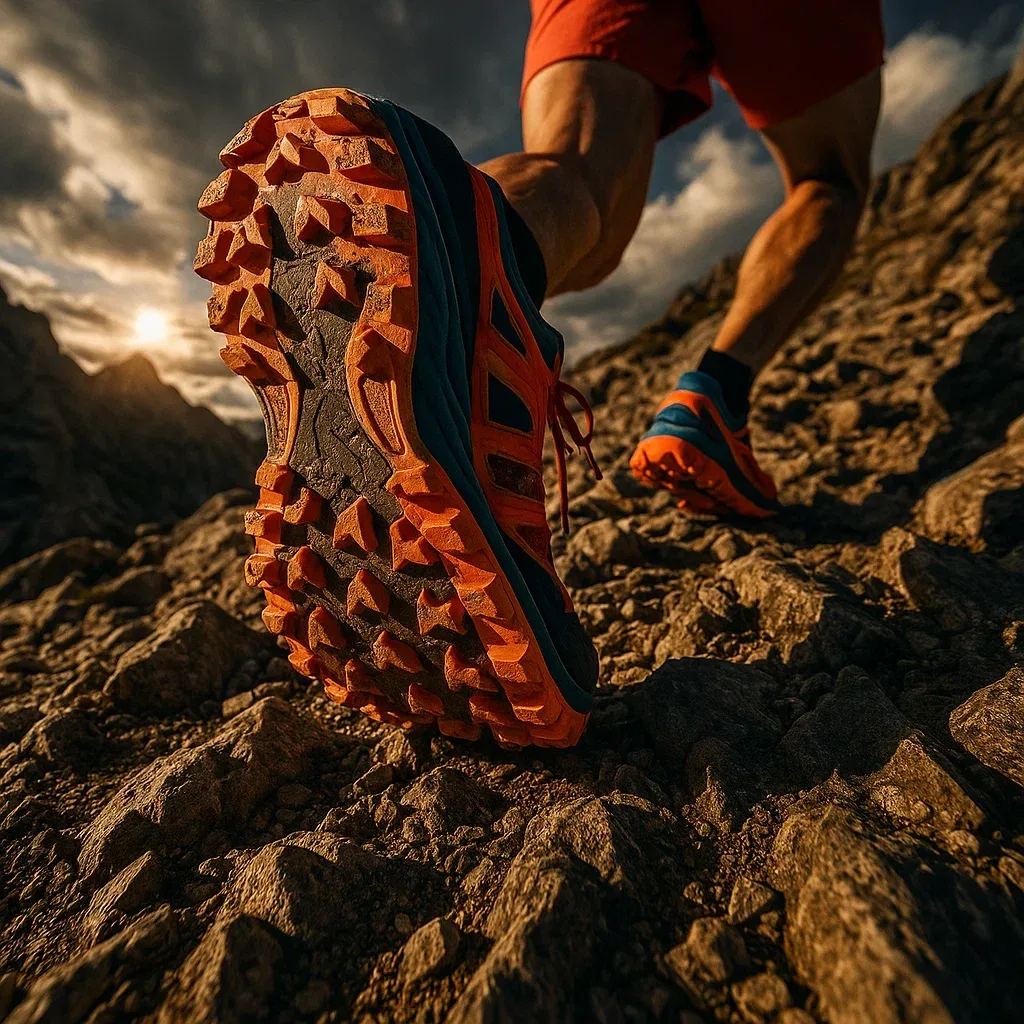
When your trail running shoes lose their grip, it's usually a combination of what's on the shoe and what's under it. Think of your shoe's outsole as the part that does all the gripping. This outsole is usually made of a special rubber compound, and its design, especially the pattern and depth of the lugs (those chunky bits of rubber), is crucial for traction on uneven surfaces.
When this grip fails, it can be a real problem, especially on steep or challenging terrain.
The Terrain vs. The Tread: Understanding the Slippery Surface
The ground beneath your feet plays a massive role in how much grip you have. Even the best trail running shoes can struggle if the terrain is particularly challenging. It's a give-and-take between your shoe's design and the surface's natural properties.
Muddy Trails and Your Lugs
Deep, wet mud is a common enemy of trail shoe grip. The aggressive lugs on your trail runners are designed to dig into the ground, but when they get completely packed with thick mud, they can't make contact with anything solid. This effectively turns your outsole into a smooth, mud-covered surface, similar to wearing slick tires.
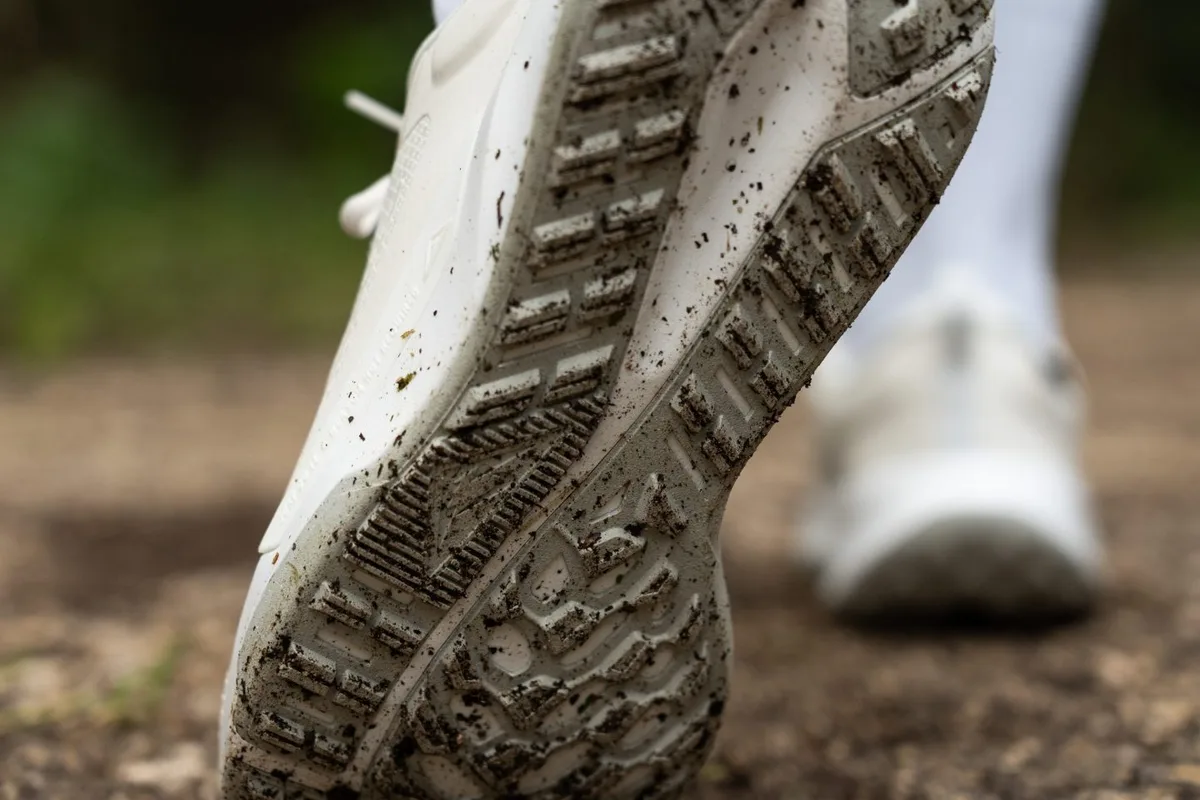
- How it happens: Mud sticks to the rubber compound and fills every crevice between the lugs.
- The effect: The lugs can't penetrate or grip the dirt or rock, leading to sliding, especially on inclines.
- The fix: You'll often need to stop and manually clear the mud from your treads with a stick or rock.
Wet Rocks and Roots: The Slick Spots
Even on a dry day, wet rocks and roots can be incredibly slippery. Moss, algae, or just the smooth, polished surface of wet stone can offer very little friction. This is a challenge for any footwear, but it's particularly noticeable when you're relying on your trail shoes for stability.
- The challenge: The rubber compound of your shoe needs texture to adhere to. Smooth, wet surfaces reduce this available texture.
- When it's worse: This is most common after rain, near water crossings, or in shaded areas where moisture lingers.
- Your role: Focus on careful foot placement and balance rather than solely on your shoe's grip.
When Your Shoes Are the Problem: Wear and Tear
Sometimes, the issue isn't the trail; it's the shoes themselves. Over time and miles, trail running shoes naturally degrade, and their ability to grip diminishes. This is an unavoidable consequence of using your gear.
Worn-Out Lugs: The Grip's Gone
The most obvious sign of shoe wear affecting grip is worn-down lugs. These are the chunky bits on the outsole designed to bite into the trail. As you run, these lugs get rounded off and smoothed down.
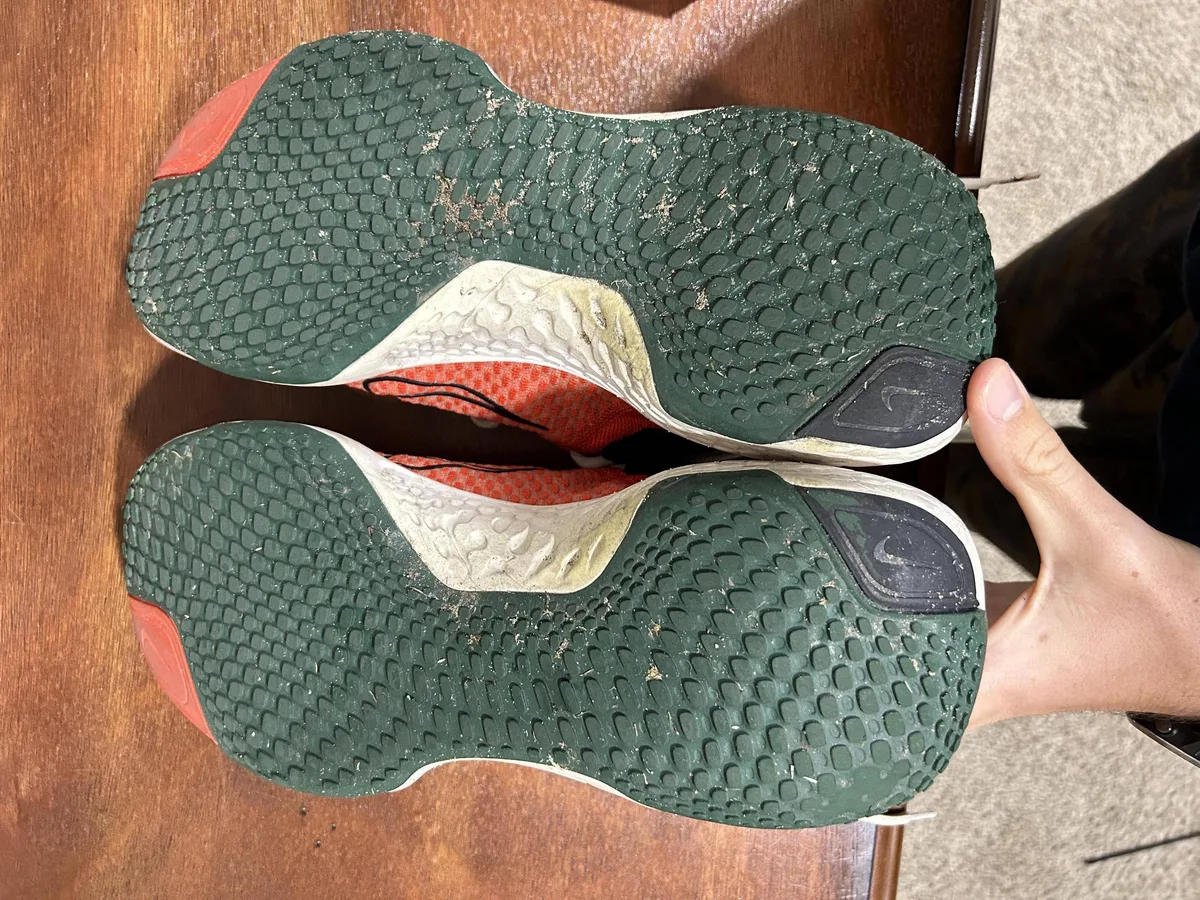
- What to look for: Lugs that used to be sharp now look flattened or rounded. Check the edges; are they smooth instead of distinct?
- The impact: When lugs lose their defined edges, they can't penetrate or grip the trail effectively. This is particularly noticeable on ascents and descents.
- Lifespan indicator: Manufacturer specifications often suggest trail running shoes last between 300 and 500 miles before significant performance degradation, including grip loss. As of 2026, this general guideline remains consistent.
The Rubber Compound Factor
Beyond the shape of the lugs, the actual rubber material of the outsole plays a critical role in grip. Different shoes use various rubber compounds, ranging from softer, stickier materials for maximum grip to harder, more durable compounds that last longer.
- Softer compounds: Tend to be very grippy but wear down faster.
- Harder compounds: Offer better durability but might be less sticky, especially on slick surfaces.
- Degradation over time: The rubber compound itself can degrade due to age, UV light, or extreme temperatures. This can make the rubber harder and less able to conform to the terrain, reducing its tacky grip.
Clearing the Clutter: Quick Fixes on the Go
When you're out on the trail and feel your feet slipping, there are often immediate actions you can take to regain control and improve your grip. These aren't long-term solutions, but they can get you through a tricky section safely.
Unclogging Your Treads: The Immediate Solution
This is the most common and effective on-the-fly fix for slippery trail running shoes. If mud, dirt, or debris has caked into your shoe's outsole, it's preventing the rubber from connecting with the ground.
- How to do it: Stop, turn your shoe over, and use a sturdy stick, fallen branch, or firm stone to scrape out packed material between the lugs. You can also use your other shoe's heel.
- Why it works: By removing the obstruction, you expose the grippy rubber of the lugs to the trail surface, restoring their function.
- Frequency: In very muddy conditions, you might need to do this every few minutes until the worst is over.
Adjusting Your Stride for Slippery Conditions
Sometimes, even with clean treads, the terrain is inherently slick. In these moments, changing how you run can make a huge difference. It’s about adapting your body to the conditions.
- Shorter strides: Take smaller, more controlled steps. This reduces force on each footstrike and allows for quicker adjustments.
- Flatter foot placement: Try to land with your foot more flatly rather than on your heel or toe. This maximizes contact area.
- Focus on balance: Maintain a stable, upright posture and keep your center of gravity over your feet. Your core muscles help you balance.
- Use your poles: If you use trekking poles, plant them firmly to help support your weight and maintain balance.
Trail Shoe Maintenance: Keeping Grip for the Long Haul
Regular maintenance is key to ensuring your trail running shoes perform their best and maintain their grip for as long as possible. It's about caring for the materials that provide your traction.
Cleaning Your Trail Runners Properly
After a run, especially on a muddy or dusty trail, it's crucial to clean your shoes. This prevents mud from hardening and permanently clogging the tread.
- Remove loose debris: Bang your shoes together outdoors to shake off loose dirt and mud.
- Rinse thoroughly: Use a hose or tap to rinse off all mud. A stiff brush can help dislodge stubborn dirt.
- Air dry only: Never put trail running shoes in a clothes dryer or use direct heat. High heat can damage adhesives and materials, making the rubber compound brittle. Stuff them with newspaper to absorb moisture and help them air dry away from direct sunlight.
- Manufacturer recommendations: For specific cleaning advice, check the manufacturer's care instructions on their official website.
Inspecting for Wear and Tear
Regularly checking your shoes for signs of wear can help you predict when your grip might fail and when it’s time for replacement. This proactive approach avoids unexpected slips.
- Outsole check: Look closely at the lugs. Are they rounded or flattened? Do the edges look smooth instead of distinct?
- Midsole and upper: Inspect the midsole for signs of compression or cracking and the upper for tears. A compromised shoe structure can indirectly affect how your foot interacts with the ground.
- Frequency: A quick visual check after cleaning, and a more thorough inspection every 50-100 miles, is good practice.
When It's Time for New Trail Shoes
No trail running shoe lasts forever, and eventually, the grip they provide will fade to the point where they become a safety hazard. If you've cleaned them thoroughly, checked for packed debris, and still find yourself slipping on surfaces where you used to have confidence, it's highly probable that your shoes have simply reached the end of their useful life. This isn't a sign of poor maintenance, but rather a natural consequence of extensive use on demanding terrain.
- Understanding Lifespan: Generally, trail running shoes provide optimal grip and support for approximately 300 to 500 miles of running. This figure varies based on shoe construction, terrain type, and your running style. Heavier runners or those on abrasive surfaces will see a shorter lifespan.
- What to Look For: Beyond mileage, visual cues are critical. If lugs appear rounded or flattened, their ability to dig into the trail is compromised. The rubber compound itself can harden or become less tacky with age and UV exposure, reducing its sticky grip.
Frequently Asked Questions: Slippery Trail Shoes
### Why do my new trail running shoes feel slippery?
New trail running shoes can feel less grippy if the rubber compound is very hard for durability, or if they are meant for specific, less aggressive terrain. If you're transitioning from a shoe with aggressive lugs to one with less pronounced ones, the initial feel differs. Ensure you're not on very slick surfaces like wet rocks or polished concrete, which challenge any grip.
### Can I use something to make my old trail shoes grippier?
You can't fundamentally change the rubber compound or lug pattern of existing shoes. Ensuring they are perfectly clean is the best way to maximize their current grip. If lugs are worn down, there isn't a reliable product to restore their depth or sharpness for significant new traction.
For severely worn shoes, replacement is the safest option.
### How often should I clean my trail running shoes to maintain grip?
Clean your trail running shoes after every run, especially if you encountered mud or significant dirt. A quick rinse to remove loose debris is ideal, with more thorough cleaning and air-drying for heavily soiled shoes. This prevents mud from hardening in treads and compromising the outsole's ground contact.
### Are trail running shoes supposed to be less grippy on wet surfaces?
Trail running shoes balance grip and durability. Many employ advanced rubber compounds for good traction, but extremely slick surfaces like wet, moss-covered rocks can challenge any shoe. The design focuses on providing grip on variable natural terrain, but exceptional slipperiness occurs when water lubricates the rubber and a smooth surface.
### What's the difference between grip and traction in trail running shoes?
Grip is the friction between the shoe's outsole and the ground, how "sticky" it is. Traction is the shoe's ability to use that grip to propel you or slow you down, especially on inclines and declines. It's about how well the lugs bite into the terrain and how the rubber compound adheres to surfaces.