Can You Use Trail Running Shoes on Pavement
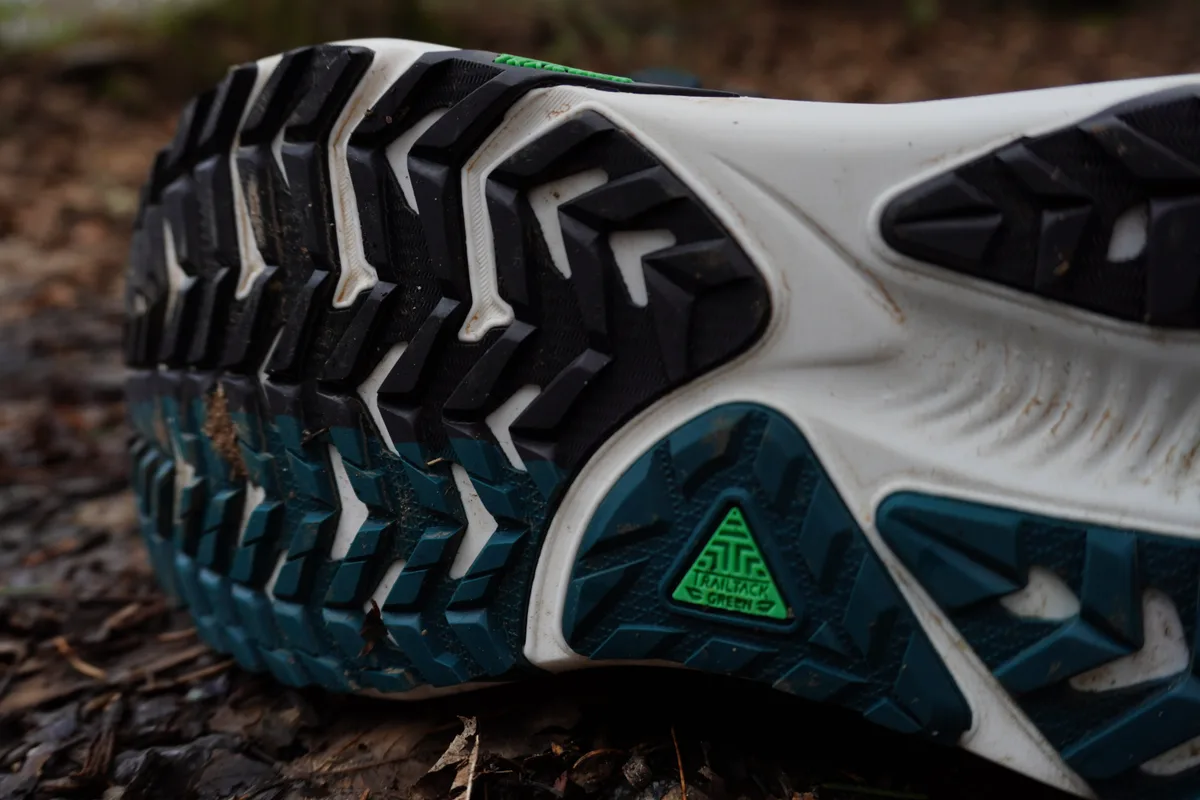
Image source: Bing (Web (fair-use with source credit))
Can You Use Trail Running Shoes on Pavement? Let's Figure It Out.
So, you've got a pair of trail running shoes and you're wondering if you can just hop on the pavement for your next run. It's a practical question, especially if your routes involve a mix of surfaces or if you're looking to get the most out of your gear. While you can technically run on pavement in trail shoes, it's usually not the ideal setup for your feet or your shoes.
Trail shoes are designed with aggressive lugs for grip on dirt and rock, and their cushioning is built to absorb impact from uneven terrain. Manufacturer specifications often highlight durability and traction over the consistent, hard pounding of asphalt. As of 2026, the general consensus among running experts is that dedicated road running shoes offer superior performance and protection for pavement.
Quick Answer: When It's Okay (and When It's Not)
Yes, you can use trail running shoes on pavement occasionally for short distances. However, it's not recommended for regular or long-distance pavement running. Trail shoes wear out faster and offer less shock absorption on hard surfaces compared to road shoes.
Why Trail Shoes Feel Different on Pavement
Trail running shoes and road running shoes are engineered for very different environments. Understanding these differences explains why one isn't a perfect substitute for the other.
Aggressive Lugs vs. Hard Surfaces
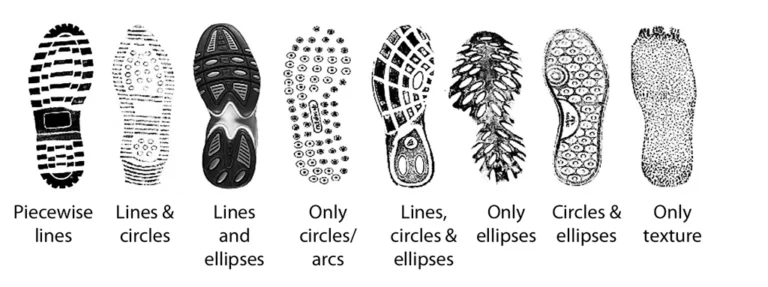
The most noticeable feature of trail shoes is their aggressive outsole tread, characterized by deep, widely spaced lugs. These lugs are designed to dig into soft surfaces like mud, dirt, and loose gravel, providing maximum grip and stability on uneven terrain. This is crucial for preventing slips and falls when navigating roots, rocks, and inclines.

Image source: Web (Bing) / creative-calendars.com (Web image (fair-use with source credit))
When these same deep lugs hit hard, flat pavement, they can feel a bit like driving on marbles. The lugs don't compress or conform to the asphalt as smoothly as a road shoe's flatter, more compact tread. This can lead to a less stable feeling, especially on wet or smooth surfaces.
Furthermore, those prominent lugs are more likely to catch on pavement imperfections or wear down rapidly against the abrasive surface.
Cushioning Designed for Trails, Not Roads
The cushioning systems in trail running shoes are typically tuned to absorb the varied and often sharp impacts found on trails, think roots, rocks, and uneven ground. This might mean a firmer, more responsive feel with strategically placed protection. For instance, some trail shoes incorporate rock plates to shield your feet from sharp objects underfoot.
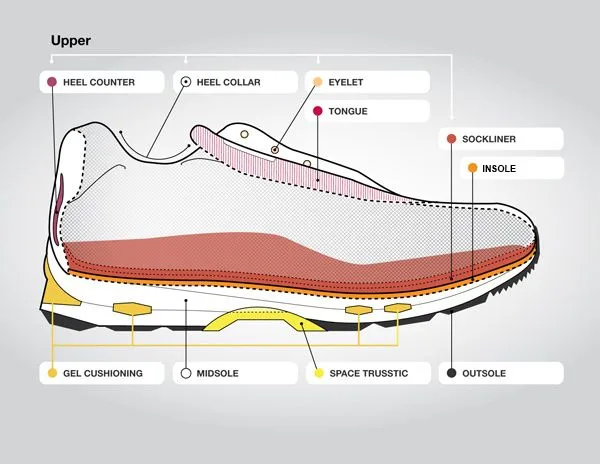
Image source: Bing (Web (fair-use with source credit))
In contrast, road running shoes are built with cushioning specifically to manage the consistent, repetitive impact of hard surfaces. This often translates to softer, more resilient foams designed to attenuate shock over many miles of pavement. Using trail shoes on pavement might mean you're not getting the optimal level of shock absorption, potentially leading to increased fatigue or discomfort in your joints over time.
The Real-World Impact: Problems with Pavement Running in Trail Shoes
When you consistently run on pavement in shoes designed for trails, you're essentially asking them to do a job they weren't built for. This mismatch can lead to several practical problems.
Faster Wear and Tear on Your Gear
Trail shoes feature specialized rubber compounds and lug designs aimed at durability on natural terrain. However, the abrasive nature of asphalt can wear down these aggressive treads much faster than they would on dirt or mud. Manufacturer specifications for trail shoe outsoles often focus on grip in varied conditions, not longevity against concrete.
For example, aggressive lugs can become rounded and less effective after only a few dozen miles on pavement, significantly shortening the shoe's usable lifespan. This means you'll likely need to replace your trail shoes much sooner if they're frequently used for road running.
Discomfort and Strain on Your Body
The way trail shoes interact with pavement can also take a toll on your body. The stiff, unyielding nature of trail shoe midsoles, combined with the deep lugs, can create a less forgiving ride. This means your body has to work harder to absorb the impact of each step.
- Joint stress: The reduced shock absorption compared to road shoes can put extra strain on your ankles, knees, and hips.
- Foot fatigue: The firm, less flexible nature might not adapt as well to the repetitive motion of pavement running, leading to general foot soreness.
- Potential for blisters: Friction from a stiffer shoe that doesn't move naturally with your foot on a hard surface can increase the likelihood of blisters.
Your Decision Guide: When to Stick to Pavement Shoes
Deciding whether trail shoes will suffice for your pavement runs comes down to a few key questions about your running habits and physical needs. There isn't a single "yes" or "no" for everyone; it’s about finding what works best for you.
How Often Do You Hit the Road?
If pavement is your primary running surface, dedicated road running shoes are strongly recommended. These shoes are engineered with specific cushioning compounds and outsole designs to handle the consistent impact of asphalt, providing optimal shock absorption and durability. For example, road shoes typically use blown rubber or specialized EVA foams in the midsole to attenuate impact over many miles.
If you run on pavement only occasionally, perhaps to connect trails or for a very short jog when no other option is available, your trail shoes might be acceptable. However, even short, frequent pavement excursions will accelerate their wear.
What Kind of Pavement Running Are You Doing?
The intensity and duration of your pavement runs matter.
- Short, infrequent jogs: If you're just running a mile or two to get to a trail, or doing a quick warm-up on the sidewalk, your trail shoes can probably handle it without much issue.
- Regular mileage: If you're logging 5K, 10K, or longer distances on the road multiple times a week, you'll benefit significantly from road running shoes. These shoes are designed for the repetitive pounding and provide better energy return and joint protection over sustained efforts.
- Speed work or racing: For any kind of faster running or race training on pavement, road shoes are essential. Their lighter weight and responsive cushioning are crucial for performance.
Listening to Your Body: Signs It's Not Working
Your body is often the best indicator of whether your footwear is appropriate for the surface. If you start experiencing any of the following, it's a strong signal that your trail shoes aren't ideal for pavement:
- Increased foot, ankle, or knee pain: This is a common sign that the cushioning or support isn't adequate for the surface.
- Soreness that lasts longer than usual: If your legs feel unusually fatigued or sore for days after a pavement run in trail shoes, the impact might be the culprit.
- Blisters or hot spots: These can develop from increased friction or pressure points caused by a shoe that's not flexing correctly on the pavement.
- A noticeable decrease in comfort: If the run just feels "hard" or "clunky" on the road, it's probably not the right shoe for the job.
Alternatives for Mixed-Terrain Runners
If your running routes frequently involve a mix of trails and pavement, you're not alone. Fortunately, there are footwear options designed to bridge this gap, or strategies to manage both surfaces effectively.
Hybrid Trail Shoes: The Compromise
Hybrid trail running shoes, sometimes marketed as "all-terrain" shoes, aim to offer a balance between trail performance and road comfort. They typically feature less aggressive lugs than dedicated trail shoes, making them less likely to feel awkward or wear down too quickly on pavement. Their cushioning might also be slightly more robust than a pure trail shoe, providing a bit more shock absorption for harder surfaces.
These shoes are a good option if your runs are a true 50/50 split, or if you primarily run trails but occasionally encounter longer stretches of road. However, it's important to understand that they are a compromise; they won't perform as exceptionally on technical trails as a pure trail shoe, nor will they offer the same optimized cushioning and ride as a dedicated road shoe.
Investing in Both: The Best of Both Worlds
For many runners, the most effective solution for mixed terrain is to have two distinct pairs of shoes: one for trails and one for roads. This allows you to use each shoe for its intended purpose, maximizing its benefits and lifespan.
- Trail Shoes: Use these for your muddy, rocky, and uneven runs where grip, protection, and stability are paramount.
- Road Shoes: Employ these for your runs primarily on asphalt, sidewalks, or packed gravel, where smooth cushioning and efficient shock absorption are key.
This approach ensures you’re always running in footwear best suited for the terrain, which can significantly enhance comfort, reduce the risk of injury, and preserve the integrity of both pairs of shoes. While it requires a larger initial investment, it often proves more economical in the long run by extending the life of each specialized pair.
Mistakes to Avoid When Using Trail Shoes on Pavement
When you find yourself needing to run on pavement with trail shoes, or if you're experimenting with hybrid options, watch out for these common pitfalls that can lead to discomfort, injury, or premature shoe wear. These mistakes often stem from not fully understanding the limitations of trail-specific footwear on hard surfaces.
- Ignoring lug wear: Keep a close eye on your trail shoe lugs. If they're getting rounded off or significantly worn down from pavement contact, their grip on trails will also suffer, and they're likely not providing optimal cushioning anymore. This visible wear pattern is a key indicator that the shoe is no longer performing as intended.
- Pushing through pain: If you start feeling unusual aches or fatigue in your feet, ankles, or knees after pavement runs in trail shoes, don't just "run through it." This is your body signaling that the footwear isn't right for the surface. Persistent discomfort can lead to more serious injuries.
- Assuming they're the same as road shoes: Don't treat your trail shoes as a direct replacement for road shoes if pavement is your main running surface. Their design differences are substantial and impact performance and protection significantly. This is a critical misunderstanding that leads to the other problems.
- Not cleaning them properly: Mud and debris can get packed into trail shoe lugs. If you're transitioning to pavement, try to brush out any significant buildup to ensure a more even contact with the road surface. This allows the shoe's design to function as intended, even if it's not the ideal shoe for the surface.
Frequently Asked Questions About Trail Shoes and Pavement
How quickly will my trail shoes wear out on pavement?
Your trail shoes will wear out significantly faster on pavement than on trails. The aggressive lugs and softer outsole compounds designed for grip on dirt can be ground down in as little as 50-100 miles of consistent pavement running, whereas they might last 300-500 miles on trails, according to aggregated user feedback.
Can I use trail shoes for walking on pavement?
Yes, for walking on pavement, trail shoes are generally fine. The impact forces are much lower than during running, and the primary concern of excessive wear is less critical for casual walking. However, they might still feel a bit stiffer or heavier than dedicated walking shoes designed for comfort on flat surfaces.
Are trail shoes bad for my knees if I run on pavement?
Trail shoes can be bad for your knees if you regularly run long distances on pavement because they typically offer less shock absorption than road shoes. This can lead to increased stress on your joints, potentially aggravating knee pain or leading to issues over time. Manufacturer specifications for road shoe midsoles often cite specific shock-attenuation properties that trail shoes lack for this application.
Should I buy separate shoes for trail and road running?
If you run regularly on both trails and pavement, it's highly recommended to buy separate shoes. This ensures you have footwear optimized for each surface, providing better performance, comfort, durability, and injury prevention. Running science confirms that using the right tool for the job significantly impacts biomechanics and reduces strain.
What's the difference between trail shoes and road shoes?
Trail running shoes have aggressive lugs for grip on uneven terrain, more durable uppers, and often enhanced protection from rocks. Road running shoes have flatter, smoother outsoles for traction on pavement, lighter uppers, and cushioning specifically designed to absorb the repetitive impact of hard surfaces.
Final Verdict: Your Best Foot Forward
Ultimately, while you can technically use trail running shoes on pavement, it's usually not the best choice for optimal running performance, comfort, or shoe longevity. If your running life involves a significant amount of pavement, investing in a dedicated pair of road running shoes will make a noticeable difference. They’re designed to handle that specific pounding, keeping your feet happy and your joints protected mile after mile.



2 Comments