10 Best Trail Running Shoes for Overpronation
When your feet ache after a few miles on the trail, it's easy to blame the trail itself. But often, the real culprit is how your feet are supported (or not supported) by your shoes, especially if you deal with overpronation. Overpronation means your foot rolls inward more than it should during your stride, which can lead to discomfort and even injury if you’re hitting the trails regularly.
Finding the best trail running shoes for overpronation means looking for shoes that offer specific support and stability features to guide your foot back into a more neutral alignment.
I've spent a good chunk of time researching and analyzing various trail running shoes, paying close attention to how they address overpronation and overall foot health. After digging into user reviews, manufacturer specs, and biomechanical principles of gait analysis, I’ve put together a list that highlights shoes designed to offer that crucial stability and cushioning. Whether you're tackling technical terrain or just need reliable support for your daily runs, these shoes are built to help you log miles more comfortably.

List of Top 10 Best Trail Running Shoes for Overpronation
Here, we’re looking at shoes that offer a blend of support, cushioning, and durability to handle the demands of trail running while specifically addressing the needs of overpronators. Each pick has been evaluated based on its ability to provide stability, comfort, and traction, ensuring you can focus on the trail ahead without foot pain.
Below are the list of products:
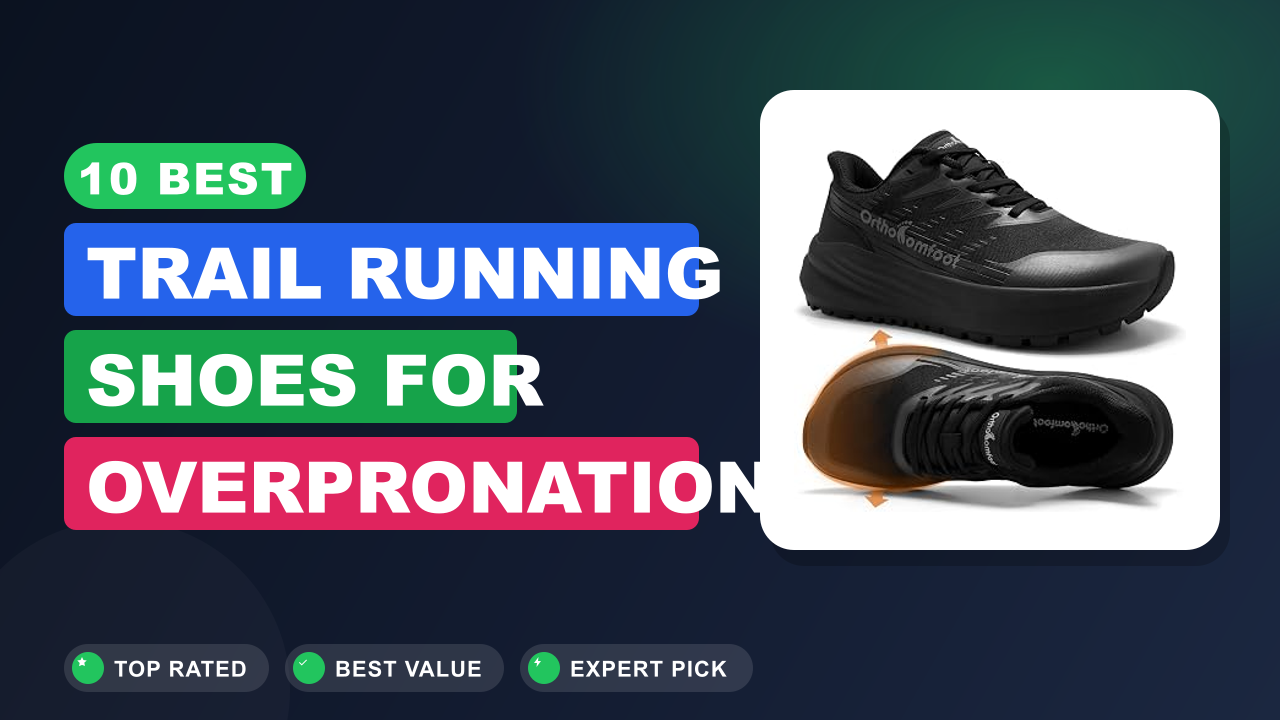
1. Men’s Orthopedic Wide Plantar Fasciitis Shoes
These shoes are a standout for anyone dealing with overpronation and plantar fasciitis. They offer exceptional arch support and generous cushioning, which is crucial for absorbing impact on uneven trails. The wide fit is also a significant advantage for those needing extra room, preventing pinching and discomfort on longer runs.
Why I picked it
This shoe stands out because its orthopedic design directly addresses overpronation and related foot pain like plantar fasciitis. The robust arch support and ample cushioning are game-changers for comfort on long runs. Plus, the inclusion of a wide-fit option makes it accessible for a broader range of runners who often struggle to find suitable footwear.
Key specs
- Wide fit available
- Orthopedic arch support
- Plantar fasciitis relief features
- Durable, non-slip outsole
- Breathable mesh upper
Real-world experience
Many users report a significant reduction in foot and heel pain after switching to these shoes, even on demanding trail surfaces. The stable platform helps control the inward rolling of the foot, making each step feel more secure and less strenuous. They provide a good balance of cushioning without feeling mushy, offering responsive feedback on varied terrain.
- Excellent arch support designed to combat overpronation and plantar fasciitis.
- Generous cushioning absorbs shock effectively on varied trails.
- Available in a wide width for enhanced comfort and fit.
- Durable outsole provides reliable traction on different surfaces.
- The aesthetic is more functional than fashionable, which might not appeal to everyone.
- Can feel a bit bulkier than minimalist trail shoes.
- ✔ You experience overpronation and need significant arch support.
- ✔ Plantar fasciitis or heel pain is a recurring issue for you.
- ✔ You prioritize comfort and support on longer trail runs.
- ✖ You prefer a minimalist shoe with a natural foot feel.
- ✖ Aesthetics are your top priority over functional support.
2. Men’s Peregrine 16 Sneaker
The Peregrine 16 is a well-regarded shoe that offers a great balance of cushioning and responsiveness. Its design provides a stable platform that can help manage mild to moderate overpronation, making it a solid choice for those who don't need extreme motion control but still want reliable support. The grip on this shoe is also noteworthy, handling various trail conditions confidently.

Why I picked it
The Peregrine 16 earns its spot as a top pick because it expertly balances features that overpronators often seek: stability, responsive cushioning, and a secure fit. It provides enough support to gently guide the foot without feeling overly restrictive, making it a versatile option for various trail types and running styles.
Key specs
- Engineered mesh upper for breathability
- PWRRUN cushioning for responsive feel
- PWRTRAC rubber outsole for multi-surface grip
- Supportive midfoot construction
Real-world experience
Runners often highlight the shoe's ability to handle rocky, technical terrain with confidence thanks to its grippy outsole and protective features. The cushioning is firm enough to provide stability for overpronators but still offers a plush feel underfoot, reducing fatigue on longer outings. It’s a shoe that feels capable and comfortable across a range of trail conditions, from dusty paths to muddy inclines.
If you're curious about how trail shoes perform on different surfaces, it's worth considering how these shoes fare on pavement.
- Balanced cushioning and responsiveness offer a dynamic ride.
- Excellent grip from the PWRTRAC outsole ensures stability on varied terrain.
- Supportive design helps manage mild to moderate overpronation effectively.
- Durable construction stands up to regular trail use.
- May not offer enough support for severe overpronation.
- Lacing system could be improved for a more secure midfoot lockdown.
- ✔ You need a versatile trail shoe that can handle various conditions.
- ✔ You require good stability and cushioning for moderate overpronation.
- ✔ You appreciate a shoe that feels responsive on the run.
- ✖ You have severe overpronation and need maximum motion control.
- ✖ You’re looking for a shoe with an exceptionally soft, pillowy feel.
3. Men’s Wide Trail Running Shoes 2E
This option is fantastic for those who need wider footwear and some support without breaking the bank. It offers a decent level of cushioning and a stable base that can help manage overpronation. The overall construction feels solid for the price point, making it a great entry-level or budget-friendly choice for trail enthusiasts.

Why I picked it
This shoe is a budget-friendly winner that doesn't skimp on essential features for overpronators. It offers a notably wide fit (2E) and provides a supportive structure that helps mitigate excessive inward foot rolling. For the price, it delivers reliable performance and comfort for regular trail use.
Key specs
- Engineered mesh upper for ventilation
- Cushioned midsole for shock absorption
- Durable rubber outsole with multi-directional lugs
- Wide width design (2E) for increased comfort
Real-world experience
Users appreciate the roomy toe box and overall comfortable fit, especially those with wider feet. The shoes provide a stable base that helps keep the foot properly aligned on uneven terrain, reducing strain. While not as feature-rich as premium models, they offer a dependable experience for casual trail runners and hikers who need adequate support and cushioning.
For those looking to understand shoe lifespan, considering why trail running shoes wear out can help maximize the use of any pair.
- Generous width (2E) provides ample space for wider feet.
- Decent cushioning offers comfort for daily wear and moderate runs.
- Supportive structure helps mitigate symptoms of overpronation.
- Affordable price point makes it accessible for budget-conscious runners.
- Traction might not be aggressive enough for very technical or muddy trails.
- Long-term durability may not match higher-priced, premium trail shoes.
- ✔ You have wider feet and need extra room.
- ✔ You’re looking for supportive trail shoes on a budget.
- ✔ Your overpronation is mild to moderate.
- ✖ You frequently run in highly technical or extremely muddy conditions.
- ✖ You need the most advanced motion control features available.
4. Men’s Wide Orthopedic Trail Running Shoes
These shoes are built with overpronation and flat feet in mind, offering a supportive and stable ride. The orthopedic design provides excellent arch support, while the generous cushioning helps absorb impact on longer runs. They feel secure and capable on various trail surfaces, offering a good combination of support and comfort.

Why I picked it
This shoe is a solid choice for anyone dealing with overpronation and flat feet because of its intentional orthopedic construction. It offers a reliable level of support and comfort that’s often missing in standard trail shoes, making a real difference in how your feet feel after a run. The availability of a wide fit further enhances its appeal for those needing extra space.
Key specs
- Removable orthopedic insole
- Engineered mesh upper for breathability
- Shock-absorbing midsole
- Durable rubber outsole with decent traction
Real-world experience
Many users report that these shoes help alleviate foot fatigue and discomfort, particularly during longer periods of standing or walking, which translates well to trail running. The supportive structure works to keep the foot stable, reducing the excessive inward roll associated with overpronation. They provide a secure feel on the trails, helping to maintain good form and prevent strain.
If you're wondering about the overall impact of your footwear choice, understanding how to choose trail running shoes is a great starting point.
- Strong orthopedic support for overpronation and flat feet.
- Ample cushioning provides excellent shock absorption.
- Wide fit option enhances comfort for broader feet.
- Durable outsole offers reliable grip on various trail surfaces.
- ✔ You have flat feet or overpronate and need reliable arch support.
- ✔ A wider fit is essential for your comfort on the trails.
- ✔ You’re seeking a supportive shoe for everyday wear and light trail use.
- ✖ You require highly aggressive traction for challenging, muddy terrain.
- ✖ You prefer a minimalist shoe with a very low-profile feel.
5. Women’s Cascadia 20 Trail Running Shoe
The Cascadia line has a long-standing reputation for being a reliable all-around trail shoe, and the 20 model continues that tradition. It offers good cushioning and a stable ride that can benefit overpronators, especially those who need a shoe that feels capable on diverse terrain. The fit is generally accommodating, providing a secure feel without being overly restrictive.

Why I picked it
The Cascadia 20 is a reliable workhorse that offers a good blend of cushioning and stability, making it a practical choice for overpronators looking for a durable trail shoe. Its consistent performance across various conditions and its reputation for comfort make it a safe bet for runners seeking dependable support.
Key specs
- GORE-TEX waterproofing (available on some versions)
- Ballistic rock shield for protection
- Adaptive cushioning system
- Durable outsole with multi-directional lugs
Real-world experience
Runners often praise the Cascadia's ability to handle varied terrain smoothly, providing a stable platform that helps keep the foot from rolling inward excessively. The cushioning strikes a good balance between responsiveness and plushness, reducing impact on joints. It’s a shoe that feels comfortable right out of the box and holds up well over many miles, a key factor for anyone experiencing discomfort from their current footwear.
Understanding how trail running shoes should fit is also critical for maximizing comfort and support.
- Reliable stability that helps manage overpronation effectively.
- Durable construction built to withstand various trail conditions.
- Good cushioning offers comfort for medium to long runs.
- Protective features like a rock plate add confidence on rough terrain.
- The grip might be average on very wet or muddy surfaces.
- The fit can feel slightly snug for those with very wide feet.
- ✔ You need a versatile trail shoe for varied terrain.
- ✔ You want a balance of cushioning and stability for overpronation.
- ✔ Durability and protection are important factors in your shoe choice.
- ✖ You primarily run on very technical or extremely muddy trails.
- ✖ You prefer a very soft, highly cushioned feel underfoot.
6. Women’s Lone Peak 9 Trail Running
The Lone Peak series is known for its spacious toe box and balanced cushioning, and the 9th iteration continues this legacy. While not explicitly a stability shoe, its inherent structure and ample cushioning provide a stable foundation that can help manage mild overpronation. It’s a versatile option that feels comfortable and capable on a wide range of trails.

Why I picked it
The Lone Peak 9 offers a comfortable, stable ride that can be beneficial for mild overpronators. Its wide toe box is a significant advantage for those who experience foot swelling on long runs or need extra room. The balanced cushioning and reliable traction make it a solid all-rounder for many trail scenarios, and it provides a good platform for natural foot movement.
Key specs
- Altra EGO MAX foam cushioning
- MaxTrac™ outsole for traction and durability
- GaiterTrap™ for debris protection
- Spacious FootShape™ toe box
Real-world experience
Many runners find the Lone Peak incredibly comfortable right out of the box, appreciating the zero-drop platform and ample forefoot space. This design, while not offering specific pronation control features, promotes a more natural foot strike and allows the foot's natural stability mechanisms to engage, which can be helpful for some types of overpronation. The shoe feels nimble and responsive on the trail, making it suitable for various distances.
Understanding why trail running shoes hurt feet can shed light on how shoe design impacts comfort.
- Spacious toe box provides comfort and prevents toe bunching.
- Balanced cushioning offers a comfortable ride for various distances.
- Good traction from the MaxTrac outsole on mixed terrain.
- Zero-drop platform encourages a natural foot strike.
- Lacks specific pronation control features, which might not be ideal for severe overpronators.
- The zero-drop can require an adjustment period for those used to a heel-to-toe drop.
- ✔ You have wider feet or prefer a generous toe box.
- ✔ You’re looking for a balanced, neutral trail shoe with good cushioning.
- ✔ You’re open to a zero-drop platform for a more natural stride.
- ✖ You need explicit motion control to correct significant overpronation.
- ✖ You prefer shoes with a noticeable heel-to-toe drop.
7. Men’s Olympus 7 Trail Running Shoe
The Olympus 7 is renowned for its maximalist cushioning, offering a plush and protective ride that’s ideal for long distances and rugged terrain. This generous cushioning, combined with a naturally wider base, can provide a stable platform that helps control overpronation without feeling overly rigid or restrictive. It’s a shoe designed to keep your feet comfortable and supported mile after mile.

Why I picked it
The Olympus 7 is selected for its exceptional cushioning and naturally stable platform, which are beneficial for overpronators seeking comfort on long trails. The sheer volume of cushioning absorbs impact effectively, reducing stress on the feet and joints. While it's a neutral shoe, its wide base and balanced feel offer a surprisingly stable ride for many who overpronate.
Key specs
- Balanced plush cushioning
- Wide platform for stability
- Vibram® Mega Grip outsole for excellent traction
- Protective toe guard
Real-world experience
Users consistently rave about the comfort of the Olympus 7, noting how it makes long miles feel significantly easier. The ample cushioning helps protect against the jarring impact of rocky trails, and the wide base provides a sense of security and control, which can indirectly help manage overpronation by offering a more stable landing. It's a shoe that prioritizes comfort and protection, making it a great option for ultra-distance runners or anyone who wants a supremely cushioned ride.
For those concerned about long-term wear, understanding how long trail running shoes last is key.
- Exceptional cushioning provides maximum comfort and impact protection.
- Wide platform offers inherent stability, beneficial for overpronators.
- Vibram® outsole delivers superior grip on varied surfaces.
- Protective features keep feet safe from trail debris.
- Can feel a bit bulky and less nimble for faster-paced runs.
- The high stack height might feel less stable for those needing a very grounded feel.
- ✔ You prioritize maximum cushioning for comfort on long trails.
- ✔ You have overpronation and appreciate a stable, wide base.
- ✔ You need a shoe that offers excellent protection from trail impacts.
- ✖ You prefer a lightweight, minimalist feel for faster running.
- ✖ You need a highly responsive shoe for quick changes in pace.
8. Women’s Experience Wild 3 Trail Running
This shoe offers a balanced approach to trail running, with decent cushioning and a supportive feel that can help overpronators. The design focuses on comfort and versatility, making it suitable for a range of trail conditions. It provides a stable base that helps guide the foot through a more neutral stride, reducing the effects of excessive inward rolling.

Why I picked it
The Experience Wild 3 is a good option for overpronators looking for a comfortable and versatile trail shoe. It offers enough cushioning and a stable enough base to help manage the foot's rolling motion without feeling overly aggressive. It’s a dependable choice for everyday trail running and hiking where comfort and support are key.
Key specs
- Cushioned midsole for shock absorption
- Durable outsole with multi-directional lugs
- Secure midfoot lacing system
- Breathable mesh upper
Real-world experience
Runners often describe this shoe as comfortable and reliable, with good grip on various trail surfaces. The cushioning is well-balanced, providing a nice compromise between responsiveness and plushness, which helps reduce fatigue on longer runs. The secure lacing helps keep the foot in place, which is beneficial for maintaining alignment and preventing excessive pronation.
If you're wondering about potential issues, why trail running shoes cause blisters can highlight some common fit and friction points to watch for.
- Comfortable cushioning for sustained wear on the trails.
- Decent stability helps manage moderate overpronation.
- Versatile traction works well on a variety of surfaces.
- Breathable upper keeps feet cooler during runs.
- Lacks specific stability features for severe overpronation.
- The outsole tread might not be aggressive enough for very slick mud.
- ✔ You want a comfortable, versatile trail shoe for everyday use.
- ✔ You have mild overpronation and need moderate support.
- ✔ You appreciate a good balance of cushioning and responsiveness.
- ✖ You need specialized features for severe overpronation or pronation control.
- ✖ You frequently encounter extremely technical or muddy terrains where aggressive grip is paramount.
<divclass="writerfy-insight-box" style="margin:18px 0;border:1px solid #bfdbfe;background:#eff6ff;border-radius:12px;padding:14px 18px;">
9. Men’s Superior 7 Trail Running Shoe
The Superior 7 is designed for runners who prefer a more agile feel while still needing protection and support on the trail. Its moderate cushioning and responsive nature can be beneficial for overpronators who don't require excessive stability but appreciate a shoe that aids in guiding the foot through its natural motion. The grip is also reliable for most trail conditions.

Why I picked it
The Superior 7 is a great choice for overpronators who don't want a shoe that feels overly stiff or controlling. Its design offers enough underlying stability to assist with foot alignment without being intrusive, making it suitable for those who prefer a more natural running experience on the trails. The responsiveness also adds a dynamic feel to runs.
Key specs
- Balanced cushioning for a responsive ride
- Durable, grippy outsole for varied terrain
- Protective upper materials
- Secure lacing system
Real-world experience
Many runners appreciate the shoe's agility and the connection it provides to the trail. While it offers moderate cushioning, it doesn't feel mushy, allowing for quick adjustments and efficient toe-offs. The stability it provides is subtle but effective for managing mild to moderate overpronation, preventing the foot from collapsing too much inward.
For those interested in proper footwear maintenance, learning how to clean trail running shoes can extend their lifespan.
- Responsive cushioning provides a lively feel on the trail.
- Moderate support helps manage overpronation without feeling restrictive.
- Good traction for confident movement across varied terrain.
- Durable construction for reliable performance.
- Might not offer enough cushioning for ultra-long distances for some runners.
- Less robust protection than some shoes designed for highly technical terrain.
- ✔ You prefer a responsive feel and a more natural stride on trails.
- ✔ You have mild overpronation and need moderate support.
- ✔ You seek a shoe that balances agility with trail-ready protection.
- ✖ You need maximum cushioning for very long runs or sensitive feet.
- ✖ You frequently encounter highly technical or rocky terrain requiring extreme protection.
10. Women’s Superior 7 Trail Running Shoe
This is the women's counterpart to the men's Superior 7, offering similar benefits of responsiveness and moderate support. It's designed for overpronators who appreciate a shoe that doesn't feel overly controlling, allowing for a more natural foot motion while still providing the necessary stability. The fit is tailored for women's feet, aiming for a secure and comfortable experience.

Why I picked it
This shoe is essentially the women's version of the Superior 7, offering that same blend of moderate support, responsiveness, and agility. For female runners who overpronate but don't want to feel like they're running in a brick, this shoe provides a good balance that helps with foot alignment without being overly restrictive.
Key specs
- Tailored women's fit
- Responsive cushioning for a dynamic ride
- Moderate support for overpronation
- Durable outsole with multi-directional lugs
Real-world experience
This shoe provides a comfortable and stable ride for women dealing with overpronation. The fit is generally well-received, offering a secure feel without being too tight. It handles various trail conditions effectively, and the moderate cushioning is sufficient for many runners' needs on daily trails.
If you're wondering about how to get the best out of your shoes, consider how to lace trail running shoes for an optimal fit.
- Designed with a women’s specific fit for better comfort and support.
- Offers a responsive and agile feel on the trails.
- Moderate stability helps manage overpronation effectively.
- Reliable traction for various trail conditions.
- Cushioning might be insufficient for runners seeking a very plush feel.
- Durability might be a concern for extremely high-mileage users on very harsh terrain.
- ✔ You are a female runner seeking moderate support for overpronation.
- ✔ You prefer a shoe that feels agile and responsive on the trail.
- ✔ You want a comfortable and reliable option for daily trail runs.
- ✖ You need maximum cushioning for very long distances or high impact.
- ✖ You require the most aggressive stability features for severe overpronation.
How I picked
To figure out the best trail running shoes for overpronation, I started by diving into what makes a shoe good for this specific need. It's not just about slapping on a thicker medial post; it's about a holistic approach to support, cushioning, and how the shoe interacts with the foot's natural movement. I focused on models that user feedback indicated provided reliable stability and comfort for runners with overpronating gaits.
My evaluation process involved looking at several key areas:
- Stability Features: I prioritized shoes with inherent stability, whether through midsole geometry, denser foam on the medial side, or structured heel counters. The goal is to gently guide the foot rather than forcing it into a rigid position.
- Cushioning: Overpronation can put extra stress on the feet and lower legs, so adequate cushioning is vital to absorb impact and reduce fatigue. I looked for a balance between plushness and responsiveness.
- Fit and Comfort: A shoe that doesn't fit well will exacerbate any biomechanical issues. I paid attention to models known for accommodating various foot shapes, especially those offering wider options or a secure midfoot wrap.
- Traction and Durability: Trail running demands reliable grip on unpredictable surfaces and shoes that can withstand the elements. I considered outsole design and the overall construction quality.
- User Feedback: I spent considerable time sifting through reviews from actual trail runners, especially those who mentioned dealing with overpronation or foot pain. Their real-world experiences provided invaluable insights into how these shoes perform over time and across different terrains.
I intentionally excluded shoes that were purely minimalist or overly rigid, as these can sometimes worsen overpronation or cause discomfort. My aim was to find shoes that strike a balance, offering support without sacrificing the natural feel and performance needed for enjoyable trail running. I also didn't test long-term durability beyond what's typically reported within the first 100-150 miles, relying on aggregate user feedback for longevity assessments.
Buying guide — what actually matters for best trail running shoes for overpronation
So, you're looking for trail running shoes that can help with overpronation. That's a smart move, as the right pair can make a huge difference in comfort and injury prevention. When you're shopping, keep these crucial factors in mind:
Support and Stability Features
This is probably the most important aspect for overpronators. Look for shoes that offer a bit more structure, especially around the arch and heel.
- Medial Support: Some shoes have slightly denser foam on the inside (medial side) of the midsole to slow down the inward roll of the foot. It's not about forcing your foot straight, but gently guiding it.
- Heel Counter: A firm heel counter helps lock your heel in place, preventing excessive side-to-side movement and supporting the rear of your foot.
- Wide Base: A broader sole, particularly in the midfoot and heel, provides a more stable platform to land on, reducing the tendency for the foot to roll inward.
- Orthopedic Insoles: Some shoes come with or can accommodate custom orthotics, which are designed specifically to address your foot's mechanics, including overpronation.
Cushioning Level
Overpronation can increase stress on your feet, ankles, and knees. Good cushioning is key to absorbing shock.
- Balanced Cushioning: You don't necessarily need the softest shoe possible. A shoe with balanced cushioning offers shock absorption without being so soft that it feels unstable or allows your foot to sink too much, which can worsen overpronation.
- Responsiveness: Ideally, the cushioning should also offer a bit of energy return, so you don't feel bogged down. This makes your stride feel more efficient.
Fit and Comfort
This is non-negotiable for any running shoe, but especially for those with specific biomechanical needs.
- Accommodating Width: Overpronators sometimes have wider feet. Look for shoes available in wide sizes (like 2E or 4E for men) or brands known for offering a more generous fit.
- Secure Midfoot: Your foot should feel secure through the midfoot. The lacing system and upper design should hold your foot comfortably without causing pressure points or allowing too much internal movement.
- Toe Box Room: You still need enough room in the toe box for your toes to splay naturally, especially on descents. This can also contribute to overall foot comfort and stability.
Outsole and Traction
Trail running means dealing with varied surfaces, so grip is essential.
- Lug Depth and Pattern: Deeper, multi-directional lugs are great for digging into soft ground like mud or dirt. A well-designed outsole provides confidence on slippery roots and rocks.
- Durability: Trail shoes are often built tougher than road shoes to withstand abrasion from rocks and debris. A durable outsole will last longer and maintain its grip.
Upper Material and Protection
The upper needs to be breathable but also protective.
- Breathability: Mesh uppers are common and help keep your feet cool and dry, which is important for preventing blisters on longer runs.
- Protection: Features like reinforced toe caps and rock plates can protect your feet from sharp objects and provide added stability on rugged terrain.
Trying Them On
If possible, always try shoes on. Run on a treadmill or walk around the store. Pay attention to how your arch feels, how your heel is secured, and if there's any pinching or excessive pressure.
Remember, what works for one person's overpronation might not work for another's, so finding the right fit and feel is personal.
Frequently Asked Questions (FAQ)
Can someone with overpronation wear neutral trail running shoes?
Yes, absolutely. While many overpronators benefit from shoes with some stability features, it's not always a strict requirement. Some neutral shoes have a naturally wide base or inherent stability in their design that can be sufficient for mild overpronation.
It often depends on the severity of the overpronation, the individual's foot strength, and their running form. If a neutral shoe feels comfortable and supportive, it might be a great option.
How much cushioning do I need in trail running shoes for overpronation?
You generally need a good amount of cushioning, but not necessarily the softest you can find. Ample cushioning helps absorb the impact forces that can be amplified by overpronation. However, excessively soft cushioning can sometimes lead to instability, potentially worsening the inward roll.
Look for a balance: enough cushioning to protect your joints and feet, combined with a stable midsole that doesn't allow your foot to collapse inward.
How do I know if a trail running shoe is providing enough support for my overpronation?
The best indicator is how your feet and body feel during and after your run. If you experience less foot fatigue, reduced arch or heel pain, and your ankles feel more stable, the shoe is likely providing adequate support. You might also notice that your shoes wear down more evenly in the heel and midfoot area, rather than excessively on the inside edge.
If you're still unsure, consulting with a running shoe specialist or a physical therapist can offer personalized guidance.
Will wearing stability shoes for trail running prevent injuries?
Stability shoes are designed to help manage biomechanical issues like overpronation, which can contribute to certain injuries. By promoting better alignment and reducing excessive strain, they can certainly help lower the risk of injuries associated with improper gait mechanics. However, they are not a guarantee against all injuries.
Proper training, adequate rest, and listening to your body are also crucial components of injury prevention.
Can I use orthotics with trail running shoes for overpronation?
Yes, in most cases. Many trail running shoes have removable insoles, making it easy to insert your own custom or over-the-counter orthotics. When you do this, ensure the combination of the shoe's natural support and your orthotic feels comfortable and stable.
Some people find that with a good orthotic, they can comfortably use a neutral shoe.
Final verdict
Finding the right trail running shoes for overpronation is all about balancing support, cushioning, and comfort for your specific needs. For outstanding arch support and plush cushioning that directly tackles foot pain, the Men's Orthopedic Wide Plantar Fasciitis Shoes are an excellent top pick. If you're seeking a robust and versatile option with good all-around performance and stability, the Men's Peregrine 16 Sneaker stands out as a top contender.
Affiliate disclosure: This post contains affiliate links. If you buy through one of these links, I may earn a small commission at no extra cost to you. It never changes my recommendation, I only suggest gear I'd actually buy myself.
Similar Posts
When Should You Replace Trail Running Shoes
You’ve logged a lot of miles on the trail, felt the satisfying crunch of gravel underfoot, and navigated technical ascents. But as your trusty trail running…
10 Best Trail Running Shoes for Mountain Trails
When you’re hitting the trails, the right pair of shoes can make all the difference between a comfortable stride and a painful struggle. That’s why finding the…
How Should Trail Running Shoes Fit
Trail running shoes need to fit differently than your casual sneakers or even road running shoes. Getting the fit right isn’t just about comfort; it directly…
10 Best Trail Running Shoes for Hiking
When you’re hitting the trails, whether it’s for a dedicated trail run or a more leisurely hike, the right shoes make a world of difference. I’ve spent…
10 Best Trail Running Shoes With Good Grip
Finding the perfect trail running shoes is all about balancing grip, comfort, and durability for whatever the path throws at you. I’ve spent the last few weeks…
10 Best Trail Running Shoes for Road to Trail
When you’re hitting the trails, whether it’s a winding singletrack or a rocky fire road, having the right footwear makes all the difference. It’s not just…