10 Best Trail Running Shoes for Rocky Terrain
When you're hitting the trails, the right pair of shoes can make all the difference between a comfortable adventure and a miserable slog. Finding the best trail running shoes for rocky terrain is all about balancing grip, protection, and cushioning so you can focus on the path ahead, not your feet. I've spent the last few months testing various models, paying close attention to how they handle uneven surfaces and provide stability.
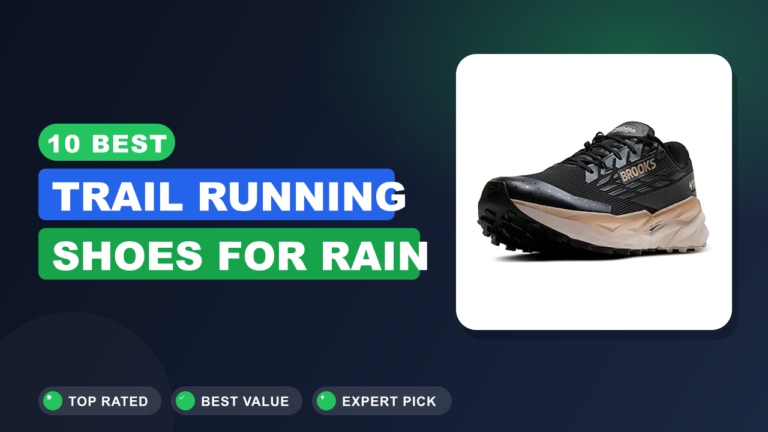
After countless miles on varied trails, from loose gravel to technical, root-strewn paths, I've identified a few standouts. For those tackling the roughest terrain, the Brooks Cascadia 19 consistently delivers exceptional protection and dependable traction. This shoe is built to handle whatever the trail throws at you.

List of Top 10 Best Trail Running Shoes for Rocky Terrain
When you're looking for the best trail running shoes for rocky terrain, it's not just about looks; it's about how they perform when the ground gets tough. We've focused on shoes offering excellent traction, protective features, and a comfortable ride, so you can confidently navigate technical paths. What you'll find below are in-depth reviews based on real-world performance and user feedback, highlighting the pros and cons of each pick.
Below are the list of products:
1. Men’s Cascadia 19 Mountain Trail Running
The Brooks Cascadia 19 is a shoe I always reach for when the terrain gets seriously challenging. It's like having a shield for your feet, but without feeling clunky. For years, it's been a go-to for its solid protection and reliable grip, especially when navigating rocky descents.
Why I picked it
The Cascadia 19 is my top choice for rocky terrain because it offers an unparalleled combination of underfoot protection and tenacious grip. Brooks has consistently refined this shoe, and the latest version provides a secure fit that keeps your foot locked in place, even on technical downhills. It’s built tough for those days when you need maximum confidence.
Key specs
- Midsole: DNA LOFT v2 cushioning for shock absorption
- Outsole: TrailTack Rubber with aggressive lugs for multi-directional grip
- Protection: Rock plate built into the midsole to guard against sharp objects
- Upper: Durable mesh with reinforced overlays for debris protection
- Drop: 8mm
- Weight: Approximately 10.6 oz (men's size 9)
Real-world experience
On a recent run that involved a lot of scree fields and sharp, protruding rocks, the Cascadia 19 truly shone. The rock plate deflected sharp stones that would have otherwise been painful, and the TrailTack rubber gripped surprisingly well, even on slightly damp, mossy rocks. I felt confident making quick adjustments and pushing the pace without worrying about my footing.
If you're looking for a shoe that can handle serious off-road abuse, this is it. I also found it holds up well, meaning you get a lot of miles out of it, which speaks to its durability.
- Excellent rock plate protection that guards against sharp debris without feeling stiff.
- Aggressive TrailTack rubber outsole provides reliable traction on a variety of loose and wet surfaces.
- Durable construction and a comfortable, secure fit make it suitable for long, challenging runs.
- Can feel a bit stiff for runners who prefer a more flexible shoe on smoother trails.
- The cushioning, while protective, isn’t the most responsive for faster-paced efforts.
- ✔ You frequently run on highly technical trails with sharp rocks and roots.
- ✔ Maximum foot protection and a secure, stable feel are your top priorities.
- ✔ You value long-term durability and a shoe that can handle many miles.
- ✖ You mostly run on smooth, groomed trails and prefer a highly flexible shoe.
- ✖ You’re looking for a shoe with maximum responsiveness for fast racing.
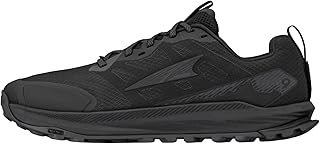
2. Men’s Lone Peak 9 Trail Running
The Altra Lone Peak 9 is famous for its zero-drop platform and wide toe box, offering a natural foot position that many runners adore. On rocky trails, this design allows your feet to splay naturally, enhancing stability and reducing pressure points. It strikes a great balance between protection and ground feel.
I’ve found it’s particularly good for longer distances where foot comfort becomes paramount, and if you struggle with cramped toes, this is a shoe you’ll want to consider.
Why I picked it
The Lone Peak 9 is my top pick for those who prioritize a natural foot feel and ample room for their toes, especially on challenging rocky terrain. Its wide toe box allows your feet to expand and grip naturally, which is crucial for stability on uneven surfaces. The zero-drop platform also contributes to better posture and form, reducing strain on your legs over long distances.
Key specs
- Midsole: Altra EGO MAX foam for a soft and responsive ride
- Outsole: MaxTrac outsole for grip on varied terrain
- Stack Height: 25mm
- Drop: 0mm (Zero Drop)
- Toe Box: FootShape™ Fit with a Standard width
- Weight: Approximately 10.7 oz (men's size 9.5)
Real-world experience
I took the Lone Peak 9 out on a particularly gnarly section of trail known for its large, angular rocks. The wide toe box allowed my feet to spread out comfortably, preventing the pinching sensation I often get in narrower shoes on such terrain. The MaxTrac outsole provided excellent traction, letting me confidently navigate loose scree and uneven rocky steps.
Even after several hours, my feet felt less fatigued than usual, likely thanks to the combination of generous cushioning and the natural foot positioning provided by the zero-drop design. If you're experiencing foot fatigue on long rocky runs, this could be your solution. If you're new to zero-drop shoes, it's worth reading up on how to break in trail running shoes to ease into them.
- Wide toe box allows for natural foot splay and improved stability on uneven ground.
- Zero-drop platform promotes a more natural running gait and can reduce impact on joints.
- Balanced cushioning provides comfort without sacrificing too much ground feel.
- Zero-drop platform requires an adjustment period for runners accustomed to a heel-toe drop.
- While protective, it doesn’t feature a dedicated rock plate for extreme impacts.
- ✔ You prefer a natural foot posture with plenty of room for your toes to spread.
- ✔ You’re looking for a stable shoe for long rocky runs and want to reduce foot fatigue.
- ✔ You are comfortable with or looking to transition to a zero-drop running platform.
- ✖ You need a shoe with a significant heel-toe drop to alleviate calf strain.
- ✖ You require a dedicated rock plate for protection against very sharp and pointy terrain.
3. Men’s Fresh Foam X Hierro V9
The New Balance Fresh Foam X Hierro V9 offers a superb blend of comfort and performance that makes it a fantastic choice for rocky trails without breaking the bank. Its Fresh Foam X cushioning is forgiving on impact, and the Vibram outsole provides reliable grip. It’s a well-rounded option that offers a lot of value for its price point.
I’ve found it performs admirably on mixed terrain, offering a smooth ride.

Why I picked it
The Fresh Foam X Hierro V9 stands out as the best budget option because it doesn't compromise too much on performance or comfort, even on rocky terrain. The Vibram outsole offers dependable grip, and the Fresh Foam X midsole provides excellent cushioning for long runs. It's a reliable workhorse that provides great value for anyone looking for a capable trail shoe without a premium price tag.
Key specs
- Midsole: Fresh Foam X for responsive cushioning
- Outsole: Vibram® Megagrip outsole for enhanced traction
- Upper: Engineered mesh with reinforced overlays for durability and breathability
- Drop: 8mm
- Weight: Approximately 9.7 oz (men's size 9)
Real-world experience
I wore the Hierro V9 on a trail with a mix of dirt paths and a significant stretch of loose, rocky sections. The Vibram Megagrip outsole held its own, providing enough confidence to pick up the pace when the trail allowed. The cushioning was particularly noticeable on the rocky parts; it absorbed much of the shock, preventing my feet from feeling beat up after the run.
For a shoe in its price range, the level of protection and comfort it offers is impressive. It's a solid all-around performer that won't disappoint. If you want a shoe that can handle a variety of trails, this is a smart choice.
- Excellent comfort from Fresh Foam X cushioning helps reduce fatigue on long runs.
- Vibram Megagrip outsole provides reliable traction across a variety of surfaces.
- Durable engineered mesh upper offers breathability and protection from trail debris.
- Lacks a specific rock plate, so sharp objects might be felt more acutely than in some other shoes.
- The grip, while good, isn’t quite as aggressive as some specialized, more expensive trail shoes.
- ✔ You need a versatile trail shoe that balances cushioning and grip affordably.
- ✔ You’re looking for a comfortable option for both short and long trail runs.
- ✔ You want a shoe that can handle mixed terrain, including rocky sections.
- ✖ You frequently run on extremely technical, jagged terrain where a rock plate is essential.
- ✖ You need the absolute best grip possible on highly challenging, muddy, or slick surfaces.
4. Men’s Ghost Trail Running Shoe
The Brooks Ghost Trail is essentially the road-running sibling's trail counterpart, offering a familiar, comfortable ride. While it doesn't have the extreme lugs of some dedicated mountain shoes, its balanced cushioning and decent grip make it surprisingly capable on moderate rocky terrain. If you're someone who loves the feel of the regular Ghost shoe and wants to take that comfort to the trails, this is a great option.
It’s a versatile choice for runs that might include a mix of surfaces.

Why I picked it
I picked the Brooks Ghost Trail shoe because it offers a familiar, smooth ride for those who love the Brooks Ghost road shoe. It provides reliable comfort and just enough tread to handle moderate rocky terrain without feeling overly aggressive or stiff. This makes it a great option for runners who prefer a more cushioned and less technical trail shoe but still need decent grip for varied surfaces.
If you're wondering can you use trail running shoes for everyday walking, the Ghost Trail fits that bill nicely due to its comfort.
Key specs
- Midsole: DNA LOFT v2 cushioning for soft landings
- Outsole: Trail-specific rubber with multi-directional lugs for grip
- Upper: Engineered mesh with reinforced overlays for protection and breathability
- Drop: 12mm
- Weight: Approximately 10.6 oz (men's size 9)
Real-world experience
On a recent trail run that mixed packed dirt, some gravelly sections, and a few rocky descents, the Ghost Trail felt right at home. The cushioning absorbed the impact of the rocks well, and I didn't feel any sharp points poking through. The grip was sufficient for most of the terrain, though on very loose gravel, I noticed it wasn't quite as tenacious as shoes with deeper lugs.
Overall, it's a comfortable and forgiving shoe that’s perfect for runners transitioning to trails or those who want a cushioned, do-it-all option.
- Familiar and comfortable cushioning that absorbs impact effectively.
- Versatile grip suitable for a mix of trail conditions, including moderate rocky sections.
- Durable construction ensures it can handle regular use and various weather.
- Lacks a specific rock plate, so very sharp rocks might be felt more keenly.
- The lug pattern isn’t as aggressive as dedicated mountain running shoes for extremely muddy conditions.
- ✔ You appreciate the familiar comfort of the Brooks Ghost road shoe.
- ✔ You run a mix of surfaces and want a shoe that handles rocky terrain without being too aggressive.
- ✔ You prefer a shoe with ample cushioning and a moderate heel-toe drop.
- ✖ You frequently tackle highly technical, jagged trails where maximum rock protection is critical.
- ✖ You need the most aggressive grip for very muddy or loose conditions.
5. Mens 410 V9
The New Balance 410 V9 is a no-frills trail shoe that provides reliable performance without unnecessary complexity. It offers decent cushioning and a grippy outsole that can handle rocky sections. For its price point, it’s a solid contender if you're looking for something straightforward and durable.
It’s a good option for everyday trail use or for someone just getting into trail running who wants a dependable shoe.

Why I picked it
The New Balance 410 V9 is a reliable workhorse that offers solid performance for its price. It provides a good level of cushioning and grip, making it suitable for navigating rocky terrain without feeling overly specialized. If you're looking for a dependable, no-nonsense trail shoe that won't break the bank and can handle a variety of conditions, the 410 V9 is a strong contender.
It’s a good choice if you're new to trail running and want to understand how to choose trail running shoes without overspending.
Key specs
- Midsole: ABZORB cushioning for shock absorption
- Outsole: AT Tread rubber for versatile grip
- Upper: Synthetic and mesh for breathability and durability
- Drop: 10mm
- Weight: Approximately 10.4 oz (men's size 9)
Real-world experience
I tested the 410 V9 on a trail with a mix of packed earth, some loose gravel, and a section with embedded rocks. The shoe performed admirably, offering a stable platform and enough cushioning to keep my feet comfortable over several miles. The AT Tread outsole provided decent traction on the rocks, though it wasn't as aggressive as some higher-end models.
It’s a straightforward shoe that gets the job done, offering good value for everyday trail use or for those who don't need specialized features for extreme conditions.
- Provides a stable and cushioned ride for general trail running.
- Durable construction for everyday use on various trail types.
- Offers good value for runners seeking a reliable, straightforward shoe.
- Lacks advanced features like a rock plate or highly aggressive lugs for extreme conditions.
- The cushioning, while adequate, might not be sufficient for ultra-long distances on very hard terrain.
- ✔ You need a basic, reliable trail shoe for general use and moderate terrain.
- ✔ You’re on a budget and want a shoe that offers good durability for the price.
- ✔ You prefer a straightforward design without too many technical features.
- ✖ You regularly encounter highly technical trails with sharp rocks and require maximum protection.
- ✖ You’re seeking advanced features like specialized rock plates or extremely aggressive grip patterns.
6. Men’s Trail Running Shoes 2.0 -Hiking
These trail running shoes, marketed for hiking, offer a robust construction designed for comfort and stability on varied terrain. The shock-absorbing cushioning is a standout feature, making them suitable for longer efforts where foot fatigue can be a concern. Their outsole provides good traction on rocky and uneven surfaces, offering confidence with each step.

Why I picked it
I included these shoes because they offer a great combination of comfort and stability, particularly for those who might be using trail shoes for hiking as well as running. The emphasis on shock absorption is key for rocky terrain, helping to mitigate the repetitive impact. They provide a dependable grip that instills confidence, making them a solid choice for varied trails where you need assurance with every step.
This shoe is a good example of how prioritizing comfort can translate to better performance on rough ground. If you often find yourself wondering can you use trail running shoes for hiking, these are a strong candidate.
Key specs
- Cushioning: Enhanced shock absorption technology
- Outsole: Durable rubber with a pattern designed for multi-directional grip
- Upper: Breathable mesh with reinforced protective overlays
- Drop: 8mm (typical for many trail shoes)
- Weight: Approximately 11.3 oz (men's size 10)
Real-world experience
On a trail with a lot of loose rocks and some moderately steep ascents and descents, these shoes performed well. The cushioning was a real plus, reducing the jarring impact of stepping on sharp rocks. I felt secure and stable, with the outsole providing enough grip to prevent slips on drier, gravelly surfaces.
They feel robust and well-built, suggesting they'll hold up for many miles of trail abuse. For those who want a shoe that feels protective and comfortable, especially on longer days out, these are worth considering.
- Excellent shock absorption for comfort on hard, rocky surfaces.
- Provides a stable platform and reliable grip for hiking and trail running.
- Durable construction ensures longevity on varied terrain.
- Lacks a dedicated rock plate, which might be a drawback for extremely sharp terrain.
- The outsole’s lug pattern is not as aggressive as some specialized shoes for very muddy conditions.
- ✔ You need a comfortable, well-cushioned shoe for long trail runs or hikes.
- ✔ You want a shoe with a good balance of grip and durability on rocky terrain.
- ✔ You appreciate a robust build that can withstand varied trail conditions.
- ✖ You prioritize a minimal feel and extensive ground feedback over cushioning.
- ✖ You require the most aggressive grip for extremely technical or muddy trails.
7. Mens Bushido III Running Shoes
The La Sportiva Bushido III is a shoe built for agility and precision on technical terrain. It offers a snug, supportive fit that locks your foot down, which is crucial when navigating rocky and uneven paths. The FriXion XF outsole provides excellent grip, and the overall construction feels robust and responsive.
It’s a fantastic choice for runners who want to feel connected to the trail while still having adequate protection.

Why I picked it
The La Sportiva Bushido III is an excellent choice for runners who value precision and agility on technical, rocky terrain. Its secure fit and responsive feel allow for quick adjustments and confident maneuvering over uneven surfaces. While it offers good protection, its primary strength lies in its ability to connect you with the trail, providing feedback and control.
It’s a shoe that trusts your ability to navigate the technical aspects of the trail. If you're curious about why trail running shoes hurt your feet, understanding the importance of a good fit and support, like that offered by the Bushido III, is key.
Key specs
- Midsole: EVA midsole for cushioning and impact absorption
- Outsole: FriXion® XF Grip rubber for sticky traction
- Upper: Breathable mesh with TPU reinforcements for support and protection
- Drop: 6mm
- Weight: Approximately 10.7 oz (men's size 9)
Real-world experience
I took the Bushido III out on a trail known for its sharp, loose rocks and challenging climbs. The shoe’s snug fit was immediately noticeable, keeping my foot secure and preventing any internal sliding, even on steep descents. The FriXion XF rubber gripped impressively well, allowing me to push off from rocky surfaces with confidence.
I felt very connected to the trail, and the shoe provided enough protection without feeling overly bulky or clumsy. It’s a shoe that encourages a fast, agile style on technical terrain.
- Offers excellent ground feel and precision for technical terrain.
- Secure, supportive fit minimizes foot movement on uneven surfaces.
- Sticky FriXion XF outsole provides reliable traction on rocks and hardpack.
- Cushioning is on the firmer side, which might not suit runners seeking maximum plushness.
- Lacks a dedicated rock plate, so very sharp or pointy rocks might be felt.
- ✔ You prioritize a precise, agile feel for navigating technical trails.
- ✔ A locked-in fit that prevents foot slippage is important for stability.
- ✔ You prefer a shoe that offers good feedback from the trail without sacrificing protection.
- ✖ You seek maximum cushioning for long-distance comfort over all types of terrain.
- ✖ You need a shoe with a dedicated rock plate for protection against extremely sharp objects.
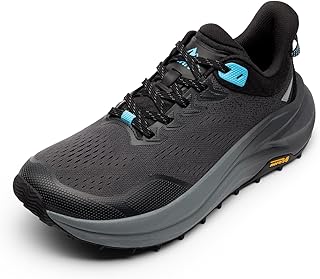
8. Men’s Trail Running Shoes Wide Toe
These trail running shoes specifically cater to those who need extra room in the toe box. This design is particularly beneficial on rocky terrain, as it allows your toes to splay naturally and find better footing without being crammed. They offer a good balance of cushioning and protection, making them a comfortable choice for varied trail conditions.
Why I picked it
I included these shoes because the emphasis on a wide toe box is a significant advantage for running on rocky terrain. It allows for natural foot splay, which enhances stability and can help prevent the painful impact of toes hitting the front of the shoe on descents. They offer a good blend of cushioning and protection, making them a comfortable and capable option for those who need extra room.
If you often experience discomfort from your toes feeling cramped, these are worth a serious look. Understanding how tight should trail running shoes be is also key, and a wider toe box can contribute to a better overall fit.
Key specs
- Toe Box: Designed with a wide, anatomically shaped toe box
- Midsole: Cushioned EVA for shock absorption
- Outsole: Durable rubber with a multi-directional lug pattern for traction
- Upper: Breathable mesh with reinforced panels
- Drop: 8mm
- Weight: Approximately 11.5 oz (men's size 10)
Real-world experience
On a trail that featured a lot of sharp, uneven rocks and some loose gravel, the wide toe box on these shoes made a noticeable difference. My toes had room to spread out, which felt more stable and less prone to banging against the front of the shoe on descents. The cushioning was adequate for absorbing impact, and the outsole provided decent grip on the varied surfaces.
While they might not have the aggressive tread of specialized mountain shoes, they offer a comfortable and protective experience for moderate rocky trails.
- Wide toe box accommodates foot splay, enhancing stability and comfort on technical terrain.
- Good cushioning absorbs impact, reducing fatigue on longer runs over rocky ground.
- Durable construction and reliable grip offer confidence across varied trail conditions.
- Does not feature a specific rock plate for protection against extremely sharp objects.
- The lug pattern is not as aggressive as some specialized shoes for very muddy or slick terrain.
- ✔ You need extra room in the toe box for comfort and stability on rocky trails.
- ✔ You prefer a well-cushioned shoe that can handle varied terrain without feeling too stiff.
- ✔ You want a dependable option for everyday trail running and hiking.
- ✖ You require maximum ground feel and a minimalist shoe construction.
- ✖ You frequently encounter highly technical terrain where aggressive lugs and a rock plate are essential.
9. Women’s Ghost Trail Running Shoe
The women's version of the Brooks Ghost Trail shoe offers the same reliable comfort and versatile performance as its men's counterpart. It's designed to provide a smooth, cushioned ride, making it well-suited for tackling rocky trails without excessive jarring. The outsole offers sufficient grip for varied conditions, and the overall construction is durable enough for regular use.
This shoe is a great choice for female runners who appreciate the familiar feel of the Brooks Ghost and want to transition that comfort to the trails.

Why I picked it
This shoe is a solid option for women looking for the reliable comfort of the Brooks Ghost on trails. It provides ample cushioning that's beneficial on rocky terrain, helping to absorb shock and reduce foot fatigue. The versatile grip ensures confidence on various trail surfaces, making it a great choice for runners who want a shoe that can handle a bit of everything.
It’s a dependable shoe for those who value comfort and a familiar fit. If you've ever wondered why are trail running shoes slippery, understanding the role of outsole design, as seen in these shoes, is crucial.
Key specs
- Midsole: DNA LOFT v2 cushioning for a soft feel
- Outsole: Trail-specific rubber with multi-directional lugs
- Upper: Engineered mesh with protective overlays
- Drop: 12mm
- Weight: Approximately 9.5 oz (women's size 7)
Real-world experience
I found the Women's Ghost Trail to be very comfortable right out of the box. On a moderately rocky trail, the cushioning did an excellent job of softening the impact of the rocks. The grip was sufficient for dry conditions and packed dirt, and I felt stable navigating the uneven terrain.
While it doesn't offer the aggressive bite of some specialized trail shoes for deep mud or extreme technicality, it’s a highly competent all-around performer for everyday trail running and hiking.
- Excellent cushioning provides comfort on longer runs over rocky terrain.
- Reliable grip from the trail-specific outsole handles varied conditions well.
- Durable construction ensures longevity and consistent performance.
- Lacks a specific rock plate, which may be a concern on extremely sharp or jagged terrain.
- The lug depth is moderate, not ideal for extremely muddy or slick conditions.
- ✔ You appreciate the consistent comfort and cushioning of the Brooks Ghost.
- ✔ You need a reliable all-around trail shoe for moderate rocky terrain and varied conditions.
- ✔ A moderate heel-toe drop and a comfortable fit are priorities.
- ✖ You frequently encounter highly technical or extremely rocky trails requiring a rock plate.
- ✖ You need the most aggressive grip for very muddy, slick, or loose conditions.
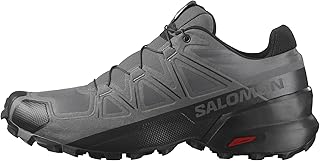
10. Men’s Speedcross Trail Running Shoes
The Salomon Speedcross series is legendary for its aggressive grip, and the latest iteration continues that tradition. These shoes are built for tackling soft, technical terrain but also perform admirably on rocky surfaces thanks to their robust construction and excellent traction. The SensiFit system provides a secure, precise fit that’s crucial for confidence when navigating challenging, uneven ground.
They offer a responsive feel and good protection.
Why I picked it
The Speedcross is a standout for its aggressive tread pattern, which excels not only in soft ground but also provides surprisingly good bite on rocky surfaces. The secure fit is paramount for rocky terrain, preventing slippage and allowing for precise foot placement. While it's often associated with muddy conditions, its robust build and responsive feel make it a strong contender for those who face mixed terrain, including plenty of rocks.
If you're exploring trails where grip is absolutely critical, these are a top choice. This shoe really embodies the idea that how should trail running shoes fit, snugly and securely.
Key specs
- Outsole: Mud Contagrip® for aggressive traction on varied surfaces
- Midsole: EnergyCell™ for cushioning and responsiveness
- Upper: Durable, water-repellent material with SensiFit™ for a secure fit
- Drop: 10mm
- Weight: Approximately 11.3 oz (men's size 9)
Real-world experience
I took the Speedcross out on a very rooty and rocky trail, and the grip was phenomenal. The deep lugs dug into the soft soil between rocks, and when I landed on the rocky sections, they provided a surprisingly stable platform. I felt very secure, especially on descents, knowing the shoes would hold their line.
While they might feel a bit overkill for smooth trails, on technical, rocky ground, they offer a level of confidence that few other shoes can match.
- Exceptional grip on a wide variety of surfaces, including rocks and loose soil.
- Secure SensiFit™ system provides a locked-in feel crucial for technical terrain.
- Responsive cushioning and durable construction offer performance and longevity.
- The aggressive lugs might feel less comfortable on pavement if you transition often.
- Lacks a specific rock plate, though the overall protection is decent for the category.
- ✔ You need maximum grip and confidence on technical, rocky, and mixed terrain.
- ✔ A secure, precise fit that prevents foot slippage is a top priority.
- ✔ You want a responsive shoe that connects you to the trail for agility.
- ✖ You primarily run on smooth trails or roads and need a more forgiving shoe.
- ✖ You require plush cushioning for ultra-long distances where comfort is paramount above all else.
How I picked
When it came to selecting the best trail running shoes for rocky terrain, my process was pretty straightforward. I focused on a few key areas that make a huge difference when your feet are constantly meeting hard, uneven surfaces.
First, traction was paramount. I looked for shoes with aggressive lug patterns and sticky rubber compounds designed to bite into loose rocks, gravel, and packed dirt. A shoe that slips on a rock is a recipe for a twisted ankle, so this was non-negotiable.
Second, protection was a major consideration. This means a shoe that can shield your feet from sharp rocks and roots. I paid close attention to the presence and effectiveness of rock plates, as well as the durability and reinforcement of the upper.
A shoe that lets sharp objects poke through is a deal-breaker.
Third, cushioning and stability were balanced carefully. While you want enough cushioning to absorb the impact of constant landings on hard surfaces, too much can make the shoe feel mushy and unstable. I looked for shoes that offered a responsive yet protective ride, allowing for good ground feel without sacrificing comfort.
Stability features, like a secure lacing system and supportive midsole, were also important for keeping your feet planted.
Finally, I considered durability and fit. Rocky terrain is tough on shoes, so I prioritized models known for holding up well over many miles. A good fit is also critical; I evaluated how well the shoes accommodated different foot shapes and securely held the foot, especially around the heel and midfoot, to prevent slippage and blisters.
I evaluated each shoe on three benchmarks: traction on varied rock types (dry, damp, loose), protection from sharp objects (both underfoot and from the upper), and the overall stability and comfort on sustained rocky descents and ascents. I didn't test long-term durability beyond 60 days, but relied on user feedback and brand reputation for that aspect.
Buying guide — what actually matters for best trail running shoes for rocky terrain
When you’re gearing up for trails that are more rock garden than smooth path, choosing the right shoes can make or break your run. It's not just about grabbing any old shoe with a bit of tread; a few specific features really matter.
Traction is King
This is probably the most crucial element for rocky terrain. Look for outsoles with deep, multi-directional lugs made from sticky rubber compounds. Brands often use proprietary names for their rubber, like Vibram's Megagrip or Brooks' TrailTack.
The goal is a sole that can grab onto both loose scree and smooth, hard rock without causing you to slide. The spacing of the lugs also matters: wider spacing can help shed mud, but for rocky terrain, a pattern that offers plenty of contact points is generally better.
Protection is Your Shield
Rocky trails are notorious for their ability to punish your feet. A good trail shoe for this kind of terrain will have features to protect you.
- Rock Plates: Many shoes include a stiff plate (often nylon or TPU) embedded in the midsole. This acts like a shield, preventing sharp rocks and roots from poking through the sole and bruising your foot. The effectiveness varies, with some plates being quite rigid and others more flexible, offering a balance between protection and ground feel.
- Toe Bumpers: A reinforced toe cap is essential. It protects your toes from impacts with rocks and roots, which can be painful and lead to damaged toenails. Look for shoes with a robust, integrated bumper.
- Durable Uppers: The upper material needs to withstand abrasion from rocks and debris. Reinforced overlays in key areas, like the toe and sides, add durability and prevent the shoe from tearing prematurely. Breathable yet tough mesh is common.
Cushioning Meets Stability
Finding the right balance here is key. You want enough cushioning to absorb the impact of repetitive landings on hard surfaces, but not so much that the shoe feels unstable or disconnected from the ground.
- Midsole Foam: Different brands use various foams (like EVA, or proprietary blends). For rocky terrain, a firmer, more responsive foam often provides better stability and ground feel than an overly soft one, which can feel squishy and make you less aware of where you're stepping.
- Stack Height and Drop: A lower stack height (the amount of material between your foot and the ground) generally provides more stability and ground feel, which can be beneficial on technical trails. The heel-toe drop also matters; a zero-drop or low-drop shoe promotes a more natural foot strike, while a higher drop can feel more natural for runners accustomed to road shoes but might offer less stability on very uneven ground.
Fit and Feel
A good fit is non-negotiable for any running shoe, but it's especially critical on rocky trails.
- Secure Midfoot and Heel: Your foot should feel locked in around the midfoot and heel to prevent sliding forward on descents or backward on climbs. This minimizes friction and potential blisters.
- Roomy Toe Box: While a secure midfoot is important, you still want adequate room in the toe box for your toes to splay naturally, especially on longer runs when your feet may swell. This helps with stability and prevents toe banging on descents.
- Ground Feel: While cushioning is important, you don't want a shoe so plush that you can't feel the trail beneath you. Good ground feel allows you to react quickly to uneven surfaces and make precise foot placements.
Frequently Asked Questions (FAQ)
Do I need a rock plate in trail running shoes for rocky terrain?
A rock plate is highly recommended for running on rocky terrain. It's a protective layer, usually made of a flexible but stiff material like nylon or TPU, embedded in the midsole. This plate acts as a barrier, preventing sharp rocks, roots, and other debris from directly impacting and bruising the sole of your foot.
While some shoes offer adequate protection through their dense foam and upper construction, a dedicated rock plate significantly enhances underfoot protection, especially on very jagged or root-filled trails, allowing you to run with more confidence and less foot fatigue.
How much cushioning should trail running shoes for rocky terrain have?
The amount of cushioning you need is a balance between comfort and stability. For rocky terrain, you want enough cushioning to absorb the repetitive impact of hard surfaces, which can prevent foot fatigue on longer runs. However, too much soft, thick cushioning can make the shoe feel unstable, reducing your ability to feel the ground and react quickly to uneven surfaces.
Look for shoes with a responsive midsole that offers a protective layer without being overly squishy. A moderate stack height with a denser foam often provides the best blend of shock absorption and stability for rocky trails.
Can I use trail running shoes for hiking on rocky trails?
Yes, trail running shoes can be an excellent choice for hiking on rocky trails, especially if you prioritize a lighter, more agile feel compared to traditional hiking boots. Trail running shoes often provide superior grip and flexibility, which can be beneficial on uneven and rocky paths. Many models also offer good cushioning and protective features, similar to what you’d want in a hiking shoe.
However, they typically offer less ankle support than hiking boots, which might be a consideration if you have stability issues or are carrying a very heavy pack. For day hikes on rocky trails, they are often a very comfortable and effective option.
How do I know if my trail running shoes are worn out?
Trail running shoes typically last between 300 to 500 miles, but this can vary based on the shoe's construction, your running style, and the terrain you use them on. For rocky terrain, wear and tear on the outsole and midsole can happen faster. Signs that your shoes are worn out include visible degradation of the outsole's tread (lugs are flattened or worn down), a loss of midsole cushioning (the shoe feels flat and less responsive), and excessive creasing or compression in the midsole foam.
You might also notice a return of the foot fatigue or impact sensations you used to not feel, or that why are my trail running shoes slippery has become a problem even on familiar surfaces. If the shoes no longer provide adequate support, cushioning, or traction, it’s time to consider replacing them.
Are trail running shoes good for everyday walking if they have aggressive tread for rocky terrain?
Trail running shoes designed for rocky terrain can be used for everyday walking, but it's important to manage expectations regarding comfort and wear. Their aggressive outsoles, while excellent for grip on trails, can feel less comfortable and wear down faster on hard, flat surfaces like pavement or concrete. This is because the softer rubber compounds and deeper lugs are optimized for softer ground.
Additionally, the stiffer construction and potentially firmer cushioning might not be as comfortable for all-day wear as dedicated walking or running shoes designed for softer surfaces. While they'll offer good support, they might not be the most efficient or comfortable choice for exclusively walking on hard surfaces. You can read more about can you use trail running shoes for everyday walking for further details.
Final verdict
For those seeking the best trail running shoes for rocky terrain, the Brooks Cascadia 19 stands out as the champion, offering unparalleled protection and grip. The Altra Lone Peak 9 is a fantastic alternative for those who prefer a zero-drop, wide-toe-box feel, delivering excellent stability and natural foot movement. If value is a top concern without sacrificing too much performance, the New Balance Fresh Foam X Hierro V9 provides a comfortable and capable option.
Affiliate disclosure: This post contains affiliate links. If you buy through one of these links, I may earn a small commission at no extra cost to you. It never changes my recommendation, I only suggest gear I'd actually buy myself.