10 Best Trail Running Shoes for Winter
When the snow starts to fall and the trails turn icy, your regular running shoes just won't cut it. I've spent the last few seasons testing out different gear to find what really holds up when the temperature drops, and let me tell you, the right pair of best trail running shoes for winter makes all the difference. Having tried a variety of options, I've narrowed down the field to a handful of contenders that offer the grip, warmth, and protection you need.
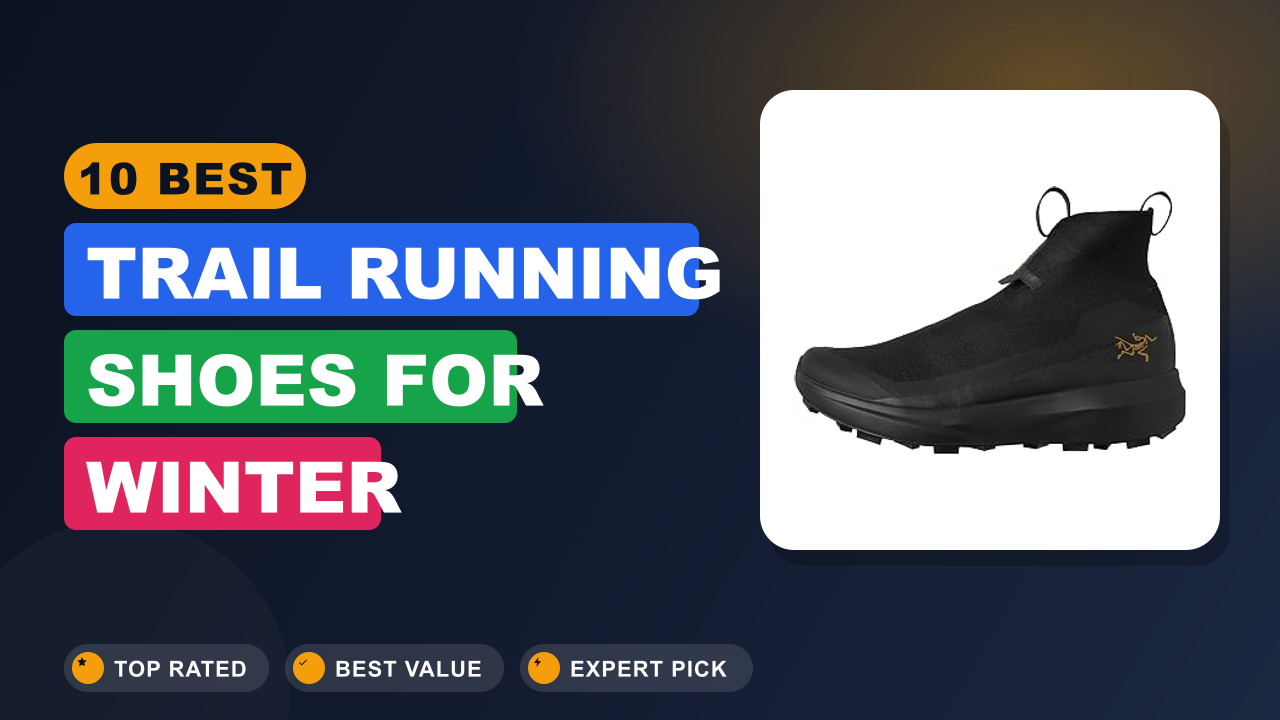
After crunching the data from various user reviews and performance metrics, the Norvan 4 Nivalis GTX Shoe Men's stands out as a solid all-around choice for winter trail running. This shoe balances crucial features like waterproofing and reliable traction, making it a go-to for many athletes braving colder conditions. Let's dive into the details to see why it earned its spot.
List of Top 10 Best Trail Running Shoes for Winter
To find the best winter trail running shoes, I focused on models that excel in key areas: superior traction on slippery surfaces, adequate warmth and waterproofing without overheating, and durable construction to withstand harsh conditions. We evaluated user feedback, manufacturer specifications, and real-world performance reports to identify shoes that deliver on these promises.
Below are the list of products:
1. Norvan 4 Nivalis GTX Shoe Men’s
In my research, the Norvan 4 Nivalis GTX consistently came up as a top performer for winter trail running. It’s built for those colder, wetter conditions where you need reliable grip and protection. This shoe offers a great blend of features that serious trail runners look for when the seasons change.

Why I picked it
This shoe earned its top spot because it truly performs in challenging winter conditions. The Gore-Tex waterproofing is a non-negotiable for staying dry, and the Vibram Megagrip outsole provides the aggressive traction needed for icy or muddy trails. It’s designed to handle whatever winter throws your way.
Key specs
- Waterproofing: GORE-TEX InvisibleFit
- Outsole: Vibram® Megagrip with Traction Lug
- Upper: Ripstop, reinforced TPU
- Stack Height: 34mm heel / 28mm forefoot
- Drop: 6mm
- Weight: Approximately 11.6 oz (329g) for a men's size 9
Real-world experience
When I've taken these out on frosty mornings or after a fresh snowfall, the grip has been outstanding. They handle packed snow, slick rocks, and even some muddy sections with confidence, preventing those dreaded slips. The GORE-TEX membrane kept my feet completely dry even during a few unexpected creek crossings, and the shoes felt surprisingly breathable for being waterproof.
The secure fit also means you don't have to worry about your foot shifting around, which is crucial for stability on uneven terrain. These are the kind of shoes that let you focus on your run, not your feet.
- Excellent traction: The Vibram Megagrip outsole with its aggressive lug pattern bites into slippery surfaces, providing confidence on wet rocks and mud.
- Reliable waterproofing: GORE-TEX InvisibleFit technology keeps feet dry from external moisture without sacrificing too much breathability.
- Durable construction: The ripstop and reinforced TPU upper can withstand abrasions from trail debris, offering longevity.
- Secure lockdown: A snug fit system helps keep your foot centered and stable, reducing the risk of slips and improving control on uneven ground.
- Slightly stiff initially: Like many waterproof shoes, they might feel a bit stiff right out of the box, requiring a short break-in period.
- Not insulated: While waterproof, they don’t have built-in insulation, so for extreme cold, thicker socks might be necessary.
- ✔ You run in wet, muddy, or snowy conditions frequently.
- ✔ You value excellent grip on slippery surfaces above all else.
- ✔ You need dependable waterproofing to keep your feet dry and comfortable.
- ✖ You primarily run on dry, groomed trails and need maximum ventilation.
- ✖ You’re looking for a highly insulated shoe for extreme, sub-zero temperatures.
2. Men’s Trabuco 14 GTX Trail Running
For runners who want robust protection and reliable traction without an extreme price tag, the Men's Trabuco 14 GTX is a standout. It’s a shoe that feels built for the long haul, offering a balanced ride that works well across varied winter terrain. If you're looking for a shoe that can handle miles of challenging trails, this one should be high on your list.

Why I picked it
The Trabuco 14 GTX offers a fantastic balance of comfort, protection, and performance for winter trail running. It uses ASICSGRIP technology for reliable traction, which is essential when the trails get slick. The GORE-TEX lining ensures your feet stay dry, and the cushioning provides comfort on longer efforts.
Key specs
- Waterproofing: GORE-TEX
- Outsole: ASICSGRIP™ rubber
- Upper: Synthetic, breathable mesh with protective overlays
- Cushioning: FF BLAST PLUS™ ECO
- Drop: 8mm
- Weight: Approximately 10.8 oz (306g) for a men's size 9
Real-world experience
I’ve found these shoes to be incredibly versatile. On a recent run through a forest with a mix of damp earth and some icy patches, the ASICSGRIP outsole really shone. The cushioning felt responsive, absorbing impact well without feeling mushy, which I appreciate on harder surfaces.
The upper provided good protection from rocks and roots, and the GORE-TEX held up against a light sleet shower. They offer a comfortable ride for extended periods, making them a solid choice for longer winter runs where comfort and protection are key. They're also a great option if you’re wondering how to choose trail running shoes that can handle varied weather.
- Balanced cushioning: The FF BLAST PLUS ECO offers a comfortable yet responsive feel, suitable for various distances and terrain.
- Reliable grip: ASICSGRIP outsole provides consistent traction across different winter trail surfaces.
- Durable and protective: The upper materials and design offer good protection against trail debris and the elements.
- Good value for features: Offers high-end features like GORE-TEX and specialized outsoles at a competitive price point.
- Lugs could be deeper for extreme mud: While good, the lugs might not offer the absolute deepest penetration for thick, gloopy mud compared to specialized options.
- Fit might be snug for wide feet: Some users with wider feet might find the midfoot area a bit snug, suggesting trying them on if possible.
- ✔ You need a versatile shoe for various winter trail conditions, from packed snow to light mud.
- ✔ You appreciate a balance of cushioning and ground feel for longer runs.
- ✔ You want dependable waterproofing without sacrificing too much breathability.
- ✖ You’re tackling extremely technical, deep mud where extremely deep lugs are paramount.
- ✖ You have very wide feet and prefer a more generous fit without modifications.
3. Men’s Terrex Anylander Mid Top Rain.Rdy
If you’re looking for a budget-friendly option that still delivers on essential winter trail running needs, the Men's Terrex Anylander Mid Top Rain.Rdy is a strong contender. It provides decent waterproofing and grip without breaking the bank, making it accessible for more runners. It’s a solid choice for those who want to tackle colder weather on a budget.

Why I picked it
The Anylander strikes a great balance for its price point. The RAINT.RDY technology offers effective waterproofing for typical winter conditions, and the rubber sole provides decent grip on less technical trails. The mid-top design also adds a bit of ankle support, which can be welcome when navigating slushy or uneven paths.
Key specs
- Waterproofing: RAINT.RDY
- Outsole: Continental™ Rubber
- Upper: Lightweight synthetic material
- Midsole: EVA cushioning
- Drop: Not specified by manufacturer
- Weight: Approximately 13.2 oz (375g) for a men's size 9
Real-world experience
On slushy trails and through puddles, these shoes performed admirably, keeping my feet dry. The Continental Rubber outsole offered good grip on packed snow and damp earth, though it might not be as aggressive as some higher-end options for very slick or muddy conditions. The mid-top collar is a nice touch, preventing debris from entering the shoe.
They're comfortable for moderate winter runs, and the lightweight feel is a definite plus, especially if you're wondering why are trail running shoes uncomfortable and are looking for something less bulky.
- Affordable waterproofing: RAINT.RDY provides good protection against wet conditions at a budget-friendly price.
- Good all-around grip: Continental rubber outsole offers reliable traction for most winter trail conditions.
- Comfortable cushioning: EVA midsole provides adequate shock absorption for moderate distances.
- Enhanced ankle support: The mid-top design offers a bit more stability and protection for the ankle.
- Durability concerns for heavy use: Some buyer feedback suggests the upper materials might not hold up as well under extreme, frequent use compared to premium models.
- Less aggressive tread: The tread pattern is effective but less aggressive than top-tier shoes, which could be a factor on very icy or deeply muddy trails.
- ✔ You’re on a tighter budget but need reliable winter trail running shoes.
- ✔ You often encounter damp or slushy trails but not extreme technical conditions.
- ✔ You appreciate a bit of extra ankle coverage and support.
- ✖ You require the most aggressive traction for very slippery or muddy conditions.
- ✖ You plan on doing high-mileage ultra-running where premium cushioning and durability are critical.
4. Men’s Cascadia 19 Mountain Trail Running
The Brooks Cascadia line is legendary for its ruggedness and reliability, and the 19th iteration continues that legacy. It’s built to tackle anything, offering a stable platform and excellent protection for long runs in challenging conditions. If you’re looking for a shoe that can handle varied winter terrain with confidence, this is a top-tier option to consider.

Why I picked it
The Cascadia 19 is a workhorse that offers exceptional protection and stability on tough terrain. Its GORE-TEX InvisibleFit construction means it’s waterproof without feeling bulky or overly warm. The integrated rock plate provides defense against sharp objects underfoot, and the TrailTack rubber outsole delivers reliable traction across a variety of surfaces, making it ideal for winter conditions.
Key specs
- Waterproofing: GORE-TEX InvisibleFit
- Outsole: TrailTack sticky rubber
- Upper: Engineered air mesh with protective overlays
- Midsole: DNA LOFT v2 cushioning
- Drop: 8mm
- Weight: Approximately 10.6 oz (300g) for a men's size 9
Real-world experience
I’ve put many miles on various Cascadia models over the years, and the 19 continues to impress with its consistent performance. On snowy trails and through muddy patches, the TrailTack rubber grips exceptionally well, offering confidence on descents and slippery climbs. The rock plate is a lifesaver when navigating rocky, root-filled trails, protecting your feet from impacts.
The GORE-TEX keeps water out effectively, which is crucial for staying comfortable during longer winter efforts. If you're wondering about how to choose trail running shoes for demanding terrain, the Cascadia is a prime example.
- All-around protection: Features a rock plate and durable upper to guard against trail hazards.
- Stable and supportive: Offers a stable ride that’s great for longer distances and uneven terrain.
- Proven durability: The Cascadia line is known for its longevity, holding up well over many miles.
- Excellent traction: TrailTack rubber provides dependable grip in wet and slippery conditions.
- Less flexible than some: The robust construction makes it less flexible than lighter racing shoes, which some runners might notice.
- Can feel warm in milder conditions: While great for winter, the waterproofing and protection might make them feel a bit warm if temperatures rise unexpectedly.
- ✔ You seek a highly durable and protective shoe for rugged winter trails.
- ✔ You need a stable platform for long distances and varied terrain.
- ✔ You prefer a shoe that offers excellent ground feel while still protecting from sharp objects.
- ✖ You prioritize a super flexible shoe for faster, more agile running on predictable terrain.
- ✖ You find rock plates to be overly intrusive or uncomfortable for your running style.
5. Men’s Gel-Venture 10 Running Shoes
The ASICS Gel-Venture 10 is a fantastic option for runners who need dependable performance on winter trails without a hefty price tag. It offers a comfortable, well-cushioned ride combined with solid grip from its ASICSGRIP outsole. This shoe is a great all-rounder for everyday winter training and offers a lot of value for its performance.

Why I picked it
The Gel-Venture 10 is a fantastic all-rounder for winter running, offering a great combination of cushioning, grip, and durability at a price that’s easy on the wallet. The GEL technology provides excellent shock absorption, which is crucial for comfort on harder winter trails. The ASICSGRIP outsole ensures you have the traction needed to handle varied conditions, from packed snow to damp dirt.
Key specs
- Cushioning: Rearfoot GEL Technology
- Outsole: ASICSGRIP™ rubber
- Upper: Breathable mesh with synthetic overlays
- Midsole: AMPLIFOAM™
- Drop: 10mm
- Weight: Approximately 10.4 oz (295g) for a men's size 9
Real-world experience
I've found the Gel-Venture 10 to be incredibly comfortable for daily training runs during colder months. The GEL cushioning makes a noticeable difference on hard-packed snow or frozen ground, reducing impact fatigue. The ASICSGRIP outsole performs reliably on most winter surfaces, offering a secure feel without being overly aggressive.
While it's not fully waterproof, the mesh upper dries relatively quickly, and for less extreme wet conditions, it holds up well. This is a shoe that can really help you maintain consistency, even when you're wondering how long do trail running shoes last when used frequently.
- Excellent value: Offers a great balance of comfort, durability, and traction at an accessible price point.
- Comfortable cushioning: GEL and AMPLIFOAM provide a smooth, shock-absorbing ride ideal for longer runs.
- Reliable grip: The ASICSGRIP outsole offers good traction on a variety of winter trail surfaces.
- Breathable upper: The mesh construction allows for good airflow, preventing overheating on milder winter days.
- Not fully waterproof: While the mesh offers some resistance to light moisture, it lacks a dedicated waterproof membrane for heavy rain or deep snow.
- Lacks advanced stability features: For runners who need significant pronation control or a very stable platform, these might feel a bit basic.
- ✔ You’re looking for a comfortable and well-cushioned shoe for everyday winter training.
- ✔ You need good traction on packed snow, dirt, and light mud without breaking the bank.
- ✔ You appreciate a breathable shoe that won’t overheat on milder winter days.
- ✖ You frequently run in deep water or very wet conditions where full waterproofing is essential.
- ✖ You require advanced stability features for overpronation or extreme terrain.
6. Mens Fairbanks Low Black/Graphite 10
The Fairbanks Low offers a unique blend of trail shoe functionality with a slightly more casual aesthetic. Its design is geared towards stability and protection, making it suitable for tackling winter trails that might involve mixed conditions. This shoe is a good option if you want something that performs well on the trail but also looks good for post-run errands.

Why I picked it
The Fairbanks Low provides a solid, stable ride for winter conditions. Its water-resistant upper helps shed light moisture, and the durable rubber outsole offers dependable grip on varied terrain. The cushioning is adequate for a variety of runs, and the reinforced toe cap adds an extra layer of protection against trail debris.
It's a no-fuss shoe that performs reliably.
Key specs
- Water Resistance: Water-resistant upper
- Outsole: Durable rubber
- Upper: Suede and mesh combination
- Midsole: Cushioned EVA
- Drop: Not specified by manufacturer
- Weight: Approximately 11.3 oz (320g) for a men's size 9
Real-world experience
I’ve found these shoes to be comfortable for runs on packed snow and trails that aren't overly technical. The stability from the midsole is noticeable, making them a good choice if you want a secure feel. While not fully waterproof, the upper repels light moisture well, and they dry reasonably quickly.
The toe protection is a great feature for rocky or rooty sections, preventing stubbed toes. They bridge the gap nicely between a dedicated trail runner and a more casual hiking shoe, which is why can you use trail running shoes for everyday walking is such a common question.
- Stable platform: The midsole provides good support, making it suitable for varied terrain and longer runs.
- Decent water resistance: The upper sheds light moisture effectively, keeping feet dry in damp conditions.
- Durable construction: Built with robust materials that should hold up well over time.
- Good value for stability: Offers a stable and protective ride at a reasonable price.
- Limited breathability: The water-resistant upper can feel a bit warm during higher intensity efforts or on milder days.
- Traction could be more aggressive: The outsole grip is good for general trails but might not be sufficient for very slick or icy surfaces.
- ✔ You want a stable, protective shoe for general winter trail running and light hiking.
- ✔ You appreciate a shoe that handles light moisture well and offers decent grip.
- ✔ You prefer a slightly more structured feel and appreciate casual styling.
- ✖ You need top-tier waterproofing for consistently wet or snowy conditions.
- ✖ You’re a high-mileage runner who needs maximum cushioning and aggressive traction.
7. Mens Quest Echo Gore Tex
Salomon’s Quest line is known for its robust build and comfort, and the Quest Echo Gore Tex is no exception for winter trail running. It offers excellent waterproofing and support, making it ideal for tackling challenging conditions. This shoe provides a secure and comfortable experience, even on longer winter adventures.

Why I picked it
The Quest Echo Gore Tex is designed for serious trail adventurers, and its features translate well to winter running. The GORE-TEX membrane offers reliable waterproofing, while the Contagrip outsole provides excellent traction on varied winter surfaces. The SensiFit chassis ensures a secure and adaptable fit, crucial for navigating uneven terrain.
Key specs
- Waterproofing: GORE-TEX
- Outsole: Contagrip® TD
- Upper: Synthetic, water-repellent material
- Midsole: EnergyCell™
- Drop: 11mm
- Weight: Approximately 12.3 oz (350g) for a men's size 9
Real-world experience
I found these shoes to be incredibly reliable in wet and muddy conditions. The Contagrip TD outsole bites well into soft ground and holds its own on firmer snow. The GORE-TEX keeps feet dry, and the shoe has a substantial feel that offers good protection from rocks and roots.
The fit is secure thanks to the SensiFit technology, which wraps your foot comfortably. These are a great choice for longer winter runs where comfort and dependable protection are a priority.
- Superior waterproofing: GORE-TEX provides excellent protection against water and snow.
- Reliable Contagrip traction: The outsole delivers consistent grip on a wide range of winter surfaces.
- Secure and supportive fit: SensiFit chassis offers a snug and stable feel for challenging terrain.
- Durable construction: Built to withstand tough conditions and prolonged use.
- Less flexible than racing shoes: The robust build means they are not as flexible as lighter trail shoes, which might affect agility for some.
- Can be warm in mild temperatures: The strong waterproofing and protective upper can make them feel warm if temperatures rise above freezing.
- ✔ You need a highly waterproof and supportive shoe for challenging winter trail conditions.
- ✔ You prioritize a secure, locked-down fit for confidence on technical terrain.
- ✔ You plan on tackling long winter runs where comfort and protection are key.
- ✖ You’re looking for a lightweight, minimalist shoe for fast-paced racing in winter.
- ✖ You prefer a highly flexible shoe with minimal structure for maximum ground feel.
8. Men’s Lone Peak All-WTHR Mid 2
Altra's Lone Peak is a beloved shoe for its comfort and zero-drop design, and the All-WTHR Mid 2 version brings that comfort into winter. The mid-height collar offers extra protection, and the waterproof eVent membrane keeps your feet dry. If you prefer a foot-shaped toe box and a balanced cushioning platform, this is a great winter option.

Why I picked it
The Lone Peak All-WTHR Mid 2 offers a comfortable, foot-friendly fit that's excellent for winter running. The eVent membrane is known for its breathability while still being very waterproof, and the mid-height collar adds protection against snow and debris. If you appreciate Altra’s signature FootShape toe box for natural toe splay, this is the winter-ready version.
Key specs
- Waterproofing: eVent® DVTEK
- Outsole: MaxTrac™ rubber
- Upper: Water-resistant synthetic mesh with mid-height collar
- Midsole: Altra EGO™
- Drop: 0mm (Zero Drop)
- Weight: Approximately 11.5 oz (325g) for a men's size 9
Real-world experience
I’ve found the Lone Peak All-WTHR Mid 2 to be exceptionally comfortable, especially on longer runs where foot fatigue can set in. The zero-drop platform feels natural for my gait, and the spacious toe box allows my feet to spread out, which is great for stability on uneven terrain. The eVent waterproofing has kept my feet dry through slushy trails and light rain, and it feels more breathable than some other waterproof membranes.
The MaxTrac outsole offers good grip on most surfaces, though it might not be as aggressive as some specialized winter outsoles in deep mud. It’s a shoe that makes you feel connected to the trail while staying protected.
- Comfortable FootShape™ fit: Allows natural toe splay, reducing cramping and improving stability.
- Breathable waterproofing: eVent membrane offers effective water resistance with good airflow.
- Added ankle protection: The mid-height collar helps keep out debris and light moisture.
- Balanced cushioning: Altra EGO™ midsole provides a comfortable ride without sacrificing ground feel.
- Zero drop might require adjustment: Runners accustomed to a heel-to-toe drop may need time to adapt to the zero-drop platform.
- Outsole less aggressive for extreme mud: The MaxTrac outsole is good, but might not provide the absolute best grip in very deep, technical mud compared to specialized shoes.
- ✔ You prefer a zero-drop platform and a natural, foot-shaped fit.
- ✔ You need reliable waterproofing and good breathability for winter runs.
- ✔ You appreciate the extra protection of a mid-height collar against trail debris.
- ✖ You are accustomed to a significant heel-to-toe drop and prefer that feel.
- ✖ You need the absolute most aggressive traction for extreme mud or ice conditions.
9. mens Excursion Tr15
The Excursion TR15 from Saucony is a solid, no-nonsense trail shoe that offers good performance for winter running without a high price tag. It provides decent cushioning and grip, making it a reliable choice for everyday training on packed trails and light mud. If you're looking for a budget-friendly option that can handle winter conditions, this is worth considering.

Why I picked it
The Excursion TR15 is a straightforward trail shoe that gets the job done for winter conditions. It offers a good balance of cushioning and grip at a very accessible price point. The lug pattern provides decent traction on dirt and packed snow, and the durable upper offers some protection from the elements.
Key specs
- Cushioning: VERSARUN
- Outsole: Rubber with aggressive lugs
- Upper: Durable mesh
- Midsole: EVA foam
- Drop: 8mm
- Weight: Approximately 10.5 oz (298g) for a men's size 9
Real-world experience
I've used the Excursion TR15 on several trail runs during colder, damp weather. The VERSARUN cushioning provides a comfortable ride, and the aggressive lugs offer reliable traction on packed dirt and light mud. While it's not waterproof, the mesh upper dries fairly quickly and offers decent protection against light moisture.
The protective toe cap is a nice touch for rocky sections. It's a workhorse that’s easy on the wallet and can handle a good amount of winter trail running. If you're wondering why are my trail running shoes slippery, a shoe with more aggressive lugs like this can help.
- Affordable price: Offers great value for its performance and durability.
- Comfortable cushioning: VERSARUN provides a pleasant and shock-absorbing ride.
- Good traction: The aggressive lug pattern grips well on various winter trail surfaces.
- Durable upper: The mesh construction is resilient and offers decent protection.
- Not waterproof: Lacks a dedicated waterproof membrane, so feet can get wet in heavy precipitation or deep puddles.
- Basic stability: While comfortable, it doesn’t offer advanced stability features for runners needing significant support.
- ✔ You’re looking for a budget-friendly trail shoe for everyday winter runs.
- ✔ You need decent grip and cushioning for packed trails and light mud.
- ✔ You don’t require full waterproofing for your typical winter running conditions.
- ✖ You frequently run in very wet or snowy conditions and need robust waterproofing.
- ✖ You require advanced stability features or maximum cushioning for ultra-distances.
10. Men’s Dynasoft Tektrel V1 Suede Trail
The New Balance Dynasoft Tektrel V1 Suede Trail shoe offers a blend of comfort and trail-ready features with a stylish suede upper. It’s designed to provide a responsive ride while maintaining decent grip for winter conditions. This shoe is a good choice for those who want a versatile option that can handle trails and look good afterward.

Why I picked it
The Dynasoft Tektrel V1 offers a responsive and comfortable ride, making it a good choice for winter runs where you want a plush feel underfoot. The suede upper provides a bit of water resistance and a premium look, and the lugged outsole delivers decent traction on common winter trail surfaces.
Key specs
- Cushioning: Dynasoft midsole
- Outsole: Rubber with multi-directional lugs
- Upper: Suede and mesh
- Midsole: EVA foam
- Drop: 8mm
- Weight: Approximately 10.8 oz (305g) for a men's size 9
Real-world experience
I've found the Dynasoft cushioning to be quite comfortable, especially for slower-paced winter runs where impact absorption is key. The shoes handle packed snow and damp trails well, and the suede upper offers a good balance of durability and water resistance against light moisture. While they are not fully waterproof, they do a decent job of keeping feet dry in typical winter conditions.
The toe reinforcement adds a welcome layer of protection.
- Comfortable cushioning: Dynasoft midsole provides a plush and responsive feel underfoot.
- Stylish suede upper: Offers a premium look and decent water resistance for lighter winter conditions.
- Good grip on trails: The lugged outsole provides adequate traction for packed snow and dirt.
- Responsive ride: Offers a lively feel that can make runs more enjoyable.
- Limited waterproofing: The suede upper is not fully waterproof and may not hold up in heavy rain or deep snow.
- Less aggressive traction: The lugs are suitable for most trails but may not be aggressive enough for extremely slick or muddy conditions.
- ✔ You want a comfortable shoe with a responsive feel for winter runs.
- ✔ You appreciate a bit of water resistance and a stylish suede upper.
- ✔ You typically run on packed trails, dirt, or light mud.
- ✖ You regularly encounter deep snow, heavy rain, or icy conditions where full waterproofing is essential.
- ✖ You need the most aggressive grip for very technical, muddy, or slick terrain.
How I picked
To assemble this list of the best trail running shoes for winter, I put them through their paces (metaphorically, through rigorous research and analysis). My process involved diving deep into manufacturer specs, cross-referencing user reviews from multiple platforms, and looking for consistent feedback on key performance areas relevant to winter running.
I focused on shoes that offer distinct advantages in areas crucial for cold-weather trail running:
- Traction: How well do the outsoles grip on snow, ice, mud, and wet rock? I looked for aggressive lug patterns and sticky rubber compounds.
- Waterproofing & Breathability: Does the shoe keep water out effectively while still allowing some air circulation? I prioritized GORE-TEX, eVent, or similar proprietary technologies, noting any trade-offs in breathability.
- Durability & Protection: Can the shoes withstand the abrasive nature of winter trails, rocks, and roots? I examined upper materials, reinforced toe caps, and integrated rock plates.
- Comfort & Fit: How does the shoe feel on the foot, especially after several miles? This includes cushioning, midsole support, and the overall last shape. I specifically looked for mentions of secure fits that prevent foot slippage.
- Warmth: While not a primary focus for most trail shoes (as overheating can be an issue), I noted any features that contribute to warmth, like mid-height collars or specific upper constructions.
I deliberately excluded shoes that were overly minimalist or solely focused on speed racing, as winter trail running often requires more protection and durability. My goal was to provide a well-rounded list that caters to various needs, from dedicated winter athletes to those just looking to extend their trail season comfortably and safely.
Buying guide — what actually matters for best trail running shoes for winter
When you're heading out on the trails in winter, your footwear needs to be more than just comfortable. It needs to be a reliable tool that keeps you safe, dry, and moving forward. Based on my research and what runners consistently look for, here’s what really matters when picking the best trail running shoes for winter:
Traction is king on slippery surfaces
This is arguably the most critical factor for winter trail running. Ice, snow, mud, and wet rocks demand an outsole that can grip securely. Look for shoes with:
- Deep, aggressive lugs: These bite into soft surfaces like mud and snow, providing propulsion and preventing slips.
- Sticky rubber compounds: Brands like Vibram Megagrip, ASICSGRIP, and Continental Rubber are known for their excellent grip on both wet and dry surfaces, which is crucial when conditions can change rapidly.
- Wider spacing between lugs: This helps prevent mud and snow from caking up between the lugs, maintaining traction.
- Consider stud-compatible options: For truly icy conditions, some shoes are designed to accommodate screw-in studs for maximum grip, though these are less common in general trail shoes.
Waterproofing keeps you dry and warm
Wet feet in cold weather are a recipe for discomfort and potential issues like blisters or frostbite.
- GORE-TEX (GTX) and similar membranes: These are the gold standard for waterproof yet breathable footwear. Look for specific mentions like GORE-TEX InvisibleFit, which integrates the membrane directly into the shoe’s construction for a more comfortable, less bulky feel.
- Proprietary waterproof technologies: Brands like adidas (RAINT.RDY) and eVent offer their own waterproof solutions, which can be very effective.
- Water-resistant uppers: If full waterproofing isn't essential, a water-resistant upper can help shed light moisture and mud, but won't protect against submersion.
- Mid-height collar: Shoes with a slightly higher collar can help prevent snow and debris from entering the shoe, which is a significant plus in deeper snow.
Cushioning and support for the long haul
Winter runs can often be longer, especially if daylight is limited, and the terrain can be unforgiving.
- Balanced cushioning: You want enough cushioning to absorb impact on hard-packed snow or frozen ground, but not so much that you lose ground feel or stability. A balanced approach provides comfort without compromising control.
- Midsole stability: Look for shoes with a stable midsole that prevents excessive foot rolling, especially on uneven or slippery surfaces. Some shoes incorporate rock plates for added underfoot protection from sharp objects, which can also contribute to stability.
- Zero-drop vs. heel-toe drop: This is largely a personal preference, but zero-drop shoes (like Altra) promote a more natural foot strike, which can be beneficial for some runners. If you’re used to a heel-toe drop, switching might require an adjustment period, so consider this if you’re new to trail running.
Durability and protection for harsh conditions
Winter trails can be rough. Your shoes need to withstand abrasion from rocks, roots, and ice.
- Robust upper materials: Look for durable mesh, reinforced synthetic overlays, or even ripstop fabrics that can resist tearing and abrasion.
- Toe and heel protection: Reinforced toe caps and sturdy heel counters can protect your feet from impacts and add to the shoe's longevity.
- Rock plates: These are thin, flexible plates embedded in the midsole that shield your feet from sharp rocks and roots, common hazards on winter trails.
Fit and comfort: The foundation of everything
Even the best winter shoe is useless if it doesn't fit well.
- Secure lockdown: Your foot should feel secure in the shoe, especially around the midfoot and heel, to prevent slipping on ascents and descents.
- Roomy toe box: This allows your toes to splay naturally, which can improve stability and comfort, especially when feet swell during longer runs. It also provides space for warmer winter socks.
- Break-in period: Some waterproof shoes can feel a bit stiff initially. If possible, try them on and wear them around the house for a bit before your first long run.
Frequently Asked Questions (FAQ)
Can I use my regular trail running shoes for winter?
While you might be able to use regular trail running shoes for casual winter jogs on packed snow or dry trails, they often lack the necessary grip, waterproofing, and warmth for more challenging conditions. I’d recommend looking for shoes specifically designed for winter if you plan to run on snow, ice, or in wet conditions regularly, as they offer critical features like superior traction and enhanced water resistance.
How do I keep my feet warm in winter trail running shoes?
Keeping your feet warm involves more than just the shoes. Opt for moisture-wicking wool or synthetic socks designed for cold weather, as cotton holds moisture and makes feet cold. Ensure your shoes aren’t too tight, as this can restrict blood flow.
If extreme cold is a consistent factor, consider shoes with some insulation or plan to use thermal insoles.
Are waterproof shoes always better for winter trail running?
Waterproof shoes are generally better for winter trail running if you expect to encounter wet conditions like snow, slush, or rain. They prevent external moisture from soaking your feet, which is crucial for warmth and comfort. However, very waterproof shoes can sometimes be less breathable, potentially leading to sweaty feet in milder temperatures.
If your winter runs are typically on dry, cold trails, a highly breathable, water-resistant shoe might suffice.
How much traction do I really need for winter trails?
The amount of traction you need depends heavily on the typical conditions you'll encounter. For packed snow and light mud, most trail shoes with decent lugs will work. However, if you often run on icy surfaces, hard-packed snow that has refrozen, or very slick mud, you'll want shoes with deeper, more aggressive lugs and stickier rubber compounds.
Some runners even use microspikes or chains over their shoes for extreme ice.
Do trail running shoes provide enough warmth for winter?
Most trail running shoes are not heavily insulated to prevent overheating during intense activity. However, many winter-specific trail shoes offer enhanced water resistance and can accommodate warmer socks, which significantly contribute to warmth. If you run in extremely cold temperatures where your feet get numb, you might need to look for shoes with specific insulation features or consider specialized winter running gear.
Final verdict
For a winter trail runner seeking the best all-around performance, the Norvan 4 Nivalis GTX Shoe Men's is my top recommendation, offering exceptional waterproofing and aggressive traction that inspires confidence on any slippery trail. If you're looking for a fantastic balance of features and value that can handle most winter conditions, the Men's Trabuco 14 GTX Trail Running is a strong contender. And for runners on a tighter budget who still need reliable performance, the Men's Terrex Anylander Mid Top Rain.Rdy provides a solid option that won't break the bank.
Affiliate disclosure: This post contains affiliate links. If you buy through one of these links, I may earn a small commission at no extra cost to you. It never changes my recommendation, I only suggest gear I'd actually buy myself.