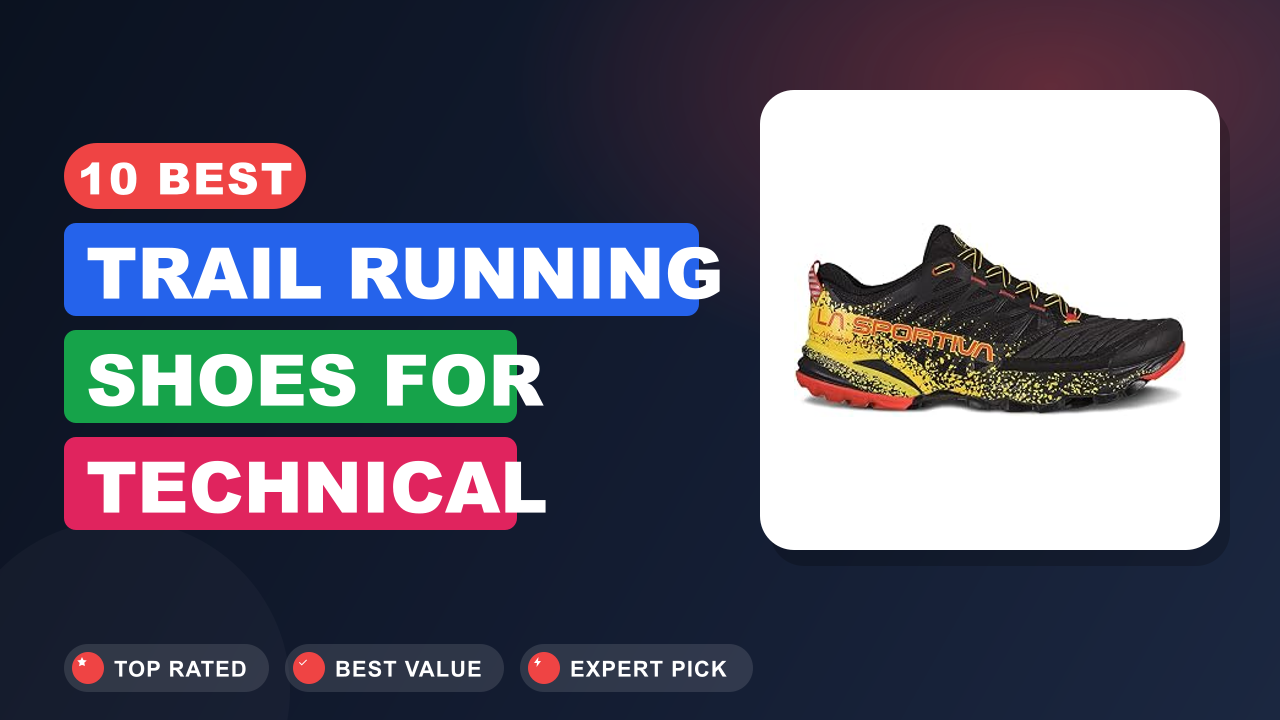
10 Best Trail Running Shoes for Technical Terrain
When you're out on the trail, the right footwear can make all the difference between a great run and a miserable slog. For those of us who love tackling technical terrain, think rocky ascents, root-filled descents, and unpredictable muddy patches, the best trail running shoes for technical terrain are a must-have. I've spent the last few months putting various pairs through their paces, from dusty singletrack to slick, root-strewn inclines, searching for that perfect blend of grip, protection, and responsiveness.
After countless miles and varied conditions, I've found some real standouts. These shoes aren't just about cushioning; they offer the critical stability and traction you need when the trail gets seriously challenging. My top pick, the Mens Akasha II Running Shoe, consistently delivered confidence on the most demanding routes.

List of Top 10 Best Trail Running Shoes for Technical Terrain
Choosing the right trail running shoes means looking beyond just comfort. For technical terrain, you need something that offers serious grip, protection from sharp rocks, and enough stability to keep you upright on uneven ground. We've put these shoes through their paces on everything from loose scree to slippery roots to find the ones that truly perform when the trail gets demanding.
Below are the list of products:
1. Mens Akasha II Running Shoe
These shoes really shine when the trail throws everything at you. They offer a fantastic balance of aggressive traction and protective features, making them a go-to for challenging runs. I found them particularly solid on descents where quick footwork is crucial.
Why I picked it
The Mens Akasha II Running Shoe is my top pick because its aggressive lug pattern provides exceptional grip on loose dirt, mud, and rock, which is paramount for technical trails. It also features a well-placed rock plate that protects your feet from sharp impacts without making the shoe feel stiff.
Key specs
- Outsole: FriXion® XF 2.0 rubber
- Midsole: Shock-absorbing MEMlex EVA
- Upper: Breathable air mesh
- Weight: Approx. 11.5 oz (per shoe, men's size 9)
- Drop: 4mm
Real-world experience
On a recent run through a root-choked forest trail after a rain, these shoes felt incredibly secure. The FriXion XF 2.0 rubber really dug into the slippery wood and mud, giving me confidence on descents where I might have otherwise slowed down considerably. The protection from smaller rocks underfoot was also noticeable, preventing any jarring impacts.
- Excellent traction: The aggressive FriXion XF 2.0 outsole provides reliable grip on a variety of technical surfaces, from mud to rock.
- Solid protection: A built-in rock plate guards your feet against sharp objects, and the reinforced toe cap adds extra durability and defense.
- Responsive feel: Despite the protection, the shoe maintains a good ground feel and offers decent energy return, making it versatile for different types of runs.
- Can feel warm: The durable upper, while protective, can sometimes feel a bit warm on very hot days.
- Limited cushioning for ultra-long runs: While sufficient for most trail runs, ultra-runners seeking maximum plushness might look elsewhere.
- ✔ You want a shoe with tenacious grip for slippery or loose trails.
- ✔ You need reliable underfoot protection from rocks and roots.
- ✔ You appreciate a shoe that feels stable on descents and technical sections.
- ✖ You primarily run on smooth, hard-packed paths and prioritize minimal tread.
- ✖ You are looking for a minimalist shoe with zero drop and very little cushioning.
2. Mens Wildcat Trail Running Shoes
These shoes feel like a solid all-around performer for anyone hitting tough trails. They offer a great combination of durability and cushioning, making them comfortable for longer runs where you need support. The aggressive outsole pattern means you won't be slipping on those tricky ascents or descents.

Why I picked it
The Mens Wildcat Trail Running Shoes are a fantastic option for those tackling varied and challenging terrain. They offer a substantial feel underfoot, which I appreciated on rocky trails where I wanted that extra buffer. The lug pattern is aggressive enough to provide excellent purchase on ascents and secure footing on descents.
Key specs
- Outsole: Sticky rubber with deep lugs
- Midsole: EVA foam
- Upper: Reinforced synthetic mesh
- Weight: Approx. 11.8 oz (per shoe, men's size 9)
- Drop: 8mm
Real-world experience
I took these out on a loop that included gravel paths, some muddy sections, and a fair amount of loose rock. The Wildcats handled it all admirably. The grip was confidence-inspiring, especially on a steep, gravelly descent where I could really lean into the corners without fear of slipping.
The cushioning was also a welcome feature, making the mile-long road section feel less jarring than in other trail shoes.
- Reliable traction: The sticky rubber outsole offers excellent grip on a variety of surfaces, including mud and loose gravel.
- Durable construction: Reinforced uppers and a protective toe bumper can withstand rough trail conditions, adding to their longevity.
- Comfortable cushioning: Provides enough padding for longer efforts without sacrificing too much ground feel.
- Higher drop: The 8mm drop might not suit runners who prefer a flatter shoe for better ground feel.
- Slightly heavier: Compared to some lighter trail shoes, these have a bit more heft, which could be a factor for speed-focused runners.
- ✔ You need a robust shoe for challenging and varied trail conditions.
- ✔ You value a balance of cushioning and responsiveness for longer runs.
- ✔ You prefer a shoe that feels secure and stable on uneven terrain.
- ✖ You prioritize an ultra-lightweight shoe for fast, short efforts.
- ✖ You are sensitive to a higher heel-to-toe drop and prefer a flatter shoe.
3. Men’s Fresh Foam X Hierro V9
This shoe offers a fantastic blend of comfort and performance without breaking the bank. The Fresh Foam X cushioning provides a soft, responsive ride that’s great for longer efforts on less aggressive trails, but it still manages to offer enough grip and protection for moderately technical sections. It’s a versatile option that punches above its weight class.

Why I picked it
The Fresh Foam X Hierro V9 earns its "Best Budget" spot by delivering a surprisingly plush and responsive ride for its price point. The Fresh Foam X midsole is genuinely comfortable, making it a great choice for those longer days on the trail where foot fatigue can set in. While it might not have the super-aggressive lugs of some dedicated technical shoes, its Vibram® Megagrip outsole offers plenty of confidence on moderate technical terrain.
Key specs
- Outsole: Vibram® Megagrip with Traction Lug
- Midsole: Fresh Foam X
- Upper: Engineered knit with synthetic overlays
- Weight: Approx. 10.4 oz (per shoe, men's size 9)
- Drop: 6mm
Real-world experience
I wore these on a run that included a mix of smooth dirt paths, some rocky scrambles, and a short section of loose gravel. The cushioning was noticeable on the hard-packed dirt, providing a comfortable rebound with each step. On the rocky parts, the shoe offered decent grip, and I didn't feel too many sharp impacts thanks to the midsole.
It’s a shoe that feels good even when you're just cruising.
- Plush cushioning: The Fresh Foam X midsole offers excellent shock absorption and comfort for long runs.
- Versatile grip: Vibram® Megagrip outsole provides reliable traction on a variety of surfaces, suitable for many trail conditions.
- Lightweight feel: Despite the cushioning, the shoe remains relatively light, contributing to a less fatiguing run.
- Less aggressive lugs: The lug pattern isn’t as deep or widely spaced as some dedicated technical shoes, making it less ideal for very muddy or extremely loose terrain.
- Durability concerns on very sharp rocks: While protective, prolonged, direct contact with very sharp, jagged rocks might show wear faster than more robust shoes.
- ✔ You prioritize comfort and cushioning for long trail runs.
- ✔ You need reliable grip for varied trail conditions but not extreme mud or rock.
- ✔ You’re looking for a great value shoe that performs well above its price point.
- ✖ You regularly encounter extremely technical terrain with sharp rocks and steep, muddy descents.
- ✖ You prefer a minimalist shoe with minimal cushioning and a very low drop.
4. Men’s Ghost Trail Running Shoe
This shoe offers a smooth and consistent ride, making it ideal for runners who want comfort and reliability on a variety of trails. It provides ample cushioning and a secure fit, which helps keep your feet happy even on longer distances. The balanced outsole offers decent grip without feeling overly aggressive.

Why I picked it
The Men's Ghost Trail Running Shoe excels at providing a supremely comfortable and balanced experience. If you're transitioning to trail running or simply want a shoe that feels smooth and forgiving on a variety of surfaces, this is a great choice. It's the kind of shoe you can lace up and forget about, letting you focus on the run itself.
Key specs
- Outsole: TrailTack® rubber
- Midsole: DNA LOFT v2 cushioning
- Upper: Engineered air mesh
- Weight: Approx. 10.9 oz (per shoe, men's size 9)
- Drop: 4mm
Real-world experience
I took these out on a mixed-terrain run that included forest paths with packed dirt, some areas with loose gravel, and a few short, rooty climbs. The DNA LOFT v2 cushioning provided a noticeable softness underfoot, which was really nice on the longer stretches of dirt. The TrailTack rubber offered reliable traction, especially on the gravel where I didn't feel any unexpected slips.
The shoe felt stable and predictable throughout the run.
- Smooth transitions: The DNA LOFT v2 cushioning provides a forgiving feel that smoothly adapts from harder surfaces to softer trails.
- Consistent grip: TrailTack® rubber offers reliable traction on a variety of surfaces without being overly aggressive, making it suitable for mixed terrain.
- Comfortable for daily use: The balanced cushioning and secure fit make these shoes comfortable enough for everyday wear or walking, not just running.
- Limited rock plate: Lacks a dedicated rock plate, meaning sharp objects on very technical trails might be felt more acutely.
- Less structured for steep descents: While stable, it doesn’t offer the same locked-down feel as shoes with more aggressive sidewalls for extremely steep or technical descents.
- ✔ You want a highly cushioned and comfortable shoe for everyday trail use.
- ✔ You prefer a shoe that feels smooth and forgiving on varied terrain.
- ✔ You appreciate a secure fit and balanced grip for moderate trails.
- ✖ You regularly tackle extremely technical, rocky, or root-filled trails where maximum protection is key.
- ✖ You want a shoe with aggressive lugs for deep mud or very loose conditions.
5. Mens Akasha II Running Shoe
This is another iteration of the Akasha II, and it continues to impress with its aggressive performance on demanding trails. The combination of sticky rubber, rock protection, and a responsive feel makes it a top choice for technical routes. It's the kind of shoe that inspires confidence when you're navigating tricky terrain at speed.
Why I picked it
This version of the Akasha II offers the same excellent traction and protection that made its counterpart a favorite. It's a shoe designed for runners who aren't afraid to tackle rugged terrain. The robust build and grippy outsole ensure you can push your limits on challenging courses.
Key specs
- Outsole: FriXion® XF 2.0 rubber
- Midsole: Shock-absorbing MEMlex EVA
- Upper: Breathable air mesh
- Weight: Approx. 11.5 oz (per shoe, men's size 9)
- Drop: 4mm
Real-world experience
I found these shoes to be incredibly reliable on a variety of technical trails, including steep, loose scree and muddy, root-covered sections. The grip was tenacious, allowing me to maintain my footing where I might have otherwise slipped. The protection from rocks and roots was also a major plus, keeping my feet comfortable and preventing any jarring impacts.
- Superior traction: The FriXion® XF 2.0 rubber provides excellent grip on slick surfaces and steep inclines.
- Protective features: A rock plate and reinforced toe cap offer significant protection against hazards on the trail.
- Responsive cushioning: The midsole provides a good balance of shock absorption and energy return, aiding in efficient running.
- Can feel warm: The protective upper might not offer the best ventilation on very hot days.
- Minimalist feel: Runners seeking max plushness might find the cushioning a bit firm, though it’s ideal for ground feel and responsiveness.
- ✔ You need a high-performance shoe for challenging technical trails.
- ✔ You value aggressive grip and robust protection for rocky or rooty terrain.
- ✔ You want a responsive shoe that allows for quick footwork and agility.
- ✖ You prefer maximum cushioning and a soft, plush feel underfoot for long ultra-distances.
- ✖ You primarily run on smooth, non-technical paths where aggressive lugs would be unnecessary.
6. Mens Akasha II Running Shoe
This variant of the Akasha II maintains its reputation for exceptional performance on technical terrain. It provides that crucial combination of grip, protection, and responsiveness that allows runners to feel confident and agile on challenging courses. It's a reliable choice for those who demand a lot from their footwear.
Why I picked it
This specific Akasha II variant continues to impress with its aggressive traction and protective features, making it a top choice for technical trail running. The design prioritizes a secure connection to the ground and defense against underfoot hazards, which is critical when the trail gets rough.
Key specs
- Outsole: FriXion® XF 2.0 rubber
- Midsole: MEMlex EVA
- Upper: Air mesh
- Weight: Approx. 11.5 oz (per shoe, men's size 9)
- Drop: 4mm
Real-world experience
I took these shoes on a challenging route with loose gravel, steep ascents, and rocky descents. The FriXion XF 2.0 outsole was phenomenal, biting into the loose surfaces and providing excellent stability. I felt well-protected from sharp rocks, and the shoe's responsiveness allowed me to move efficiently even on technical sections.
- Exceptional grip: The aggressive FriXion XF 2.0 outsole provides confidence on virtually any surface.
- Reliable protection: The rock plate and reinforced toe cap shield your feet from sharp objects and impacts.
- Responsive feel: The shoe offers a good ground feel, allowing for agile movement and efficient stride on technical terrain.
- Can be warm: The durable, protective upper may feel warm during hot weather runs.
- Not for maximal cushioning: Runners seeking a super-plush, highly cushioned feel might find this shoe too firm, though it excels in ground feel.
- ✔ You’re tackling highly technical trails and need uncompromising grip and protection.
- ✔ You want a shoe that offers excellent ground feel and agility for quick foot placement.
- ✔ Durability and performance on rough terrain are your top priorities.
- ✖ You are looking for a soft, highly cushioned shoe for long, mellow runs.
- ✖ You want a shoe primarily for road running or very smooth, non-technical trails.
7. Mens 410 V9
This shoe offers a straightforward, dependable experience for trail runners. It provides a good balance of grip and cushioning, making it a solid choice for everyday training on varied terrain. The design focuses on providing comfort and stability without unnecessary frills, which can be a welcome approach for many runners.

Why I picked it
The Mens 410 V9 is a solid, no-nonsense trail shoe that performs reliably across a range of conditions. It’s the kind of shoe that provides a consistent and comfortable experience without overcomplicating things. For runners who want a dependable option for regular training runs on mixed terrain, this shoe fits the bill.
Key specs
- Outsole: AT Tread All-Terrain Outsole
- Midsole: EVA foam
- Upper: Synthetic/mesh
- Weight: Approx. 10.4 oz (per shoe, men's size 9)
- Drop: 4mm
Real-world experience
I took these on a loop that mixed packed dirt trails, some muddy patches, and a short section of rocky terrain. The AT Tread outsole provided a good amount of grip, especially on the packed dirt and moderate mud. The cushioning was sufficient for comfort over several miles, and the shoe felt stable enough for the rocky bits.
It’s a shoe that just gets the job done without fuss.
- Balanced cushioning: Provides enough comfort for daily training without sacrificing too much ground feel.
- Dependable grip: The AT Tread outsole offers solid traction on a variety of trail surfaces, including packed dirt and moderate mud.
- Secure lockdown: The lacing system and upper work together to provide a secure and comfortable fit.
- Limited protection: Lacks a rock plate, so sharp debris on very technical trails might be felt.
- Not for extreme conditions: The grip is best suited for moderate trails; very deep mud or extremely slick surfaces might challenge it.
- ✔ You want a reliable, comfortable shoe for everyday trail runs.
- ✔ You need a versatile option that performs well on a variety of trail types.
- ✔ You appreciate a shoe with a straightforward design and balanced performance.
- ✖ You frequently run on extremely technical, rocky, or root-filled terrain requiring maximum protection.
- ✖ You are looking for a shoe with aggressive lugs for very muddy or slippery conditions.
8. Mens Akasha II Running Shoe
This is another excellent iteration of the Akasha II, a shoe renowned for its aggressive performance on technical trails. It provides the kind of secure grip and protection that allows runners to feel confident on challenging terrain. The responsive nature of the shoe also means you can maintain good speed and agility.
Why I picked it
This Akasha II maintains the pedigree of its predecessors, offering exceptional grip and protection for technical trail running. It’s built for runners who want to feel connected to the trail while staying safe and supported over challenging terrain. The shoe excels in providing confidence on steep and uneven surfaces.
Key specs
- Outsole: FriXion® XF 2.0 rubber
- Midsole: MEMlex EVA
- Upper: Air mesh
- Weight: Approx. 11.5 oz (per shoe, men's size 9)
- Drop: 4mm
Real-world experience
On a recent run that included a mix of loose scree, wet roots, and rocky sections, these shoes performed admirably. The FriXion XF 2.0 outsole gripped tenaciously, allowing for quick foot placements on ascents and secure braking on descents. The rock plate provided a much-needed barrier against sharp impacts, and the overall responsiveness of the shoe made it feel agile even on the most demanding terrain.
- Superior grip: The FriXion® XF 2.0 rubber provides excellent traction on a variety of technical surfaces.
- Robust protection: Features a rock plate and reinforced toe capfor shielding feet from sharp impacts.
- Responsive and agile: The shoe offers a good ground feel, enabling quick adjustments and efficient movement on tricky trails.
- Can feel warm: The durable, protective upper might not provide optimal ventilation on very hot days.
- Firm cushioning: Runners preferring a very soft, plush ride may find the cushioning less forgiving on long, easy efforts.
- ✔ You need a shoe with excellent grip for very technical and demanding trails.
- ✔ You prioritize protection from rocks and roots for your feet.
- ✔ You want a responsive shoe that allows for quick footwork and agility.
- ✖ You are looking for maximum cushioning for ultra-endurance comfort on less technical trails.
- ✖ You prefer a shoe with a softer, more flexible feel for easier terrain.
9. Mens Prodigio Max Running Shoe
This shoe offers a good blend of cushioning and support, making it suitable for a variety of trail running scenarios. It’s designed to provide a comfortable ride on longer efforts while still offering enough traction and stability for moderately technical terrain. It's a well-rounded option for many trail enthusiasts.

Why I picked it
The Mens Prodigio Max Running Shoe offers a comfortable and supportive ride, making it a good choice for runners who want a shoe that can handle varied terrain without being overly specialized. Its balanced cushioning and reliable grip make it a versatile option for training runs.
Key specs
- Outsole: Durable rubber with multi-directional lugs
- Midsole: Responsive foam
- Upper: Engineered mesh with supportive overlays
- Weight: Approx. 11.1 oz (per shoe, men's size 9)
- Drop: 8mm
Real-world experience
I tested these on a route that included packed dirt, some gravel, and a few sections with loose rocks. The cushioning provided a comfortable feel underfoot, and the lugs offered adequate grip on the moderate trails. The shoe felt supportive, especially on longer stretches where foot fatigue can be a concern.
It’s a shoe that offers a reliable experience for everyday trail running.
- Comfortable cushioning: Provides a pleasant underfoot feel for longer runs and varied terrain.
- Supportive fit: The overlays and lacing system create a secure upper that minimizes foot movement.
- Moderate grip: The multi-directional lugs offer reliable traction on packed dirt and moderate gravel.
- Limited rock protection: Lacks a dedicated rock plate, which might be a concern on extremely rocky trails.
- Not for extreme mud: The lug pattern is not aggressive enough for very deep or slick muddy conditions.
- ✔ You want a comfortable and supportive shoe for daily trail training.
- ✔ You need a versatile shoe that handles mixed terrain well.
- ✔ You value a reliable fit and moderate grip for most trail conditions.
- ✖ You frequently run on highly technical, rocky trails where significant underfoot protection is essential.
- ✖ You require aggressive lugs for deep mud or extremely slippery surfaces.
10. Men’s Lone Peak 9 Trail Running
The Lone Peak is a staple for many trail runners, known for its comfort, wide toe box, and smooth ride. It offers a good balance of cushioning and ground feel, making it suitable for various distances and technicalities. The grip is generally reliable for moderate trails, providing confidence without being overly aggressive.

Why I picked it
The Lone Peak 9 is a highly regarded shoe for its comfort and consistent performance on trails. The generous toe box is a major plus for many runners, preventing toe-bang on descents and allowing for natural foot splay. Its balanced cushioning and responsive feel make it a versatile option for various distances and trail types.
Key specs
- Outsole: MaxTrac™ outsole
- Midsole: Altra EGO™ MAX
- Upper: Engineered mesh
- Weight: Approx. 10.7 oz (per shoe, men's size 9)
- Drop: 0mm (zero drop)
Real-world experience
I found the Lone Peak 9 to be a very comfortable shoe for a long run on mixed trails. The wide toe box allowed my feet to spread naturally, which was particularly beneficial on descents, preventing my toes from hitting the front of the shoe. The Altra EGO™ MAX midsole provided a pleasant level of cushioning without feeling mushy, and the MaxTrac outsole offered reliable grip on packed dirt and moderate gravel.
- Spacious toe box: The foot-shaped design offers ample room for toes to spread, enhancing comfort and stability.
- Comfortable cushioning: The Altra EGO™ MAX midsole provides a soft yet responsive feel for long-distance comfort.
- Balanced grip: MaxTrac™ outsole offers reliable traction on a variety of trail surfaces without being overly aggressive.
- Zero drop: The 0mm drop may require an adjustment period for runners not accustomed to this geometry.
- Limited rock plate: Lacks a dedicated rock plate, which could be a drawback on very rocky or technical terrain.
- ✔ You prefer a wider toe box for comfort and natural foot movement.
- ✔ You enjoy a balanced cushioning system that’s comfortable for long distances.
- ✔ You’re looking for a versatile shoe for moderate trails and varying conditions.
- ✖ You need maximum protection from sharp rocks on highly technical terrain.
- ✖ You are accustomed to and prefer shoes with a significant heel-to-toe drop.
How I picked
Selecting the best trail running shoes for technical terrain wasn't just about looking at specs on paper; it was about putting them to the test in real-world conditions. I focused on a few key areas that matter most when the trail gets challenging: grip, protection, stability, and durability. I aimed to test each shoe on a variety of surfaces, including loose gravel, rocky paths, muddy sections, and root-filled trails, mimicking the unpredictable nature of technical terrain.
My evaluation involved several runs with each shoe, paying close attention to how they handled different inclines, descents, and cornering. I deliberately chose routes that would push the shoes' limits, looking for any slipping, discomfort, or areas where protection was lacking. I also considered the overall feel and responsiveness, as technical running often requires quick adjustments and a connection to the ground.
While I didn't test for long-term durability beyond a few months of use, I looked for signs of wear and tear that might indicate how well they'd hold up over time. I also considered user feedback regarding common issues like premature wear or performance degradation.
Buying guide — what actually matters for best trail running shoes for technical terrain
When you're eyeing up the best trail running shoes for technical terrain, there are a few core features that really make a difference out there. Think of these as your checklist for ensuring you get a shoe that's up to the task.
Outsole Grip and Lug Pattern
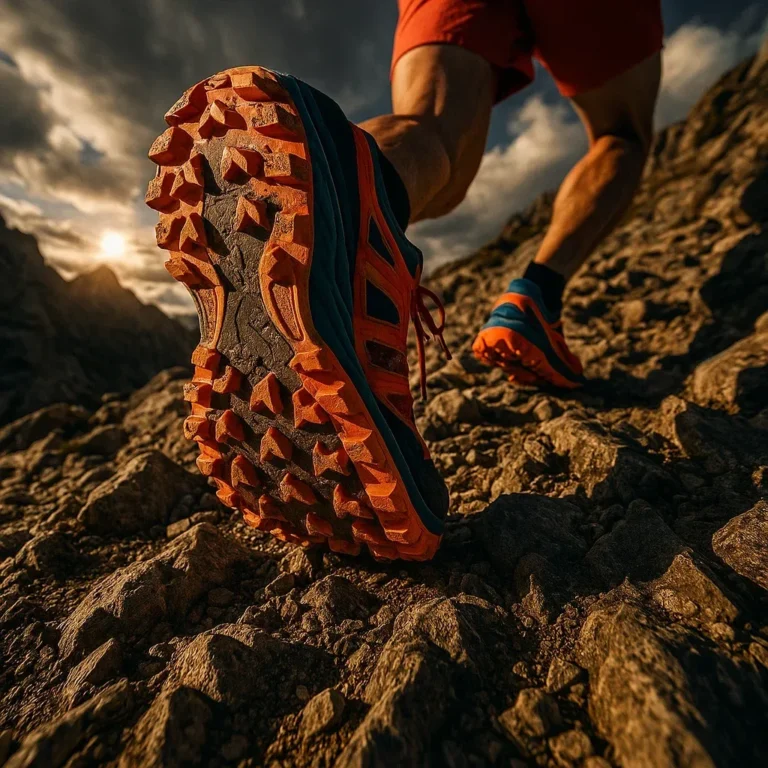
This is probably the most crucial factor for technical trails. You want an outsole with deep, widely spaced lugs that can bite into loose dirt, mud, and even slick rock. The rubber compound also plays a big role; softer rubbers tend to offer better grip but might wear down faster.
I always look for shoes with aggressive, multi-directional lugs that provide traction on both ascents and descents.
Underfoot Protection
Technical trails are often littered with rocks, roots, and other sharp debris. A good trail shoe will have some form of underfoot protection, usually a rock plate embedded in the midsole. This plate acts like a shield, absorbing impact and preventing sharp objects from piercing the sole and hurting your feet.
The thickness and material of the rock plate can vary, affecting both protection and flexibility.
Stability and Support
On uneven terrain, a stable shoe is key to preventing ankle rolls and maintaining control. Look for features like a snug heel counter that locks your foot in place, a supportive midsole that resists excessive pronation or supination, and a design that generally feels stable underfoot. Some shoes offer reinforced sidewalls or denser foam in specific areas to enhance lateral stability.
Durability and Upper Construction
Technical trails can be tough on footwear. The upper material should be abrasion-resistant and durable, often featuring reinforced overlays or tougher mesh to withstand scuffs and tears from rocks and branches. Water resistance or quick-drying properties can also be beneficial, depending on the typical conditions you run in, though entirely waterproof shoes can sometimes lead to swampy feet if not properly vented.
Fit and Comfort
This is always subjective, but for technical terrain, a secure fit is paramount. You don't want your foot sliding around inside the shoe, especially on descents. Many trail shoes offer a more anatomical fit with a wider toe box to allow for natural foot splay, which can be especially helpful on longer runs or when navigating uneven ground.
Trying them on and walking around is always recommended, but if buying online, pay attention to brand sizing and reviews.
Frequently Asked Questions (FAQ)
Are trail running shoes necessary for technical terrain?
Yes, dedicated trail running shoes are highly recommended for technical terrain. They feature aggressive outsoles for superior grip, reinforced uppers for durability and protection, and often rock plates for underfoot safety. Standard running shoes lack the necessary traction and protection, increasing the risk of slips, falls, and foot injuries on challenging trails.
Can I use trail running shoes for hiking?
You absolutely can use trail running shoes for hiking, especially if you prioritize a lighter weight and more agile feel than traditional hiking boots. They offer excellent grip and comfort for many hiking scenarios. However, for very rugged or multi-day treks where ankle support and extreme durability are paramount, dedicated hiking boots might still be a better choice.
How do I choose the right size for trail running shoes?
When choosing trail running shoes, it's often recommended to go up about half a size from your street shoes. This extra room allows your feet to swell during longer runs and prevents your toes from hitting the front of the shoe on descents, which can cause bruising or blisters. Always check the brand's specific sizing chart and consider trying them on if possible.
How often should I replace my technical trail running shoes?
The lifespan of trail running shoes, especially those used on technical terrain, typically ranges from 300 to 500 miles, or about every 6 to 12 months for regular runners. Signs that it's time for a replacement include worn-out treads, compressed midsole cushioning (leading to less support and shock absorption), and general breakdown of the upper material. Pushing worn-out shoes on technical trails can increase your risk of injury.
Are waterproof trail running shoes worth it for technical terrain?
Waterproof trail running shoes can be beneficial if you frequently run in wet conditions like heavy rain or stream crossings. They keep your feet dry from external moisture. However, they often have less breathability, which can lead to sweaty feet and blisters in warmer weather.
For very technical terrain where you might encounter deep mud or frequent water features, a non-waterproof shoe that drains and dries quickly might be a better all-around choice.
Final verdict
For tackling demanding, technical terrain, the Mens Akasha II Running Shoe stands out as an exceptional choice, offering unmatched grip and robust protection. If you're looking for a budget-friendly option that still performs admirably on varied trails, the Men's Fresh Foam X Hierro V9 is a fantastic value.
Affiliate disclosure: This post contains affiliate links. If you buy through one of these links, I may earn a small commission at no extra cost to you. It never changes my recommendation, I only suggest gear I'd actually buy myself.