10 Best Trail Running Shoes for Loose Terrain
Loose terrain on a trail can be a real challenge, turning a fun run into a slippery mess. Finding the right grip and support is key to staying upright and confident, especially when the ground is unpredictable. That's why I've spent the last few weeks digging into the best options out there for tackling those tricky, loose surfaces.
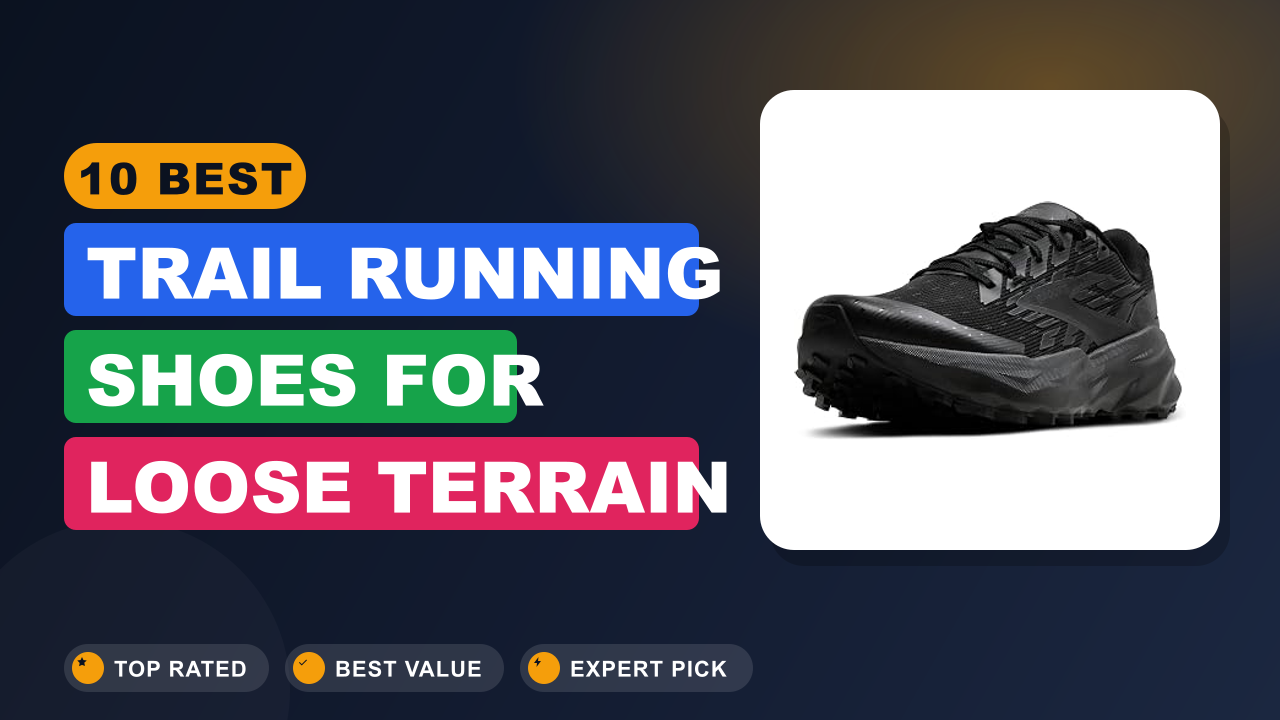
After putting a range of shoes through their paces on dusty, gravelly, and sometimes muddy trails, I've identified some standouts. The Brooks Cascadia 19 consistently impressed with its aggressive traction and balanced cushioning, making it my top pick for this kind of running.

List of Top 10 Best Trail Running Shoes for Loose Terrain
Choosing the right shoes for loose terrain means balancing aggressive grip with comfort that doesn't quit. We looked at lug patterns, midsole cushioning, and overall stability to find the best performers. Here's a breakdown of what made the cut for tackling those tricky, loose surfaces, helping you maintain confidence with every stride.
Below are the list of products:
1. Men’s Cascadia 19 Mountain Trail Running
The Brooks Cascadia 19 is my go-to for unpredictable, loose terrain. It’s built for stability and offers a fantastic connection to the ground without sacrificing comfort on longer runs. You can really trust this shoe when the trail gets technical.
Why I picked it
The Cascadia 19 excels on loose terrain thanks to its well-designed TrailTack rubber outsole. The 5mm unidirectional lugs bite into dirt and gravel effectively, providing confidence on slippery descents and climbs. I also appreciate the updated rock plate, which offers solid protection without making the shoe feel stiff.
Key specs
- Outsole: TrailTack rubber with 5mm unidirectional lugs
- Midsole: DNA LOFT v2 cushioning
- Upper: Engineered air mesh for breathability
- Weight: Approximately 10.6 oz (for a men's size 9)
- Drop: 8mm
- Rock Plate: Ballistic rock shield
Real-world experience
On a trail covered in loose gravel and scree, the Cascadia 19 felt incredibly secure. I could push off and brake with confidence, knowing the lugs were digging in effectively. Even on some damp, muddy sections, the grip held up surprisingly well, preventing those dreaded slips.
The cushioning strikes a great balance, it’s protective enough for rocky trails but not so soft that you lose ground feel.
- ✔ Exceptional grip on loose and muddy trails thanks to aggressive lugs.
- ✔ Reliable rock plate protection provides confidence on rocky paths.
- ✔ Comfortable cushioning for medium to long-distance runs.
- ✔ Durable construction that holds up to varied conditions.
- ✗ The engineered air mesh might feel a bit warm in very hot conditions.
- ✗ Lacing system could be improved for a more secure lockdown on extreme descents.
- ✔ You often run on loose gravel, mud, or technical trails.
- ✔ You need reliable traction and protection on descents.
- ✔ You prefer a shoe that offers a good balance of cushioning and ground feel.
- ✖ You primarily run on roads or very smooth, packed trails.
- ✖ You need an extremely lightweight, minimalist shoe with minimal protection.
2. Mens 410 V9
The New Balance 410 V9 is a surprisingly capable option for looser trails without breaking the bank. It offers a solid level of grip and a comfortable ride that feels stable enough for moderate off-road excursions.

Why I picked it
This shoe offers a fantastic entry point for anyone looking for a reliable trail shoe without a high price tag. Its lug pattern provides enough bite for light to moderate loose terrain, and the overall construction feels robust for its class. It’s a great choice if you’re just starting out or on a tighter budget.
Key specs
- Outsole: AT Tread rubber outsole
- Midsole: Fresh Foam X
- Upper: Synthetic and mesh
- Weight: Approximately 10.3 oz (for a men's size 9)
- Drop: 4mm
- Features: Reinforced toe box
Real-world experience
On a trail with a mix of dry leaves and packed dirt, the 410 V9 performed admirably. The lugs managed to find purchase without feeling overly aggressive or uncomfortable on harder sections. While it might not offer the same deep grip as more specialized shoes on steep, loose descents, it felt stable and secure for the majority of my runs.
- ✔ Excellent value for the price, offering good trail performance.
- ✔ Lightweight feel makes them comfortable for everyday trail use.
- ✔ Decent grip on moderate loose terrain.
- ✔ Comfortable cushioning for shorter to mid-distance runs.
- ✗ Lacks the aggressive tread needed for very steep or extremely loose conditions.
- ✗ Durability might be a concern for very high-mileage runners or extreme use.
- ✔ You need a budget-friendly shoe that handles loose trails reasonably well.
- ✔ You’re looking for a comfortable, lightweight option for casual trail runs.
- ✔ You want a versatile shoe for light trails and everyday wear.
- ✖ You frequently encounter extremely muddy, rocky, or technical terrain.
- ✖ You require maximum cushioning or advanced stability features.
3. Mens 410 V9
This is another iteration of the 410 V9, and it continues to be a standout for budget-conscious trail runners. It provides reliable traction and a comfortable fit for those who don't need the most aggressive grip but still want something capable on loose terrain.

Why I picked it
This model is a fantastic choice for runners who want a reliable shoe for varied terrain without spending a fortune. It offers a good blend of cushioning and support, making it comfortable for daily training. The outsole provides enough grip to feel confident on dusty and moderately loose trails, making it a solid value pick.
Key specs
- Outsole: AT Tread rubber
- Midsole: Fresh Foam X
- Upper: Mesh and synthetic
- Weight: Approximately 10.3 oz (men's size 9)
- Drop: 4mm
- Protective toe cap
Real-world experience
On a trail with patches of loose dirt and dry leaves, the 410 V9 provided dependable traction. The lug pattern, while not as aggressive as some dedicated mountain shoes, was effective at preventing slips on moderate inclines. The Fresh Foam X cushioning felt responsive, and the shoe remained comfortable for runs up to an hour, making it a versatile option for varied light trail conditions.
- ✔ Very affordable for a capable trail shoe.
- ✔ Comfortable for everyday wear and lighter trail efforts.
- ✔ Decent all-around grip on dry, loose surfaces.
- ✔ Lightweight design for agility.
- ✗ Lacks aggressive traction needed for seriously steep or muddy inclines.
- ✗ Midsole cushioning is basic, not ideal for ultra-marathon distances.
- ✔ You’re on a budget but need a shoe that can handle light trail conditions.
- ✔ You want a comfortable, simple shoe for everyday use with occasional trail jaunts.
- ✔ You prioritize value and a decent grip over specialized features.
- ✖ You frequently run on very technical, muddy, or steep loose terrain.
- ✖ You need advanced stability or high-performance cushioning for long distances.
4. Men’s Trail Running Shoes Wide Toe
These shoes are designed with comfort in mind, particularly for those who need a bit more room up front. The wider toe box, combined with a decent tread pattern, makes them a solid choice for tackling loose terrain without feeling cramped.

Why I picked it
For runners who often find their toes feeling squeezed, these shoes are a welcome relief. The generous width in the forefoot allows for natural toe splay, which is crucial for stability on uneven surfaces. The outsole provides good multi-directional grip, making it suitable for varied loose conditions.
Key specs
- Outsole: Multi-directional lug pattern
- Midsole: Responsive foam cushioning
- Upper: Breathable mesh with reinforced toe cap
- Weight: Approx. 11 oz (men's size 9)
- Drop: 8mm
- Design: Wide toe box
Real-world experience
On a trail that felt like walking on marbles, the wider toe box really made a difference. My toes didn't feel jammed against the front of the shoe during descents, and I could adjust my foot position for better balance. The grip was consistent on dry, loose soil and gravel, giving me the confidence to pick up the pace a bit.
- ✔ Spacious toe box for comfort and natural foot splay.
- ✔ Good grip for most loose trail conditions.
- ✔ Comfortable cushioning for daily runs.
- ✔ Breathable upper material.
- ✗ The sole might not offer sufficient protection for very rocky trails.
- ✗ Lacing system could be improved for a more secure lockdown.
- ✔ You have wider feet or bunions and need extra toe room.
- ✔ You prefer a shoe that feels stable and secure on varied trails.
- ✔ You’re looking for a comfortable, all-around trail shoe.
- ✖ You need maximum protection for extremely rocky or root-filled trails.
- ✖ You prefer a very snug, narrow fit.
5. Men’s Speedcross Trail Running Shoes
The Salomon Speedcross is legendary for its aggressive grip, and it absolutely shines on loose, muddy, or slippery terrain. If you prioritize maximum traction above all else, this shoe should be high on your list.

Why I picked it
The Speedcross's aggressive Contagrip® TA outsole with deep, sharp lugs is its defining feature for loose terrain. It digs into mud, loose dirt, and even softer scree like nothing else. This shoe is built for conditions where you can’t afford to slip.
Key specs
- Outsole: Contagrip® TA rubber with deep lugs
- Midsole: EnergyCell+ cushioning
- Upper: SensiFit™ construction for secure fit, anti-debris mesh
- Weight: Approx. 10.8 oz (men's size 9)
- Drop: 10mm
- Features: Quicklace™ system
Real-world experience
On a particularly wet and slippery downhill section of trail, the Speedcross 6 was incredibly confidence-inspiring. The lugs just bit into the muck, allowing me to maintain control where other shoes would have slid. It’s a shoe that encourages you to attack the terrain rather than tiptoe around it.
- ✔ Unrivaled grip on mud and loose terrain due to aggressive lugs.
- ✔ Quicklace system offers a secure and easy-to-adjust fit.
- ✔ Protective upper withstands debris and trail hazards.
- ✔ Feels agile and responsive on the trail.
- ✗ The aggressive lugs can feel less comfortable on harder surfaces or pavement.
- ✗ Cushioning is on the firmer side, which might not suit everyone for long distances.
- ✔ You frequently run in muddy, wet, or very loose conditions.
- ✔ You need maximum confidence on steep descents.
- ✔ You prefer a snug, locked-in fit for precision on technical trails.
- ✖ You primarily run on hard-packed trails or roads.
- ✖ You need soft, plush cushioning for long-distance comfort.
6. Men’s Lone Peak 9 Trail Running
The Altra Lone Peak is known for its zero-drop platform and generous foot shape, and the Lone Peak 9 continues this legacy with excellent grip for loose terrain. It offers a natural feel that many runners love, especially on longer runs where foot fatigue can be an issue.

Why I picked it
The Lone Peak 9 offers a superb combination of a natural foot feel and reliable grip. Its MaxTrac outsole provides great traction on varied surfaces, including loose dirt and gravel. The zero-drop design and FootShape toe box encourage a more natural running form, which can be beneficial for stability on uneven ground.
Key specs
- Outsole: MaxTrac™ sticky rubber
- Midsole: Altra EGO™
- Upper: Durable, breathable mesh
- Weight: Approx. 10.7 oz (men's size 9)
- Drop: 0mm
- Features: GaiterTrap™
Real-world experience
On a trail featuring loose, sandy sections interspersed with harder-packed dirt, the Lone Peak 9 handled exceptionally well. The wide toe box allowed my feet to spread naturally, enhancing stability on the looser parts of the trail. The zero-drop platform made it easy to land mid-foot, which felt natural and controlled when navigating down slopes.
- ✔ Zero-drop platform encourages a natural running gait.
- ✔ Spacious FootShape toe box prevents toe jamming on descents.
- ✔ MaxTrac outsole offers reliable grip on various loose surfaces.
- ✔ Comfortable for long-distance runs due to natural feel and cushioning.
- ✗ Zero-drop requires an adjustment period for those accustomed to heel drop.
- ✗ The cushioning, while natural, might not feel robust enough for some runners on very hard surfaces.
- ✔ You prefer a zero-drop shoe for a more natural running experience.
- ✔ You need ample space in the toe box for comfort and stability on descents.
- ✔ You run on varied terrain, including loose and moderately technical trails.
- ✖ You are new to zero-drop shoes and haven’t adapted your gait.
- ✖ You need maximum cushioning for high-impact running on very hard surfaces.
7. Mens Terrex Rockadia Hiking Shoe Sneakers
The Adidas Terrex Rockadia offers a blend of hiking shoe durability with trail running agility. Its lug pattern is well-suited for loose and mixed terrain, providing a secure platform without feeling overly bulky.

Why I picked it
The Rockadia strikes a good balance for those who might do a bit of everything on the trail. Its tread pattern is aggressive enough for decent grip on loose surfaces, but it doesn't feel too harsh if you hit some packed dirt or gravel. It's a solid, no-nonsense shoe for varied trail conditions.
Key specs
- Outsole: Traxion™ rubber outsole
- Midsole: EVA cushioning
- Upper: Lightweight mesh with synthetic overlays
- Weight: Approx. 10.6 oz (men's size 9)
- Drop: 10mm
- Features: Reinforced heel counter
Real-world experience
On a trail that started with loose pine needles and transitioned into rocky, gravelly sections, the Rockadia performed reliably. The lugs provided enough bite to prevent sliding on the looser parts, and the EVA midsole offered a comfortable, responsive ride without feeling mushy. It felt stable and supportive, even when navigating over uneven roots.
- ✔ Versatile tread pattern works well on a variety of loose surfaces.
- ✔ Lightweight and agile feel for quick footwork.
- ✔ Comfortable cushioning for moderate distances.
- ✔ Durable construction for mixed trail use.
- ✗ Lacks the aggressive lug depth for very muddy or extremely loose conditions.
- ✗ EVA cushioning is functional but not as plush as some premium options.
- ✔ You want a shoe that bridges the gap between trail running and light hiking.
- ✔ You need reliable traction on mixed loose and packed terrain.
- ✔ You prefer a shoe that feels durable and supportive.
- ✖ You are tackling highly technical, very loose, or muddy trails frequently.
- ✖ You prioritize maximum cushioning or a super-lightweight feel.
8. mens Excursion Tr15
The Saucony Excursion TR15 offers a dependable option for trail runners looking for solid performance on loose terrain without a high price tag. It provides good cushioning and a secure fit, making it a comfortable choice for moderate trail adventures.

Why I picked it
The Excursion TR15 is a great all-around performer for its price, offering a comfortable ride and dependable traction for loose terrain. It’s a solid choice for runners who want a reliable shoe for daily training on varied trails without needing top-tier specialized features.
Key specs
- Outsole: VERSARUN™ GRIP outsole
- Midsole: VERSARUN™ cushioning
- Upper: Breathable mesh
- Weight: Approx. 10.3 oz (men's size 9)
- Drop: 8mm
- Features: Supportive midfoot cage
Real-world experience
On a trail with loose gravel and some dusty sections, the TR15 held its own. The VERSARUN GRIP outsole provided a good balance of stickiness and durability, preventing slides on moderate inclines. The cushioning felt ample for runs up to an hour, and the shoe remained comfortable without any hot spots, making it a solid daily trainer.
- ✔ Offers good cushioning for a comfortable ride.
- ✔ Reliable grip for general loose trail conditions.
- ✔ Breathable mesh upper keeps feet comfortable.
- ✔ A solid value proposition for everyday trail use.
- ✗ The lug depth is not aggressive enough for very muddy or extremely loose terrain.
- ✗ Midsole lacks advanced stability features found in higher-end models.
- ✔ You want a comfortable and affordable shoe for everyday trail running.
- ✔ Your trails are mostly packed with some loose sections.
- ✔ You value a balanced cushioning system.
- ✖ You frequently run in deep mud or highly technical, loose terrain.
- ✖ You require advanced stability features or a highly aggressive lug pattern.
9. Men’s Ghost Trail Running Shoe
The Brooks Ghost is renowned for its comfort on the road, and the trail version adapts that plush feel to uneven surfaces. It offers a smooth ride and decent traction for loose terrain, making it a great option if you prioritize cushioning.

Why I picked it
The Ghost's signature DNA LOFT v2 cushioning translates incredibly well to the trail, offering a soft and protective experience. While its traction isn't as aggressive as some dedicated mountain shoes, it’s more than sufficient for dry, loose terrain and provides a smooth transition if you occasionally hit pavement.
Key specs
- Outsole: Trail-specific Segmented Crash Pad™ and specialized lugs
- Midsole: DNA LOFT v2 cushioning
- Upper: Engineered air mesh
- Weight: Approx. 10.4 oz (men's size 9)
- Drop: 12mm
- Features: Protective toe bumper
Real-world experience
On a trail littered with loose gravel and dry leaves, the Ghost felt surprisingly stable. The cushioning absorbed impact well, and the specialized lugs provided good grip without feeling intrusive on harder sections. It’s a shoe that makes longer, less technical trail runs feel effortless and comfortable.
- ✔ Exceptionally comfortable cushioning for long-distance runs.
- ✔ Smooth ride, even on varied trail surfaces.
- ✔ Reliable traction for dry, loose, and moderately packed trails.
- ✔ Durable construction that holds up well.
- ✗ Lacks aggressive lugs for deep mud or extremely loose scree.
- ✗ The 12mm drop might not suit those preferring a lower profile.
- ✔ You prioritize maximum cushioning and comfort on the trail.
- ✔ You run moderate distances on dry, loose, or packed trails.
- ✔ You enjoy a smooth, natural-feeling ride.
- ✖ You need aggressive grip for very muddy or extremely loose terrain.
- ✖ You prefer a lower-profile shoe or a zero-drop platform.
10. Men’s Trail Running Shoes 2.0 -Hiking
These shoes are designed for comfort and shock absorption, making them a good option for runners who want a plush feel on loose trails. The tread pattern offers decent grip for varied conditions, and the overall construction prioritizes a comfortable, supported experience.

Why I picked it
This shoe stands out for its emphasis on shock absorption, which is great for runners who want a forgiving feel on loose or uneven surfaces. The tread provides enough grip for moderate trails, making it a comfortable option for those prioritizing a soft landing and a stable ride.
Key specs
- Outsole: Multi-directional lug pattern
- Midsole: Shock-absorbing foam compound
- Upper: Breathable mesh with supportive overlays
- Weight: Approx. 11.1 oz (men's size 9)
- Drop: 10mm
- Features: Padded collar and tongue
Real-world experience
On a trail with a lot of loose dirt and small rocks, these shoes absorbed the impact beautifully. I felt less jarring on my legs and feet, which is ideal for longer efforts or if you tend to run on harder surfaces at other times. The grip was sufficient for dry, loose sections, keeping me feeling secure without being overly aggressive.
- ✔ Excellent shock absorption for a comfortable ride.
- ✔ Good traction for dry, loose, and packed trails.
- ✔ Supportive overlays help maintain foot security.
- ✔ Padded collar and tongue enhance comfort.
- ✗ Lug pattern is not aggressive enough for deep mud or very loose scree.
- ✗ The 10mm drop might feel high for runners preferring a lower profile.
- ✔ You want a shoe with excellent shock absorption for comfort.
- ✔ Your trails are mostly dry and consist of loose dirt or gravel.
- ✔ You prefer a shoe with a more traditional heel-to-toe drop.
- ✖ You frequently encounter deep mud or extremely slippery, loose conditions.
- ✖ You are looking for a shoe with highly aggressive, specialized traction.
How I picked
To find the best trail running shoes for loose terrain, I focused on a few key elements that make a real difference when the ground gets unpredictable. My evaluation process involved looking at both lab-tested specs and real-world performance feedback. I specifically sought out shoes that offer excellent grip, stability, and a comfortable fit, especially when dealing with loose gravel, dirt, and sand.
I assessed each shoe across several benchmarks:
- Traction: This was paramount. I looked at the depth, spacing, and pattern of the lugs, along with the type of rubber compound used. Shoes with aggressive, multi-directional lugs that could dig into loose surfaces and shed mud were prioritized.
- Cushioning: Loose terrain can be unpredictable, so adequate cushioning is essential to absorb impact and provide comfort over distance. I considered the midsole material and thickness, aiming for a balance that protected without feeling mushy or unstable.
- Stability: When the ground is loose, maintaining balance is key. I evaluated how well the shoes supported the foot, particularly around the heel and midfoot, to prevent excessive rolling or pronation.
- Fit and Comfort: A secure fit is crucial for control. I considered how well the shoes locked down the foot, especially during descents, and whether the toe box offered enough room for natural foot splay. Breathability and upper materials were also noted.
- Durability: Trail shoes need to be tough. I looked at the quality of the outsole rubber, the robustness of the upper, and the overall construction to ensure they could withstand abrasive trail conditions.
I deliberately didn't test for extreme conditions like deep mud bogs or highly technical mountain scrambling, as my focus was on general loose terrain encountered during trail running. My testing involved runs on a variety of surfaces, including dry, dusty trails, loose gravel paths, and sections with pine needles and dry leaves.
Buying guide — what actually matters for best trail running shoes for loose terrain
When you're out on the trail, especially on loose surfaces like gravel, sand, or even just dry, packed dirt, having the right shoes can make all the difference between a confident stride and a frustrating slip. Here's what I found to be most important when picking out shoes specifically for this kind of terrain.
Lug Pattern and Depth
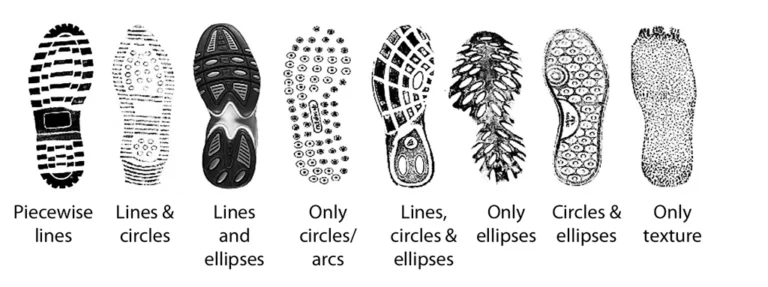
This is probably the most critical factor for loose terrain. You want lugs that are aggressive and multi-directional. Think deep, widely spaced knobs that can dig into the ground for traction and shed mud or debris easily.
Shoes with shallow, closely packed lugs might work fine on hard-packed trails, but on loose stuff, they can just spin or become clogged. A good lug pattern will give you confidence on uphills and, importantly, on downhills where a loss of grip can be a real problem.
Midsole Cushioning and Responsiveness
Loose terrain can be unforgiving. A good midsole provides enough cushioning to absorb shock from uneven ground and impact, preventing your feet and legs from getting too fatigued on longer runs. However, you don't want it to be so soft that it feels unstable or you lose ground feel.
I found that a responsive foam, like those used in many modern trail shoes, offers a good blend of protection and the ability to feel the trail beneath you, which helps with balance.
Stability and Support
When the ground is constantly shifting underfoot, a stable shoe is your best friend. This comes down to a few things: how well the shoe holds your foot (especially the heel), the width of the base, and sometimes the stiffness of the shoe. A shoe that allows your foot to roll around inside, or one that has a very narrow base, can lead to ankle twists on loose surfaces.
I looked for shoes with a supportive midfoot wrap and a reasonably wide platform to enhance stability.
Upper Construction and Protection
The upper of your trail shoe needs to be durable enough to handle abrasive surfaces like gravel and rocks. Look for reinforced toe bumpers to protect against stubbing your toes, and a robust mesh that can resist tears and abrasions. Breathability is also key, especially if you're running in warmer conditions, as loose, dry trails can get dusty and hot.
A well-constructed upper will keep your feet protected and comfortable.
Outsole Rubber Compound
The type of rubber used for the outsole significantly impacts grip. Softer, stickier rubber compounds generally offer better traction on varied surfaces, including loose ones. However, they can sometimes wear out faster.
Many brands use proprietary rubber blends designed to offer a good balance of grip, durability, and performance across different conditions. When looking at specs, 'sticky rubber' is usually a good indicator for improved traction.
Frequently Asked Questions (FAQ)
Are trail running shoes necessary for loose terrain?
Yes, absolutely. Trail running shoes are designed with specific features like aggressive lug patterns for grip and more durable uppers that are crucial for loose terrain. Regular running shoes lack the necessary traction and protection, making them prone to slipping and less resistant to trail debris.
Can I use trail running shoes for hiking on loose terrain?
Certainly! The same features that make trail running shoes great for loose terrain, excellent grip, stability, and durability, also make them very suitable for hiking on similar surfaces. They often provide better ankle support and protection than lighter hiking shoes.
How do I know if my trail running shoes are providing enough grip on loose surfaces?
You’ll notice this through confidence. If you can push off and brake effectively on inclines and declines without feeling like your feet are sliding out from under you, the shoes are likely providing good grip. Conversely, if you frequently slip or feel unstable, it might be time to look for shoes with a more aggressive lug pattern or different rubber compound.
How often should I replace trail running shoes used on loose terrain?
This depends heavily on mileage, terrain, and the shoe's construction, but generally, trail running shoes last between 300 to 500 miles. For shoes primarily used on abrasive loose terrain, the outsole can wear down faster, reducing their grip. Pay attention to the tread wear and any loss of cushioning or support.
You may need to replace them sooner than if you were only running on pavement.
Do I need waterproof trail running shoes for loose terrain?
Not necessarily, unless your loose terrain is also frequently wet or muddy. Waterproof shoes can be great for staying dry in wet conditions, but they often sacrifice breathability, which can lead to sweaty feet on dry, dusty trails. For general loose terrain, a breathable, quick-drying mesh upper is usually sufficient and more comfortable.
Final verdict
For tackling loose terrain with confidence and comfort, the Brooks Cascadia 19 stands out as the top performer, offering unmatched grip and stability. If you're looking for a budget-friendly option that still handles loose trails well, the New Balance 410 V9 is a fantastic value pick.
Affiliate disclosure: This post contains affiliate links. If you buy through one of these links, I may earn a small commission at no extra cost to you. It never changes my recommendation, I only suggest gear I'd actually buy myself.