Can You Use Trail Running Shoes for Hiking
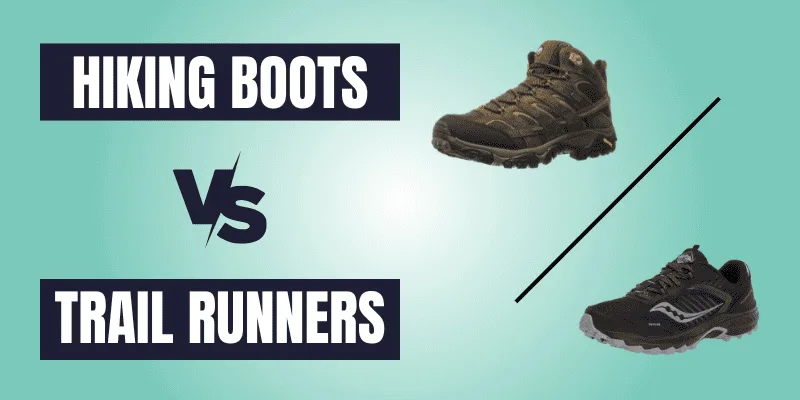
Image source: Bing (Web (fair-use with source credit))
Trail Runners for Hiking? Let's Break It Down
So, you're eyeing those sleek trail running shoes and wondering, "Can you use trail running shoes for hiking?" It's a super common question, and the honest answer is: it depends! We've all been there, looking at our gear and trying to make it do double duty. Let's dive into whether trail runners can genuinely stand in for hiking boots or shoes, and when it might be a good idea, or when you should probably stick to something else.
Think of it like this: trail runners are built for speed and agility on varied terrain, while hiking shoes and boots are designed for support, durability, and carrying weight. They have different priorities. Manufacturer specifications for trail running shoes often emphasize lightweight construction and responsiveness, targeting performance for running, not sustained multi-day treks.
Quick Answer
Trail running shoes can be used for hiking on short, easy trails with minimal gear. However, they generally lack the ankle support, durability, and robust traction needed for more challenging hikes or when carrying a heavy pack. For rugged terrain or longer trips, dedicated hiking footwear is recommended.
When Trail Runners Might Be Your Hiking Buddy
Honestly, for shorter, less technical hikes, trail runners can totally work. If you're hitting a well-maintained path, a local park trail, or just going for a few miles with a light daypack, your trail runners could be perfectly fine. They offer a light, nimble feel that many hikers appreciate for less demanding excursions.
Lightweight & Fast Trails
Trail runners shine when you're looking to move quickly over predictable surfaces. Their design prioritizes a low weight and a responsive feel, making them feel less cumbersome than heavier hiking boots. This is great for those days when you just want to cover ground and enjoy the scenery without feeling weighed down.
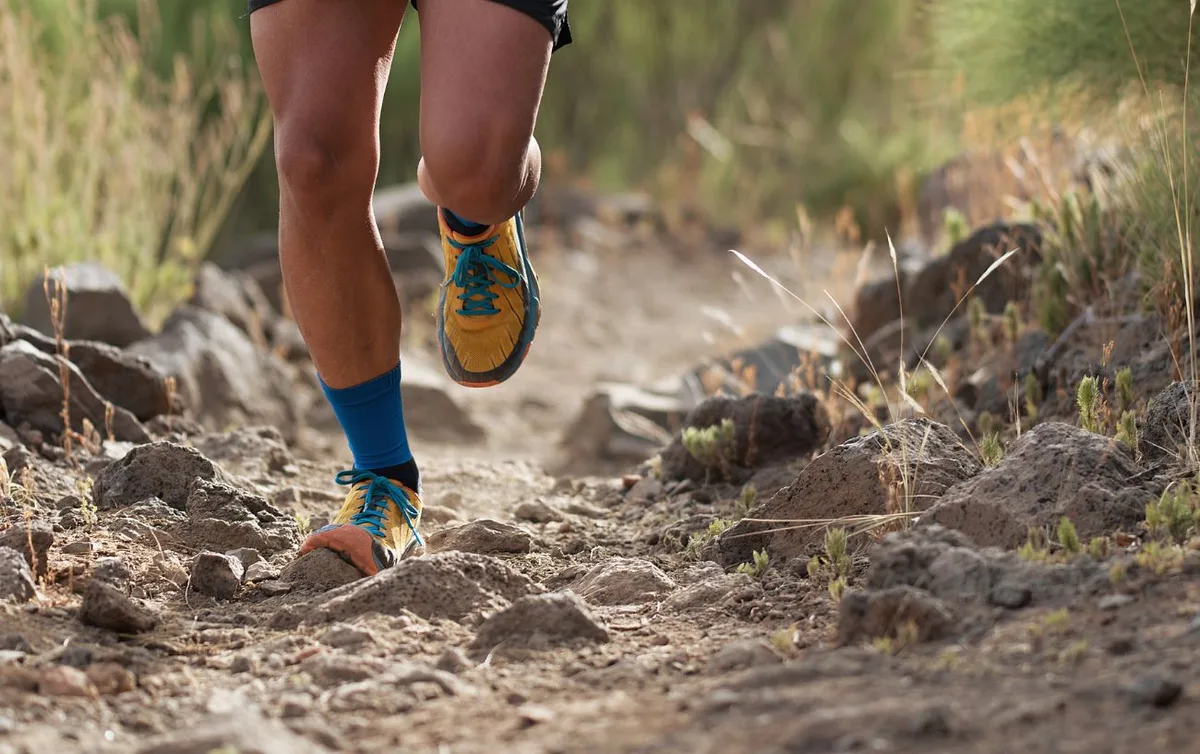
Image source: Bing (Web (fair-use with source credit))
Minimal Gear and Warm Weather
When you're not hauling a heavy backpack filled with overnight gear, the need for robust support decreases. For day trips where you’re carrying just essentials like water, snacks, and a light jacket, trail runners can offer sufficient comfort. Similarly, in warm, dry conditions, the breathability of many trail runners is a plus, and you’re less likely to need extensive waterproofing or insulation that hiking boots provide.
Where Trail Runners Might Fall Short
Now, this is where things get a bit more serious. If you're planning on tackling serious terrain, carrying a significant load, or expecting challenging weather, trail runners might leave you wishing you'd opted for something else. Their design is fundamentally different from footwear built for the specific demands of hiking.
Lack of Ankle Support on Rough Terrain
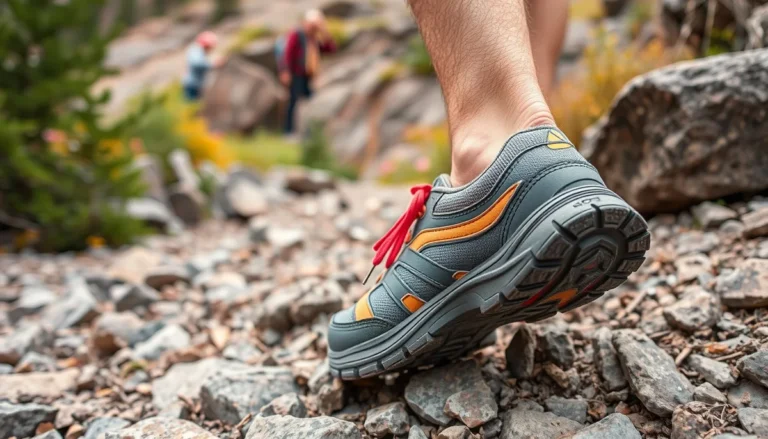
This is a big one. Trails can be uneven, with rocks, roots, and loose scree. Hiking boots, with their higher cut, offer crucial ankle stability to help prevent rolls and sprains.
Trail runners are low-cut by nature, meaning they offer minimal to no ankle support. This limitation becomes more critical the rougher and more unpredictable the trail surface becomes.
Durability and Traction Concerns
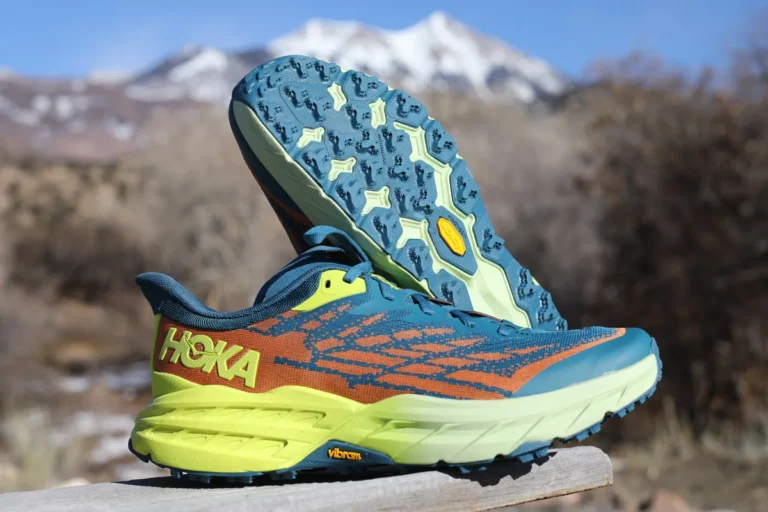
Trail runners are built to be light, which often means using less robust materials than hiking footwear. The uppers and outsoles might not hold up as well to the constant abrasion from rocks, branches, and rough ground that you'd encounter on a more rugged hike. While trail runners typically have aggressive lugs for grip, these may not be specifically optimized for the varied demands of hiking ascents and descents across different surfaces compared to specialized hiking outsoles.
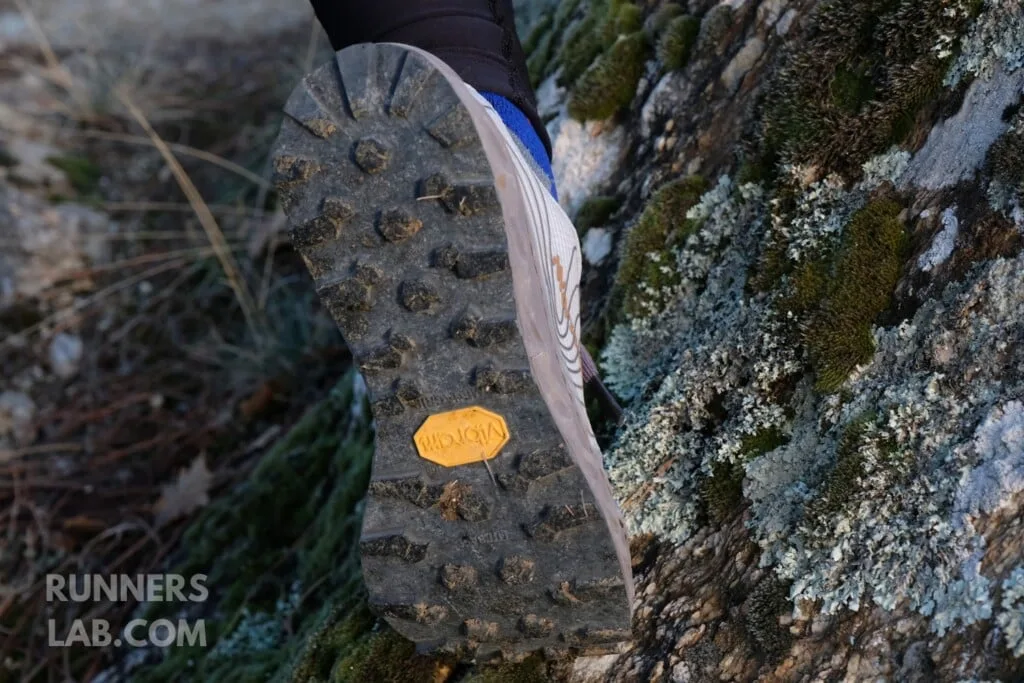
Image source: Bing (Web (fair-use with source credit))
Water and Mud Protection Limitations
Most trail running shoes are not designed to be fully waterproof, prioritizing breathability instead. Even if you opt for a water-resistant model, the low-cut design means water and mud can easily splash in over the top. This can lead to cold, wet feet, which is not only uncomfortable but can also increase the risk of blisters and other issues on longer hikes.
Trail Runners vs. Hiking Shoes vs. Hiking Boots: A Quick Look
To truly understand when trail runners might work, it helps to see how they stack up against their hiking-specific cousins. Each type of footwear is engineered with different priorities in mind, catering to distinct outdoor activities and terrain types.
Key Differences at a Glance
| Feature | Trail Runners | Hiking Shoes (Low-cut) | Hiking Boots (Mid/High-cut) |
|---|---|---|---|
| Primary Use | Running on trails | Day hiking, light backpacking | Backpacking, rugged terrain, heavy loads |
| Ankle Support | Minimal (low-cut) | Minimal (low-cut) | Good to Excellent (mid/high-cut) |
| Cushioning | Designed for running impact, often softer | Designed for walking, good shock absorption | Often firmer for stability, good for sustained use |
| Durability | Generally less durable | Moderate to good durability | High durability, built to last |
| Traction | Aggressive lugs, good for varied trails | Good, balanced grip for hiking | Excellent, designed for steep and loose terrain |
| Waterproofing | Varies, often not fully waterproof | Varies, many waterproof options | Varies, many waterproof options |
| Weight | Lightest | Light to moderate | Moderate to heaviest |
| Price Range | Generally $100 – $150 | Generally $120 – $180 | Generally $150 – $300+ |
(Note: Prices are approximate and can vary based on brand and features as of 2026.)
The Bottom Line: Can You Use Trail Runners for Hiking?
So, can you use trail running shoes for hiking? Yes, but with important caveats. If your hike involves well-maintained, relatively flat trails and you're carrying only a light daypack, trail runners can be a comfortable and agile option.
They offer a lighter feel and more flexibility than bulkier hiking footwear.
However, if your planned hike includes challenging terrain, steep ascents or descents, rocky or root-filled paths, or if you'll be carrying a significant amount of weight in a backpack, dedicated hiking shoes or boots are a much safer and more suitable choice. The enhanced ankle support, greater durability, and specialized traction offered by hiking-specific footwear are crucial for preventing injuries and ensuring comfort on more demanding outings.
Mistakes to Avoid
When considering trail running shoes for hiking, there are a few common missteps that can lead to discomfort or even injury. One of the biggest errors is assuming all trails are the same. A well-maintained park path is a world away from a rocky, root-strewn mountain trail, and your footwear needs to match that reality.
Another pitfall is overestimating the durability of trail runners for off-road hiking. These shoes are built for the repetitive, lighter impacts of running, not necessarily the constant abrasion and potential snags from sharp rocks or branches that hiking can dish out. Similarly, relying on their traction for steep, loose scree or wet, muddy inclines can be risky.
- Ignoring Trail Difficulty: Wearing trail runners on highly technical terrain.
- Overloading Your Pack: Using them for multi-day trips where heavy loads demand more support.
- Disregarding Weather Conditions: Expecting them to perform like waterproof hiking boots in rain or stream crossings.
- Pushing Through Discomfort: Ignoring early signs of blisters or foot fatigue that heavier footwear might prevent.
Expert Tips for Trail Runner Hikers
If you've decided trail runners are the right choice for your next less-demanding outing, a few pro tips can enhance your experience. Always ensure your shoes fit snugly but not too tightly; blisters are a common enemy, and proper fit is the first line of defense. Pay attention to your socks too, moisture-wicking materials are a must, even in trail runners.
Before you head out, do a quick check of your chosen trail. Is it mostly packed earth, gravel, or are there significant roots and rocks? If it leans towards the latter, consider an alternative.
Also, be mindful of your stride and step placement. With less ankle support, you'll need to be more conscious of how you land your feet, especially on uneven ground.
- Prioritize Fit: Ensure a secure, comfortable fit without pressure points.
- Invest in Good Socks: Merino wool or synthetic blends are best for moisture management.
- Know Your Trail: Match your footwear to the expected terrain difficulty.
- Watch Your Step: Be more aware of your foot placement on uneven surfaces.
- Pack Light: Reserve trail runners for hikes where a heavy pack isn't necessary.
What Data Do Trail Runners Offer for Hiking?
When looking at trail running shoes, certain specifications offer clues to their potential hiking performance. The outsole's lug depth and pattern, for instance, indicate its intended grip on varied surfaces. Deeper, more widely spaced lugs usually mean better traction on mud and loose dirt, while shallower, more tightly packed lugs might be better for firmer trails.
The midsole's cushioning material, often EVA foam, dictates shock absorption. While responsive for running, some trail runners might have less dense foam that compresses quickly under sustained hiking loads. Stack height, the amount of material between your foot and the ground, also plays a role; a higher stack can offer more cushioning but might reduce ground feel and stability.
Manufacturer specifications will often list the weight per shoe (e.g., around 9-11 ounces for a men's size 9) and details on the upper materials, such as mesh for breathability or reinforced sections for durability. Always check the official product details on the manufacturer's site for the most accurate technical data.
FAQs
Are trail running shoes good for day hikes?
Trail running shoes can be suitable for day hikes on easy to moderate trails, especially if you prefer a lighter feel and aren't carrying much gear. For longer or more technical day hikes, consider hiking shoes for better support and durability.
Can I wear trail running shoes for backpacking?
Generally, no. Backpacking typically involves carrying heavier loads and navigating more challenging terrain, where the ankle support, durability, and underfoot protection of hiking boots are essential for safety and comfort.
Will my trail running shoes be waterproof enough for hiking?
Most trail running shoes are not fully waterproof, prioritizing breathability. If you hike in wet conditions, water can easily enter the shoe, making dedicated waterproof hiking shoes or boots a better choice.
How do trail runner outsoles compare to hiking shoe outsoles?
Trail runner outsoles often feature aggressive lugs for grip on dirt, mud, and rock during running. Hiking shoe outsoles tend to have a more balanced design, balancing grip with durability for varied hiking surfaces and potentially longer wear.
One Comment