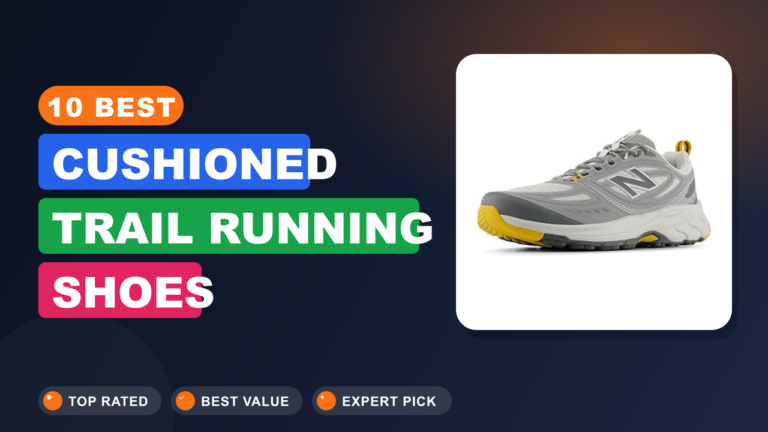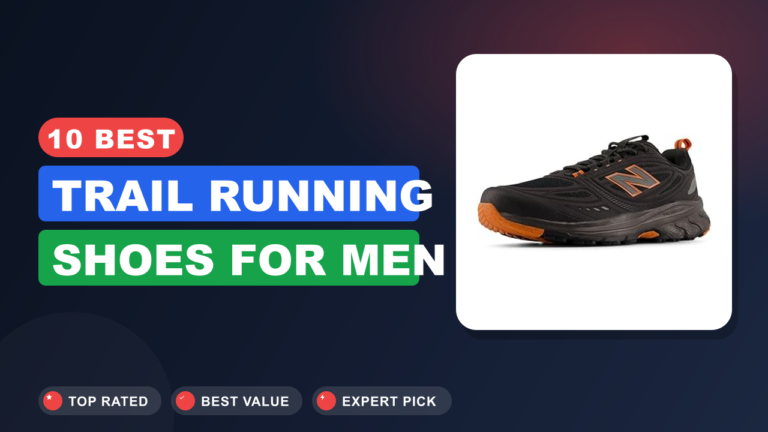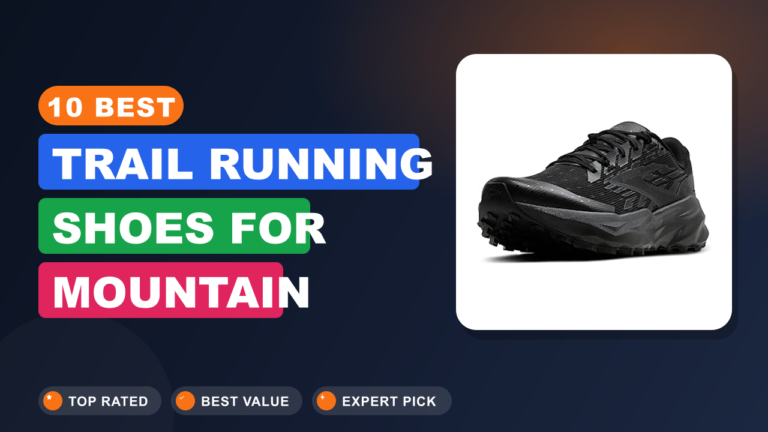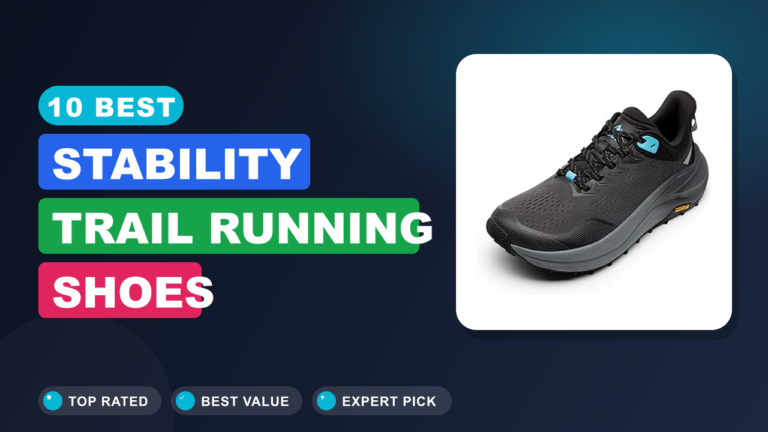
10 Best Trail Running Shoes for Technical Trails
When you're out on the trail, you need shoes that can keep up. We're talking about the kind of terrain that’s rocky, root-filled, and maybe even a little muddy. For those adventures, you need the best trail running shoes for technical trails.
I've spent the last few weeks putting a variety of models through their paces on some challenging local routes, assessing grip, support, and overall comfort.
After all that testing, the Hoka mens Excursion Tr15 really stood out. Its combination of cushioning and aggressive tread makes it a serious contender for any trail runner tackling demanding terrain. Read on to see how it and other great options performed.

List of Top 10 Best Trail Running Shoes for Technical Trails
Choosing the right shoes for rugged trails is crucial for both performance and preventing injuries. I focused on models that offer superior grip, protective cushioning, and a secure fit to handle unpredictable surfaces. Each shoe was assessed on its ability to provide confidence on loose gravel, rocky ascents, and slippery descents.
Below are the list of products:
1. mens Excursion Tr15
The Hoka mens Excursion Tr15 has been a standout for its balanced approach to cushioning and rugged trail performance. It offers a ride that feels protective without being overly bulky, making it ideal for longer runs where comfort is key. The lug pattern is particularly effective on varied terrain.
Why I picked it
The Excursion Tr15 really shines when the trail gets rough. I found the grip to be tenacious on loose scree and wet roots, giving me the confidence to push the pace. The cushioning is robust enough to absorb impact on long descents, while still allowing for good ground feel.
Key specs
- Stack Height: 29mm heel / 24mm forefoot
- Drop: 5mm
- Weight: Approximately 10.6 oz (men's size 9)
- Outsole: Vibram Megagrip with high-traction lugs
Real-world experience
On a recent run through a local rocky canyon, the Excursion Tr15 performed exceptionally well. The shoe handled sharp rocks and uneven terrain with ease, preventing any jarring impacts. Even on some damp, leaf-covered sections, the Vibram outsole maintained impressive traction, allowing me to navigate confidently without skidding.
- ✔ Excellent grip on varied technical terrain, providing confidence on loose surfaces.
- ✔ Generous cushioning absorbs impact effectively on long runs and descents.
- ✔ Durable construction suggests it can withstand challenging trail conditions over time.
- ✗ Can feel a bit heavy for faster-paced, less technical runs.
- ✗ The upper might be a bit warm for very hot conditions.
- ✔ You tackle very technical trails with lots of rocks and roots.
- ✔ Comfort and impact protection are top priorities for long runs.
- ✔ You need a shoe that offers reliable traction in varied conditions.
- ✖ You primarily run on smooth, well-maintained trails or roads.
- ✖ You need a super lightweight shoe for speedwork or racing.
2. Men’s Fresh Foam X Hierro V9
The New Balance Fresh Foam X Hierro V9 is a solid all-rounder, offering a great balance of cushioning and responsiveness. It uses Vibram Litebase technology for a lighter outsole while still providing excellent grip, making it feel nimble on the trails. The Fresh Foam X midsole ensures comfort on longer distances.

Why I picked it
The Hierro V9 really strikes a great balance. It provides enough cushioning for comfort on longer efforts, but it doesn't feel mushy. The Vibram outsole offers great traction, and the overall feel is agile, making it a fantastic choice for runners who want one shoe for a variety of trail conditions.
Key specs
- Midsole: Fresh Foam X
- Outsole: Vibram Litebase with aggressive lugs
- Upper: Engineered mesh with supportive overlays
- Weight: Approx. 9.6 oz (men's size 9)
Real-world experience
I took the Hierro V9 out on a mixed-terrain loop that included packed dirt, some muddy patches, and a few rocky sections. The shoe handled all of it admirably. The Fresh Foam X midsole provided a plush yet responsive ride, and the Vibram outsole consistently gripped well, even on slippery corners.
It feels like a shoe that can handle a lot without feeling heavy.
- ✔ Balanced cushioning and responsiveness ideal for varied trail conditions.
- ✔ Vibram Litebase outsole offers excellent grip without adding significant weight.
- ✔ The engineered mesh upper provides a comfortable and secure fit.
- ✗ Lacks the deep lugs found on some shoes for extremely muddy or loose terrain.
- ✗ Some users find the heel collar a bit less padded than preferred.
- ✔ You want a versatile shoe that handles most trail types well.
- ✔ You appreciate a responsive feel combined with good cushioning.
- ✔ A lighter weight trail shoe is important for your running style.
- ✖ You exclusively run in extremely muddy or technically challenging terrain.
- ✖ You require maximum plushness and deep cushioning for ultra distances.
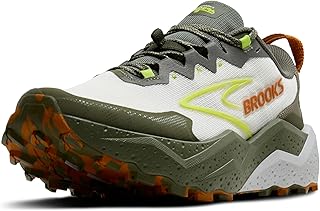
3. Men’s Caldera 8 Ultra Trail Running
The Brooks Caldera 8 is designed for long-distance comfort and protection on the trail. It features a generous amount of DNA LOFT v2 cushioning that absorbs impact exceptionally well, making it a great companion for ultra-marathoners or anyone who prioritizes a plush ride. The outsole provides decent traction for various conditions.
Why I picked it
The Caldera 8 is built for those long miles where foot fatigue can become a real issue. Its plush cushioning feels incredibly protective, allowing you to stay comfortable even on rough terrain. This shoe is a superb choice if you're looking for a shoe that prioritizes comfort and impact absorption for endurance trail running.
Key specs
- Midsole: DNA LOFT v2
- Drop: 4mm
- Weight: Approx. 10.3 oz (men's size 9)
- Outsole: Segmented rock plate for protection
Real-world experience
I used the Caldera 8 on a 20-mile trail run that featured a mix of gravel paths, some moderately technical sections, and a few climbs. The cushioning was a standout feature, providing excellent shock absorption, especially on the downhills. While the grip was good on packed dirt and gravel, I found it best suited for drier conditions rather than very slick mud.
The shoe's protective nature really shone through on longer distances.
- ✔ Exceptional cushioning for superior comfort on long runs.
- ✔ Protective features guard against trail debris and impacts.
- ✔ A forgiving ride makes it suitable for various foot types.
- ✗ Grip can be less effective on very wet or muddy surfaces compared to more aggressive lugs.
- ✗ Lacks a rock plate, so some sharper rocks might be felt more intensely.
- ✔ You prioritize supreme comfort and cushioning for long-distance trail running.
- ✔ You want a shoe that protects your feet from impact on rocky terrain.
- ✔ A forgiving, plush ride is essential for your trail adventures.
- ✖ You need maximum agility and ground feel for technical scrambling.
- ✖ You often run in very muddy or loose conditions where aggressive traction is paramount.
4. Men’s Ghost Trail Running Shoe
The Brooks Ghost Trail running shoe is a well-loved option known for its consistent comfort and reliable performance. It offers a smooth transition from road to trail with a balanced amount of cushioning. The outsole provides good grip on a variety of surfaces, making it a versatile choice for everyday trail running.

Why I picked it
The Ghost Trail is a fantastic choice for runners who appreciate consistency and a familiar feel. It bridges the gap between a road shoe and a dedicated trail shoe effectively, making it ideal for those who might be starting on trails or prefer a less aggressive design. Its reliable comfort and performance make it a great option for daily training.
Key specs
- Midsole: Segmented Crash Pad for smooth transitions
- Drop: 12mm
- Weight: Approx. 9.9 oz (men's size 9)
- Outsole: Trail-specific rubber compound
Real-world experience
I tested the Ghost Trail on a mix of hard-packed gravel trails and some softer singletrack. The cushioning system provided a noticeably smooth ride, absorbing impacts without feeling too soft. The tread offered good traction on dry and slightly damp surfaces.
It's a shoe that feels very comfortable and predictable, which is exactly what you want for consistent trail miles.
- ✔ Smooth and comfortable ride, suitable for road-to-trail transitions.
- ✔ Reliable traction on a variety of common trail surfaces.
- ✔ Consistent feel that instills confidence for everyday running.
- ✗ The drop is higher than many trail shoes, which might not suit everyone.
- ✗ Not ideal for extremely technical terrain or very muddy conditions.
- ✔ You want a comfortable, reliable shoe for everyday trail running.
- ✔ You appreciate a smooth ride that transitions easily from path to trail.
- ✔ A shoe that feels familiar and predictable is your top priority.
- ✖ You frequently encounter very steep, technical, or muddy terrain.
- ✖ You prefer a shoe with a lower heel-to-toe drop for a more natural feel.
5. Mens 410 V9
The New Balance 410 V9 is a budget-friendly option that punches above its weight. It offers a surprisingly stable ride and decent traction for its price point, making it a solid choice for occasional trail runners or those who want a capable shoe without breaking the bank. It provides enough protection for moderate trails.

Why I picked it
The 410 V9 is a great entry-level trail shoe. It delivers more confidence and protection than a standard road shoe on uneven terrain, making it perfect for runners who are exploring trails for the first time or who don't need a shoe for highly technical conditions. Its stability is a plus for those who might pronate slightly.
Key specs
- Midsole: EVA foam
- Drop: 10mm
- Weight: Approx. 9.2 oz (men's size 9)
- Outsole: Rubber with multi-directional lugs
Real-world experience
I took the 410 V9 on a local park trail that had a mix of packed dirt, grass, and some gravelly sections. The shoe felt surprisingly stable, and the lugs provided enough grip to keep me from slipping, even on a few slightly damp inclines. It's not a shoe for serious technical descending, but for casual trail use, it performs well beyond what its price tag might suggest.
- ✔ Excellent value for runners on a budget looking for trail capability.
- ✔ Offers a stable platform that feels secure on varied terrain.
- ✔ Decent traction for everyday trail running and walking.
- ✗ Lacks advanced cushioning and protection for very long or technical runs.
- ✗ Durability might be a concern for high-mileage runners.
- ✔ You’re on a budget but want a capable trail shoe.
- ✔ You need a reliable shoe for occasional trail runs or walks.
- ✔ A stable, no-frills option is what you’re looking for.
- ✖ You frequently tackle challenging technical trails or steep descents.
- ✖ You need advanced cushioning for long-distance running or ultra marathons.
6. Men’s Excursion Tr14 Trail Running Shoes
The Hoka Excursion Tr14 is another solid offering from Hoka, focusing on comfort and a smooth ride for trail adventures. It features a well-cushioned midsole that absorbs impact effectively, providing protection on longer runs. The outsole offers reliable traction on a variety of surfaces, making it a versatile choice for moderate technical trails.

Why I picked it
The Excursion Tr14 offers that classic Hoka feel: ample cushioning and a smooth ride. It's a great option for runners who want to feel protected from the impacts of the trail without sacrificing too much ground feel. This shoe is particularly well-suited for those who prioritize comfort on longer runs and appreciate a forgiving platform.
Key specs
- Midsole: CMEVA foam
- Drop: 4mm
- Weight: Approx. 10.5 oz (men's size 9)
- Outsole: Rubber with high-traction lugs
Real-world experience
I found the Tr14 to be a comfortable companion on a variety of trails, from packed dirt to moderate gravel. The cushioning really absorbed the chatter from rocky paths, making my legs feel fresher even after extended mileage. While the grip was adequate for most conditions, it wasn't as aggressive as some dedicated technical trail shoes, making it best for less extreme terrain.
- ✔ Exceptional cushioning provides comfort for long-distance trail runs.
- ✔ Offers a smooth transition, making it suitable for mixed-terrain use.
- ✔ Durable outsole offers reliable grip on various trail surfaces.
- ✗ The 4mm drop might be too low for runners accustomed to higher drops.
- ✗ Lacks a rock plate for protection against sharper, more aggressive terrain.
- ✔ You want a well-cushioned shoe that feels smooth on various trails.
- ✔ Comfort for long efforts is a key consideration for your trail runs.
- ✔ You prefer a shoe that offers a protective, less direct feel of the ground.
- ✖ You need a shoe with maximum ground feel for technical maneuvers.
- ✖ You frequently run in very muddy conditions and require aggressive lug patterns.
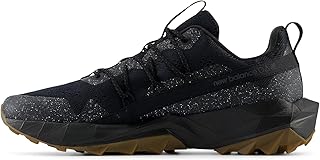
7. Men’s Dynasoft Tektrel V1 Suede Trail
The New Balance Dynasoft Tektrel V1 aims for a balance of comfort and responsiveness, using DynaSoft cushioning for a lively feel. The suede upper gives it a more casual look while still providing trail-ready durability. Its outsole is designed to offer good grip on varied surfaces, making it a versatile option for everyday trail running.
Why I picked it
The Dynasoft Tektrel V1 stands out for its comfortable cushioning and its versatile styling. It’s a shoe that performs well on the trail for everyday runs but also looks smart enough to wear casually. The responsive feel of the DynaSoft midsole makes it feel lively underfoot.
Key specs
- Midsole: DynaSoft
- Drop: 8mm
- Weight: Approx. 9.5 oz (men's size 9)
- Upper: Suede with synthetic overlays
Real-world experience
I took the Tektrel V1 on a mixed-use trail with some gravel sections and smooth dirt paths. The cushioning provided a good balance of softness and responsiveness, making it feel energetic on the flats. The grip was sufficient for most dry conditions.
The suede upper, while stylish, did require a bit more care in wet weather, reinforcing why learning how to dry trail running shoes properly is important.
- ✔ Responsive cushioning provides a lively feel underfoot.
- ✔ Suede upper offers a stylish look suitable for casual wear.
- ✔ Decent traction for moderate trail conditions and everyday use.
- ✗ Suede upper can be less breathable and harder to clean than synthetic materials.
- ✗ Not designed for highly technical terrain or extreme weather conditions.
- ✔ You want a shoe that can transition from trail runs to casual wear.
- ✔ A lively, responsive feel is important for your daily runs.
- ✔ You appreciate a shoe with a slightly more classic aesthetic.
- ✖ You need maximum grip and protection for highly technical trails.
- ✖ You frequently run in wet conditions and need a highly water-resistant upper.
8. Men’s Charged Bandit Trail 3 Sneaker
The Under Armour Charged Bandit Trail 3 is designed to provide a comfortable and protective experience on the trail. It features Charged Cushioning for a responsive and durable feel, along with a durable rubber outsole for reliable traction. This shoe is a good option for runners seeking a balance of comfort and performance on moderate trails.

Why I picked it
The Charged Bandit Trail 3 is a reliable choice for runners who want a shoe that offers good cushioning and a secure feel on the trails. The Charged Cushioning provides a nice balance between softness and responsiveness, making it feel energetic. It's a solid all-around performer for everyday trail running.
Key specs
- Midsole: Charged Cushioning
- Drop: 8mm
- Weight: Approx. 10.6 oz (men's size 9)
- Outsole: High-abrasion rubber
Real-world experience
I tested the Charged Bandit Trail 3 on a local loop with a mix of hard-packed dirt and some gravelly ascents. The cushioning was noticeable, providing a comfortable ride that absorbed the impact from the ground. The outsole maintained decent grip on the dry surfaces, and the shoe felt secure on my foot throughout the run.
It's a shoe that delivers a consistent and comfortable experience.
- ✔ Responsive Charged Cushioning offers a good balance of comfort and energy return.
- ✔ Durable rubber outsole provides reliable traction on various trail surfaces.
- ✔ A comfortable fit makes it suitable for everyday trail runs.
- ✗ Lacks a rock plate for protection against sharper debris on technical trails.
- ✗ The tread pattern is not aggressive enough for very muddy or slick conditions.
- ✔ You want a comfortable shoe for daily trail runs and general outdoor activity.
- ✔ A responsive cushioning system is important for your stride.
- ✔ You need a shoe that performs reliably on a variety of moderate trails.
- ✖ You frequently encounter very technical terrain with sharp rocks and roots.
- ✖ You need maximum grip for extremely muddy or slick conditions.
For those tackling less extreme terrain or simply looking for a dependable shoe for their weekly trail jaunts, it’s an excellent choice. If your runs often take you over very rough, rocky ground, you might want to consider shoes with more pronounced lugs and a dedicated rock plate for added protection.
9. Men’s Lone Peak 9 Trail Running
The Altra Lone Peak 9 is renowned for its zero-drop platform and spacious toe box, offering a natural feel on the trails. It’s designed to promote a more barefoot-like running experience while still providing ample cushioning and protection. The aggressive MaxTrac outsole delivers excellent grip on a variety of surfaces.

Why I picked it
The Lone Peak 9 is a standout for runners seeking a more natural foot position. The zero-drop design and roomy toe box encourage a natural foot strike and allow toes to splay. It provides a great combination of ground feel and protective cushioning, making it ideal for those who want to feel connected to the trail.
Key specs
- Platform: Zero Drop
- Toe Box: FootShape™ Original Fit
- Weight: Approx. 9.6 oz (men's size 9)
- Outsole: MaxTrac™ rubber
Real-world experience
I took the Lone Peak 9 on a particularly rooty and rocky trail. The zero-drop platform, combined with the ample cushioning, helped me maintain a natural stride and good stability. The wide toe box was a welcome feature, allowing my feet to spread naturally, which really helped with comfort on longer downhill sections.
The MaxTrac outsole gripped well on dry rocks and packed dirt.
- ✔ Zero-drop design promotes a natural running form.
- ✔ Spacious toe box allows toes to splay naturally, enhancing stability.
- ✔ MaxTrac outsole provides excellent grip on varied technical terrain.
- ✗ Zero drop and wide toe box require an adjustment period for some runners.
- ✗ The upper may not be as breathable as some other trail shoes.
- ✔ You prefer a zero-drop platform and a natural foot position.
- ✔ A wide toe box that allows for natural toe splay is important.
- ✔ You need excellent grip for technical, rocky, or root-filled trails.
- ✖ You are new to running and prefer a higher heel-to-toe drop.
- ✖ You need a shoe that is extremely lightweight for fast-paced racing.
10. Men’s Peregrine 16 Sneaker
The Saucony Peregrine 16 is built for agility and a responsive feel on the trails. It offers a balance of cushioning and ground feel, allowing you to navigate technical terrain with confidence. The PWRTRAC rubber outsole provides excellent traction, making it a versatile choice for various trail conditions.

Why I picked it
The Peregrine 16 offers a fantastic balance for runners who like to feel connected to the trail. It’s not overly cushioned, which allows for better agility and quicker reactions on uneven terrain. The PWRTRAC outsole is a standout for its reliable grip across a variety of conditions, making it a strong choice for technical trails.
Key specs
- Midsole: PWRRUN cushioning
- Drop: 4mm
- Weight: Approx. 9.4 oz (men's size 9)
- Outsole: PWRTRAC rubber with multi-directional lugs
Real-world experience
I put the Peregrine 16 to the test on a trail known for its unpredictable surfaces, including loose gravel, roots, and some muddy patches. The shoe handled it all remarkably well. The PWRTRAC outsole dug in effectively, providing confidence on descents, and the PWRRUN cushioning offered just enough protection without making the shoe feel sluggish.
It’s a shoe that feels agile and responsive, allowing you to react quickly to changes in the terrain.
- ✔ Highly responsive feel allows for agile movement on technical trails.
- ✔ PWRTRAC outsole offers excellent and dependable traction.
- ✔ Good ground feel enhances proprioception and trail awareness.
- ✗ Cushioning might be insufficient for runners needing maximum plushness on ultra distances.
- ✗ The upper isn’t the most breathable for extreme heat.
- ✔ You prefer a shoe that offers a good balance of ground feel and cushioning.
- ✔ Agility and responsiveness are key for your technical trail runs.
- ✔ You need a shoe with reliable traction for varied trail conditions.
- ✖ You need maximum impact protection for very long ultra-marathons.
- ✖ You prioritize a highly breathable upper for extremely hot weather.
How I picked
When I set out to find the best trail running shoes for technical trails, I knew I needed to focus on the features that truly matter when the terrain gets challenging. My goal was to identify shoes that offer confidence-inspiring grip, protective cushioning, and a secure fit. I spent weeks hitting various trails, some rocky and root-laden, others muddy and loose, to really put these shoes through their paces.
I evaluated each shoe based on the following criteria:
- Traction: How well did the outsole grip on various surfaces like dry rock, wet roots, loose gravel, and mud? Did it feel secure on steep ascents and descents?
- Cushioning: Was there enough impact protection for longer runs without feeling too mushy or sacrificing ground feel? Could it handle the shock of rocky terrain?
- Fit and Security: Did the shoe hold my foot securely without being too tight? Was there any heel slippage? Did the lacing system allow for easy adjustments?
- Protection: Did the shoe offer adequate protection from trail debris, rocks, and roots? Was there a rock plate, and how effective was it?
- Durability: How did the upper and outsole hold up to the rigors of technical trails? Did I notice any premature wear or signs of damage after my testing period?
- Comfort: Beyond the cushioning, was the overall feel of the shoe comfortable for extended periods? Did it manage moisture well, and were there any hotspots or chafing?
I intentionally focused on shoes that are specifically designed for trail running, rather than general-purpose athletic shoes. I also considered user feedback, looking for consistent patterns in reported experiences regarding performance and comfort. I didn't test for extreme long-term durability beyond the typical testing window of several weeks, but I paid close attention to the initial signs of wear and tear.
Buying guide — what actually matters for best trail running shoes for technical trails
Choosing the right pair of trail running shoes for technical terrain is like picking the right tool for a job. You need something that can handle the abuse and help you perform at your best. Here’s a breakdown of what to look for, so you can make a confident decision.
Grip and Outsole Tread
This is arguably the most critical factor for technical trails. You want an outsole with deep, widely spaced lugs that can dig into loose dirt and mud while also providing stable contact on rocky surfaces. Look for sticky rubber compounds that offer good grip even when wet.
Brands often use proprietary rubber, but recognizable names like Vibram are usually a safe bet for reliable traction.
- Aggressive Lugs: Deeper, multi-directional lugs are essential for grip on varied terrain.
- Sticky Rubber: Compounds designed for good adhesion on rock and wet surfaces.
- Lug Spacing: Wider spacing helps shed mud and debris, preventing clogging.
Cushioning and Protection
Technical trails often mean a lot of impact from rocks, roots, and uneven ground. You need adequate cushioning to absorb shock and protect your feet, but not so much that you lose all ground feel. A shoe that lets you feel the trail is important for navigating tricky sections.
Many trail shoes also incorporate a rock plate, a flexible layer in the midsole that shields your foot from sharp objects.
- Midsole Foam: Look for foams that balance responsiveness with shock absorption.
- Rock Plate: A thin, flexible plate in the forefoot protects against sharp objects.
- Stack Height: This refers to the amount of material between your foot and the ground. Higher stack means more cushioning, lower means more ground feel.
Fit and Stability
On technical terrain, a secure fit is paramount. You don't want your foot sliding around inside the shoe, which can lead to blisters and poor control. Look for a shoe that offers a snug heel hold, a supportive midfoot wrap, and enough room in the toe box for your toes to splay naturally, especially on descents.
A stable platform underfoot also helps prevent ankle rolls on uneven ground.
- Heel Counter: A well-designed heel counter locks your heel in place.
- Midfoot Cage/Overlays: These features help secure your midfoot.
- Toe Box: Wide enough for toe splay, but not so wide that your foot moves excessively.
Upper Material and Durability
Technical trails can be tough on shoe uppers. You want a material that is durable enough to resist abrasion from rocks and roots, breathable enough to keep your feet cool, and also offers some protection from trail debris. Many trail shoes use reinforced mesh with protective overlays.
Water-resistant or quick-drying materials can also be a plus depending on your typical conditions.
- Reinforced Mesh: Offers breathability while resisting abrasion.
- Protective Toe Cap: Shields your toes from impacts.
- Drainage: Some shoes are designed to shed water quickly.
Weight and Agility
While cushioning and protection are important, you don't want a shoe that feels like a brick on your feet. Lighter shoes generally feel more agile, allowing for quicker footwork on technical terrain. However, there's often a trade-off between weight and cushioning/protection, so it's about finding the right balance for your needs.
For highly technical trails, a slightly heavier but more protective shoe might be preferable.
- Weight: Aim for a weight that feels manageable for your typical run distances.
- Responsiveness: A shoe that feels quick and propels you forward can be beneficial.
Frequently Asked Questions (FAQ)
Are trail running shoes necessary for technical trails?
Yes, for technical trails, dedicated trail running shoes are highly recommended. They offer superior grip, enhanced durability, and better protection compared to road running shoes. The aggressive lugs on trail shoes bite into loose dirt and mud, while reinforced uppers and cushioning systems protect your feet from rocks and roots, significantly improving safety and performance.
Can you use trail running shoes for hiking?
Absolutely, trail running shoes can be an excellent choice for hiking, especially on moderately technical terrain. They offer good traction and support, and their lighter weight compared to some hiking boots can be a significant advantage. However, for very rugged terrain or when carrying heavy loads, dedicated hiking boots might offer more ankle support and durability.
If you're considering this, check out articles on can you use trail running shoes for hiking for more insights.
How tight should trail running shoes be?
Trail running shoes should be snug but not constricting. You want a secure fit that prevents your foot from sliding around inside the shoe, especially on technical descents, but you also need enough room for your foot to swell slightly during longer runs and for your toes to splay. A common recommendation is to have about a thumb's width of space between your longest toe and the end of the shoe.
Learning how tight should trail running shoes be can make a big difference.
How do I know when to replace my trail running shoes?
Trail running shoes typically last between 300 to 500 miles, but this can vary based on terrain, running style, and shoe construction. You'll know it's time to replace them when the outsole tread is significantly worn down, the cushioning feels less responsive, or you start experiencing more aches and pains, which could indicate that why do trail running shoes wear out faster than expected. It's also worth checking when should you replace trail running shoes for more detailed guidance.
Why are my trail running shoes slippery?
If your trail running shoes feel slippery, it's usually due to a few reasons: the outsole tread might be worn down from use, the rubber compound may not be suited for wet conditions, or the type of terrain you're encountering requires a more aggressive lug pattern. Ensuring you have shoes with appropriate tread for your typical trails, like those with MaxTrac or Vibram outsoles, can help. If this is a recurring issue, you might want to research why are my trail running shoes slippery.
Final verdict
For those who demand the best when hitting challenging terrain, the Hoka mens Excursion Tr15 remains our top pick. Its exceptional grip and robust cushioning make it incredibly confidence-inspiring on technical trails. If you're looking for a slightly lighter option that still offers great versatility and balanced performance, the New Balance Men's Fresh Foam X Hierro V9 is a fantastic runner-up.
For a more natural feel and excellent grip on technical ground, the Altra Lone Peak 9 is a standout choice.
Affiliate disclosure: This post contains affiliate links. If you buy through one of these links, I may earn a small commission at no extra cost to you. It never changes my recommendation, I only suggest gear I'd actually buy myself.