How Much Room Should Be in a Shoe?
Finding the right shoe fit is about more than just comfort; it's crucial for preventing a host of foot issues. The exact amount of space you need inside a shoe isn't a one-size-fits-all answer. It actually depends on your foot shape, the type of shoe, and what you plan to do while wearing it.
In our research, we found that the widely cited "thumb's width" rule is a good starting point, typically measured at the end of the shoe. However, per general footwear fitting guidelines, ensuring adequate width and toe box volume is equally important for preventing discomfort and long-term problems.
Quick Answer
You should have about a thumb's width of space at the end of the shoe for your toes. Your toes need to wiggle freely up and down and side-to-side. The shoe's width should also prevent your foot from bulging over the sole.
This ensures comfort and prevents issues like blisters and bunions.
Why Shoe Fit Space Matters So Much
Getting the room inside your shoes right is surprisingly critical for your overall foot health. If there's not enough space, your toes can get squished, leading to everything from painful ingrown toenails to more serious conditions like bunions and corns over time. Think of your feet as hardworking foundations; they need proper support and space to function correctly.
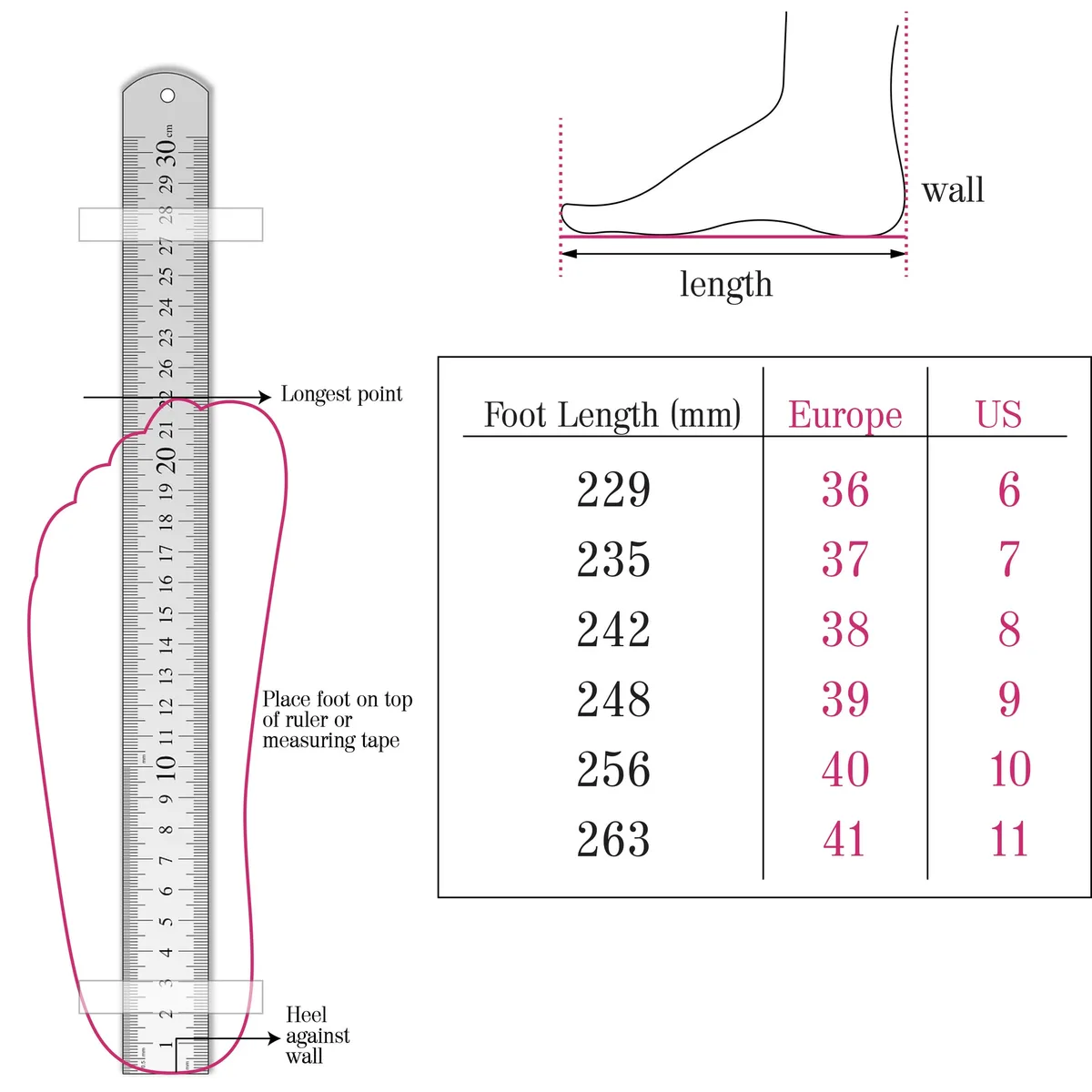
Image source: Bing (Web (fair-use with source credit))
Conversely, if there's too much room, your foot can slide around inside the shoe. This causes friction, which can lead to blisters and calluses. It also means your foot isn't properly supported, potentially contributing to issues like plantar fasciitis or heel pain.
Finding that sweet spot ensures your shoes work with your feet, not against them.
The "Thumb's Width" Rule: Good Starting Point, But What Else?
That classic advice of having a thumb's width of space at the end of your shoe is a solid rule of thumb. It generally applies to the length of the shoe, ensuring your longest toe isn't hitting the front. For most adult feet, a thumb's width is roughly half an inch to three-quarters of an inch.
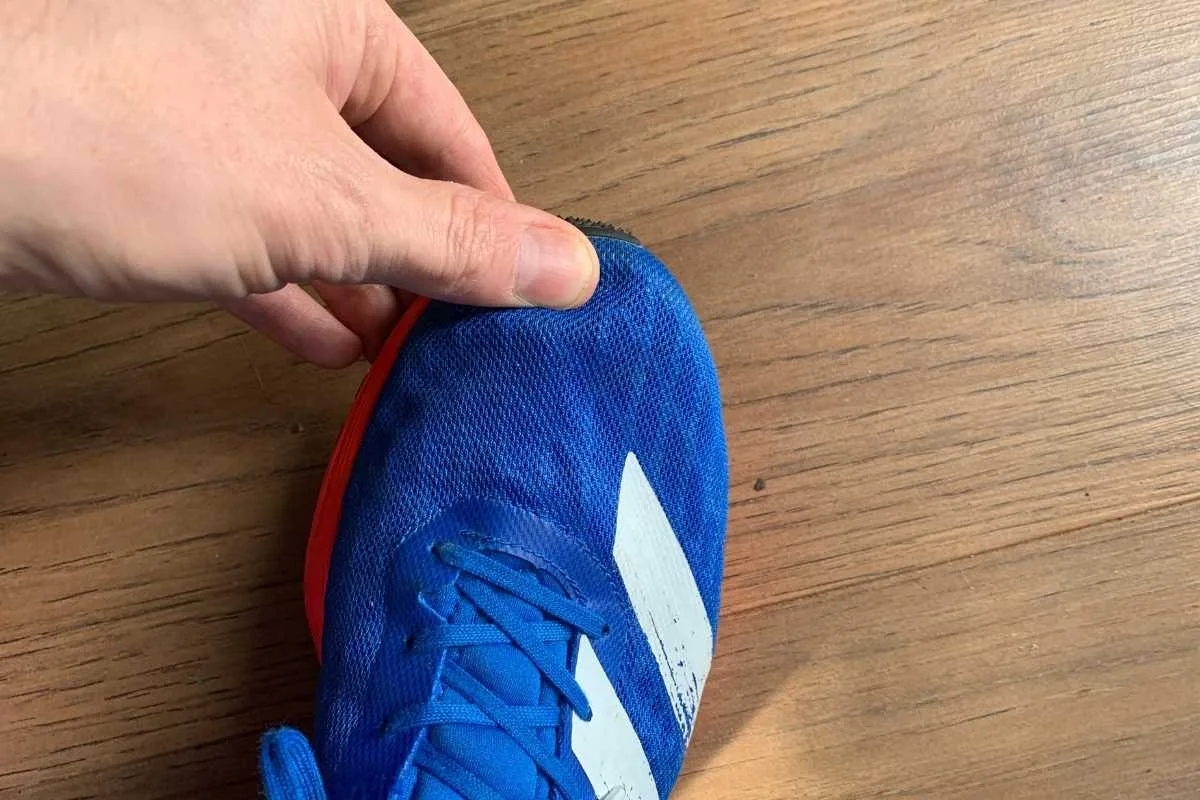
Image source: Bing (Web (fair-use with source credit))
However, this rule only covers one dimension. Shoe fit involves three main components: length, width, and volume (how much space there is from sole to the top of the shoe). Ignoring the width and volume can still lead to ill-fitting shoes, even if the length seems correct.
For example, a shoe could be the right length but too narrow, causing your foot to spill over the sides.
Width is King for Comfort
Manufacturer specifications for footwear often categorize shoes into narrow, regular, wide, and extra-wide widths, not just length. A shoe that's too narrow will pinch the sides of your foot, especially at the ball. This pressure can lead to pain, nerve issues, and affect toe alignment over prolonged periods.
Volume Matters for Toe Box Freedom
The volume, or depth, of a shoe determines how much space your toes have vertically. A shoe with insufficient volume will press down on your toes, causing discomfort and potentially contributing to ingrown toenails or even hammer toes. A well-fitting shoe allows your toes to lie flat and move naturally.
How Your Feet Change: Time, Activity, and Socks
The size and shape of your feet aren't static throughout the day or week, and ignoring this can lead to ill-fitting shoes. Understanding these changes is key to finding the right fit every time you buy footwear. As of 2026, these factors remain paramount in footwear fitting.
Feet Swell Throughout the Day
Our feet tend to swell naturally as the day progresses. This swelling is due to gravity and increased blood flow, especially if you've been standing or walking for extended periods. What feels perfectly comfortable when you try on shoes first thing in the morning might feel uncomfortably snug by the afternoon.
Activity Level Dictates Foot Spread
When you engage in physical activity, your feet undergo more significant changes. During exercise, particularly running or high-impact sports, your feet swell more than usual, and they also spread out to provide a stable base. This means athletic shoes generally require more room than casual or dress shoes to accommodate this expansion.
Sock Thickness Plays a Role
The type of socks you wear can significantly impact shoe fit. Thicker socks, like those worn for hiking or in cold weather, will take up more space inside your shoe, reducing the available room for your foot. Conversely, thin dress socks or no socks at all will result in a looser fit.
Always try on shoes with the type of socks you intend to wear with them.
Testing for the Right Room: A Step-by-Step Guide
Getting the fit right involves more than just glancing at the size label; it requires a hands-on approach. By following a few simple steps, you can accurately assess how much room you truly have in a shoe and whether it's suitable for your foot. This systematic check helps avoid common fitting pitfalls.
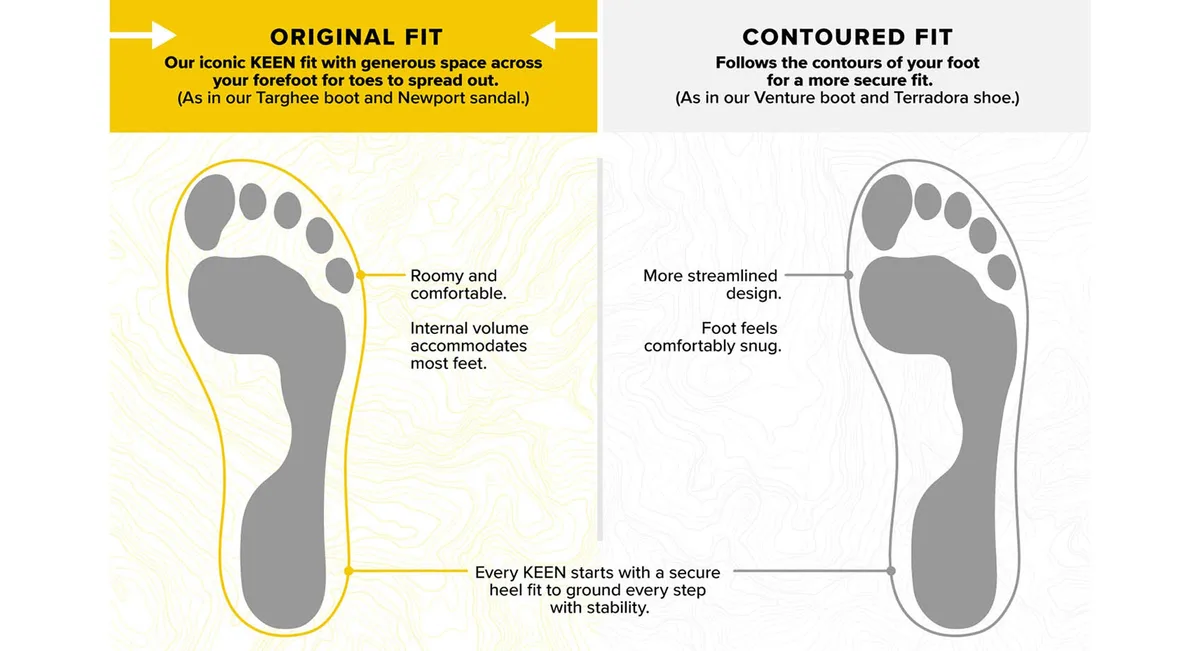
Image source: Bing (Web (fair-use with source credit))
Length Check: Wiggling Your Toes Freely
First, slip the shoe on without any socks to get a baseline feel. Then, slide your foot forward until your longest toe just touches the front of the shoe. At this point, you should be able to comfortably fit one finger, roughly a thumb's width, between your heel and the back of the shoe.
Crucially, you must be able to wiggle your toes freely. They shouldn't feel crammed, pinched, or press against the sides or the top of the shoe.
Width Check: No Pinching, No Spillage
Next, assess the width. Stand up in the shoe. Your foot should sit comfortably within the shoe's sole without bulging over the edges.
If the sides of your foot are pressing outwards or spilling over the sole's perimeter, the shoe is too narrow. Conversely, if your foot feels like it's swimming inside, it might be too wide. The shoe's width should provide a snug but not tight fit around the ball of your foot.
When to Aim for More Space (And When Less is Okay)
The ideal amount of "room" in a shoe isn't a single measurement; it's a dynamic range based on the shoe's purpose and your activity. What works for a pair of running shoes might be too much space in a formal loafer. Understanding these distinctions helps you choose footwear that performs as intended.
Athletic Shoes vs. Dress Shoes: Different Needs
For athletic shoes, especially running or training shoes, more space is generally better. Your feet swell considerably during intense activity, and you need that extra volume to prevent blisters, bruised toenails, and general discomfort. A full thumb's width at the end, with ample room for toe movement, is recommended.
This allows your foot to spread and absorb impact effectively.
In contrast, dress shoes often have a more structured design and may require less overall volume. While you still need enough room to wiggle your toes and prevent pinching, the fit should be more precise to maintain a polished look. Excessive looseness can make dress shoes look sloppy and feel unstable.
A slightly snugger fit, provided it's not painful, is often acceptable in formal footwear.
Common Shoe Fit Mistakes That Hurt Your Feet
Many people fall into a few common traps when trying to ensure their shoes have the right amount of room. One of the biggest errors is relying solely on the marked shoe size. Sizing can vary significantly between brands and even between different styles from the same manufacturer.
A size 9 in one shoe might fit like an 8.5 or a 9.5 in another.
Another frequent mistake is not accounting for foot swelling. Trying on shoes only in the morning when your feet are at their smallest can lead to discomfort later in the day. Similarly, people often forget the impact of sock thickness.
Wearing thin dress socks with a shoe designed for thick athletic socks will make it seem looser than it actually is, leading to an improper fit.
What if your longest toe isn't your big toe?
Some individuals have a second toe that is longer than their big toe, often referred to as a "Morton's toe." In this case, you need to ensure the longest toe isn't hitting the end of the shoe, not just the big toe. The measurement for the thumb's width should be based on this longest digit.
Ignoring the Width and Volume
Focusing only on length is a common error. A shoe could be the perfect length but too narrow, causing severe discomfort and potential foot deformities over time. Likewise, insufficient vertical volume in the toe box can lead to the top of your foot and toes being constantly pressed down.
This often happens with shoes that have a very low profile or are overly rigid.
FAQs About Shoe Room and Fit
What is the standard measurement for shoe fit?
The standard guideline is to have about a thumb's width, or roughly 0.5 to 0.75 inches (1.3 to 1.9 cm), of space between your longest toe and the end of the shoe. This allows for natural foot movement and swelling.
Should my toes touch the end of the shoe when trying them on?
No, your toes should not touch the end of the shoe. You need space to wiggle them freely. If your toes hit the front, the shoe is too short and will cause discomfort and potential foot damage.
How much space should I leave for athletic shoes?
For athletic shoes, especially running or high-impact sports shoes, you should aim for the upper end of the thumb's width guideline, or even slightly more. This extra space accounts for significant foot swelling and spreading that occurs during intense physical activity.
Does foot shape matter for shoe room?
Yes, foot shape is critical. Individuals with wide feet, narrow feet, high arches, or flat feet will require different amounts of width and volume within the shoe, even if the length is the same. Always consider your unique foot anatomy when assessing fit.
What happens if my shoes are too tight?
If your shoes are too tight, you risk developing blisters, corns, calluses, bunions, and ingrown toenails. Over time, consistent pressure can also contribute to more serious issues like hammer toes or nerve impingement.