What Are Motion Control Running Shoes?
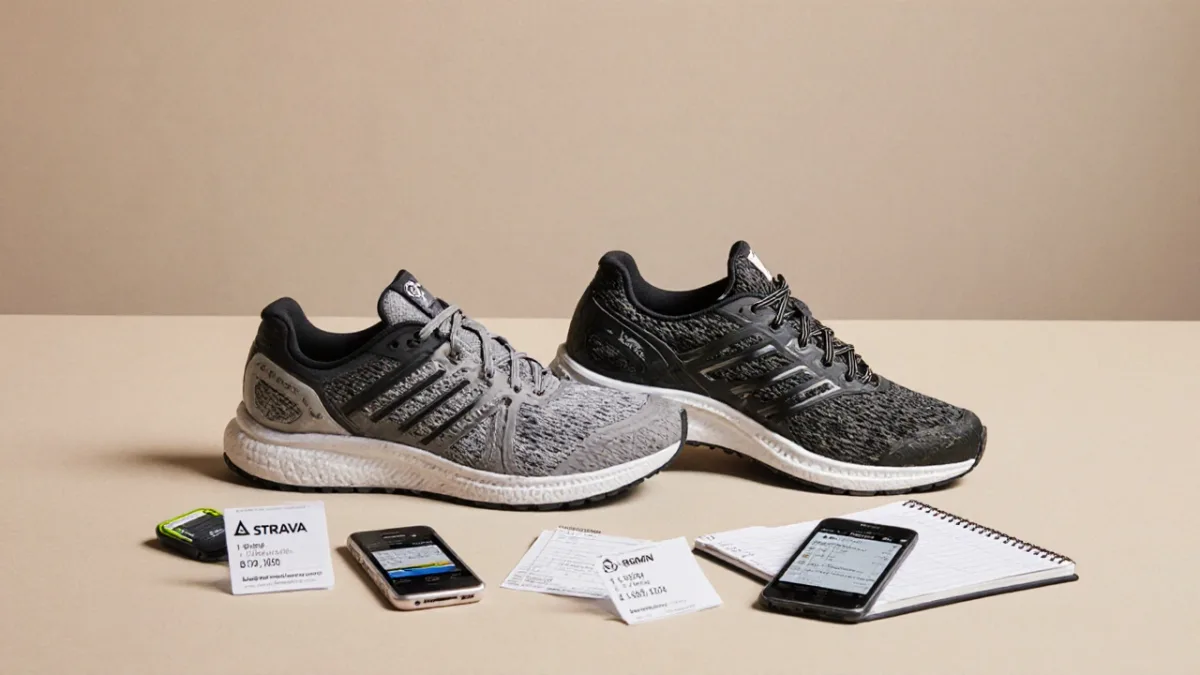
Image source: Bing (Web (fair-use with source credit))
Motion control running shoes are a specialized type of footwear designed for runners who need maximum support to manage overpronation. If you've experienced running-related injuries or discomfort linked to how your foot rolls inward, these shoes might be what you're looking for. They provide a rigid structure to guide your stride and reduce excessive movement.
Our research indicates that these shoes are built with specific components to offer the highest level of stability in running footwear. They are ideal for runners whose foot mechanics put them at risk of pronation-related issues, helping to keep their stride aligned and minimize stress on joints.
Quick Answer
Motion control running shoes offer the highest level of stability for runners. They are engineered to limit excessive inward foot rolling, known as overpronation. Key features include stiff midsoles, medial posts, and firm heel counters.
These shoes are best for individuals with severe overpronation or a history of injuries linked to foot mechanics.
What Overpronation Actually Means for Your Run
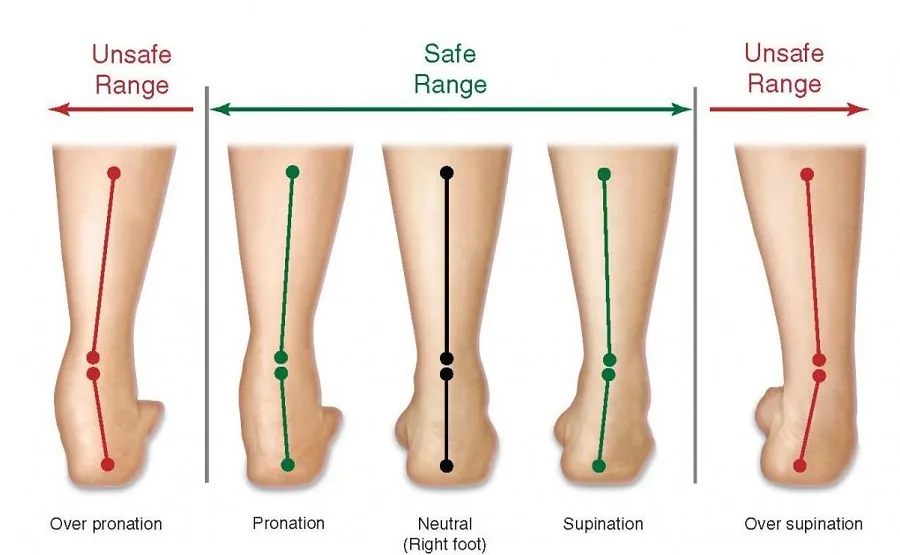
When you run, your foot naturally rolls inward to absorb shock. This movement is called pronation. For most runners, this pronation is mild and helps cushion the impact.
However, for some, the foot rolls inward too much, a condition known as overpronation. This excessive inward rolling can throw off your body's alignment from the foot all the way up to your hips, potentially leading to a range of discomfort and injuries.
Think of your foot like a spring. It compresses and expands to handle the forces of running. If the spring compresses too far inward, it can't function as efficiently.
This can cause undue stress on muscles and ligaments that are working overtime to correct the imbalance.
The Mechanics of Your Foot Strike
Your foot strike is the point where your foot first contacts the ground during your running stride. This initial contact is crucial because it sets the stage for the rest of your gait cycle. When you overpronate, the outside of your heel often strikes first, followed by an excessive inward roll.
This instability during the roll-off phase can lead to muscles in your foot, ankle, and lower leg working harder than they should.
This inefficient movement pattern can cascade. For example, if your ankle rolls inward too much, your knee might also compensate by caving inward. This chain reaction can put strain on the knee joint, shin muscles, and even your hips and lower back.
How Motion Control Shoes Counteract Overpronation
Motion control running shoes are built with a very specific purpose: to provide maximum support and limit this excessive inward rolling. They act like a sturdy guide for your foot, encouraging a more neutral and stable path through the gait cycle. By resisting the inward collapse, they aim to keep your foot, ankle, and leg in better alignment as you run.
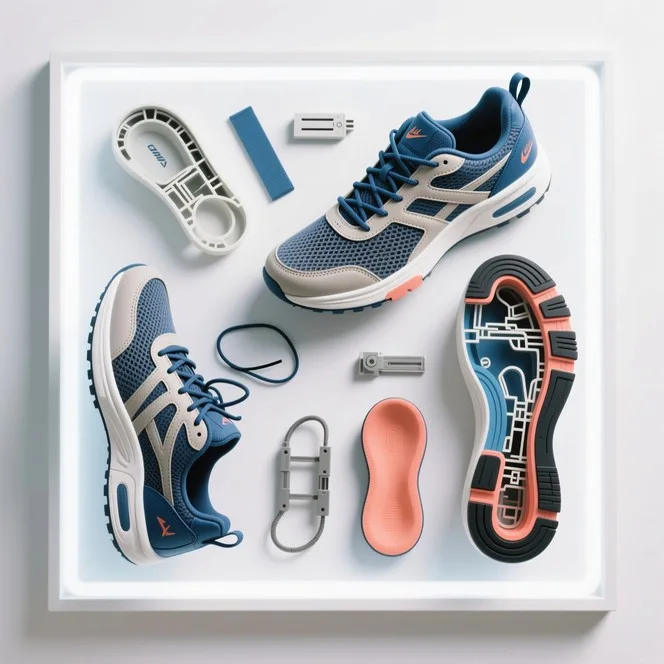
These shoes achieve this through several design elements. They typically feature a firmer, less flexible midsole and a robust structure designed to cradle your foot. The goal is to reduce the amount of motion your foot can make from side to side, thereby stabilizing your stride.
Key Features: What Makes Them "Motion Control"
When you look at a motion control running shoe, you'll notice it feels different from other types of running shoes. They’re generally stiffer and more structured. These design choices aren't just for show; they’re functional elements that work together to provide the highest level of pronation control available in athletic footwear.
The aim is to create a stable platform for runners who need it most.
These shoes are engineered for durability and support, often feeling heavier or less flexible than other running shoes. This is intentional, as the structure is key to their function. They’re built to withstand the forces of repeated impact while guiding the foot through a more stable motion.
Stiff Midsole & Medial Posts Explained
The midsole is the cushioning layer between the outsole and the upper of the shoe. In motion control shoes, this midsole is typically made from a much firmer, denser foam than you'd find in a neutral or cushioned shoe. This rigidity provides a solid foundation and limits the shoe's ability to twist or bend excessively.
A key component often found in the midsole of motion control and stability shoes is the medial post. This is usually a section of denser foam material located on the inner side (medial side) of the midsole, often under the arch. Its purpose is to resist the compression that occurs when the foot overpronates, essentially providing a firmer surface to push off from and slowing down that excessive inward roll.
Manufacturer specifications often indicate the density and placement of these posts.
The Role of a Firm Heel Counter and Wide Base
Beyond the midsole, the other structural elements play a critical role. A firm heel counter is the rigid cup that surrounds your heel. In motion control shoes, this is typically very structured and doesn't collapse easily when you squeeze it.
It helps to lock your heel in place, preventing it from sliding inward or excessively rolling during the heel-strike phase of your gait.
Additionally, these shoes often feature a wider base, especially in the forefoot and heel. A broader platform offers more surface area in contact with the ground, inherently increasing stability. This wider base acts like the foundation of a building, providing a more secure landing and a more stable transition through your stride.
Motion Control vs. Other Running Shoe Types
It's easy to get lost in the jargon, but understanding how motion control shoes differ from other types is crucial for finding the right fit. They represent the peak of stability within the running shoe spectrum. If you don't need maximum support, opting for these might actually hinder your natural stride and cause discomfort.
The core difference lies in the level of pronation control and the overall stiffness. While all running shoes aim to support your feet, motion control shoes are specifically designed for those whose feet have a significant tendency to roll inward.

Here’s a quick breakdown of how they stack up against their close cousins:
Stability Shoes: A Closer Look
Stability shoes are the next step down in terms of pronation control. They are designed for runners who experience mild to moderate overpronation. While they also incorporate features to guide the foot, they are generally less rigid and offer a bit more flexibility than motion control shoes.
A stability shoe might use a less dense or less extensive medial post, or perhaps a different type of structural support within the midsole. The goal is to provide a balance between support and cushioning, making them suitable for a wider range of runners who need a bit of help but not the maximum intervention. They're often a good starting point for those unsure if they need full motion control.
Neutral Shoes: What's the Difference?
Neutral running shoes are built for runners whose feet pronate normally or even supinate (roll outward). These shoes don't have any built-in mechanisms to correct pronation. Instead, their primary focus is on cushioning and shock absorption.
If your foot strikes the ground and rolls inward in a healthy, efficient way, a neutral shoe allows your foot to move naturally. They typically have a more flexible midsole and a softer overall feel. For runners without significant pronation issues, motion control shoes would feel overly stiff and restrictive, potentially interfering with their natural gait and leading to discomfort.
Who Needs Motion Control Running Shoes?
Deciding if motion control shoes are for you isn't a matter of guesswork; it's about understanding your foot mechanics and how they affect your running. These shoes are a specialized tool, and like any tool, they're most effective when used for their intended purpose. If you're not overpronating severely, they might do more harm than good.
The primary candidate for motion control footwear is the runner with a significant degree of overpronation. This is often identified through professional gait analysis, where a specialist observes how your foot moves from the moment it hits the ground to the point it lifts off.
Identifying if You're an Overpronator
There are a few common signs that might indicate you overpronate. One is how your shoes wear down: if the inner edge of your soles wears out much faster than the rest of the shoe, it's a strong clue. You might also notice a tendency for your arches to flatten out when you stand or walk.
Another indicator is pain. Recurring shin splints, pain in the arch of your foot, knee pain (especially on the inside of the knee), or pain in your hips can sometimes be linked to overpronation. However, it's important not to self-diagnose solely based on pain, as many factors can contribute to these issues.
When to Seek Professional Advice (Gait Analysis)
The most reliable way to determine if you need motion control shoes is to undergo a professional gait analysis. Many specialized running stores offer this service, where they'll have you run on a treadmill or on a short path while recording your feet and legs. They look at how your foot strikes the ground, how much it rolls inward, and how your body aligns.
For a more in-depth assessment, consulting a podiatrist or a physical therapist specializing in sports injuries is highly recommended. They can provide a clinical evaluation of your foot structure and biomechanics, helping to identify if your pronation level necessitates the maximum stability offered by motion control footwear. As of 2026, these professional assessments remain the gold standard.
Potential Downsides and When to Avoid Them
While motion control shoes are fantastic for a specific group of runners, they're not a one-size-fits-all solution. Using them when you don't need them can actually create problems rather than solve them. Their very design, which provides rigid support, can be a hindrance if your feet naturally move in a different way.
The biggest downside is that they can feel too stiff and inflexible for many runners. If your foot needs to pronate naturally for shock absorption or efficient push-off, a motion control shoe will fight against that natural movement. This can lead to discomfort, blisters, or even new kinds of pain.
- Restricted Natural Movement: If you have a neutral gait, these shoes will force your foot into a position it doesn't naturally take, potentially causing strain.
- Discomfort and Blisters: The rigidity and structured support can rub or chafe in the wrong places if the shoe isn't suited to your foot shape or biomechanics.
- Potential for New Injuries: By altering your natural stride significantly, you could inadvertently place stress on different parts of your body that aren't accustomed to the change.
It's particularly important to avoid motion control shoes if you have a neutral pronation or supination. Running in them would be like trying to walk with your ankles locked, it's unnatural and inefficient. Always prioritize getting your gait assessed by a professional before investing in specialized footwear like motion control shoes.
Expert Tips for Choosing and Using Motion Control Shoes
Choosing the right motion control running shoes involves more than just grabbing the first pair you see. It’s about making an informed decision based on your individual needs and how your body moves. Our editorial analysis of runner feedback suggests that improper selection is a common pitfall.
When trying them on, pay close attention to how they feel underfoot and around your heel and ankle.
A good running store specialist can guide you through brands and models, but ultimately, you should feel a secure, stable ride without any pinching or rubbing. Don't be afraid to ask questions about the shoe's construction and why it's recommended for your foot type.
- Try them on late in the day: Your feet naturally swell throughout the day, so trying shoes on when your feet are at their largest can help you find a comfortable fit.
- Wear your usual running socks: The thickness of your socks can affect the shoe's fit, so use the socks you normally run in.
- Walk and jog in them: Most good running stores will let you do a short jog or walk around the store or on a treadmill. Pay attention to any pressure points or areas of discomfort.
- Consider the terrain: While motion control is primarily about foot mechanics, some shoes offer better traction or cushioning for specific surfaces like trails versus roads.
Frequently Asked Questions About Motion Control Running Shoes
Do I need motion control shoes if I have flat feet?
Flat feet are often associated with overpronation, so you might benefit from motion control shoes. However, not all flat feet mean you overpronate excessively. A gait analysis is the best way to confirm if the maximum support of motion control is right for you, or if stability shoes would suffice.
How often should I replace my motion control running shoes?
On average, running shoes, including motion control types, should be replaced every 300 to 500 miles, or about every 6 to 12 months for regular runners. Over time, the cushioning and support structures break down, reducing their effectiveness, which can be especially critical for shoes designed for maximum stability.
Can motion control shoes help with knee pain?
Yes, for some individuals, motion control shoes can help alleviate knee pain if that pain is caused by or exacerbated by overpronation. By stabilizing the foot and ankle, these shoes can improve the alignment of the leg, reducing stress on the knee joint. However, knee pain can have many causes, so it's best to consult a healthcare professional.
Are motion control shoes always heavy and stiff?
Generally, motion control running shoes are among the heaviest and stiffest types of running footwear due to their robust support features like firm midsoles and medial posts. While manufacturers are always working on improving materials, don't expect them to feel as light or flexible as neutral shoes. Their weight and stiffness are part of their function.
Can I wear motion control shoes for walking or everyday use?
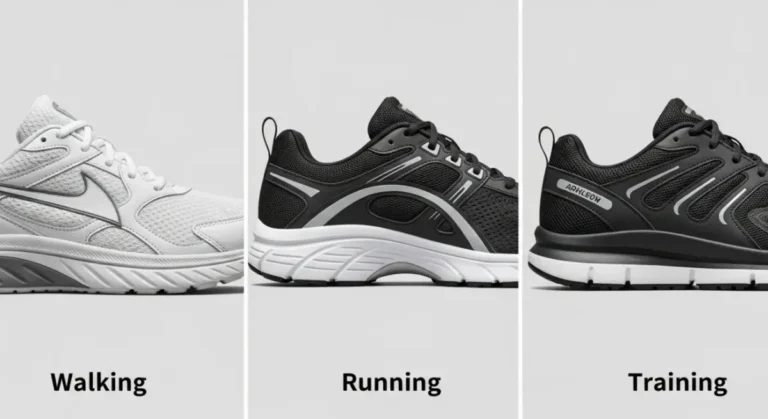
While you technically can wear them for walking or everyday activities, they are specifically designed for the biomechanics of running. Their stiffness and structure might feel restrictive or less comfortable for casual walking compared to shoes designed for that purpose. For optimal performance and comfort, it's best to use them for their intended activity.

One Comment