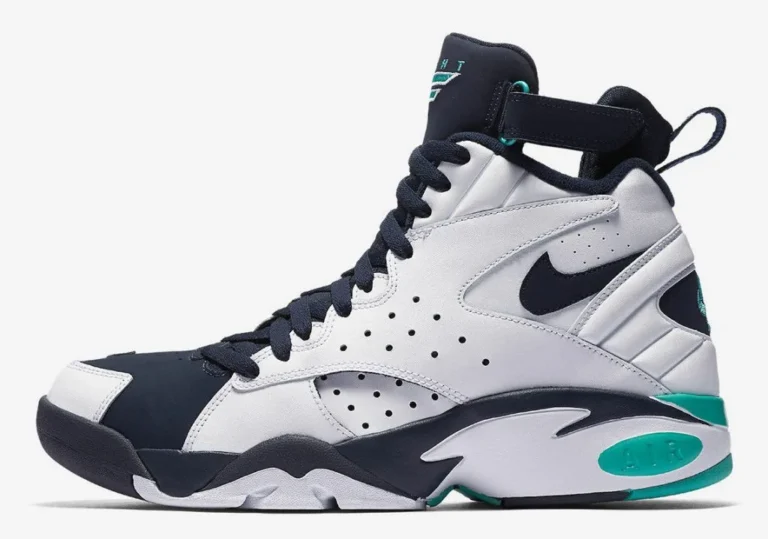
How to Break in Walking Shoes
Image source: Bing (Web (fair-use with source credit))
Breaking In New Walking Shoes: A Step-by-Step Guide
Got a fresh pair of walking shoes that feel a bit stiff? You're not alone. That initial stiffness is totally normal as the materials adjust to your unique foot shape.
Learning how to break in walking shoes properly means turning those stiff newcomers into comfortable companions for all your adventures, preventing blisters and aches along the way.
Manufacturer specifications indicate that most modern walking shoes are designed for comfort right out of the box. However, individual foot anatomy and gait patterns mean a little personalized molding can significantly enhance comfort and prevent irritation. We'll walk through the best methods to get your new footwear ready for miles of happy walking.
Quick Answer
To break in walking shoes, wear them around your house with your typical walking socks for an hour or two. Gradually increase wear time with short walks, paying attention to any rubbing. Address hot spots with thicker socks or moleskin.
Avoid soaking or extreme heat.
Why New Walking Shoes Need a Little Pampering
New walking shoes often have rigid soles and uppers that haven't yet conformed to the wearer's foot. This stiffness can lead to discomfort, blisters, and even impact gait. The process of breaking in helps the shoe materials, particularly leather and synthetic components, to flex and mold to your specific foot shape and walking pattern.
This adaptation is crucial for achieving long-term comfort and preventing the types of irritation that can derail your walking routine. For instance, aggregate reviews report that shoes with leather uppers can take longer to soften than those made from flexible mesh.
The "Around the House" Softening Stage
This initial phase is all about giving your feet and the shoes a gentle introduction to each other. Don't be tempted to wear them on a long trek right away; that’s a surefire way to invite blisters. Instead, we'll start slow and steady, focusing on comfort and identifying potential problem areas before you venture too far.
Wearing Them with Your Usual Socks
The socks you choose make a difference in how a shoe fits and feels. Always break in new shoes with the same type and thickness of socks you plan to wear them with regularly. If you typically wear athletic socks, use those.
If you prefer thinner dress socks for casual walks, use those. This ensures that the fit you achieve during the break-in period accurately reflects your actual wearing experience. For example, a thicker sock can take up more volume in the shoe, potentially alleviating pressure points that might otherwise go unnoticed.
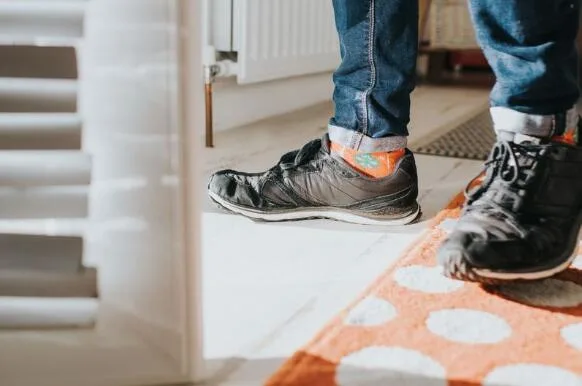
Image source: Bing (Web (fair-use with source credit))
Initial Discomfort Check
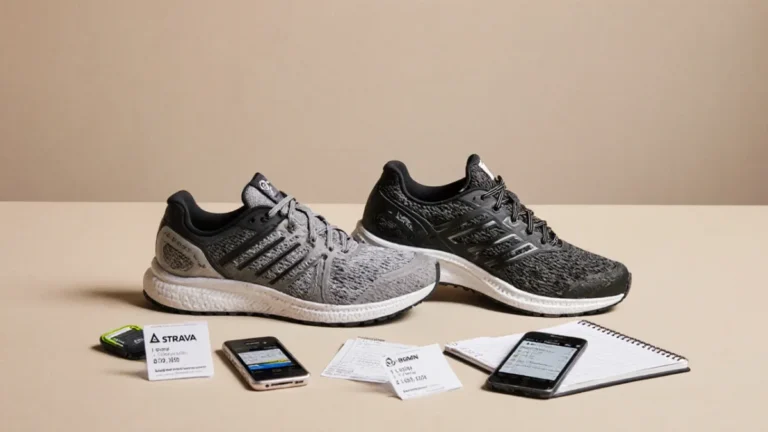
Once your shoes are on, and you're wearing your chosen socks, it's time for a gentle assessment. Walk around your home for an hour or two, performing normal daily activities like tidying up, preparing a snack, or just moving from room to room. Pay close attention to any areas of pressure, rubbing, or pinching.
Does the toe box feel too snug? Is there a seam rubbing against your heel? Or perhaps the arch support feels a bit off?
Any discomfort felt now, even if minor, can become a significant issue during longer walks.
Gradual Introduction: Short Walks and Errands
After your shoes have passed the indoor test with flying colors, it’s time to introduce them to the great outdoors. This stage involves slowly extending their use to real-world scenarios, building up the distance and duration of your wear. The goal is to mimic actual walking conditions while still keeping the strain on your feet minimal.
Testing the Waters: First Outings
Begin with short, easy walks outside. Think around the block, a quick trip to the local shop, or a leisurely stroll in a nearby park. The key here is to keep the duration manageable, perhaps 15 to 30 minutes initially.
This allows the shoes to start flexing more naturally with your foot's movement on varied surfaces like pavement or grass, unlike the consistent flooring of your home.
Listening for Hot Spots
During these initial outdoor excursions, stay keenly aware of how your feet feel. A "hot spot" is an area of friction or pressure that, if ignored, can quickly develop into a painful blister. You might feel a persistent rubbing or a warmth that indicates irritation is beginning.
If you notice a hot spot developing, it’s a sign to stop walking for the day or at least take the shoes off to let your foot recover. It's better to end a short walk early than to push through discomfort and end up with foot injuries.
Boosting Comfort: Dealing with Rubbing and Pinching
Even with careful breaking in, some shoes might develop persistent hot spots or feel tight in specific areas. Fortunately, there are several effective methods to address these issues and ensure a comfortable fit without causing damage to the shoes. These techniques target the points of friction or pressure directly.
Protective Measures: Band-Aids and Moleskin
If you identify a particular spot on your foot that tends to rub or pinch, proactive protection is your best friend. Before you even put on your shoes, apply an adhesive bandage (like a Band-Aid) or a piece of moleskin directly to the area of your skin that is experiencing irritation. Moleskin is particularly effective as it's thicker and more durable than a standard bandage, providing a robust buffer against friction.
This creates a barrier, preventing the shoe material from directly contacting sensitive skin and causing blisters.
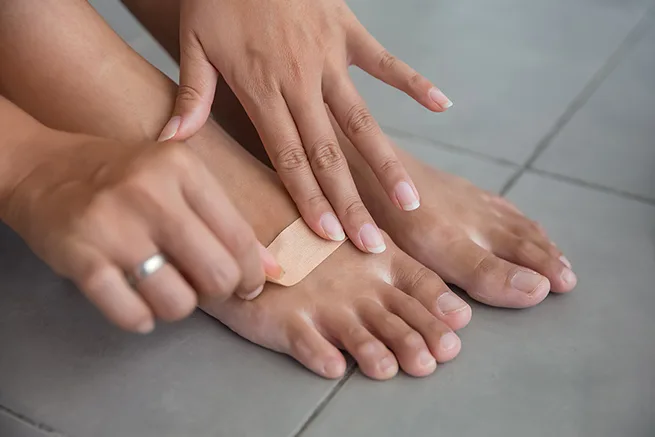
Image source: Bing (Web (fair-use with source credit))
Gentle Manipulation and Shoe Stretchers
For shoes made of stiffer materials, like leather, you can sometimes manually help the breaking-in process. Gently flex the shoe's upper or sole with your hands, focusing on the areas that feel most rigid. Be careful not to force the material to the point of creasing or damage.
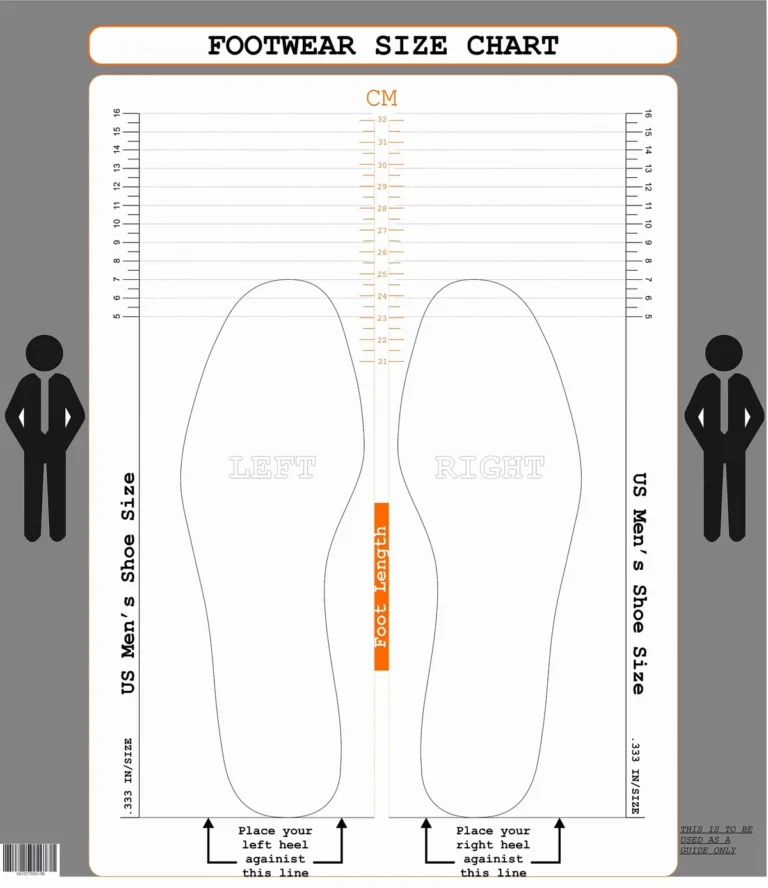
If a particular section of the shoe consistently feels too tight, especially across the width or in the toe box, a shoe stretcher can be a valuable tool. These devices are inserted into the shoe and can be expanded to apply gentle, sustained pressure, widening or lengthening specific areas over time. Always follow the manufacturer's instructions for any shoe stretching device to avoid overdoing it and damaging the footwear.
What NOT to Do: Common Shoe-Breaking Mistakes
While trying to speed up the process, people often resort to methods that can actually damage new shoes or lead to worse discomfort. Understanding what not to do is just as important as knowing the right steps. Manufacturer warnings often highlight these pitfalls.
For example, certain adhesives used in shoe construction can degrade with excessive moisture or heat.
- Soaking in Water: Submerging your shoes in water can irreparably damage many materials, including leather, suede, and glues. It can lead to warping, discoloration, and weakening of the shoe's structure.
- Using Extreme Heat: Methods like microwaving or placing shoes in an oven or on a direct heat source can melt synthetic components, warp plastic or rubber parts, and ruin the shoe's shape.
- Wearing Them for an Entire Day Immediately: Skipping the gradual wear stages and going straight for prolonged use is the most common cause of blisters and foot pain.
How Long Until They're Perfectly Broken In?
The timeline for breaking in walking shoes varies significantly. It depends on the materials used, the shoe's construction, and your individual foot shape. Generally, shoes made from flexible synthetic materials might feel comfortable after just a few wears, sometimes even immediately.
Leather shoes, especially hiking boots, often require a more extended period, potentially several weeks of regular wear, to fully soften and mold to your feet. As of 2026, this variability remains a constant factor in footwear comfort.
Frequently Asked Questions About Breaking In Shoes
How can I tell if my walking shoes are broken in?
Your shoes are considered broken in when you can wear them for your usual walking duration and distance without experiencing any rubbing, pinching, or hot spots. Your feet should feel comfortable throughout the entire activity, allowing you to focus on your walk rather than your footwear.
Can I use a hairdryer to break in my shoes faster?
While a hairdryer might temporarily soften some shoe materials, it’s generally not recommended. Excessive heat can damage adhesives and synthetic components, potentially deforming the shoe or weakening its construction, as noted by many footwear manufacturers.
What if my new shoes are too tight in the toe box?
If the toe box feels too constricting, you can try wearing thicker socks for shorter periods inside the house. For more persistent tightness, a shoe stretcher designed to expand the toe area can be used cautiously. If the issue is severe, professional stretching by a cobbler might be necessary.
Do I need to break in all types of walking shoes?
Most walking shoes benefit from a brief break-in period, but the intensity varies. Casual walking shoes with flexible uppers may require minimal effort, while more robust models like leather walking shoes or hiking boots demand a more thorough, gradual process to ensure comfort and prevent injury.
How should I store my shoes while breaking them in?
Store your shoes in a cool, dry place away from direct sunlight and extreme temperatures. This helps maintain their shape and material integrity. Avoid leaving them in a hot car or direct sunlight for extended periods, as this can accelerate material degradation.