What Is EVA Foam in Shoes?
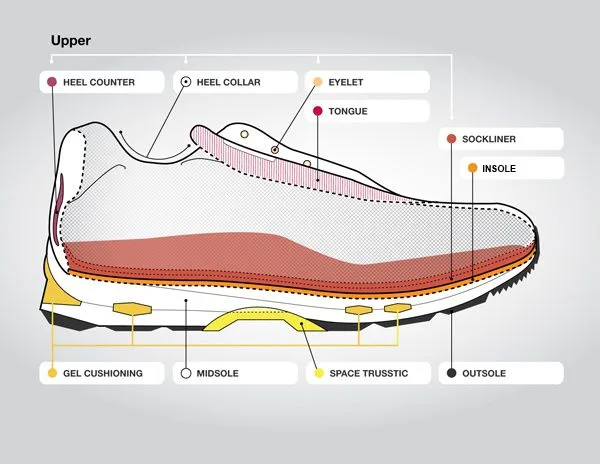
You’ve probably wondered what makes your favorite sneakers so light and bouncy. The answer often lies in the material nestled between the sole and the upper: EVA foam. Understanding what is EVA foam in shoes helps you appreciate the technology that makes walking and running more comfortable.
It's a versatile plastic foam that’s become a staple in modern footwear. Manufacturer specifications often highlight its properties for shock absorption. As of 2026, its use continues to dominate many shoe designs, offering a key component for everyday comfort and athletic performance.
Quick Answer: EVA Foam's Role in Your Shoes
EVA foam is a cushioning material common in shoe midsoles. It’s known for being lightweight, flexible, and a good shock absorber. Ethylene-vinyl acetate provides comfort and reduces impact.
This material is crucial for the feel of many casual and athletic shoes.
Core Explanation: What Exactly is EVA Foam?
So, what exactly is EVA foam? EVA stands for Ethylene-Vinyl Acetate, a type of copolymer that’s processed to create a flexible, rubber-like plastic material. Think of it as a foamed plastic.
It’s not a single, rigid block but rather a structure filled with tiny air bubbles, which is what gives it its characteristic lightness and cushioning.
The ratio of ethylene to vinyl acetate can be adjusted during manufacturing. This allows material scientists to fine-tune its properties. For example, a higher vinyl acetate content generally leads to a softer, more flexible, and more transparent foam.
This adaptability is why EVA is so widely used across different types of footwear, from flip-flops to high-performance running shoes. It's essentially a versatile building block for comfortable soles.
Key Features: Why EVA Is So Common in Footwear
There are several reasons why EVA foam has become such a dominant material in the footwear industry. Its unique blend of attributes makes it incredibly practical for shoe design and wearer comfort.
- Lightweight: This is perhaps EVA's most celebrated feature. Its cellular structure means it has a very low density. This translates directly to shoes that feel light on your feet, reducing fatigue during long periods of wear or intense activity.
- Cushioning: EVA acts like a built-in shock absorber. When your foot strikes the ground, the foam compresses, absorbing a significant portion of the impact energy. This is vital for protecting your joints and providing a comfortable ride.
- Flexibility: Unlike some stiffer materials, EVA is inherently flexible. This allows the shoe's midsole to bend and move with your foot, promoting a more natural gait cycle and preventing discomfort from rigid materials.
- Good Grip: While not its primary function, EVA can offer a decent level of traction on many surfaces, especially when textured.
- Water Resistance: EVA does not absorb water easily. This means your shoes are less likely to become heavy or uncomfortable when exposed to light moisture.
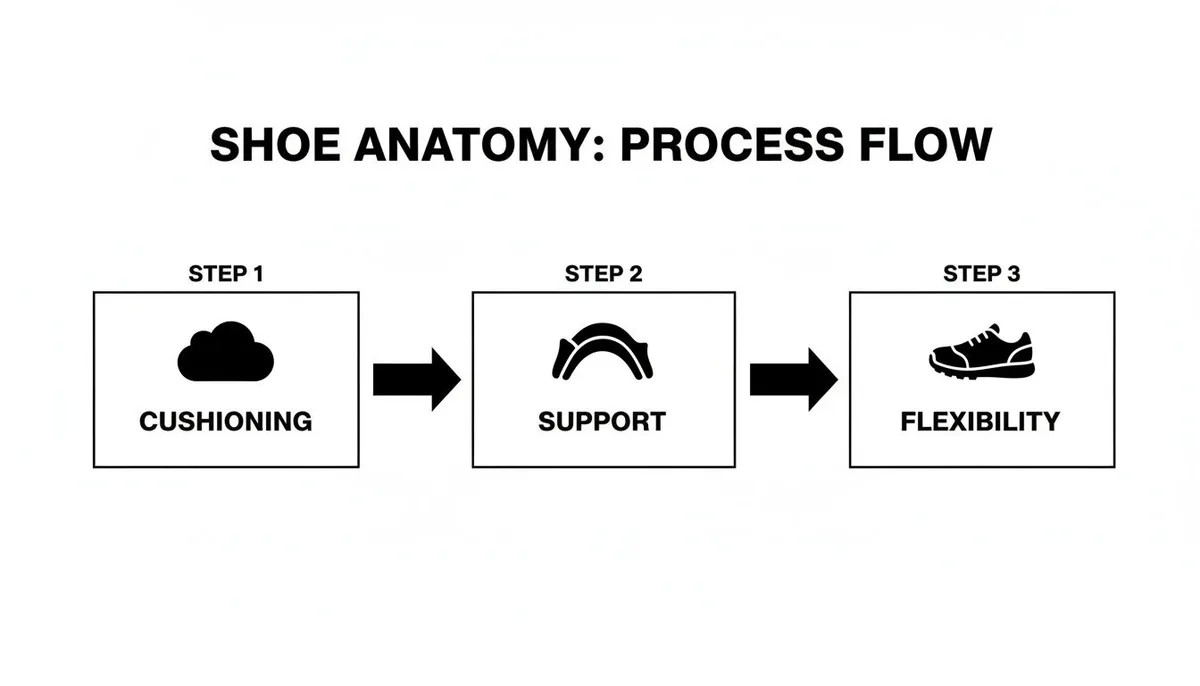
Image source: Bing (Web (fair-use with source credit))
These qualities combined make EVA a go-to for designers aiming for shoes that feel good and perform well for a wide range of activities.
The Trade-Offs: Benefits and Drawbacks of EVA Foam
While EVA foam offers a fantastic combination of features, it's not without its limitations. Understanding these trade-offs helps you make informed choices about your footwear.
Benefits:
- Excellent Shock Absorption: As mentioned, its primary advantage is softening impacts, making it ideal for activities like running or walking. This can help prevent common foot and joint pain.
- Lightweight Comfort: The low density significantly contributes to the overall comfort of a shoe by reducing perceived weight.
- Cost-Effective: Compared to some high-performance or exotic materials, EVA is relatively inexpensive to produce, which helps keep shoe prices more accessible.
- Good for All-Around Use: Its balance of properties makes it suitable for casual wear, everyday trainers, and even some performance-oriented shoes.
Drawbacks:
- Compression Over Time: The biggest downside is that EVA foam compresses with repeated stress. This means the cushioning and responsiveness can degrade over time, especially with high mileage or heavy use. Most running shoes, for instance, start to lose their optimal cushioning after 300-500 miles.
- Less Durable Than Some Foams: While reasonably durable, denser materials like polyurethane (PU) often last longer under heavy, consistent impact.
- Limited Stability for Some: For individuals who need significant pronation control or extreme stability, standard EVA might not provide enough support. In these cases, shoes might incorporate denser EVA inserts or different materials altogether.
Understanding these pros and cons helps you know what to expect from shoes featuring EVA foam.
Who's It Best For? EVA Foam Use Cases
EVA foam is incredibly versatile, which is why you see it used across so many different types of footwear. Its broad appeal stems from its ability to provide comfort and cushioning without excessive weight.
- Casual Wearers: For everyday sneakers, walking shoes, and sandals, EVA offers the perfect blend of comfort and lightness that most people look for. It makes shoes feel good straight out of the box.
- Runners (especially casual to moderate): Many popular running shoes utilize EVA midsoles for its shock-absorbing qualities. It's great for road running and general training where a balance of cushioning and responsiveness is desired. If you're wondering what is cushioning in running shoes?, EVA is a primary component.
- Athletes Needing Basic Support: For activities that involve moderate impact, EVA provides sufficient cushioning. It’s a common material in shoes for sports like tennis or training.
- Those Seeking Lightweight Options: If you're sensitive to shoe weight or simply prefer a lighter feel, EVA is a material to seek out.
It's important to note that while EVA is great, some specialized athletic applications might require foams with more advanced properties, such as higher energy return or enhanced stability. For instance, understanding what is the difference between stability and neutral running shoes? can help determine if EVA alone is sufficient for your needs.
EVA vs. Other Shoe Foams: What's Different?
When you look at shoe technology, you'll often find EVA foam at the center. But it's not the only game in town, and brands frequently tweak it or use alternatives. Understanding these differences helps you appreciate why one shoe might feel different from another.
- Polyurethane (PU) Foam: PU is generally denser and more durable than standard EVA. This means it often offers longer-lasting cushioning and better support but at the cost of being heavier. Think of it as a more robust, sometimes firmer, cushioning system. Some older, very durable athletic shoes might feature PU midsoles.
- Proprietary EVA Blends: Most major shoe brands have their own patented foam technologies. These are often variations of EVA, sometimes blended with other polymers or additives to enhance specific properties. For example, terms like "Boost" (Adidas), "React" (Nike), or "Fresh Foam" (New Balance) refer to their unique formulations. These aim to improve energy return, responsiveness, or durability beyond standard EVA. They are still fundamentally EVA-based, but with advanced engineering.
- TPU (Thermoplastic Polyurethane): While not always a full foam, TPU is often used in shoe midsoles, sometimes in conjunction with EVA or as small beads or structures. It's known for its durability and energy return, offering a more responsive feel than traditional EVA, but it can be firmer and heavier if used extensively.
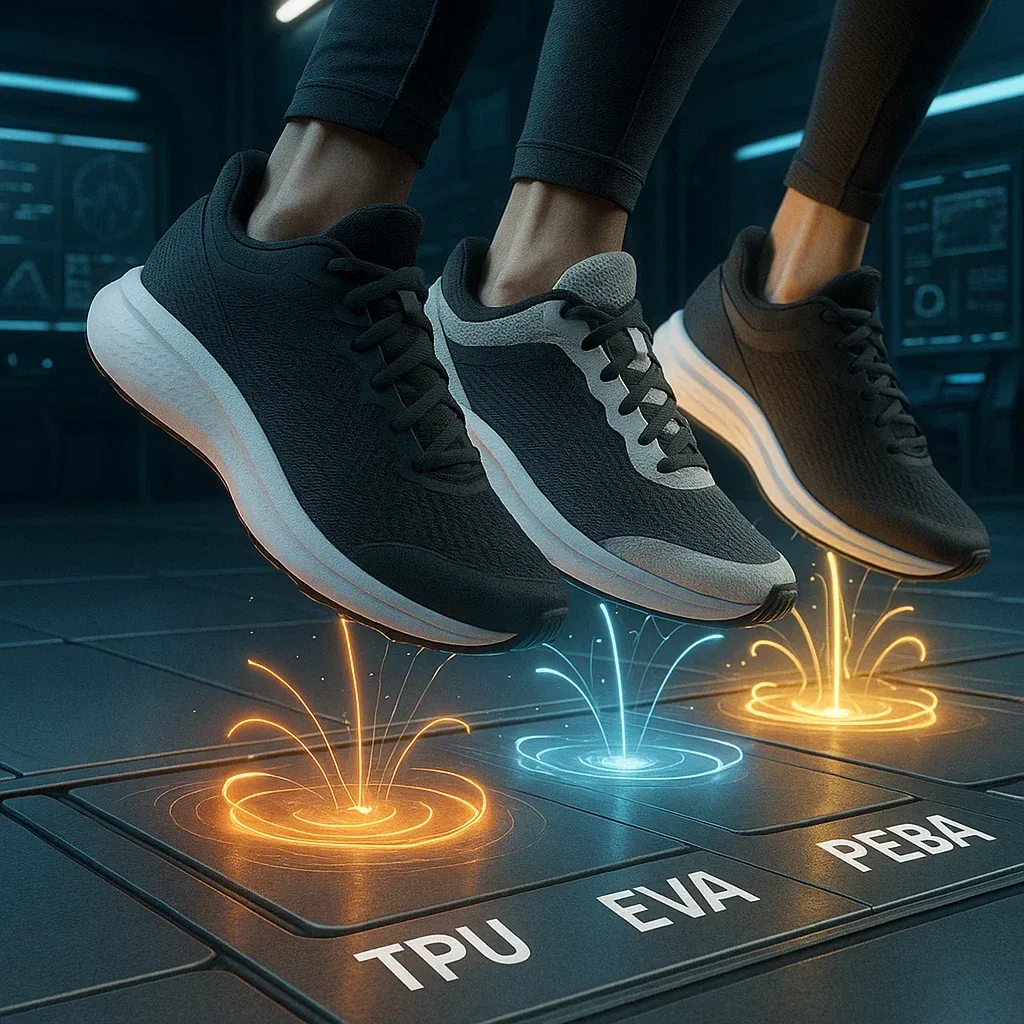
Image source: Bing (Web (fair-use with source credit))
Essentially, while EVA provides a reliable baseline for cushioning and lightness, brands are constantly innovating to offer enhanced performance through modified EVA or entirely different foam technologies. For those seeking the ultimate in lightweight cushioning, EVA remains a strong contender, but its lifespan can be shorter than some alternatives.