How to Remove Shoe Odor
Dealing with stinky shoes can be a real confidence killer, but you're in the right place to learn how to remove shoe odor effectively. The good news is that banishing that unwelcome smell is often straightforward once you know the right methods. We'll guide you through a clear, step-by-step workflow, whether your shoes have a mild funk or a persistent problem.
Our research indicates that most shoe odor issues stem from moisture and bacteria, which thrive in warm, dark environments. Manufacturer specifications for athletic footwear often highlight the importance of breathability and rapid moisture-wicking to combat this, a principle we'll apply to all shoe types. Let's get those shoes smelling fresh again.
Quick Answer
The best way to remove shoe odor involves a combination of moisture control and bacteria elimination. For mild smells, air out shoes daily and use moisture-wicking socks. For tougher odors, try baking soda, diluted vinegar spray, or activated charcoal inserts.
Always ensure shoes are completely dry before wearing them again.
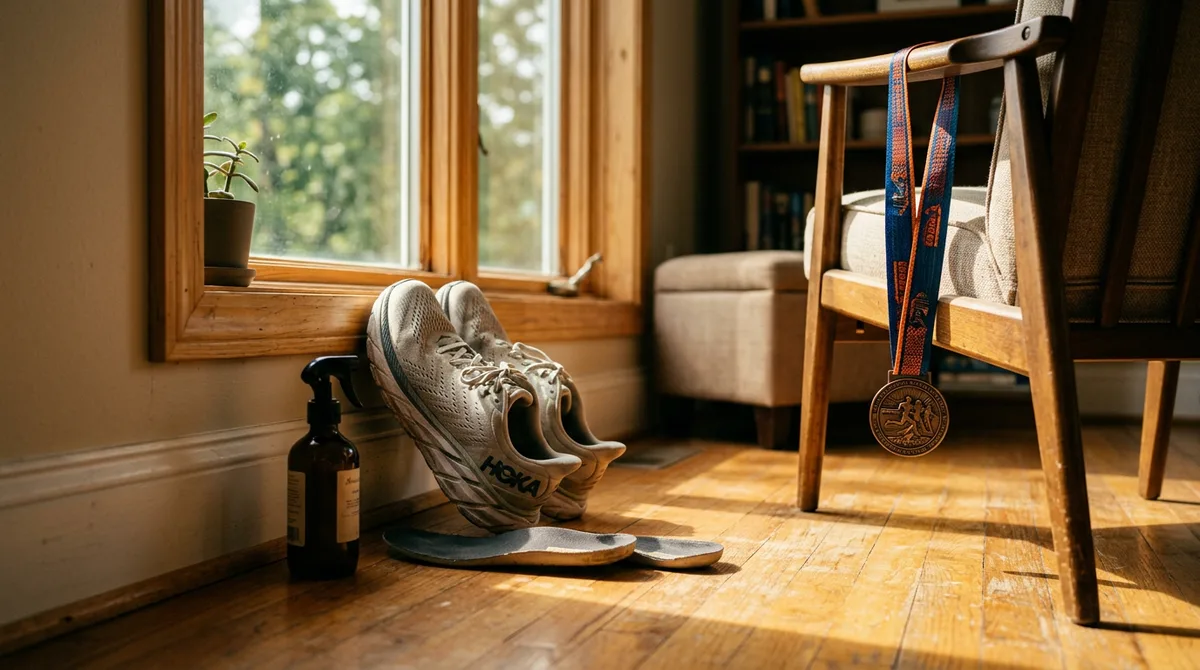
Image source: Bing (Web (fair-use with source credit))
Understanding Shoe Odor: Why It Happens
Ever wonder why shoes, especially after a long day or a workout, can develop that unmistakable smell? It's a common problem, and understanding the root cause is the first step to solving it. At its core, shoe odor is caused by a combination of sweat and bacteria.
Your feet have a surprisingly large number of sweat glands, around 250,000 per pair, according to some physiological studies. When these glands release perspiration, it gets absorbed by your socks and then trapped inside your shoes.
This trapped moisture creates a warm, damp environment that's ideal for bacteria to multiply. These bacteria feed on the sweat and dead skin cells that naturally shed from your feet. As they break down these organic materials, they release waste products, and it's these byproducts that produce the unpleasant odor we associate with smelly shoes.
Different types of bacteria can cause slightly different smells, but the fundamental process remains the same: moisture + bacteria = odor. Understanding this relationship is key to choosing the most effective removal methods.
Quick Wins: Tackling Mild Shoe Smell
If your shoes are just starting to develop a slight funk, or if you're looking to prevent odors before they become a major problem, there are several easy and effective strategies you can implement right away. These methods focus on minimizing moisture and giving your shoes the chance to air out properly, which is crucial for preventing bacterial buildup. Think of these as your daily defense against shoe odor.
One of the simplest yet most effective tactics is to air out your shoes after every wear. Don't just shove them into a dark closet or gym bag. Instead, place them in a well-ventilated area, like near an open window or on a porch, allowing them to dry thoroughly.
If you frequently wear the same pair of shoes, rotating your footwear is also highly recommended. Allowing each pair at least 24 to 48 hours of drying time between wears significantly reduces the chance of odor-causing conditions developing.
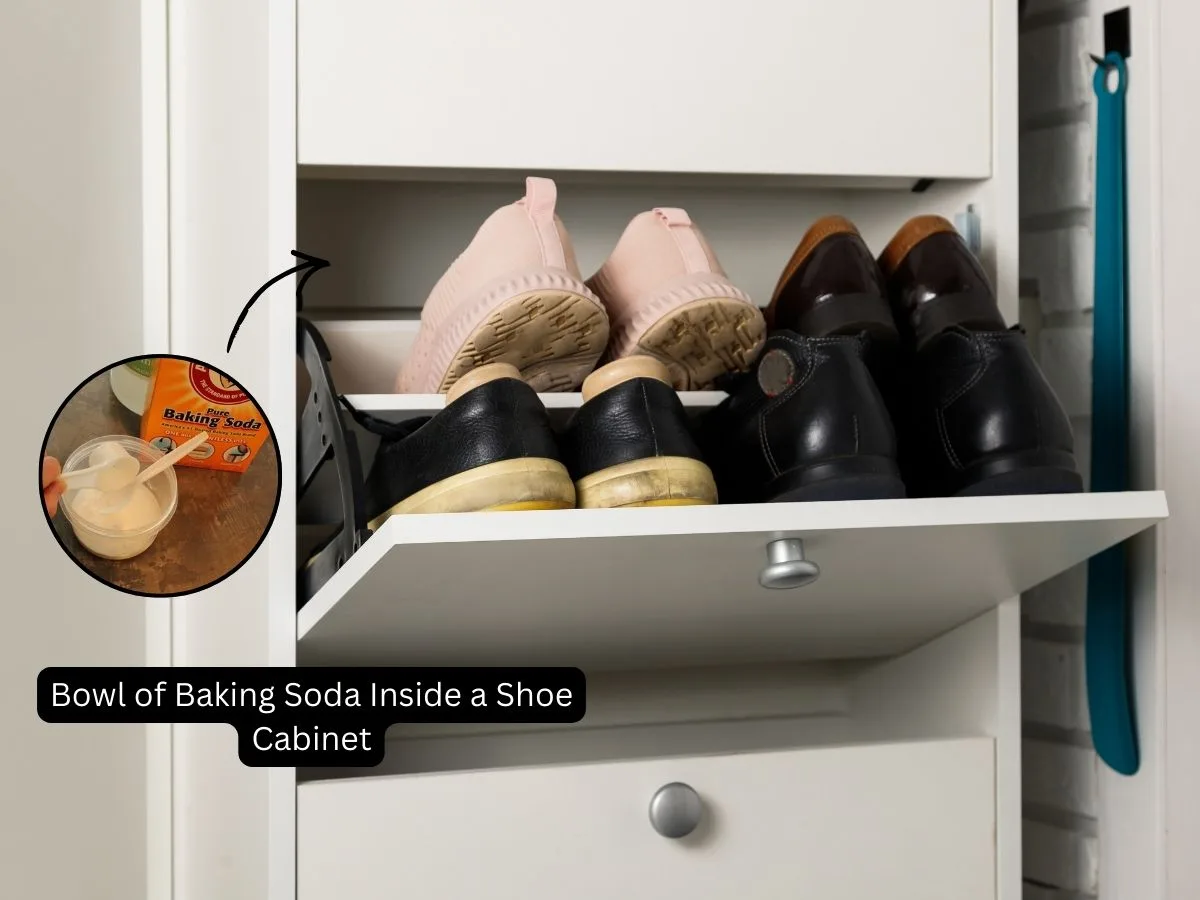
Image source: Bing (Web (fair-use with source credit))
Beyond just airing them out, consider your socks. Opting for moisture-wicking socks made from materials like merino wool or synthetic blends can make a huge difference compared to traditional cotton socks, which tend to hold onto moisture. Many podiatrists recommend moisture-wicking materials to help manage foot perspiration and maintain drier conditions.
Finally, a light dusting of odor-controlling foot powder before putting on your shoes can help absorb excess sweat throughout the day.
Your Odor-Busting Workflow: From Mild to Stubborn
When prevention isn't enough and a noticeable odor has taken hold, it’s time to move to more targeted treatments. This workflow guides you through escalating solutions, from mild interventions for moderate smells to more robust methods for persistent issues. The principle behind each step is to either absorb existing moisture, neutralize odor compounds, or kill the odor-causing bacteria.
We’ll start with accessible household items and move towards specialized solutions.
The first escalation point for moderate odors is using common household items. Baking soda is a fantastic natural deodorizer. Simply sprinkle a generous amount inside the shoes, ensuring it gets into the nooks and crannies, and let it sit overnight. For best results, shake out the excess baking soda thoroughly before wearing the shoes.
If baking soda doesn't quite do the trick, a diluted vinegar spray can also be effective. Mix equal parts white vinegar and water in a spray bottle and lightly mist the inside of the shoes.
Deeper Dives: Effective Treatments for Moderate Odor
If the baking soda or a light vinegar mist hasn't fully eliminated the smell, we can dig a bit deeper into treatments that target bacteria and odor more aggressively. These methods are still quite accessible and use items many people have on hand or can easily acquire. The key here is consistency and ensuring the shoes dry completely after any treatment involving liquids.
One surprisingly effective method for moderate odors is the freezing technique. Bacteria, like many organisms, have optimal temperature ranges. By placing your shoes in a sealed plastic bag and putting them in the freezer overnight, you can significantly reduce the viable bacterial population.
Ensure the shoes are completely thawed and aired out before wearing to avoid any issues with moisture. This method is particularly good for shoes where you can't easily apply powders or sprays, like certain leather or synthetic materials.
Another powerful option involves activated charcoal inserts. These are specifically designed to absorb moisture and odors from the air trapped within your shoes. You can find these inserts in many shoe stores or online.
Simply place them inside your shoes when you’re not wearing them, and they'll work to pull out both dampness and smell. Manufacturer specifications for these inserts often cite high absorption capacities, making them a solid choice for persistent moderate odors.
Tackling Persistent Stink: Advanced Solutions
When those stubborn smells just won't quit, even after trying the baking soda, vinegar, or freezing methods, it's time to bring out the heavy artillery. Persistent odors often mean bacteria have deeply embedded themselves or are being continually replenished. For these situations, specialized products or more intensive treatments are necessary.
This is where we might look at products designed purely for odor elimination.
Odor-removing sprays are a common go-to here. When selecting a spray, look for formulations that explicitly state they kill odor-causing bacteria or neutralize odors, rather than just masking them with a stronger fragrance. Following the product's instructions precisely is crucial for safety and effectiveness, as some sprays may require a waiting period or specific application techniques.
Always test a small, inconspicuous area first, especially on sensitive materials like suede or certain dyed leathers, to ensure no discoloration occurs.
For washable shoes, such as many canvas sneakers or synthetic athletic shoes, a thorough wash can be incredibly effective. Check the shoe's care label first to confirm it's machine washable. Use a gentle cycle with cold water and a mild detergent. Crucially, always air dry them afterward.
Never put shoes in a machine dryer, as the intense heat can warp glues, shrink materials, and damage the structural integrity of the shoe. Direct sunlight can also act as a natural disinfectant and aid drying, but be mindful that prolonged exposure can fade colors on some materials.
Preventing Future Funk: Daily Habits and Shoe Care
The best defense against shoe odor is a good offense, and that means establishing smart daily habits and consistent shoe care routines. Preventing odor from forming in the first place is far easier than trying to eliminate it once it has taken hold. These practices aren't just about keeping your shoes smelling fresh; they also contribute to better foot hygiene and can help extend the life of your footwear.
Consistent care means less stress and fewer trips to the "shoe emergency room."
The foundation of odor prevention is managing moisture. As we've discussed, bacteria thrive in damp environments. Therefore, allowing your shoes adequate drying time is paramount.
If you wear the same pair of shoes every day, you're creating a prime breeding ground for odor. Try to rotate between at least two pairs of shoes, giving each pair a full 24 to 48 hours to dry out completely between wears. This simple act of rotation is incredibly effective and often overlooked.
Investing in quality, moisture-wicking socks is another non-negotiable step. Synthetic blends or merino wool socks are designed to pull sweat away from your skin and help it evaporate quickly. This keeps your feet drier and, consequently, your shoes less damp.
For anyone who experiences particularly sweaty feet, considering foot powder can provide an extra layer of defense. Applying a light dusting of an antiperspirant or odor-controlling foot powder can help absorb moisture and keep feet feeling fresher throughout the day.
Common Mistakes to Avoid When Deodorizing Shoes
Even with the best intentions, some common missteps can hinder your efforts to remove shoe odor or even make the problem worse. Being aware of these pitfalls can save you time, effort, and potential damage to your shoes. It’s easy to think a quick spray will fix everything, but often, a deeper understanding of the process is needed.
One of the most frequent errors is relying solely on masking agents. Many air fresheners or perfumed sprays simply cover up the smell temporarily without addressing the underlying cause, bacteria and moisture. As soon as the fragrance fades, the odor returns, sometimes even stronger.
Always opt for products or methods that neutralize odors or kill bacteria.
Another mistake is improper drying. After using liquid treatments like vinegar or washing shoes, it’s crucial that they dry completely before being worn or stored. Stuffing damp shoes into a closet or gym bag will trap moisture, creating the perfect conditions for bacteria to flourish and the odor to return, often more intensely than before.
Always ensure shoes are thoroughly aired out, which might take 24, 72 hours depending on the material and humidity.
Using too much of a good thing can also backfire. For example, over-saturating shoes with vinegar can damage certain materials or leave a lingering vinegar smell. Similarly, using harsh chemicals not intended for footwear can degrade materials like leather or synthetics, causing discoloration or brittleness.
Always follow product instructions and err on the side of caution with delicate materials. Lastly, ignoring the shoes themselves and focusing only on foot hygiene is also a missed opportunity. While clean feet are essential, the shoes need active intervention to truly solve the odor problem.
How to Measure Your Feet for Shoes
Getting the right fit is fundamental to shoe comfort and can even influence how much your feet sweat, indirectly affecting odor. If your shoes are the wrong size or width, they can cause friction and trap more moisture. Understanding how to properly measure your feet ensures you're starting with a solid foundation for odor-free footwear.
To measure your feet accurately, you'll need a piece of paper, a pen, and a ruler or measuring tape. Stand on the paper with your heel against a wall. Mark the longest part of your foot (usually your longest toe) with the pen.
Repeat for the other foot, as they might be slightly different sizes. Measure the distance from the edge of the paper (where the heel was) to the mark you made. This measurement, typically taken in inches or centimeters, corresponds to your shoe length.
What Is the Difference Between Shoe Width and Size?
Shoe size is typically represented by a number (e.g., 9, 10.5), indicating length, while width is often indicated by a letter (e.g., B for narrow, D for medium, E or EE for wide). It's crucial to consider both length and width. A shoe that is too tight in width can restrict circulation and increase sweat.
Conversely, a shoe that is too loose can cause your foot to slide around, leading to friction and potential blisters. For instance, many athletic shoes come in various widths to accommodate different foot shapes, as detailed in discussions on stability and neutral running shoes.
What Are Motion Control Running Shoes?
Motion control running shoes are designed for individuals who need maximum support and stability. These shoes typically feature a rigid heel counter, a firm midsole, and a wider base to help prevent excessive pronation, which is the inward rolling of the foot. If you have very flat feet or a tendency for your ankles to roll inward, these might be a good choice for managing foot mechanics that could contribute to odor issues.
Their robust construction aims to guide the foot through a more neutral gait cycle.
What Is Cushioning in Running Shoes?
Cushioning refers to the shock-absorbing material found in the midsole of running shoes. It's designed to soften the impact of each stride, providing comfort and reducing stress on joints. The level of cushioning can vary significantly, from minimalist designs with very little padding to highly plush shoes offering maximum impact protection.
While not directly related to odor removal, the overall comfort and support from adequate cushioning, as explained in what cushioning in running shoes is, can influence how much your feet perspire and how well you manage them.