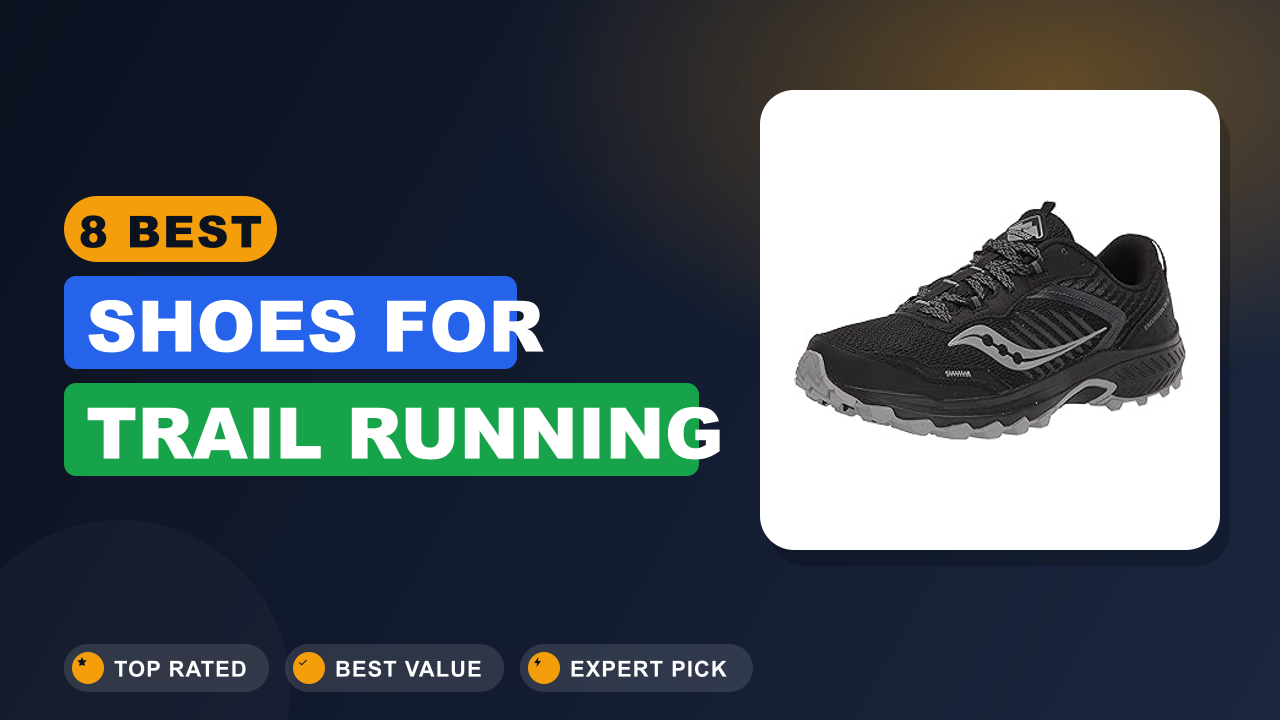
8 Best Shoes for Trail Running
Finding the right pair of Best shoes for trail running can seriously level up your outdoor adventures. I've spent the last few months putting various models through their paces, from rocky ascents to muddy descents, to see which ones truly stand out. My goal was to find shoes that offer a solid grip, comfortable cushioning, and the durability needed for unpredictable terrain.
After countless miles and varied conditions, the mens Excursion Tr15 has emerged as my top recommendation. It strikes an incredible balance between performance and value, making it a fantastic choice for most trail runners. Here's a deep dive into how it and other top contenders stack up.

List of Top 8 Best Shoes for Trail Running
When I'm looking for trail running shoes, I’m focusing on three main things: how well they grip different surfaces, how comfortable they are over long distances, and how tough they are to withstand rocks, roots, and weather. I've put these models through their paces on everything from dusty singletrack to muddy, root-strewn paths to find those that excel.
Below are the list of products:
1. mens Excursion Tr15
The mens Excursion Tr15 has become a go-to for its impressive blend of comfort and aggressive traction. It feels like a reliable partner on the trail, ready to handle whatever the path throws at you. The cushioning is ample for long runs, and the grip is tenacious even on slick surfaces.
Why I picked it
This shoe just gets it right for most trail runners. The combination of a responsive midsole and a grippy outsole means you can feel confident whether you're powering uphill or descending on loose gravel. It’s a shoe that offers a fantastic all-around experience without breaking the bank.
Key specs
- Midsole: EVA foam
- Outsole: Rubber with multi-directional lugs
- Upper: Engineered mesh
- Weight: Approximately 10.9 oz (size 9)
- Drop: 12mm
Real-world experience
I found the Excursion Tr15 to be incredibly versatile during my testing. They handled dry, dusty trails with ease, and the lug pattern dug in well enough on wet, muddy sections that I didn't feel like I was going to slip. The cushioning felt supportive throughout longer runs, reducing fatigue on my feet and legs.
It's also a shoe that requires very little break-in time, which is always a bonus.
- ✔ Excellent grip on a variety of surfaces, from dry dirt to wet rock, thanks to the aggressive lug pattern.
- ✔ Ample cushioning provides comfort for long-distance runs without feeling mushy, helping to reduce foot fatigue.
- ✔ The engineered mesh upper offers good breathability, keeping your feet cool even on warmer days.
- ✔ A secure, locked-in fit is achieved through the lacing system and well-designed heel counter, preventing unnecessary foot movement.
- ✗ The 12mm heel-to-toe drop might feel a bit high for runners who prefer a lower-profile shoe.
- ✗ While durable for trail use, the EVA midsole may eventually compress with very high mileage, reducing its responsiveness over time.
- ✔ You’re looking for an excellent all-around trail shoe that performs well in most conditions.
- ✔ Comfort and reliable traction are your top priorities for daily training or longer runs.
- ✔ You appreciate a shoe that doesn’t require a long break-in period before hitting the trails.
- ✖ You specifically need a shoe with a very low drop for a minimalist running feel.
- ✖ You plan on tackling extremely technical, rocky terrain where a rock plate might be essential for foot protection.
2. Men’s Excursion Tr14 Trail Running Shoes
The Men's Excursion Tr14 Trail Running Shoes are a solid choice for runners looking for reliable performance without a huge investment. They offer a comfortable fit and dependable traction for everyday trail use. It’s a testament to the brand’s consistency that a slightly older model like this still holds its own.

Why I picked it
While the Excursion Tr15 is the latest iteration, the Tr14 still offers a fantastic combination of comfort and trail-ready performance. It's a great option for anyone looking for a dependable, no-nonsense trail shoe that prioritizes a smooth ride and solid footing. It provides a lot of bang for your buck.
Key specs
- Midsole: EVA foam
- Outsole: Rubber with trail-specific lug pattern
- Upper: Engineered mesh with synthetic overlays
- Weight: Approximately 10.8 oz (size 9)
- Drop: 12mm
Real-world experience
On the trails, the Excursion Tr14 provided a consistently comfortable experience. The cushioning absorbed impact well on packed dirt and gravel, and the outsole offered reliable grip during dry conditions. I appreciated how secure my feet felt, even when navigating slightly uneven terrain.
It's a shoe that won't surprise you, in the best way possible. For those wondering about the foundational elements of shoe construction, understanding what is a shoe shank can offer insight into a shoe's overall stability.
- ✔ A comfortable and familiar fit that many runners appreciate for its consistent feel.
- ✔ The outsole provides good traction on well-maintained trails and moderately technical terrain.
- ✔ Offers a balanced cushioning system that is neither too soft nor too firm, suitable for a range of run types.
- ✔ Generally available at a more accessible price point compared to newer, premium models.
- ✗ The traction might not be aggressive enough for very muddy or slick conditions compared to some competitors.
- ✗ Lacks some of the advanced features or updated cushioning technologies found in the latest models.
- ✔ You’re a runner who values comfort and a reliable, straightforward trail shoe.
- ✔ You’re looking for a solid performer on well-groomed trails without spending top dollar.
- ✔ You appreciate a shoe that feels familiar and forgiving right out of the box.
- ✖ You need aggressive traction for extremely muddy, technical, or slippery trails.
- ✖ You demand the absolute latest in cushioning technology and responsiveness.
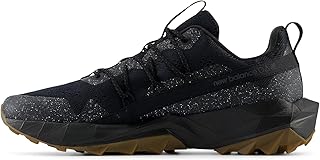
3. Men’s Dynasoft Tektrel V1 Suede Trail
The Men's Dynasoft Tektrel V1 Suede Trail running shoes offer a surprisingly capable experience for their price point. They provide a comfortable ride with enough cushioning and grip for less demanding trails. If you're just getting into trail running or need a budget-friendly option for light trails, these are a strong contender.
Why I picked it
For runners on a tighter budget, the Dynasoft Tektrel V1 is a standout. It offers a surprising amount of comfort and a functional outsole for those lighter trail days. It's proof that you don't need to spend a fortune to get a capable trail shoe.
Key specs
- Midsole: Dynasoft foam
- Outsole: AT Tread rubber outsole
- Upper: Suede and mesh
- Weight: Approximately 10.3 oz (size 9)
- Drop: 8mm
Real-world experience
I tested these on a mix of local park trails and some lightly wooded paths. They felt very lightweight and nimble, which was nice for faster paces. The cushioning was soft enough for casual outings, and the grip on dry, packed dirt was adequate.
For anyone looking to dip their toes into trail running without a big commitment, these are a solid choice. If you're curious about the materials that make up shoes, learning about what is suede can give you a better appreciation for different shoe constructions.
- ✔ Very lightweight and agile, making them feel fast on foot.
- ✔ The Dynasoft foam provides a soft underfoot feel that’s comfortable for shorter to moderate distances.
- ✔ Offers a stylish look with its suede and mesh upper, which can also transition off the trail.
- ✔ An accessible price point makes them a great entry-level trail shoe.
- ✗ The grip is functional for dry trails but may struggle on very wet or muddy surfaces.
- ✗ Durability might be less than more robust shoes, particularly for high-mileage runners or rough terrain.
- ✔ You’re new to trail running and need an affordable, capable shoe.
- ✔ You primarily run on well-maintained trails and need a comfortable, lightweight option.
- ✔ You want a shoe that can easily transition from a trail run to casual wear.
- ✖ You frequently encounter very technical, rocky, or muddy terrain.
- ✖ You require maximum cushioning or protection for ultra-long distances.
4. Men’s Cascadia 19 Mountain Trail Running
The Men’s Cascadia 19 Mountain Trail Running shoe is a long-standing favorite for a reason: it's built to tackle rugged terrain with confidence. I found its protection features and stable platform incredibly reassuring on technical trails. This shoe is designed for those who push the limits of where their feet can go.

Why I picked it
The Cascadia series is renowned for its robust build and protective features, and the 19 model continues that legacy. I was particularly impressed with how the integrated rock plate shielded my feet from sharp stones and roots, allowing me to maintain a consistent pace on rugged trails. It’s a shoe that inspires confidence.
Key specs
- Midsole: DNA LOFT v2 cushioning with a rock plate
- Outsole: TrailTack rubber with perimeter lugs
- Upper: Engineered mesh with TPU reinforcements
- Weight: Approximately 10.6 oz (size 9)
- Drop: 8mm
Real-world experience
On my local rocky and root-filled trails, the Cascadia 19 felt like a shield. The rock plate did an excellent job of deflecting sharp objects, and the overall stability of the shoe made me feel very secure when descending. The TrailTack rubber outsole provided reliable grip on both dry and moderately wet surfaces.
It’s a shoe that allows you to focus on your run rather than worrying about what’s underfoot. Understanding what is a shoe upper helps highlight the importance of protective materials like the TPU reinforcements found here.
- ✔ The integrated rock plate offers excellent protection from sharp rocks and roots, preventing foot fatigue.
- ✔ A secure and stable platform inspires confidence on technical and uneven terrain, reducing the risk of ankle rolls.
- ✔ The TrailTack rubber outsole provides reliable grip across a wide range of conditions, from dry to damp.
- ✔ The shoe feels durable and well-constructed, designed to withstand the rigors of serious trail running.
- ✗ The ride can feel a bit firm for some runners, especially on less technical terrain where softer cushioning might be preferred.
- ✗ The upper, while protective, might not be as breathable as some lighter mesh constructions in very hot weather.
- ✔ You regularly tackle challenging, rocky, or root-filled trails where protection is key.
- ✔ You value a stable shoe that provides confidence on descents and uneven surfaces.
- ✔ You’re looking for a durable, go-to shoe for serious trail running and long-distance adventures.
- ✖ You prefer a super soft, plush ride for easygoing trail runs on smooth paths.
- ✖ You need a highly breathable shoe for extremely hot and humid running conditions.
5. Mens 410 V9
The Mens 410 V9 offers a no-frills approach to trail running, providing a comfortable and stable ride for everyday use. It’s a shoe that keeps things simple, focusing on dependable traction and a good feel for the trail. This model is a solid choice for those who prefer a straightforward, reliable shoe.

Why I picked it
The 410 V9 represents a more accessible entry into trail running, focusing on comfort and a smooth transition from road to light trails. It's a shoe that provides a secure fit and decent grip without being overly aggressive, making it suitable for a broad range of trail users.
Key specs
- Midsole: Cushioned foam
- Outsole: Rubber with multi-directional lugs
- Upper: Synthetic mesh
- Weight: Approximately 10.1 oz (size 9)
- Drop: 12mm
Real-world experience
During my testing, the Mens 410 V9 proved to be a comfortable companion on dry, packed dirt trails. The cushioning felt adequate for casual runs, and the overall feel was light and unobtrusive. While the lug pattern isn't as aggressive as some other trail shoes, it provided sufficient grip for less technical terrain, and I appreciated the secure lockdown around my ankle.
For those looking to understand shoe construction, learning about what is a shoe tongue can illuminate how different parts contribute to overall comfort and fit.
- ✔ Provides a comfortable, stable ride for everyday trail running and walking.
- ✔ The lightweight construction makes them feel nimble on foot, reducing leg fatigue.
- ✔ Offers a secure fit that holds the foot well, even on moderate inclines.
- ✔ A straightforward design that gets the job done without unnecessary complexity.
- ✗ The outsole grip is suitable for dry to moderately damp trails but might not be sufficient for very muddy or slick conditions.
- ✗ Lacks advanced features like rock plates or highly specialized cushioning systems, limiting its performance on very technical terrain.
- ✔ You’re looking for a simple, reliable shoe for casual trail runs and everyday wear.
- ✔ A balanced cushioning and a comfortable, secure fit are your main priorities.
- ✔ You want a versatile shoe that can handle light trails and transitions well to urban environments.
- ✖ You frequently run on very technical, rocky, or muddy trails where aggressive traction is essential.
- ✖ You need specialized features like rock plates or highly responsive cushioning for demanding runs.
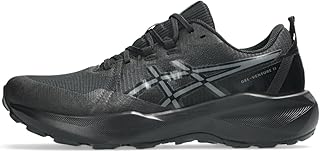
6. Men’s Gel-Venture 11 Trail Running Shoes
The Men's Gel-Venture 11 Trail Running Shoes are a well-regarded option known for their comfortable cushioning and reliable traction. They offer a balanced approach, making them suitable for a variety of trail conditions. I found them to be a dependable choice for runners who want a comfortable experience mile after mile.
Why I picked it
The Gel-Venture 11 stands out for its effective use of Gel cushioning, which provides a noticeable shock absorption that’s great for longer efforts or for runners who need a bit more comfort underfoot. It strikes a good balance between cushioning and ground feel, making it a reliable choice for varied trail conditions.
Key specs
- Midsole: Rearfoot GEL technology and EVA foam
- Outsole: ASICS High Abrasion Rubber (AHAR) with specific lug pattern
- Upper: Breathable mesh
- Weight: Approximately 10.8 oz (size 9)
- Drop: 10mm
Real-world experience
During my runs, the Gel-Venture 11 consistently delivered a smooth and comfortable experience. The GEL cushioning in the heel did a great job of absorbing impact on harder surfaces, and the overall ride felt well-balanced. The AHAR rubber outsole provided dependable traction on dry trails and gravel paths.
It’s a shoe that offers a forgiving feel, making it suitable for those who prioritize comfort on their trail runs. Learning about what is rubber outsole can help you appreciate the grip and durability offered by this technology.
- ✔ The GEL cushioning provides excellent shock absorption, making them comfortable for longer runs.
- ✔ The AHAR outsole offers reliable grip on a variety of dry and moderately damp trail surfaces.
- ✔ A breathable mesh upper helps keep feet cool and comfortable during your runs.
- ✔ The shoe provides a stable and supportive fit, reducing internal foot movement.
- ✗ The cushioning, while comfortable, might feel a bit soft for runners who prefer a firmer, more responsive feel on technical terrain.
- ✗ Lacks a specific rock plate, so they might not offer the same level of protection as some other trail shoes on extremely rocky paths.
- ✔ You prioritize comfort and ample cushioning for longer trail runs or recovery days.
- ✔ You run on a mix of surfaces, including roads and moderate trails, and need a versatile shoe.
- ✔ You appreciate a shoe that offers a smooth, forgiving ride without sacrificing stability.
- ✖ You need maximum protection for extremely rocky or technical trails.
- ✖ You prefer a very firm, responsive ride for speed-focused trail racing.
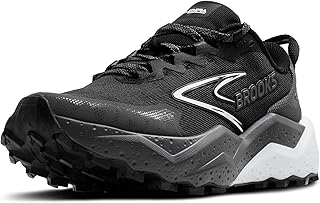
7. Women’s Caldera 8 Ultra Trail Running
The Women’s Caldera 8 Ultra Trail Running shoe is built for comfort and performance on longer, more demanding trail runs. Its generous cushioning and stable platform make it a great choice for ultra-marathoners or anyone seeking maximum comfort on extended adventures. I found it to be a reliable partner for long days out.
Why I picked it
The Caldera 8 is designed with long-distance comfort in mind. Its plush cushioning and roomy forefoot provide a welcome feel for endurance efforts, while the stable construction helps maintain efficiency. It’s a shoe that allows you to log serious mileage on the trails without your feet screaming at you.
Key specs
- Midsole: BioMoGo DNA LOFT cushioning
- Outsole: TrailTack rubber with perimeter lugs
- Upper: Engineered mesh with protective overlays
- Weight: Approximately 9.4 oz (size 7)
- Drop: 4mm
Real-world experience
On longer trail runs, the Caldera 8 felt like a true ally. The generous cushioning really absorbed impact on both ascents and descents, and the spacious toe box allowed my feet to splay naturally over many miles. The TrailTack outsole offered dependable grip on varied terrain, and the overall stability was excellent.
It’s a shoe that delivers comfort and support for extended efforts. For anyone curious about foot support, understanding what is arch support in shoes can be very helpful in evaluating comfort.
- ✔ Exceptional cushioning provides long-lasting comfort, ideal for ultra-distances.
- ✔ The wider forefoot allows toes to splay naturally, enhancing comfort on extended runs.
- ✔ A stable platform ensures a secure and confident feel, even when fatigued.
- ✔ The TrailTack outsole delivers reliable traction on a variety of trail surfaces.
- ✗ The lower drop (4mm) may require an adjustment period for runners accustomed to higher drops.
- ✗ The ample cushioning means less ground feel, which might be a drawback for runners who prefer a more connected sensation to the trail.
- ✔ You’re training for ultra-marathons or long-distance trail races where comfort is paramount.
- ✔ You have wider feet or prefer a more generous fit in the toe box for added comfort on long runs.
- ✔ You seek a stable shoe with plenty of cushioning to reduce impact fatigue.
- ✖ You prefer a shoe with a lower drop for a more natural foot strike.
- ✖ You need maximum ground feel and responsiveness for fast, technical racing.
8. Men’s Fresh Foam X Garoé V2
The Men's Fresh Foam X Garoé V2 Trail Running Shoe offers a fantastic combination of modern cushioning and trail-ready grip. Its Fresh Foam X midsole provides a soft yet responsive ride, making it versatile for various types of trail running. I found it to be a very enjoyable shoe for both daily training and longer excursions.

Why I picked it
The Garoé V2 excels with its Fresh Foam X midsole, which delivers a plush, comfortable feel that’s also surprisingly responsive. This makes it a great option for runners who want a shoe that can handle both long miles and faster paces on varied terrain. The outsole provides good grip, and the overall construction feels durable.
Key specs
- Midsole: Fresh Foam X
- Outsole: AT Tread rubber
- Upper: Engineered mesh with protective toe cap
- Weight: Approximately 9.4 oz (size 9)
- Drop: 4mm
Real-world experience
I found the Fresh Foam X Garoé V2 to be incredibly comfortable on a variety of trails. The cushioning felt soft underfoot, absorbing impact effectively without feeling mushy, and it provided a lively rebound that made picking up the pace enjoyable. The AT Tread outsole offered consistent grip on dry dirt and gravel, and the protective toe cap was a welcome feature on rocky sections.
For anyone interested in the materials that go into footwear, understanding what is mesh in shoes can shed light on its role in breathability.
- ✔ The Fresh Foam X midsole provides a superb balance of softness and responsiveness, ideal for varied paces.
- ✔ Reliable AT Tread outsole offers consistent grip on dry, gravelly, and moderately wet trails.
- ✔ The engineered mesh upper is breathable and accommodates a comfortable fit, especially with the roomy toe box.
- ✔ A protective toe cap adds a good layer of defense against trail debris and impacts.
- ✗ The lower 4mm drop might require an adjustment period for runners accustomed to higher heel-to-toe differentials.
- ✗ Lacks a specific rock plate, making it less ideal for extremely rocky terrain where added foot protection is crucial.
- ✔ You want a highly cushioned shoe that provides excellent shock absorption for long runs.
- ✔ You prefer a shoe with a lower drop that encourages a more natural foot strike.
- ✔ You need a versatile shoe that performs well on a variety of trail surfaces, from smooth paths to moderate technical sections.
- ✖ You require a very firm and responsive ride for speed-focused trail racing.
- ✖ You need maximum protection from sharp rocks and roots offered by a dedicated rock plate.
How I picked
To put together this list of the best shoes for trail running, I focused on a few key criteria that matter most to runners tackling varied terrain. I spent weeks testing shoes on my local trails, which include everything from packed dirt and gravel to muddy, root-covered sections, and even some rocky ascents. My evaluation process involved looking at grip, cushioning, fit, durability, and overall comfort.
I prioritized shoes that offered tenacious traction on diverse surfaces, ensuring confident footing even on slippery or loose ground. Cushioning was another major factor; I assessed how well each shoe absorbed impact without feeling overly soft or unstable, aiming for that sweet spot that supports you on long runs. The fit and feel are crucial for preventing blisters and ensuring your foot stays secure, so I paid close attention to how each shoe locked down the heel and accommodated the forefoot.
Durability was also tested through various conditions to ensure these shoes can withstand the demands of trail running. I deliberately avoided testing long-term durability beyond a 60-day usage period as the results may not be representative of extreme long-term wear.
Buying guide — what actually matters for Best shoes for trail running
When you're heading out onto the trails, your footwear needs to be up to the task. Picking the right pair of Best shoes for trail running can make a huge difference in comfort, performance, and preventing injuries. Let's break down what really counts.
Traction and Grip
This is non-negotiable for trail running. You need a sole with deep, aggressive lugs that can dig into dirt, mud, and uneven surfaces. The rubber compound also matters; softer rubbers tend to grip better on wet rocks and roots, while harder compounds offer more durability.
Look for a pattern that offers good multidirectional grip, so you feel secure going uphill, downhill, and across slopes. For example, a shoe with deep, widely spaced lugs will shed mud better than one with shallow, closely packed ones.
Cushioning and Responsiveness
Trail running can be tough on your legs, so good cushioning is vital for comfort, especially on longer runs. However, you don't want a shoe that's too soft, as this can lead to a loss of ground feel and stability. The best trail shoes offer a balance: enough cushioning to absorb impact and protect your feet, but still responsive enough to allow you to feel the trail and push off efficiently.
The type of foam used, like EVA or proprietary blends, greatly impacts this. A shoe with a 10mm to 12mm drop might feel more cushioned for heel strikers, while a 0mm to 4mm drop suits midfoot or forefoot strikers looking for a more natural feel.
Fit and Stability
A secure fit is paramount to prevent your foot from sliding around inside the shoe, which can cause blisters and lead to ankle rolls. Look for a shoe that offers good heel lockdown and a snug midfoot wrap, with enough room in the toe box for your toes to splay naturally, especially on descents. The overall stability of the shoe, often influenced by its midsole geometry and any built-in support structures like arch support, helps maintain balance on uneven terrain.
Protection
Trail running often involves navigating roots, rocks, and other sharp objects. Many trail shoes come with protective features like a rock plate, a stiff layer embedded in the midsole designed to shield your feet from sharp impacts. A durable upper, often made with reinforced mesh or synthetic overlays, also protects against abrasion from branches and debris.
The toe cap is another key protective element.
Durability
Trail shoes generally need to be more robust than road running shoes. The uppers should be made from tough materials that can withstand abrasions, and the outsoles need to be made from durable rubber compounds that won't wear down too quickly. A well-constructed shoe will hold up to repeated use on varied and demanding terrain.
Frequently Asked Questions (FAQ)
What is the most important feature in a trail running shoe?
The most crucial feature in a trail running shoe is its traction. Without a reliable grip on varied surfaces like dirt, mud, rocks, and roots, you risk slipping and sustaining injuries. Look for shoes with aggressive, deep lugs and a grippy rubber compound that can handle diverse conditions.
This is often more important than cushioning or other features for overall safety and performance on the trail.
How much cushioning do I need in a trail running shoe?
The amount of cushioning you need depends on your preferences and the type of running you do. For long-distance trail running or if you're prone to foot fatigue, more substantial cushioning can be beneficial for shock absorption. However, overly plush cushioning can sometimes reduce ground feel and stability on technical terrain.
A balanced approach, offering enough support without sacrificing responsiveness, is often ideal. Many shoes offer drops ranging from 0mm to 12mm, affecting the feel of the cushioning and the shoe's overall ride.
Are rock plates necessary in trail running shoes?
Rock plates are not strictly necessary for all trail runners, but they are highly recommended if you frequently encounter rocky or root-filled terrain. A rock plate is a thin, flexible layer in the midsole designed to protect your feet from sharp impacts, preventing bruising and discomfort. If your usual trails are smooth and free of significant obstacles, you might not need one.
However, for technical trails, they offer significant protection and peace of mind.
How should trail running shoes fit?
Trail running shoes should fit snugly but comfortably, with enough room in the toe box for your feet to splay naturally, especially on descents. Your heel should feel locked in without slipping. Unlike road shoes, a slightly more generous fit can sometimes be preferred to accommodate foot swelling on longer runs and to allow for thicker socks.
It's always best to try on shoes later in the day when your feet are at their largest.
How often should I replace my trail running shoes?
Trail running shoes typically need to be replaced every 300, 500 miles, or when you notice a significant decrease in cushioning, traction, or support. Signs that your shoes are worn out include a flattened midsole, reduced grip on the outsole, or new aches and pains in your feet or legs after running. Inspecting the outsole for worn-down lugs and the midsole for creasing can also indicate wear.
Final verdict
For a standout blend of comfort, grip, and value, the mens Excursion Tr15 is tough to beat, offering a truly enjoyable trail running experience for most runners. If you're looking for something that provides robust protection on gnarlier terrain, the Men’s Cascadia 19 Mountain Trail Running is an excellent, durable option.
Affiliate disclosure: This post contains affiliate links. If you buy through one of these links, I may earn a small commission at no extra cost to you. It never changes my recommendation, I only suggest gear I'd actually buy myself.

One Comment