When Should You Replace Trail Running Shoes
You've logged a lot of miles on the trail, felt the satisfying crunch of gravel underfoot, and navigated technical ascents. But as your trusty trail running shoes age, their ability to protect and perform diminishes. Knowing when to replace trail running shoes is key to staying safe and comfortable on the uneven terrain.
Manufacturer specifications often indicate general wear patterns, but the exact point of replacement varies. For instance, midsole cushioning, critical for impact absorption, typically shows significant compression after roughly 500 miles of use, according to aggregate running shoe research. Let’s explore the signs and signals that tell you it’s time for a fresh pair.
Quick Answer
Trail running shoes usually need replacing between 400-600 miles, but signs of wear are more important than mileage alone. Check for reduced traction from worn lugs, diminished midsole cushioning, and loss of overall support. Visible damage like tears also signals it's time for a new pair.
Your Trail Shoes: Are They Still Performing?
You hit the trail to experience nature, not to worry about whether your footwear is going to let you down. When your trail running shoes are in good shape, they offer that essential grip, support, and protection needed for varied surfaces. You feel confident on ascents and stable on descents, your feet feel reasonably fresh even on longer runs, and you’re not constantly conscious of every sharp rock or root beneath you.
But what happens when that performance starts to fade? It’s not a sudden flip of a switch. It’s a gradual decline.
You might notice your feet aching a bit more than usual, or maybe you feel a twinge of instability on a section of trail you normally handle with ease. These are early whispers from your shoes that their best days might be behind them. Ignoring these signs can lead to discomfort, reduced performance, and even increase your risk of injury.
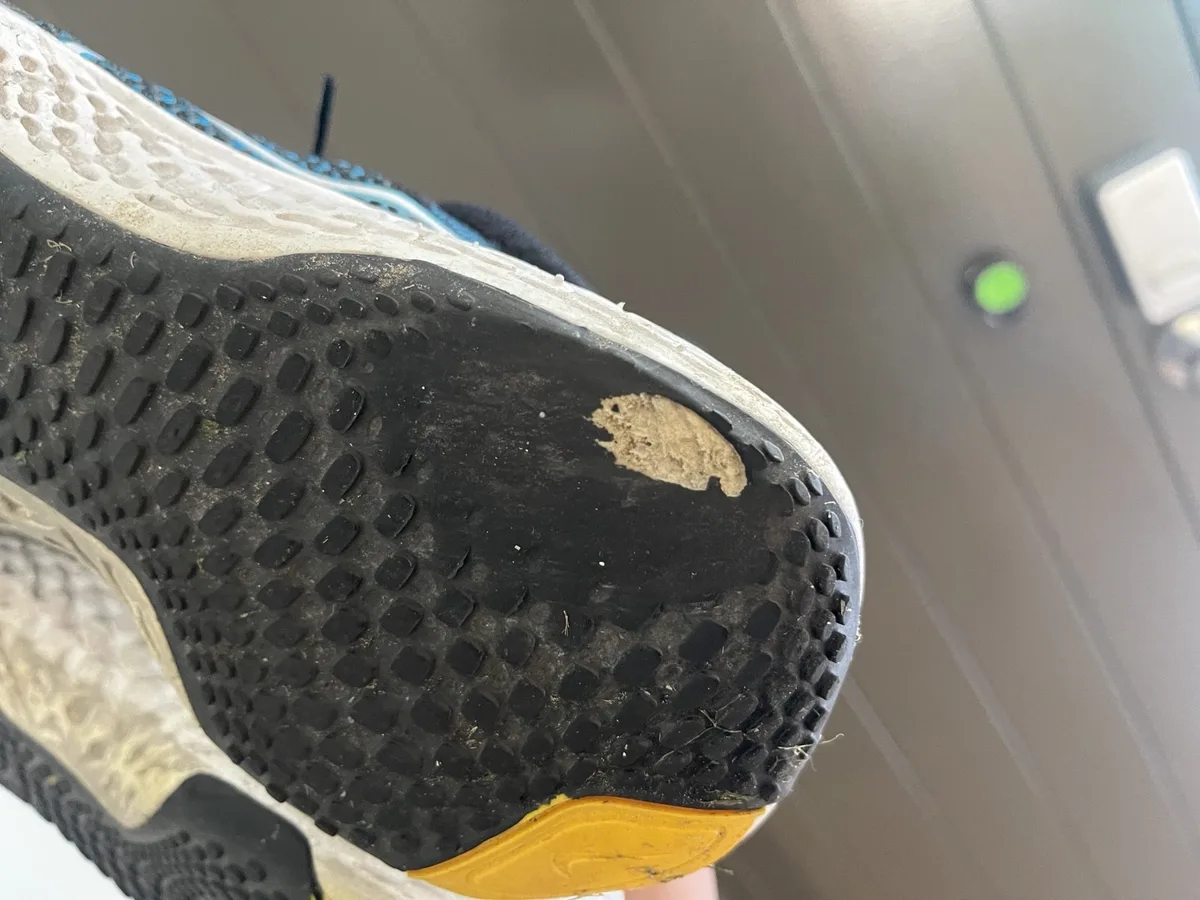
Image source: Bing (Web (fair-use with source credit))
Why It's Not Just About Miles: Terrain and You
We often hear general mileage guidelines for replacing running shoes, but trail running adds a whole new layer of complexity. The number on your shoe's odometer is a useful starting point, but it’s rarely the whole story when it comes to trail shoes.
How Terrain Affects Shoe Wear
The type of trails you run directly impacts how quickly your shoes break down. Aggressive, technical terrain, think sharp rocks, root-strewn paths, and steep, loose scree, puts significantly more stress on your shoes than smooth, packed dirt trails. These abrasive surfaces can quickly wear down the outsole (the rubbery bottom part of the shoe) and even damage the shoe's upper materials.
Manufacturer specifications for trail running shoes often assume a mix of conditions, so if you're consistently tackling gnarly, rocky singletrack, you can expect your shoes to wear out faster than the average guideline suggests.
Your Running Style Matters Too
Beyond the trail itself, your personal biomechanics play a role. If you're a heavier runner, the impact forces on your shoes are greater with every stride, leading to faster compression of the midsole cushioning. Similarly, if your natural gait involves a lot of pronation (your foot rolling inward) or supination (your foot rolling outward), this can cause uneven wear on the outsole and affect how the shoe's support structures perform over time.
Even the way you land, forefoot, midfoot, or heel striking, can influence wear patterns. Recognizing these individual factors is crucial for accurately gauging your shoe's lifespan.
The Key Signs Your Trail Shoes Are Done
While mileage is a helpful metric, your trail running shoes will communicate their end-of-life through tangible signs. Paying attention to these physical cues is far more reliable than just relying on a number.
Feeling Flat: Cushioning Breakdown
The primary job of a shoe's midsole cushioning is to absorb impact shock with every step, protecting your feet, ankles, knees, and hips. Over time, and with repeated compression from running, this cushioning material, often made of EVA foam or polyurethane, loses its ability to spring back. When this happens, your shoes will feel less responsive, flatter, and you'll start to feel the hard ground more acutely through your feet.
It’s like a sponge that’s been squeezed too many times; it just doesn't expand back to its original shape or absorb much anymore.
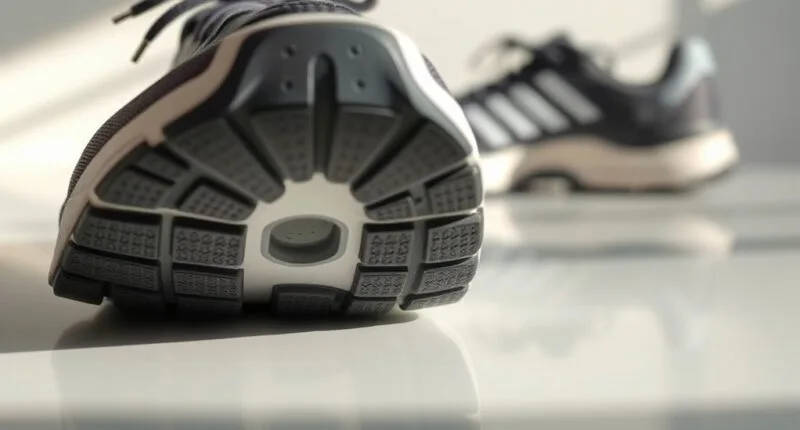
Image source: Bing (Web (fair-use with source credit))
- What to look for: A noticeable loss of that "bounce" or "spring."
- How it feels: Running feels harder, more jarring, and your feet might feel more tired or sore after shorter distances than they used to.
- The risk: Reduced cushioning means increased stress on your joints, potentially leading to fatigue or overuse injuries.
Losing Your Grip: Outsole Wear and Tear
The outsole of your trail running shoe is designed with aggressive lugs (the rubbery knobs and patterns) to provide traction on loose dirt, mud, and uneven surfaces. As you run, especially on abrasive trails, these lugs gradually wear down. When they become smooth, rounded, or significantly diminished in height, the shoe's ability to grip the trail is compromised.
This is especially critical on wet surfaces or during descents where a secure footing is paramount.
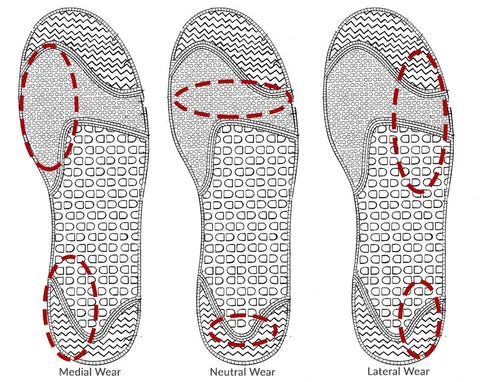
Image source: Bing (Web (fair-use with source credit))
- What to look for: Lugs that are worn smooth, particularly on the edges and tips.
- How it feels: You might notice your feet slipping more easily, especially on wet rocks, roots, or loose dirt.
- The risk: Reduced traction significantly increases the chance of slips and falls, leading to potential injuries.
Support is Gone: Signs of Fatigue and Instability
Trail running shoes are designed to provide a stable platform that helps guide your foot through your natural stride, especially on uneven terrain. As the midsole compresses and the outsole wears, the shoe's overall structural integrity can degrade. This means the shoe is less effective at supporting your foot's arch and controlling its motion.
You might start to feel more pronation or supination, or simply a general sense of your foot feeling less secure and more "wobbly" on the trail.
- What to look for: The shoe feels less structured; your foot feels like it’s rolling more freely or unnaturally.
- How it feels: Increased foot fatigue, arch soreness, or a general feeling of instability, particularly on side-hills or off-camber trails.
- The risk: Lack of proper support can lead to foot, ankle, or even knee pain over time.
Visible Damage: When the Shoe Itself Gives Up
Beyond the functional wear, physical damage to the shoe’s materials is a clear indicator that it's time for a replacement. This includes tears in the mesh upper, areas where the foam of the midsole is visibly peeling away or chunking out, or seams that are coming undone. These issues aren't just cosmetic; they compromise the shoe's ability to protect your foot from debris and can allow water and dirt to enter more easily.
- What to look for: Rips in the fabric, holes, or areas where the sole is detaching from the upper.
- How it feels: You might feel direct contact with trail debris through these damaged areas.
- The risk: Debris entering the shoe can cause blisters or cuts. Structural damage means the shoe can no longer offer adequate protection or support.
Your Trail Running Shoe Mileage Tracker
While visual cues are crucial, keeping a rough track of your mileage can provide a valuable benchmark for when to start paying closer attention to those signs of wear. It helps you anticipate when you might need to start looking for replacements.
How Mileage Adds Up: Benchmarks and Realities
Aggregate research and manufacturer guidance often suggest that road running shoes typically last between 300 and 500 miles. Trail running shoes, due to their more rugged construction and the demanding nature of the terrain, can sometimes extend beyond this range, but not always significantly. A common range for trail running shoes to start showing considerable wear is between 400 and 600 miles.
This is a general guideline; your specific experience may vary. For context, according to general footwear research, the midsole foam begins to show significant compression after approximately 500 miles of cumulative impact.
What Different Runners Can Expect
Your personal running habits significantly influence how quickly you reach the mileage limit.
- High-Mileage Trail Runners: If you're consistently running 30-50 miles per week on the trails, you might be looking at replacing your shoes every 3 to 5 months. This is especially true if you're tackling very technical terrain regularly.
- Moderate Trail Runners: For those hitting the trails 1-2 times per week, a pair of shoes might last anywhere from 6 to 12 months, assuming you’re logging around 300-400 miles per year on trails.
- Occasional Trail Runners: If you only hit the trails a few times a month, your shoes might last for a year or even longer in terms of mileage. However, even with infrequent use, the midsole cushioning materials can degrade over time due to exposure to air and environmental factors, so visual and tactile checks are still vital.
Avoiding Common Trail Shoe Mistakes
Many runners make common mistakes that either lead them to replace perfectly good shoes too early or, more detrimentally, keep wearing shoes long past their useful life. Being aware of these pitfalls can save you money and keep you safer on the trails.
- Relying Solely on Mileage: As we've discussed, mileage is just one factor. If your shoes are showing signs of wear like reduced grip or flat cushioning, it's time to replace them, regardless of whether you've hit your arbitrary mileage goal. Conversely, if your shoes still feel great at 600 miles and show minimal wear, you might get a bit more life out of them, but proceed with caution.
- Ignoring the "Feel": Don't discount how your shoes feel. If they feel less protective, less supportive, or simply "off" compared to how they used to, that's valuable feedback. Pushing through discomfort can lead to injuries that sideline you for much longer than it takes to buy a new pair of shoes.
- Not Inspecting Regularly: Worn-out shoes don't suddenly become bad overnight. Make it a habit to glance at your shoes after each run. Look for obvious outsole wear, check for any new tears in the upper, and notice if the cushioning feels different. Quick checks prevent bigger problems down the line.
- Using Trail Shoes for Everything: While versatile, trail running shoes are optimized for off-road conditions. Using them for daily road running will wear down the specific lug patterns and can make them feel less cushioned and responsive on pavement, prematurely aging them for their intended purpose.
Keeping Your Trail Shoes Performing Longer
While shoes have a finite lifespan, you can take steps to maximize their longevity and ensure they perform at their best for as long as possible. Proper care and storage can make a noticeable difference.
- Clean Them Properly: After a muddy run, it's best to clean your trail shoes. Gently brush off excess mud and dirt while the shoes are still slightly damp. You can use lukewarm water and a soft brush or sponge to clean the upper and outsole. Avoid using harsh detergents or putting them in a washing machine or dryer, as the high heat can damage the adhesives and foams in the midsole and upper materials.
- Air Dry Them: Always air dry your trail running shoes. Never place them near direct heat sources like radiators, fireplaces, or in direct sunlight for extended periods. High heat can degrade the foam cushioning and adhesives, shortening their lifespan. Stuffing them with newspaper can help absorb moisture and maintain their shape while they dry.
- Rotate Your Shoes (If Possible): If you run trails frequently, having two pairs of trail running shoes and rotating them can be beneficial. This allows the cushioning and foam in each pair to decompress and recover between runs. It also gives one pair a chance to dry out completely. This practice is often recommended by podiatrists and footwear experts to extend the life of running shoes.
- Store Them Appropriately: When not in use, store your trail running shoes in a cool, dry place, away from direct sunlight. Avoid stuffing them into a gym bag while still damp or muddy, as this can promote odor-causing bacteria and further degrade the materials.
FAQs About Trail Running Shoe Replacement
How many miles should I expect from trail running shoes?
Most trail running shoes are designed to perform optimally between 400 and 600 miles. However, this is a general guideline, and the actual lifespan depends heavily on the terrain you run on, your body weight, and your running gait.
Can I just keep running in my trail shoes if they feel okay?
While "feeling okay" is important, it's not the only indicator. Your shoes' cushioning and support can degrade even if they don't feel immediately uncomfortable. If you notice a loss of grip or a flatter feel, it’s wise to consider replacement even if they don’t actively hurt your feet.
Does cleaning trail running shoes make them last longer?
Yes, cleaning your trail running shoes properly and letting them air dry can help them last longer. Removing mud and debris prevents the materials from being permanently stained or damaged, and proper drying preserves the integrity of the midsole cushioning and adhesives.